Which?'s 2026 price guide puts repainting the walls of a hall, stairs and landing in an average three-bedroom house at £400 to £1,600 over about three days, excluding VAT. The staircase and woodwork are priced on top: MyJobQuote's national average for painting a staircase alone is £400. Stairwell access, the number of spindles and doors, and the condition of the plaster and old paint move the price most.
How much does it cost to paint a hall, stairs and landing?
As a national guide, repainting the walls of a hall, stairs and landing in an average three-bedroom house costs roughly £400 to £1,600 and takes about three days, according to Which?’s 2026 price guide. That figure covers walls only, excludes VAT and assumes the plaster is sound. Woodwork, spindles and a tall stairwell all add to it.
Which? says its figures come from a survey of nine Which? Trusted Traders carried out in November 2025, and notes that prices are likely to sit at the upper end in London and the South East. For the staircase itself, MyJobQuote’s staircase painting guide (updated September 2026) puts the average at £400 for around eight hours of work, with £350 to £450 for a staircase needing only small preparation. It quotes £225 to £700 to paint a stairway with handrails in a single colour.
These are separate published figures, not one price. Add the staircase and a couple of rooms’ worth of skirting and frames to the walls and the total can pass £1,000, which is why it pays to see each part listed. Our painter and decorator cost guide covers day rates and other rooms if you are pricing more of the house.
What’s included in the price (and what usually isn’t)?
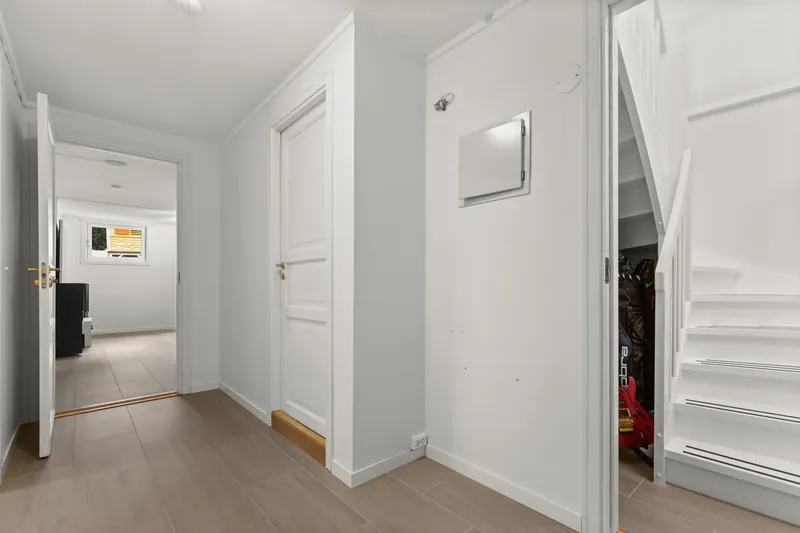
A hall, stairs and landing quote can mean walls only, or walls, ceilings and every piece of woodwork from the front door to the top landing. The Which? range covers walls only. Before you compare two quotes, check which surfaces each one includes, because one decorator’s “hall, stairs and landing” can be twice the work of another’s.
These are the surfaces a full job normally covers. Ask for each one to be listed on the quote:
- Walls: the hall, the tall stairwell wall and the landing.
- Ceilings: the hall ceiling, the landing ceiling and the sloping or stepped ceiling under the next flight, if there is one.
- Staircase: spindles, newel posts, handrail, the string (the board running alongside the treads) and any painted risers.
- Woodwork: skirting boards, door frames and architraves, the doors themselves, and any dado or picture rail.
- Extras: radiators, the inside of the front door, cupboard under the stairs, lining paper or wallpaper removal.
Which? prices woodwork separately. Repainting the skirting and one door frame in a single room ranges from £70 to £650 when the existing gloss is in good condition, and £90 to £1,200 when the old gloss has to be removed, with doors and windows excluded. A hall, stairs and landing typically has several door frames, a run of skirting up the stairs and a staircase, so the woodwork can add as much again as the walls.
Rough budget by scope (national guide prices)
The quickest way to sense-check a quote is to break the job into parts. The table pulls together the published national figures above. They are averages and ranges from cost guides, not anyone’s price list, and your own job can land below or well above them.
| Scope | Published national guide | Source | What pushes it up |
|---|---|---|---|
| Hall, stairs and landing, walls only | £400 to £1,600 (about 3 days, excl. VAT) | Which?, 2026 | Tall stairwell, cracked plaster, dark colour to cover |
| Staircase only, small preparation | £350 to £450 (average £400, about 8 hours) | MyJobQuote, 2026 | Many spindles, varnish to paint conversion, loose joints |
| Stairway with handrails, single colour | £225 to £700 | MyJobQuote, 2026 | Turned spindles, colour change, condition |
| Skirting and one door frame, per room, good condition | £70 to £650 | Which?, 2026 | Number of frames, colour change |
| Skirting and one door frame, per room, old gloss removed | £90 to £1,200 | Which?, 2026 | Failing or flaking old gloss, possible lead paint |
None of these rows includes doors, radiators or wallpaper stripping, so add time for those if you want them done.
Why is the stairwell the expensive part?
The stairwell costs more because of access, not paint. In a typical two-storey house the top of the wall over the stairs is well above head height from the lower treads, and it usually can’t be reached safely from a stepladder on a flat floor. Setting up proper access, moving it as the work goes up and down the flight, and keeping the stairs usable all add hours.
Health and Safety Executive guidance is clear on the basics. It says ladders should be used on firm, level ground, with proprietary levelling devices rather than ad-hoc packing such as bricks, blocks or timbers. A stair tread is neither level nor large. HSE also advises using different equipment if a task would mean staying up a leaning ladder or stepladder for more than 30 minutes at a time. Cutting in a stairwell ceiling line and painting a high wall in two coats usually takes longer than that.
A decorator will usually use a combination ladder with independently adjustable legs, a stair platform, or staging boards between properly set ladders. A three-storey townhouse stairwell may need a small tower. The shape matters as well. A straight flight in a Victorian terrace in somewhere like Semilong or the Mounts is quicker to set up than a dog-leg with a half landing, which needs the access rebuilding part way up. You can read how we handle this on our hallway, stairs and landing decorating page.
Why do spindles and banisters cost so much?
Spindles are slow. A typical staircase can have dozens of them, each with four faces and often turned detail, and every one is sanded, filled where needed and brush-painted by hand. They also need two coats with drying time in between. MyJobQuote’s own estimate is around eight hours for a staircase, spread over several days for drying, and quotes reflect that time.
Three things push the staircase price up further:
- Going from varnish to paint. Varnished pine needs a thorough key and a suitable primer or the paint is likely to scratch off the handrail.
- Loose or split spindles. These need gluing or filling before painting, or the joint will crack straight through the new paint.
- Old paint in an older house. The British Coatings Federation says lead pigments were taken out of most paints in the 1960s and completely removed from decorative paints by the early 1980s, and that wood or metal surfaces painted before the 1960s could contain significant levels. Its guidance is to test the paint if you suspect lead, especially in a house more than 40 years old, not to dry sand it or use blow lamps or gas torches, and to overcoat sound paint rather than remove it. If stripping is needed, the extra precautions and clean-up cost time.
Many of Northampton’s Victorian and Edwardian terraces have original staircases under several layers of paint, so it is worth checking before anyone sands. The woodwork and door painting page explains how woodwork is prepared.
What else moves the price?
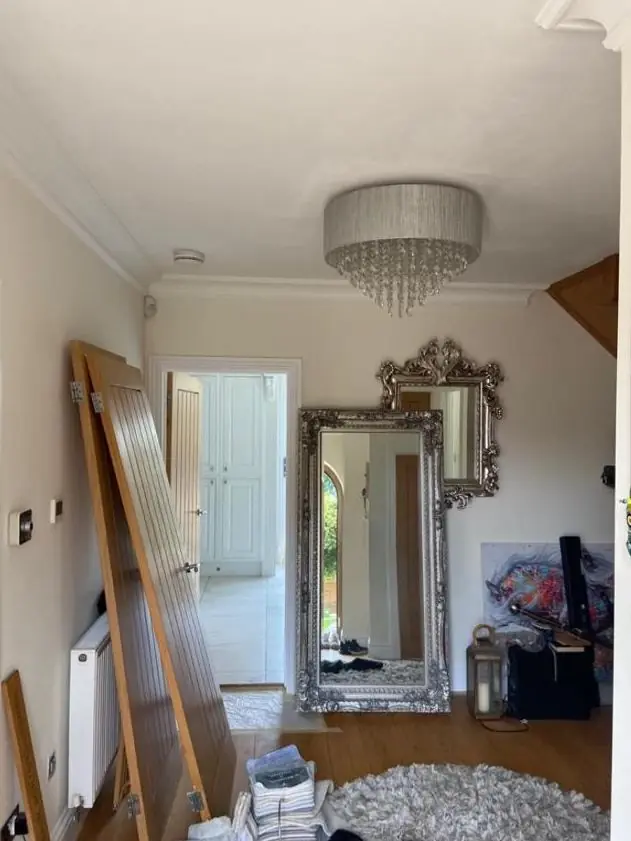
After access and woodwork, the biggest factors are wall condition, colour change and the finish you choose. Cracked plaster from years of door slams, a dark colour going light, or old wallpaper to strip will all add a day or more. The finish matters too, because a hallway takes knocks and hand marks that a bedroom never sees.
- Wall condition. Which? assumes the plaster is in good condition. Cracks along the stairwell, blown patches and settlement lines take filling, sanding and spot-priming. Badly crazed walls are sometimes better lined first.
- Colour change. Covering a strong colour with a pale one can need an extra coat across the biggest wall in the house.
- Durable paint. Hard-wearing matt emulsions for busy areas cost more per tin. Dulux Trade describes its Diamond Matt as designed for busy environments where a highly durable and cleanable finish is required, and says it can typically be recoated after 4 to 6 hours under normal conditions. Waiting between coats is part of why a hallway takes days, not hours.
- Timing. MyJobQuote says staircase painting quotes are about 10% higher at weekends than on weekdays.
- VAT. Which? quotes prices excluding VAT. A business only has to register for VAT once taxable turnover goes over £90,000 in 12 months, so some sole-trader decorators won’t add VAT and larger firms will. Check which applies before comparing totals.
How long does it take to paint a hall, stairs and landing?
Walls alone take about three days in the Which? guide, and MyJobQuote spreads its eight hours of staircase work over four days to allow for drying. A full job with spindles, skirting and doors therefore usually runs longer than the walls alone. Much of the time goes on preparation, drying between coats and moving access. A decorator will usually work top down so dust and drips never land on finished work.
The usual order of work is:
- Protect the floor, stair carpet and front door, and agree how you’ll get up and down while the work is going on.
- Fill, sand and prime ceilings, walls and woodwork in one go, so dust is finished before any paint goes on.
- Ceilings first, then the high stairwell wall from the access, then the landing and hall walls.
- Woodwork last: spindles and handrail, then the string, skirting, frames and doors.
- Strip the access, touch in where the boards or ladder feet sat, and check the work in daylight.
How to cut the cost without cutting corners
The safest way to lower a hall, stairs and landing quote is to reduce the scope, not the preparation. Skipping filling or a coat saves time now but tends to show quickly on the most-used walls in the house. Phasing the work, keeping sound woodwork, or doing the low-risk parts yourself are better savings.
- Split the job. Have the walls and stairwell done professionally and paint the hall skirting and doors yourself later. The stairwell is the part that genuinely needs access equipment.
- Keep what’s sound. If the woodwork is clean and unchipped, a wash and light sand before one coat costs far less than a full strip.
- Clear the space. Remove coats, shoe racks, pictures and the hall table before the decorator arrives.
- Be flexible on timing. Weekday work avoids the weekend premium MyJobQuote describes.
- Get it in writing. A fixed written quote listing every surface stops the price growing halfway up the stairs.
Should you DIY the stairwell or hire a decorator?
DIY makes sense for a single-storey hall, a landing you can reach from the floor, or touching up skirting and doors. A decorator earns their fee on the stairwell, where the safe access, the drying time and dozens of spindles take the most time. If your stairwell needs a platform, your spindles need repair or your house predates the 1960s, it’s usually worth getting a professional quote before you start.
Published guides are useful for a ballpark, but a hall, stairs and landing varies a lot from house to house, so a written quote after a visit is the only real figure. Dean has over 30 years in the trade and decorates halls, stairs and landings across Northampton and nearby towns, from Victorian terraces to new builds at Upton and Grange Park. Call him on 07539 779 036 for a free written quote, with every surface listed and the access planned before work starts.
Sources
- How much do painters and decorators cost?, Which? Trusted Traders (accessed 2026-10-09)
- Staircase Painting Cost, MyJobQuote (accessed 2026-10-09)
- How and when to use a ladder at work, Health and Safety Executive (accessed 2026-10-09)
- Where ladders should be used, Health and Safety Executive (accessed 2026-10-09)
- Lead in painted surfaces: guide for the general public (HS032), British Coatings Federation (accessed 2026-10-09)
- Dulux Trade Diamond FAQs, Dulux Trade (accessed 2026-10-09)
- Register for VAT, GOV.UK (HMRC) (accessed 2026-10-09)
Header photo: Alex Tyson on Pexels. Photos of our own work appear further down the page.
Last updated by Dean, DH Painter & Decorator.