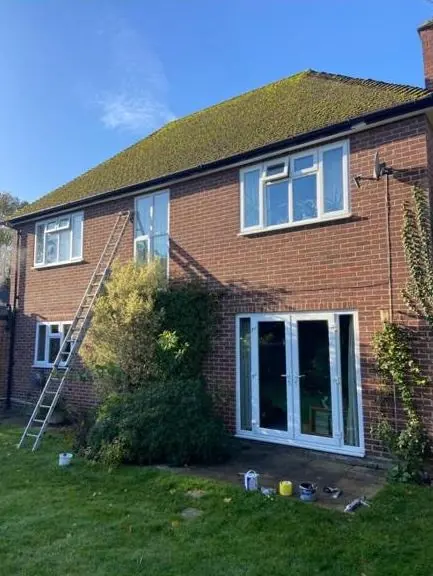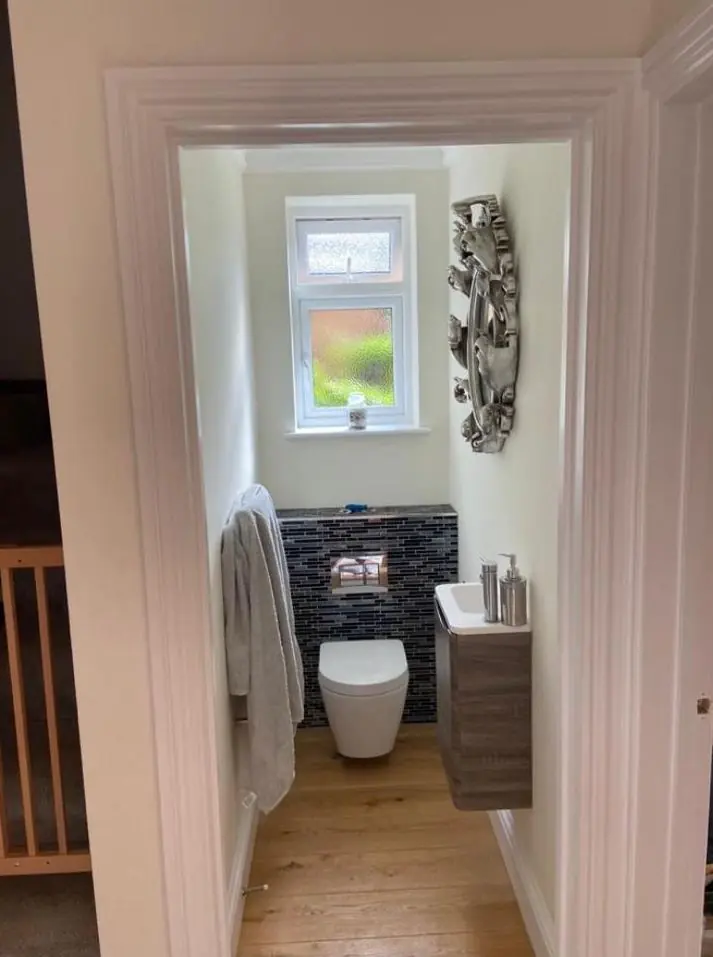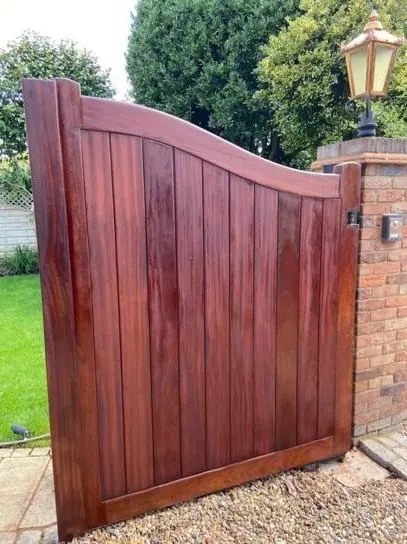
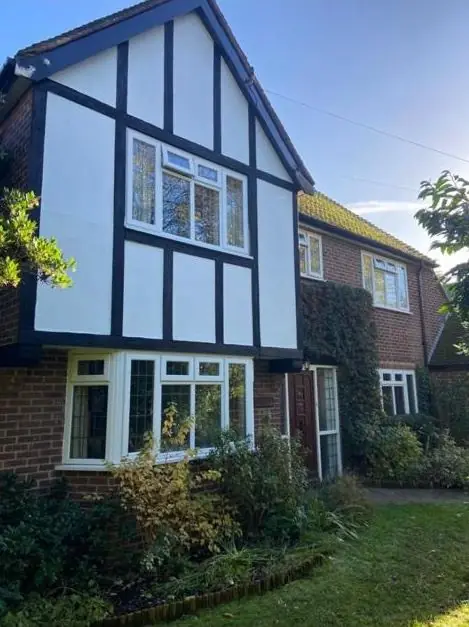
DH Painter & Decorator is a painter and decorator for Wellingborough homes, based in Northampton, about 9.7 miles south-west of the town. Dean handles interior painting, exterior render and masonry, fascias and soffits, woodwork and wallpaper in Wellingborough, backed by over 30 years of experience. Every job starts with a free quote and honest advice after we've seen the property.
Painting and decorating in Wellingborough
DH Painter & Decorator paints and decorates houses in Wellingborough, inside and out: rooms and stairwells, render and pebbledash, fascias and soffits, doors, windows and woodwork. We’re based in Northampton, about 9.7 miles to the south-west, and Dean has been a painter and decorator for over 30 years. Every Wellingborough job starts with a visit and a free written quote, so the price reflects your house.
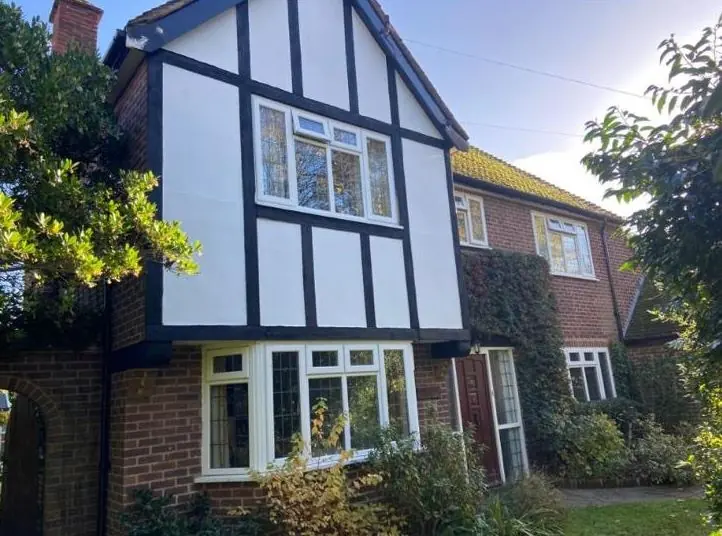
What makes the town interesting to decorate is the mix of buildings. In a short drive you can pass ironstone walls near the old centre, streets of Victorian terraces, the estates built when the town expanded in the 1960s and 70s, and the new homes at Stanton Cross beside the railway station. Each type of house has its own habits, so rather than list services, we’ve set this page out by the kind of home you live in.
Wellingborough homes and what they usually need
What a Wellingborough house needs depends mostly on when it was built, and in the centre, on planning rules as well. Ninety-three listed buildings, two of them Grade I, stand inside the town centre conservation area, which spreads over roughly 58 hectares. Since 18 October 2011 an Article 4 direction has also covered named houses of townscape merit on streets such as Rock Street, Park Road, Havelock Street, Oxford Street, Broad Green and Swanspool Parade. For those homes, a first coat on bare brick, stone or render, or a new colour on paintwork that is already there, needs planning permission from North Northamptonshire Council, while repainting in the existing colour is ordinary upkeep.
Ironstone buildings around the old town
The medieval core around All Hallows Church, which dates from about 1160, is built of ironstone, often banded with pale limestone, as are the Tithe Barn and the Georgian town houses on Broad Green and London Road. The 2009 conservation area appraisal describes the local Blisworth limestone as soft, powdery and less resistant to weathering, so sealing it under masonry paint traps moisture and speeds its decay. Bare stone here stays bare.
On these properties the work is the joinery: sash windows, panelled front doors, doorcases and bargeboards. After the great fire of 1738 much of the centre was rebuilt in brick, and some early 19th-century fronts on Sheep Street and Silver Street are painted stucco, which is a genuine local finish and is repainted like for like in a breathable system. Old timber tends to carry many layers of paint, so preparation matters more than the top coat.
Victorian and Edwardian terraces
The red-brick Victorian and Edwardian streets were built for the boot and shoe trade: Midland Road, Park Road, Havelock Street, Rock Street and Oxford Street near the centre, and York Road and Mill Road to the east. The appraisal records timber sliding sashes with stone sills, sometimes painted over, and former factories in Rock Street, Great Park Street and Alma Street whose cast-iron windows it calls essential to their character. Inside the houses, you often find tall hallways, steep straight staircases, picture rails, cornicing and walls that have moved a little over a hundred-odd years. Cracked ceilings are common, and lining paper is sometimes the right answer.
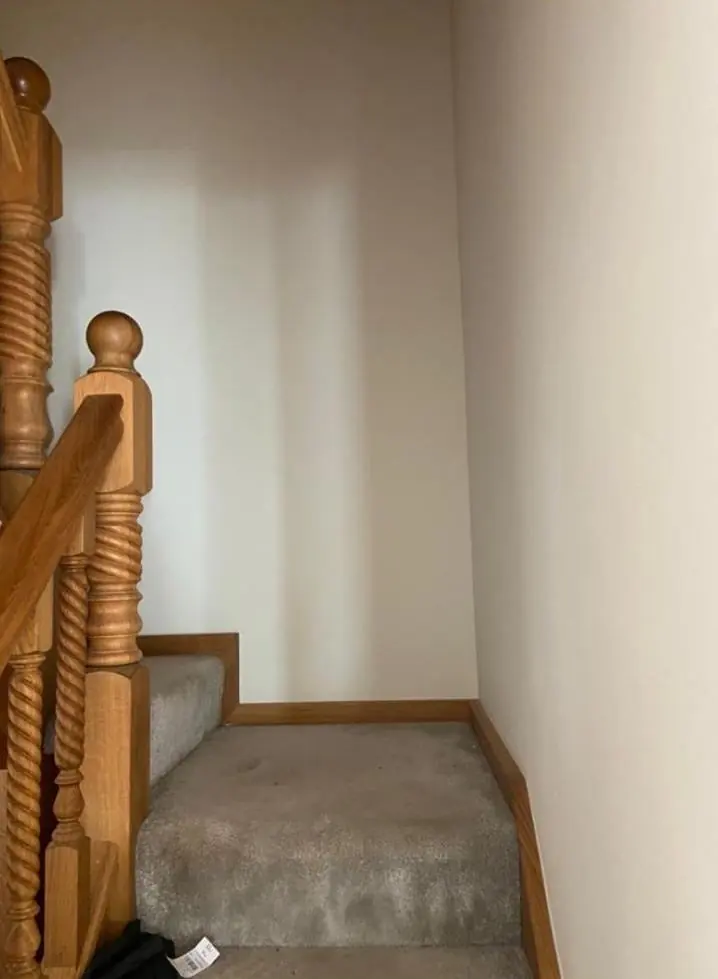
The stairwell is usually the job people put off longest, because of the height over the stairs. We use proper staging and ladders set up safely, so it’s no harder for us than any other room. Have a look at our page on decorating hallways, stairs and landings for how we approach it.
Houses of this age can also have lead in the older layers of paint on skirtings, doors and window frames. We avoid dry sanding those layers and keep dust under control, which matters if you have young children or pets in the house.
The 1960s and 70s estates
Wellingborough grew quickly in the 1960s and 70s, when it took in families moving out from London, and estates such as Queensway and Hemmingwell date from that period. Kingsway is the third large public estate. None of them is in the conservation area, so colours are your own choice. Typical jobs on homes of this age include:
- Timber fascias, soffits and bargeboards that have weathered on the more exposed sides
- Any rendered or pebbledash panels that have faded, cracked or grown green algae
- Textured ceiling coatings, often referred to as Artex, in living rooms and hallways
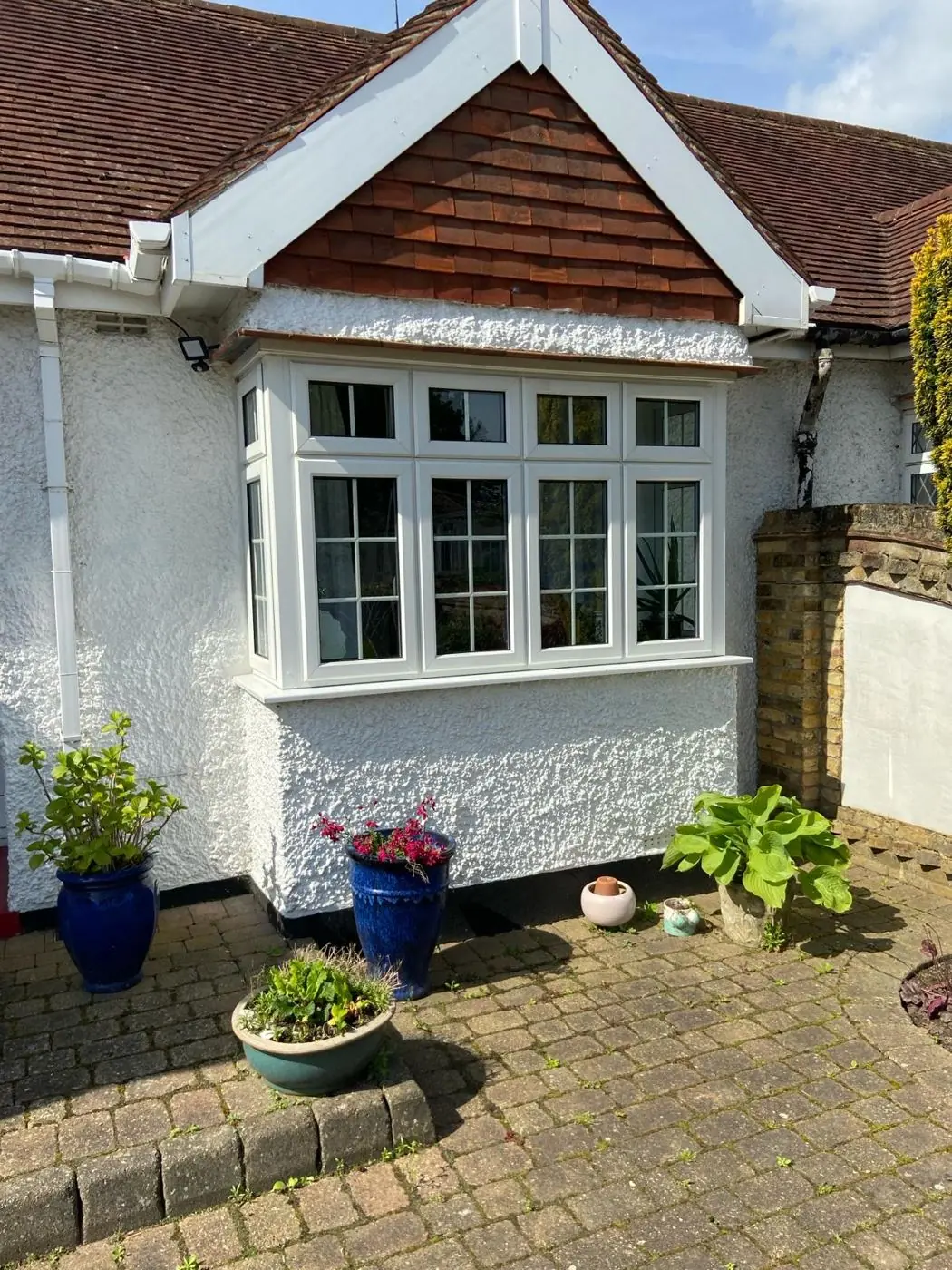
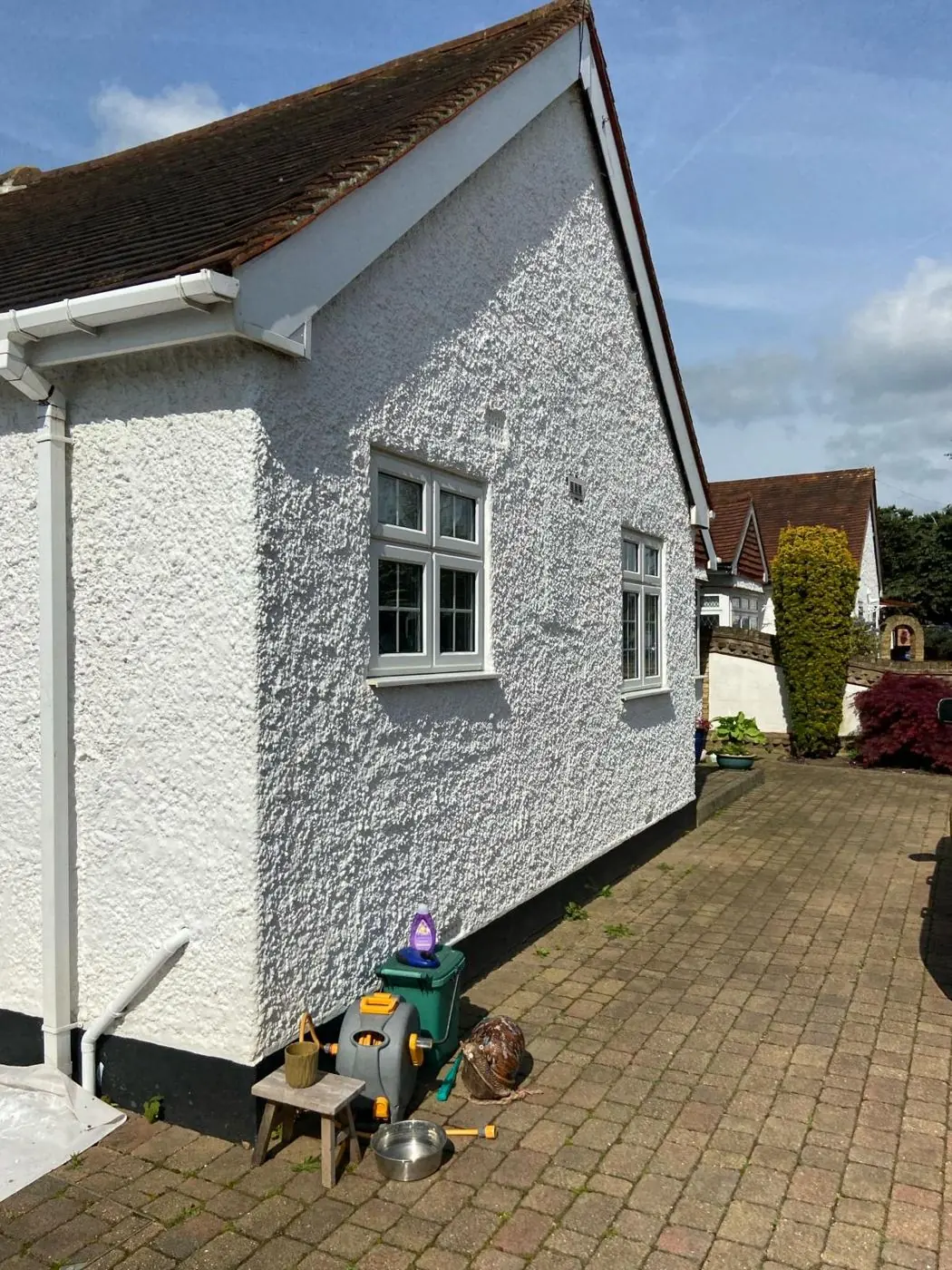
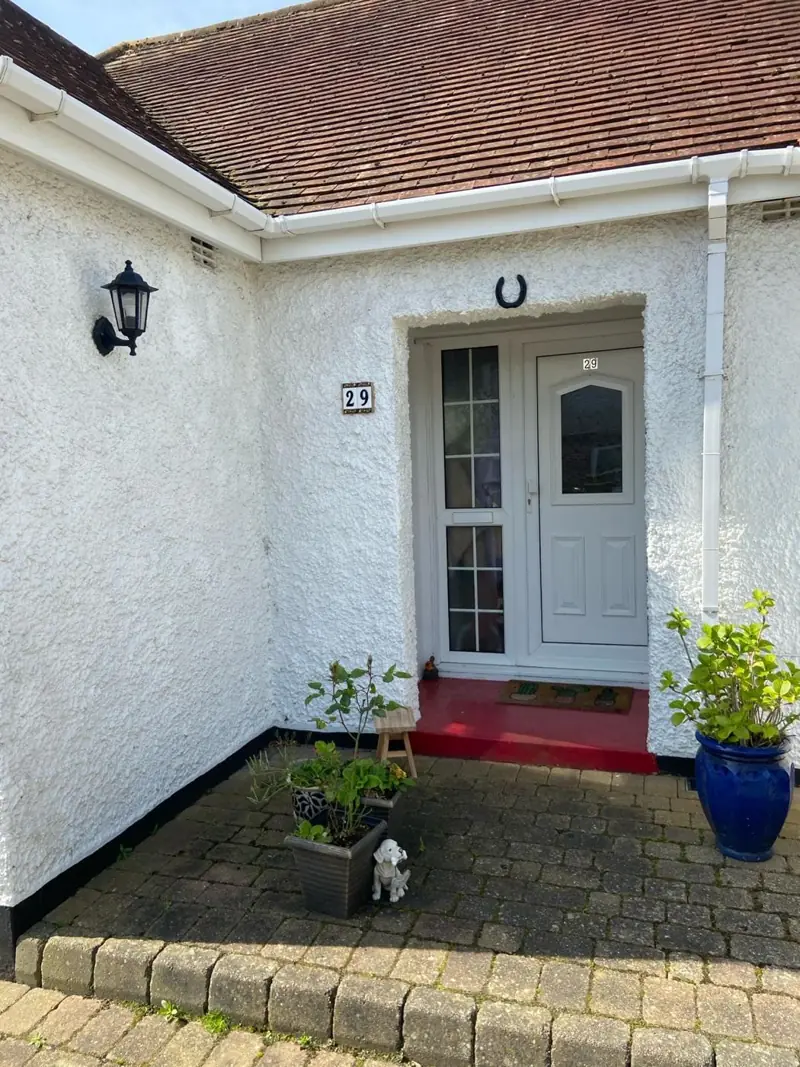
Where boards are still timber, the fascias usually need attention before anything else outside. Our page on painting fascias and soffits explains the prep involved. For tired pebbledash or smooth render, we clean it down, treat any algae with a fungicidal wash, stabilise chalky surfaces and apply a good-quality masonry paint. There’s more detail on our render and masonry painting page.
A quick note on textured ceilings: coatings applied before the mid-1980s can contain asbestos. We never sand or scrape them. If the surface is sound, it can usually be painted over; if you’re planning to remove it, get it tested first.
New-build homes at Stanton Cross and elsewhere
New developments bring a different set of problems. Builders usually finish walls in a basic contract matt emulsion that marks easily and doesn’t wipe clean, and hairline cracks appear in the first year or two as the timber and plaster dry out and settle. We fill and sand those cracks, then repaint in a durable, washable finish in the colours you actually want.
If you’ve had an extension built or rooms freshly plastered, bare plaster needs a diluted mist coat so the paint bonds properly. Our guide to painting new plaster and extensions covers drying times and why rushing it causes peeling.
Why choose DH Painter & Decorator in Wellingborough
You get a decorator with over three decades in the trade and a straightforward way of working. We don’t have an office in Wellingborough and we won’t pretend to. This is what we offer:
- Experience across domestic and commercial decorating
- Free quotes and advice, given after seeing the job in person
- Fully insured and trained
- Customer reviews you can read for yourself
- Floors and furniture protected with dust sheets and masking, and the house left tidy each day
If you’re budgeting for a Wellingborough repaint, our painter and decorator cost guide explains what affects the price. Your written quote is what counts.
Getting to you from Northampton
Wellingborough is about 9.7 miles north-east of Northampton town centre, reached along the A45 dual carriageway that runs south of the town. We also cover the villages around the town, including Finedon, Irchester, Wollaston and Great Doddington, and further along the valley towards Earls Barton. You can see the rest of the towns and villages on our areas we serve page.
Book a Wellingborough painter and decorator
To book a painter and decorator in Wellingborough, give Dean a call on 07539 779 036 or ask for a free quote online. Tell us a little about the house and the rooms or walls you want doing, and we’ll arrange a time to come and have a look.
Last updated by Dean, DH Painter & Decorator.