
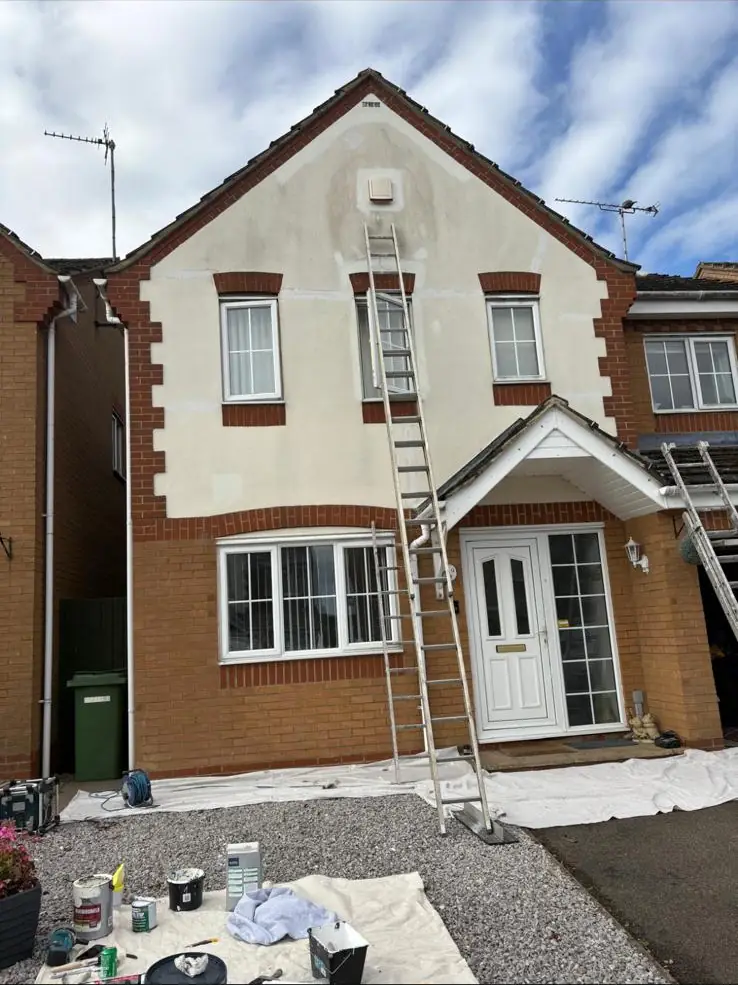
Published UK cost guides put a full exterior repaint of a three-bed semi at roughly £2,600 to £5,700, with a front elevation alone from about £500 to £1,500. Scaffolding, pebbledash, failing render and timber windows push a job towards the top of the range or are priced on top. These are national averages, and a written quote after a visit is the only real figure.
How much does it cost to paint the outside of a house in the UK?
Published UK guides put a full exterior repaint of a three-bed semi at roughly £2,600 to £5,700, and a front elevation alone at £500 to £1,500. Those are national estimates from MyJobQuote’s exterior painting cost guide (updated October 2026), which lists scaffolding, wall preparation and doors and windows as separate additional costs. Where you end up depends on access, the wall surface, preparation and woodwork, so always check what a number includes.
Here is how two 2026 UK guides compare. They are national averages, not local prices, and not what any one decorator charges.
| House type | MyJobQuote (Oct 2026) | TaskRabbit (Oct 2026) |
|---|---|---|
| Front elevation only | £500 to £1,500 | Not listed |
| Bungalow (2 to 3 bed) | £1,200 to £3,000 | Not listed |
| Terraced (2 to 3 bed) | £1,500 to £3,100 | £500 to £1,500 (mid-terrace) |
| Semi-detached (3 bed) | £2,600 to £5,700 | £800 to £2,500 |
| Detached (3 to 4 bed) | £3,400 to £7,700 | £1,500 to £5,000+ |
| Three-storey house | £4,500 to £9,500 | Not listed |
| Detached (5 bed) | £4,500 to £10,000 | Not listed |
The gap between the two columns is the first lesson. TaskRabbit’s outdoor painting guide gives much lower figures than MyJobQuote for the same house types, and it warns that scaffolding “may be quoted separately and can add significantly to the overall cost”, along with render repairs and lead paint removal. Neither guide spells out exactly what its ranges cover, so the difference is likely to come down to access, preparation and how much of the house is included. Which?’s survey of Trusted Traders spans both, at £600 to £4,500 for an average three-bed semi whose render only needs a repaint, excluding VAT, and it warns that scaffolding could add a lot. MyJobQuote’s average for a two-storey, three-bed house is £3,650 over roughly three to five days, and it puts exterior painting at £20 to £40 per m² of wall on average. Treat any single figure as a starting point, not a budget.
Why do exterior painting quotes vary so much?
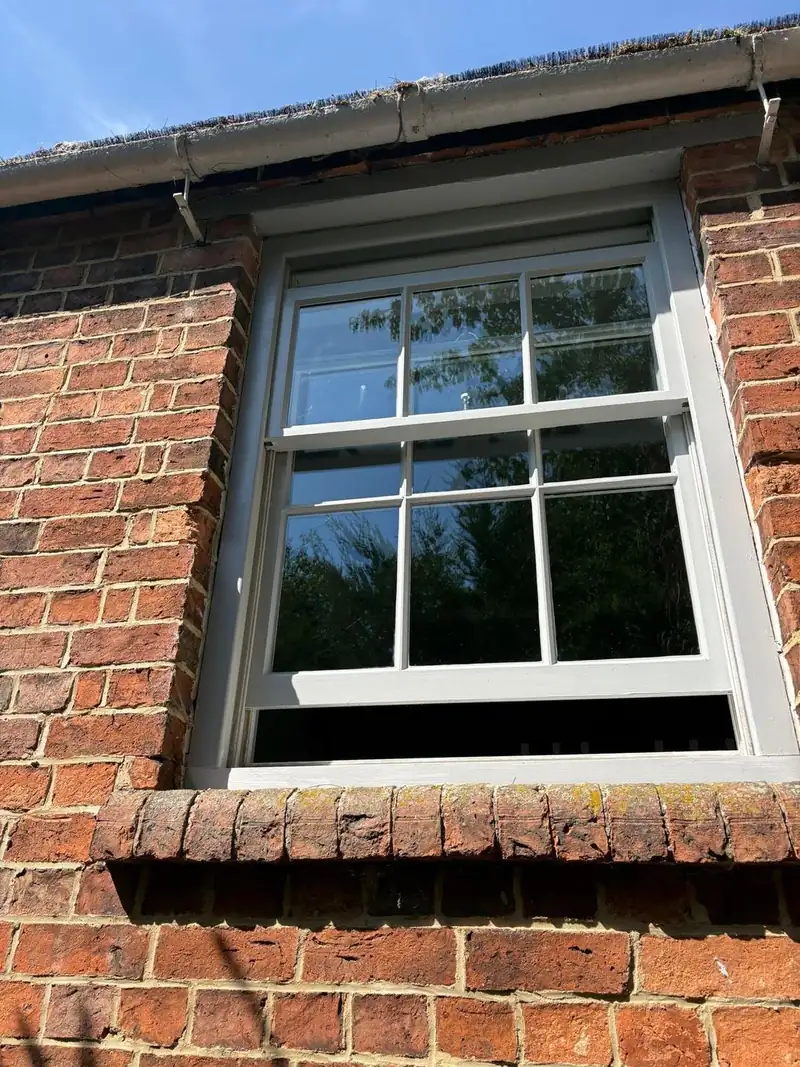
Exterior quotes vary because most of the cost is time, and time depends on things a price guide can’t see: how high the walls are, whether they are smooth or pebbledashed, how much old paint is failing, and how many windows, fascias and doors are included. Paint itself is a modest share: MyJobQuote allows 30 to 50 litres for a semi at about £5 to £10 a litre, so roughly £150 to £500 of a £2,600 to £5,700 job. Two semis on the same street can be priced thousands apart for good reasons.
| What moves the price | Cheaper end | Dearer end |
|---|---|---|
| Access | Bungalow or low walls reachable from ladders and steps | Two or three storeys, gable ends, conservatory roofs in the way, full scaffold |
| Wall surface | Smooth render or previously painted brick in good order | Pebbledash or roughcast, which takes far more paint and time |
| Condition | Sound paint, same or similar colour | Flaking or chalky paint, algae, cracks, hollow render |
| Woodwork | uPVC windows and fascias left as they are | Timber sashes, bargeboards and doors needing scraping, filling and priming |
| Colour | Like-for-like repaint | Big colour change needing extra coats |
How much does scaffolding add to the cost?
Scaffolding can be one of the largest lines on an exterior quote. MyJobQuote’s scaffolding cost guide (updated November 2026) puts painting scaffold at £500 to £850 for the front of a house, £850 to £1,500 around a semi and £1,400 to £2,500 around a detached house, as national averages. If the scaffold stands on the pavement or verge, the scaffolder also needs a council licence.
In Northampton and the rest of West Northamptonshire, the council’s scaffolding licence page says homeowners can’t apply directly; the scaffolding company applies and pays. The published monthly fees run from £95 for up to 5m of scaffold to £185 for 11m to 20m. The council charges the fee to the scaffolding company, so expect it to come through on the scaffolder’s price. On many Victorian terraces in town, where the front wall sits on the footpath, you should expect it.
Not every house needs a full scaffold. A bungalow or a house with low walls can often be done from ladders and a tower, which is one reason bungalows sit at the cheap end of the table. A decorator will decide this on site, with safety first: the HSE says ladders are a sensible option for low-risk, short-duration tasks, and adds that they “should not automatically be your first choice”. Painting a whole two-storey elevation is rarely low-risk or short.
Does pebbledash cost more to paint than smooth render?
Yes, usually by a clear margin. Pebbledash and roughcast have far more surface area than smooth render, so they take more paint and longer to work into every hollow. The Dulux Trade Weathershield Smooth Masonry Paint data sheet gives up to 16m² per litre on smooth render but 4 to 6m² per litre on pebbledash, calling these “only an approximate guide”. That is up to four times the paint for the same wall, and the data sheet says the normal finish is two full coats.
As a worked illustration, take a house with about 100m² of wall. Two coats on smooth render need roughly 13 litres at the best-case rate. The same two coats on pebbledash need somewhere between 33 and 50 litres. MyJobQuote’s guide, for comparison, allows 30 to 50 litres of masonry paint for a three-bed semi, and prices masonry paint at about £5 to £10 a litre.
The labour gap is bigger than the paint gap. In MyJobQuote’s breakdown, a semi with smooth walls takes three to four days, while a semi with textured walls takes six to seven. Its labour-only figures for a semi are £300 to £800 with smooth walls and £600 to £1,400 with textured walls. If your house is pebbledashed, expect quotes towards the upper end of the range, and be wary of one that isn’t.
Preparation that pushes the price up
Preparation is the part of an exterior job you can’t see on a price guide, and it is where a cheap quote can cut corners. Algae and mould need a fungicidal wash and time to work. Chalky paint needs a stabilising primer. Cracks need raking out and filling. Hollow or blown render needs repairing before any paint goes on, and rotten timber needs cutting out. Each one adds hours.
Here is the order a decorator will usually work in, and what to look out for at each stage:
- Survey. Tap the render for hollow patches, look for cracks, damp staining under sills and leaking gutters. Painting over a leak just hides it for a season.
- Clean and treat. Green, black or orange growth gets a fungicidal wash. North-facing walls, and houses that sit in the Nene valley damp and fog, tend to be more prone to it.
- Scrape and stabilise. Loose paint comes off. If a hand comes away white after rubbing the wall, the surface is chalky and needs a stabiliser before painting.
- Repair. Fill cracks, patch render, and fix or replace rotten timber on sills, fascias and bargeboards.
- Mask and paint. Woodwork and masonry are painted in the right order so drips and brush marks don’t end up on finished surfaces.
Lead paint is a cost and a safety issue on older houses. The British Coatings Federation says lead pigments were taken out of most paints in the 1960s, and that wood or metal painted before then could contain significant levels, so original coats on Victorian and pre-war joinery may contain it. The HSE lists “stripping of old lead paint from doors, windows etc” and “blast removal and burning of old lead paint” among the activities where people are most at risk. The BCF’s advice is to overcoat sound paint, never to dry sand or use a blow lamp, and to use wet abrasive paper or a chemical stripper where paint has to come off. That slower, cleaner method costs more time. If you aren’t sure, ask the decorator how they will handle it.
Our render and masonry painting service explains how we deal with algae, chalky walls and cracks before any paint goes on.
Can you save money by only painting the front of the house?
Often, yes. The front is the elevation everyone sees, it usually needs less scaffold, and MyJobQuote puts a front-only repaint at £500 to £1,500 as a national average. Painting the front now and the sides and back next year spreads the cost. The catch is that you pay for access twice, and a new colour on the front will show against faded paint at the side.
Other ways to keep the price down without cutting corners:
- Book the work in the right months. Dulux’s product guidance warns against painting below 7°C or in rain, fog or humidity above 80%, so spring to early autumn gives the fewest lost days. Our guide to the best time of year for exterior painting covers the weather in more detail.
- Do it before it fails. Repainting sound walls is far cheaper than repainting walls that have started flaking, because the prep bill is smaller.
- Share the scaffold. If the roofer, gutter fitter or window cleaner needs access, plan the work for the same weeks so you only hire scaffold once.
- Clear the ground. Cutting back climbers and moving pots before the decorator arrives saves time you would otherwise pay for.
Do you need permission to paint the outside of your house?
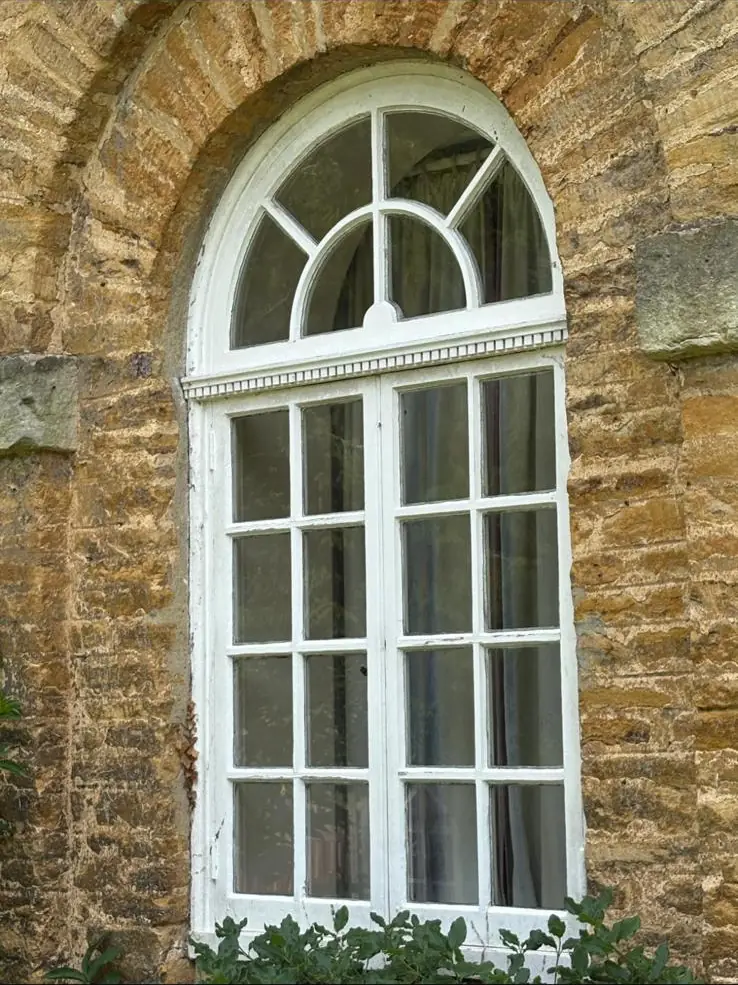
Usually not. Painting the outside of a building is permitted development under Class C of the General Permitted Development Order, so most homeowners can repaint in any colour without asking anyone. The main exceptions are areas where the council has removed that right with an Article 4 direction, usually in conservation areas, and listed buildings, where section 7 of the Planning (Listed Buildings and Conservation Areas) Act 1990 requires consent for any alteration that would affect the building’s special character. Check before you pick a colour.
This matters in Northampton. The West Northamptonshire Council Article 4 directions page lists directions for the Abington Park, Barrack Road, Billing Road, Derngate and Kingsley areas. The Abington Park direction, for example, removes the right to paint the parts of a house that front a highway, so a change of colour there needs planning permission. The council’s conservation areas page says West Northamptonshire has 117 conservation areas, including many ironstone villages. If you live in one, or your house is listed, ask the council’s conservation officer first. A decorator can’t give you that permission.
One more point from the Dulux data sheet: “common or fletton bricks should not be painted”. Bare brick that has never been painted is a decision to think hard about, because once painted it has to be kept painted.
How to compare exterior painting quotes fairly
Compare what each quote includes, not the bottom line. A cheaper price often means less preparation, one coat instead of two, or the woodwork and scaffold left out. Ask every decorator for a written quote that lists the same things, so you can line them up side by side. Any quote that won’t say what preparation is included is the one to question.
- Which elevations, and which surfaces: walls, fascias, soffits, windows, doors, pipes, garage.
- Access: scaffold, tower or ladders, and whether any council licence is included.
- Preparation: algae wash, stabiliser, crack and render repairs, timber repairs.
- The paint system: product names and number of coats on each surface.
- What happens if hidden problems such as blown render or rotten timber turn up.
- Rough timescale and how weather delays are handled.
Our Northampton decorating price guide sets exterior prices alongside interior ones, and our quote checklist covers what any written quote should include.
Typical UK prices at a glance
These are typical UK ranges for the jobs in this article. They come from the published UK price guides named in the table, checked on 16 November 2026, so you can sense-check a quote. They are not DH Painter & Decorator’s prices: Dean prices each job after a visit and gives you a free written quote.
| Job | Typical UK range (2026) | What the range covers |
|---|---|---|
| Outside: front elevation only | £500 to £1,500 per house | MyJobQuote 2026 national estimate. Typical time: 1 to 2 days. Source: MyJobQuote. |
| Terraced house (2 to 3 bedrooms), full exterior | £1,500 to £3,100 per house | MyJobQuote 2026 national estimate. Typical time: 2 to 3 days smooth, 4 to 5 textured. Source: MyJobQuote. |
| Semi-detached house (3 bedrooms), full exterior | £2,600 to £5,700 per house | MyJobQuote 2026 national estimate; scaffolding, wall repairs, doors and windows can be extra. Other 2026 guides run lower: Which? £600 to £4,500 where the render only needs a repaint (excluding VAT, and it warns scaffolding could add a lot) and TaskRabbit £800 to £2,500. Typical time: 3 to 4 days smooth, 6 to 7 textured. Sources: MyJobQuote, Which?, TaskRabbit UK. |
| Detached house (3 to 4 bedrooms), full exterior | £3,400 to £7,700 per house | MyJobQuote 2026 national estimate. Typical time: 4 to 5 days smooth, 7 to 8 textured. Source: MyJobQuote. |
| Labour only, 3-bed semi with textured walls such as pebbledash | £600 to £1,400 per house | MyJobQuote 2026 labour-only table. Typical time: 6 to 7 days. Source: MyJobQuote. |
| Painting scaffold around a semi | £850 to £1,500 per job | MyJobQuote 2026 scaffolding guide, typical 6 to 8 week hire. Source: MyJobQuote. |
When does DIY make sense, and when should you get a decorator?
DIY can make sense on a bungalow, a garden wall or a single low elevation in good condition, where you can work safely from the ground or a short ladder. Anything at first-floor height or above, pebbledash, failing render, older joinery that may carry lead paint, or a house in a conservation area is where a professional earns the fee. So is any job that needs scaffold.
The published figures above are national averages. A written quote after a visit is the only real figure, because it is the only one based on your walls, your access and your woodwork. If you’re looking for a painter and decorator in Northampton for the outside of your house, Dean has over 30 years in the trade and gives free written quotes there and in the surrounding towns and villages, including Kettering and Rushden. Have a look at our exterior painting service to see what is covered, then call Dean on 07539 779 036 to arrange a visit.
Sources
- Cost to Paint a House (Exterior), MyJobQuote (accessed 2026-11-16)
- Scaffolding Cost (updated November 2026), MyJobQuote (accessed 2026-11-16)
- How much does hiring an exterior painter cost?, TaskRabbit UK (accessed 2026-11-16)
- How much do painters and decorators cost?, Which? (accessed 2026-11-16)
- Dulux Trade Weathershield Smooth Masonry Paint technical data sheet, AkzoNobel (Dulux Trade) (accessed 2026-11-16)
- Dulux Trade Weathershield Smooth Masonry Paint, Dulux Trade (accessed 2026-10-09)
- Scaffolding licence, West Northamptonshire Council (accessed 2026-11-16)
- The Town and Country Planning (General Permitted Development) (England) Order 2015, Schedule 2 Part 2 Class C, legislation.gov.uk (accessed 2026-10-09)
- Heritage and non-heritage Article 4s and local development orders, West Northamptonshire Council (accessed 2026-10-09)
- Abington Park Conservation Area Article 4(2) Direction 2007, Northampton Borough Council (via West Northamptonshire Council) (accessed 2026-10-09)
- Conservation areas, West Northamptonshire Council (accessed 2026-10-09)
- Lead: when are you most at risk?, Health and Safety Executive (accessed 2026-11-16)
- Lead in painted surfaces: guide for the general public (HS032), British Coatings Federation (accessed 2026-11-16)
- Safe use of ladders and stepladders, Health and Safety Executive (accessed 2026-10-09)
- Planning (Listed Buildings and Conservation Areas) Act 1990, section 7, legislation.gov.uk (accessed 2026-10-09)
Last updated by Dean, DH Painter & Decorator.


