DH Painter & Decorator, a Northampton painter and decorator with over 30 years' experience, explains typical UK decorating costs here as a rough guide only. Prices depend on prep, surface condition, access, paint and coats, so we don't publish fixed rates. Instead we give every customer a free written quote after seeing the job.
If you are trying to budget for a decorator, the honest answer is that painter and decorator cost in Northampton depends far more on the job than on the postcode. Two rooms of the same size can take very different amounts of time once you factor in cracked ceilings, dark colours to cover or a house full of furniture. This guide gives you rough UK ranges so you have a starting point, then explains what actually moves the price up or down.
The figures below are general UK guidance only, not our rates.
How much should you pay for a painter and decorator?
As a rough guide, most UK decorators work out their price from how many days a job will take, plus materials. Day rates for an experienced decorator typically sit somewhere around £180 to £280 across much of England, with London and the South East often higher. Some tradespeople quote by the room or the square metre instead, but underneath it is still a time estimate.
What you are really paying for is the preparation and the finish. A cheap quote often means less filling, less sanding and fewer coats, which shows up within a year or two as flaking gloss and visible patches.
Typical cost ranges for common jobs (rough UK guide)
These are broad, typical ranges based on general UK pricing. Treat them as a way to sense-check quotes, not a price list. Your own job could fall below or well above them.
| Job | Typical range | What usually pushes it higher |
|---|---|---|
| Small room, walls and ceiling | Roughly £250 to £450 | Heavy filling, colour change from dark to light |
| Average double bedroom (around 12ft x 12ft), walls, ceiling and woodwork | Roughly £400 to £700 | Stripping old paper, lots of doors and skirting |
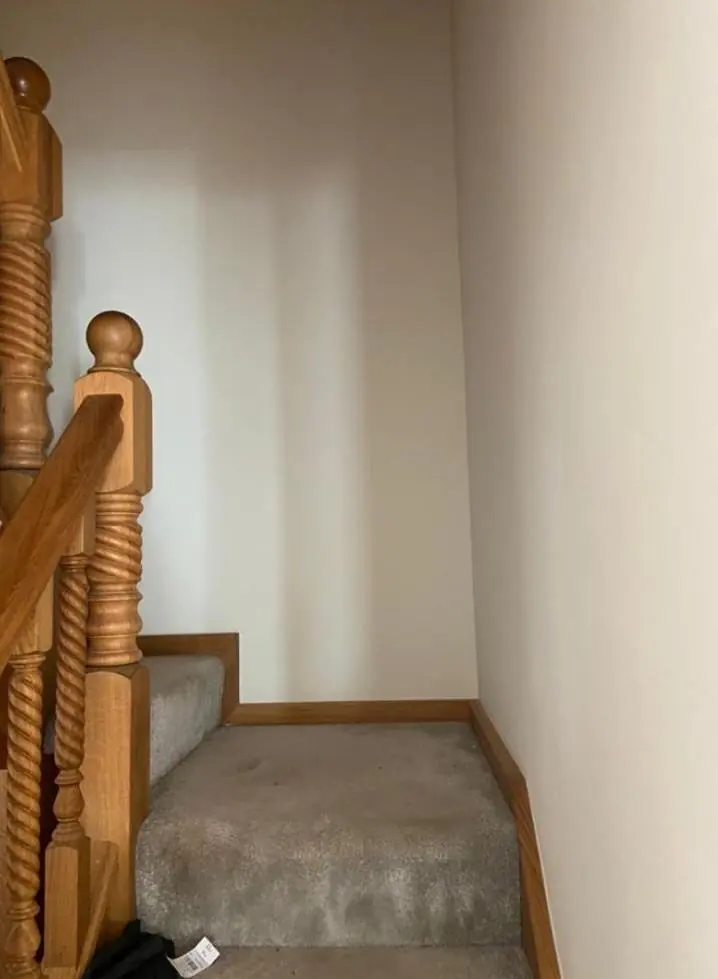
| Hallway, stairs and landing | Roughly £700 to £1,500 | Tall stairwell needing a platform or tower |
| Full interior of a 3-bedroom house | Roughly £3,000 to £6,500 | Woodwork in poor condition, full furniture moves |
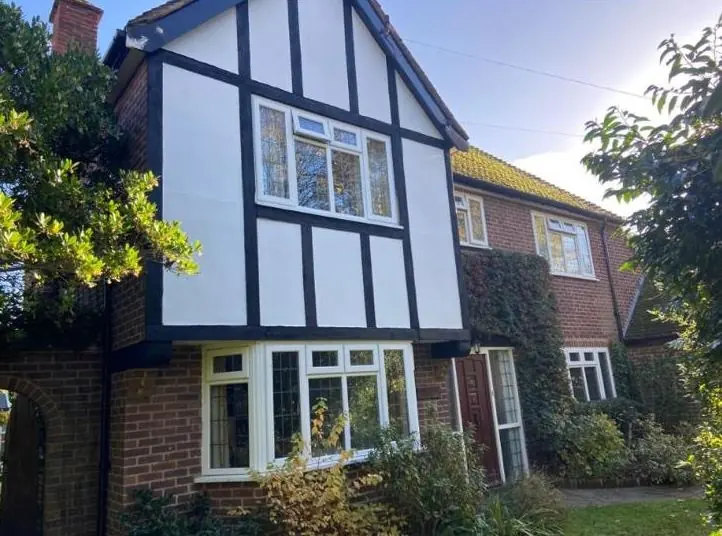
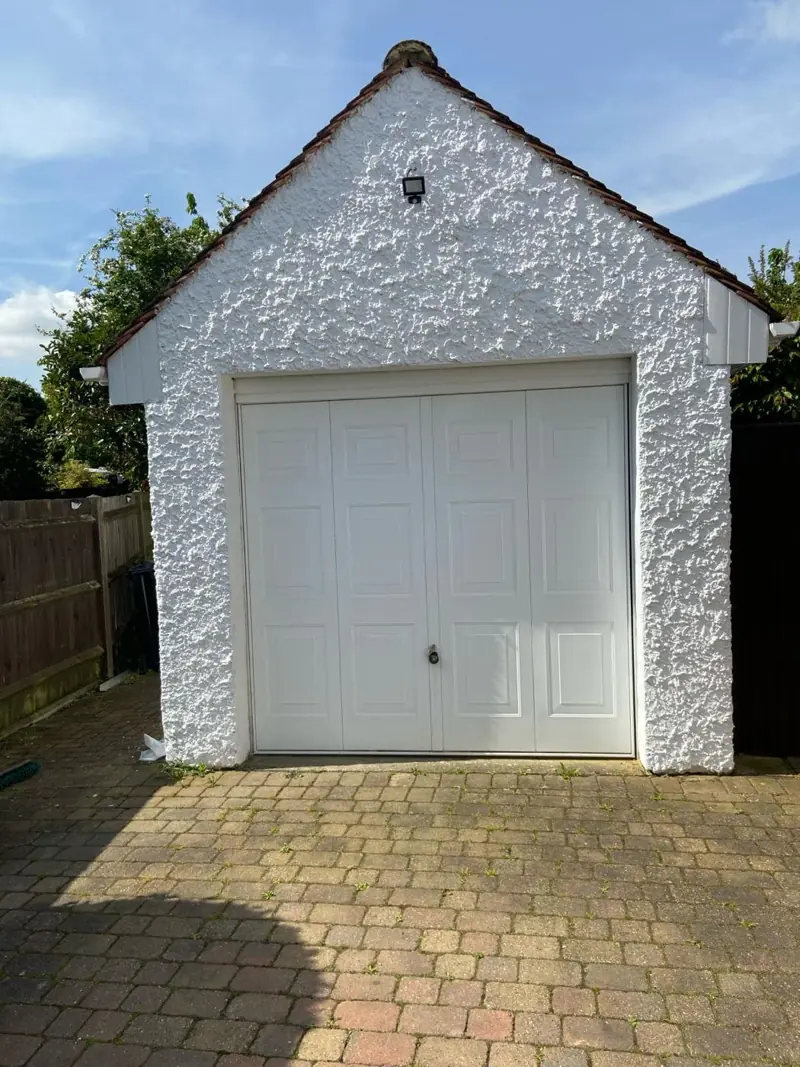
| Exterior of a 3-bedroom semi (walls, fascias, woodwork) | Roughly £1,800 to £4,500 | Scaffold, bare or blown render, lots of joinery |
How much would a painter charge to paint a 12x12 room?
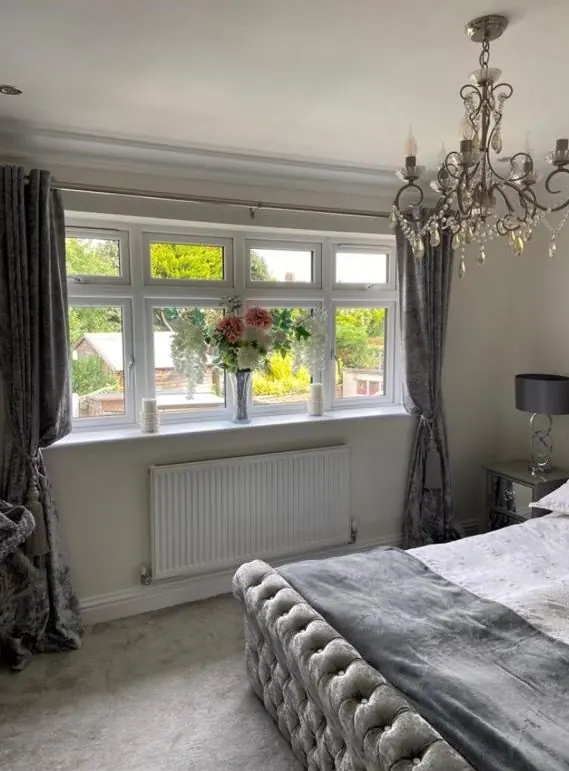
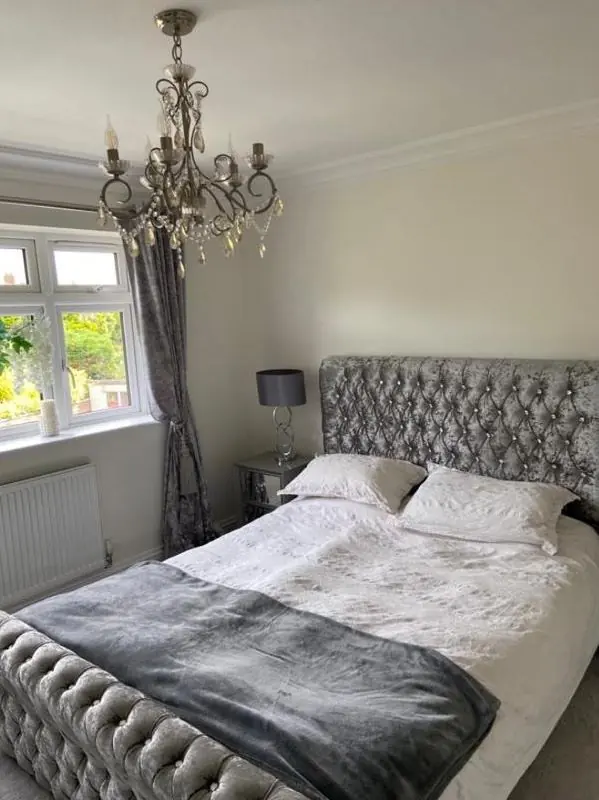
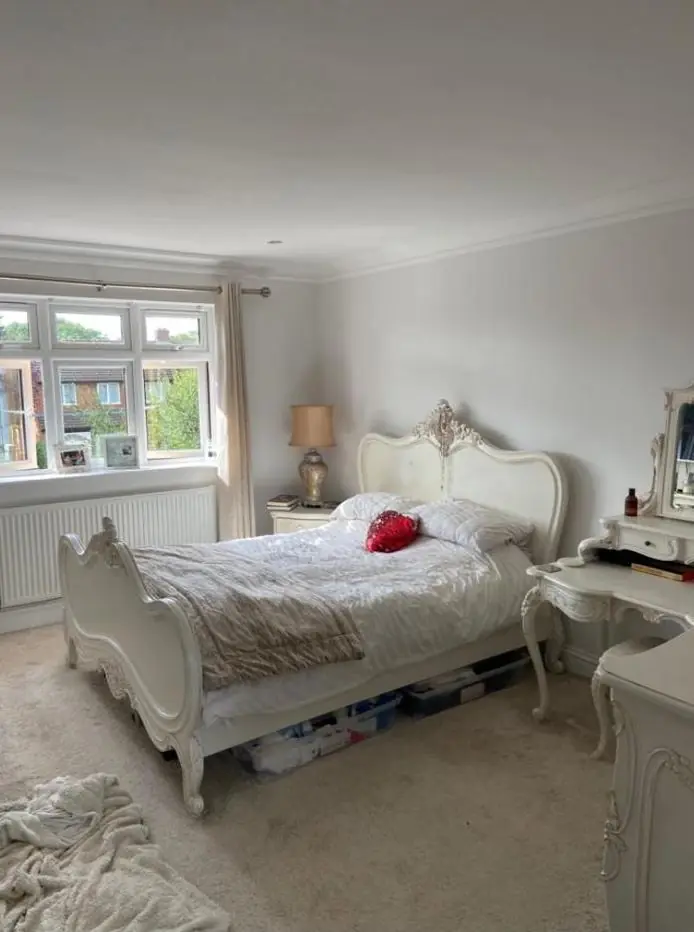
A 12ft x 12ft room is a typical double bedroom. As a rough UK guide, walls and ceiling alone often land somewhere in the region of £300 to £500. Add the skirting, door, frame and window board in satinwood or gloss and it commonly moves towards £450 to £700.
The spread comes from time. A room with sound walls in a similar colour might take a day and a half, while blown plaster and a deep red going to off-white could take three.
How much does it cost to paint a 3 bedroom house in the UK?
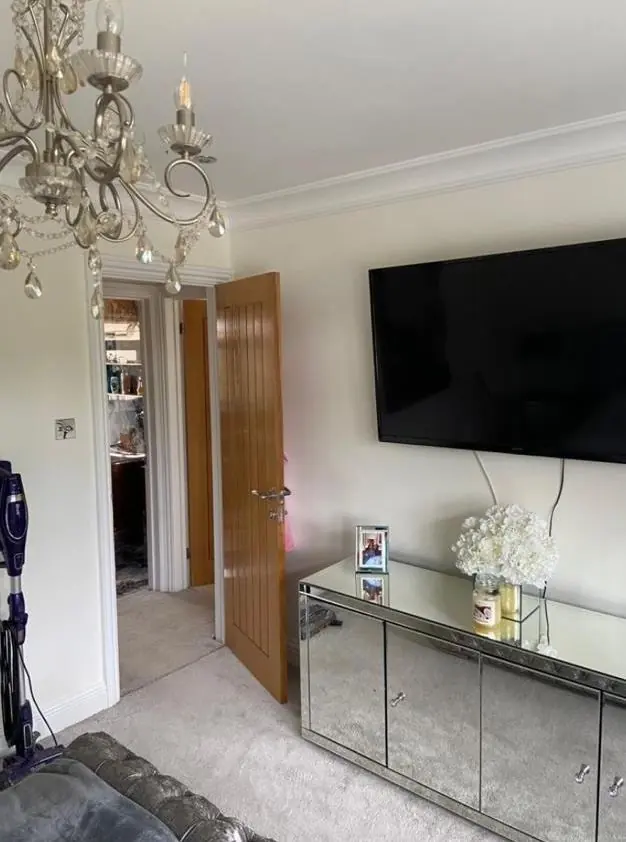
For the inside of a typical 3-bedroom house, including lounge, kitchen, hall, stairs and landing, bathroom and three bedrooms, rough UK guidance puts it somewhere between £3,000 and £6,500. At the lower end you would expect walls and ceilings in reasonable condition. At the upper end, all the woodwork is being rubbed down and repainted and the stairwell needs proper access equipment.
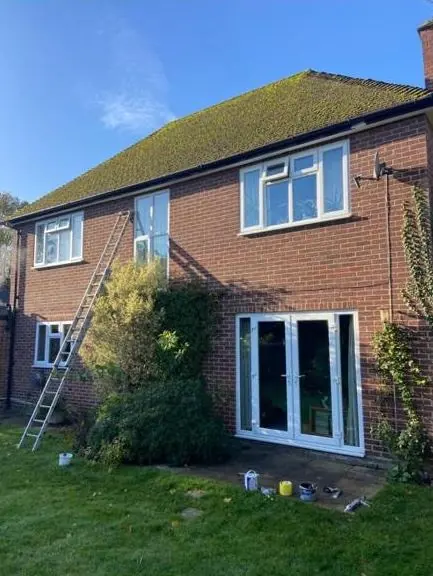
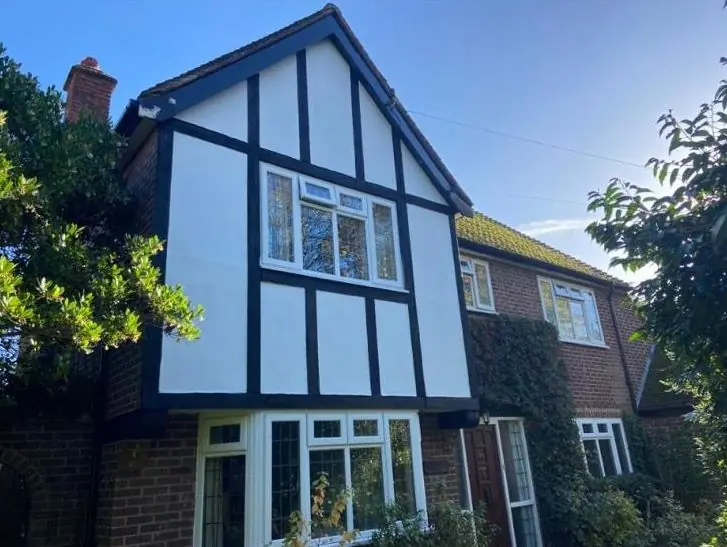
The outside of a 3-bedroom house is a separate question. Painting the render or masonry, fascias, soffits, windows and doors on a semi might typically cost £1,800 to £4,500. If scaffold is required, that is usually a significant extra line. Our exterior painting service page explains how we approach that kind of work.
What drives painter and decorator cost in Northampton
Every quote is really a list of hours. These are the things that add or remove them.
| Factor | Why it affects the price |
|---|---|
| Preparation | Filling cracks, sanding, caulking gaps and spot-priming often take longer than the painting itself. |
| Condition of surfaces | Flaking paint, water stains needing stain block, or bare new plaster needing a mist coat all add steps. |
| Access | Ground floor rooms are quick. Stairwells, high ceilings and three-storey exteriors need towers, platforms or scaffold. |
| Paint quality | Trade paints cost more per tin but cover better and last longer, so you save on repaints. |
| Number of coats | Big colour changes, new plaster and bare timber usually need an extra coat or a primer first. |
| Furniture and contents | Empty rooms are faster. Moving and sheeting furniture around the room takes time on every wall. |
| Ceiling height and detail | Tall Victorian ceilings, coving, dado rails and panelled doors mean more cutting in. |
| Woodwork | Doors, frames, skirting and spindles are slow, careful work compared with rolling a wall. |
Preparation is where the money goes
On most jobs, prep takes up a big share of the time. That means taking down fittings, filling and sanding, washing down greasy kitchen walls, caulking the top of skirting and keying old gloss so new paint grips. It is also the part a cheaper quote tends to skip. Ask any decorator to describe their prep in writing.
Woodwork and staircases take longer than you think
A standard panelled door with frame can take a couple of hours to rub down and paint properly on both sides, and it needs two coats. Hallways with spindles are slower still. If your job includes a lot of joinery, have a look at our doors, skirting and woodwork painting page to see what is involved.
New plaster and extensions
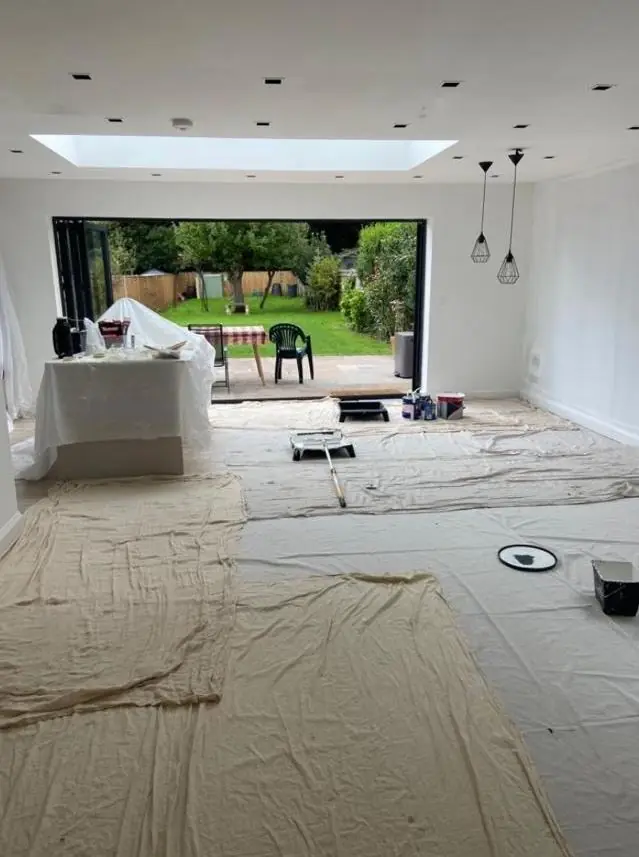
Fresh plaster has to dry out fully before it is painted, then it needs a thinned mist coat so the finish coats bond. It is simple work but it adds a coat, and it is worth doing right because paint on unsealed plaster can peel. We cover this on our new plaster and extension painting page.
Exterior extras
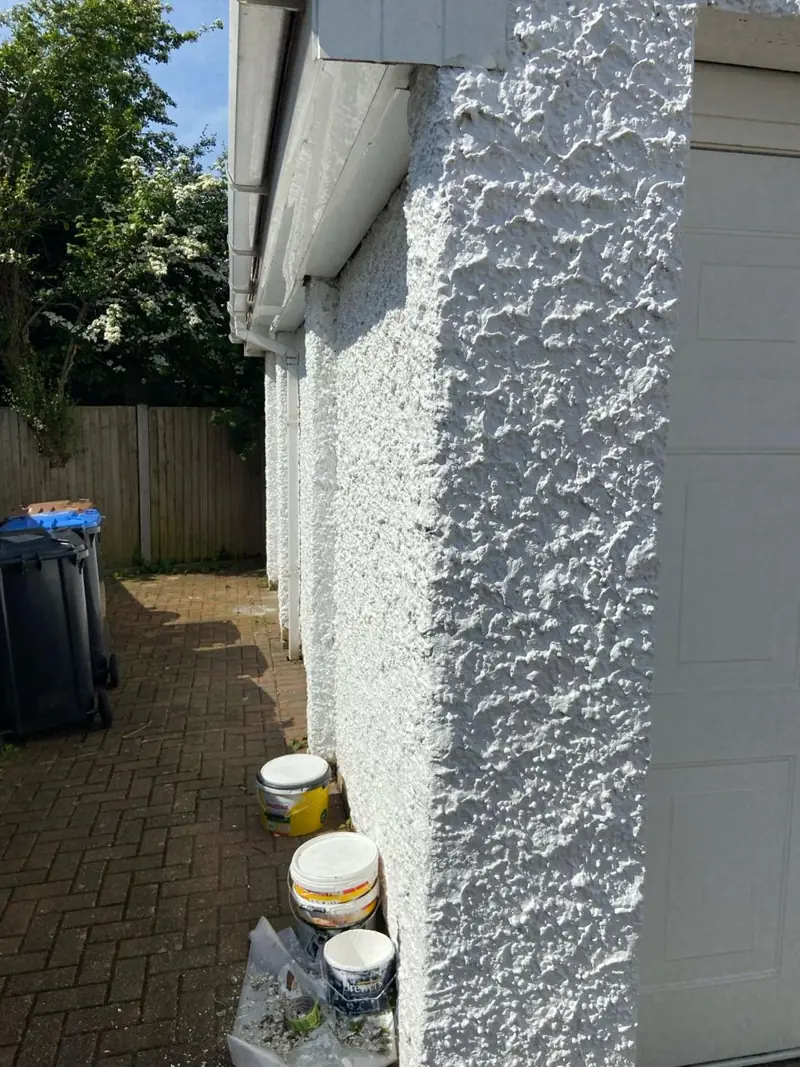
Outside, the big variables are access and surface. Roughcast drinks paint, and chalky render may need a fungicidal wash and stabilising primer first. Our render and masonry painting page explains the process.
How to keep the cost down without cutting corners
- Clear the rooms yourself where you can. Fewer items to move means fewer hours.
- Group the work. Doing the hall, stairs and landing together is usually better value than three separate visits.
- Keep colours similar if you are happy to. Going from magnolia to a soft white needs fewer coats than covering a dark feature wall.
- Be clear about what is included. Ceilings, woodwork, radiators and window frames are often where quotes differ.
Comparing quotes fairly
When you get two or three quotes, line them up against the same list: which rooms, which surfaces, how many coats, which paint brand and finish, what prep, and whether furniture moving and clean-up are included. A quote that looks much cheaper often leaves something out. Our guide on how to choose a painter and decorator has a longer checklist.
How DH Painter & Decorator prices a job
We don’t publish prices, because we would rather be accurate than round a number up to cover every possibility. Dean or one of the team will come and look at the rooms or the outside of the house, talk through what you want, and point out anything that needs attention first. You then get a free written quote that sets out what is included.
With more than 30 years in the trade, we have a good sense of how long things really take, so the quote reflects the real work involved. One customer wrote that “a few extra pieces were also done, without no extra cost”, and another said Dean “did a great job for a good price”.
We cover Northampton and the surrounding towns, including Wellingborough and villages close to town. If you would like a figure for your own home, ask for a free quote and we will arrange a visit.
Call DH Painter & Decorator on 07539 779 036 or email office.dhpainter@gmail.com for a free, no-obligation written quote.