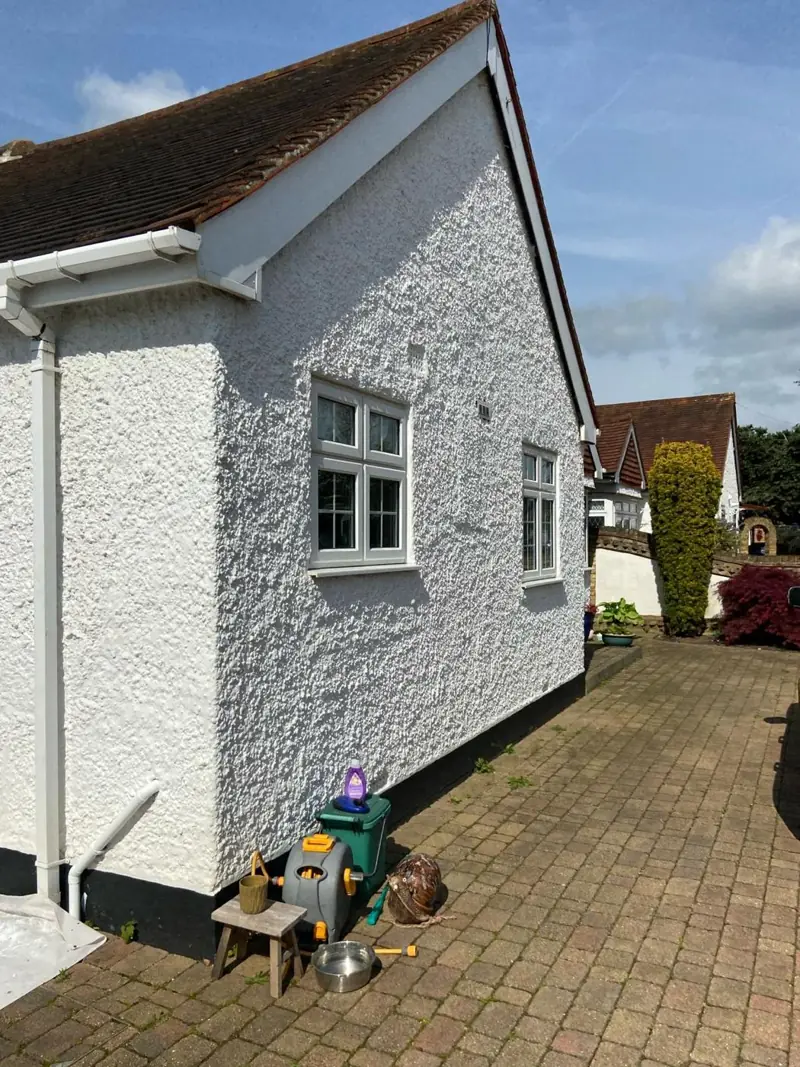
DH Painter & Decorator covers Rushden, the NN10 shoe town next to Higham Ferrers, about 13 miles east of Northampton town centre. Dean, with over 30 years in the trade, paints interiors and exteriors, hangs wallpaper and repaints render, sashes and woodwork for Rushden homes and businesses, starting with a free quote.
Rushden’s red brick and what it means for paint
Rushden is a North Northamptonshire town in the NN10 postcode, beside Higham Ferrers and about 13 miles east of Northampton town centre in a straight line. DH Painter & Decorator covers it from our Northampton base, out along the A45. The town had 31,690 residents at the 2021 census, and most of its older streets went up in one burst. The 2008 conservation area appraisal says Rushden’s historic character was set between 1870 and 1920, when a farming village grew into one of the main centres of Northamptonshire’s boot and shoe trade, with well over 100 factories working by the mid-1900s.
The result is a town of local red brick. Many of the limestone cottages and farmhouses that came before were lost in that rebuild, and their stone often reappears in outbuildings, garden walls and the backs of later houses. Pale yellow brick turns up as trim on factories and pubs, roofs were Welsh slate or clay tile, and windows were timber double-hung sashes. For a decorator, that mix decides most of the work.
Terraces from the shoe-factory years
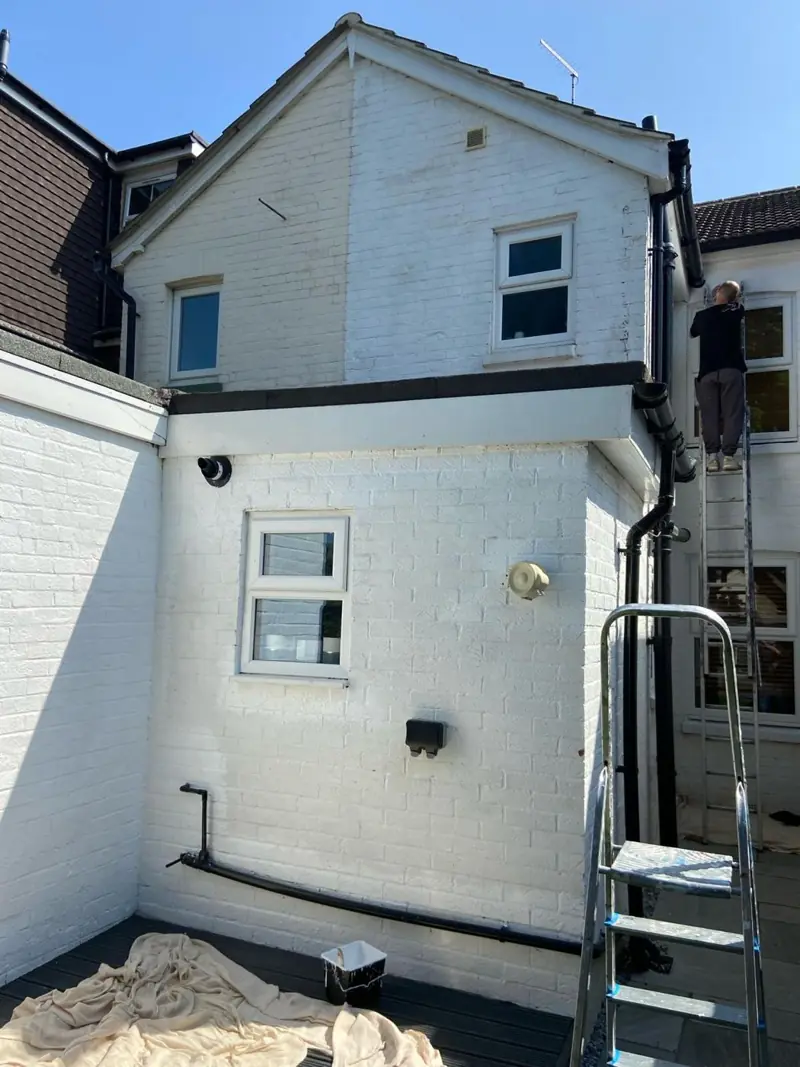
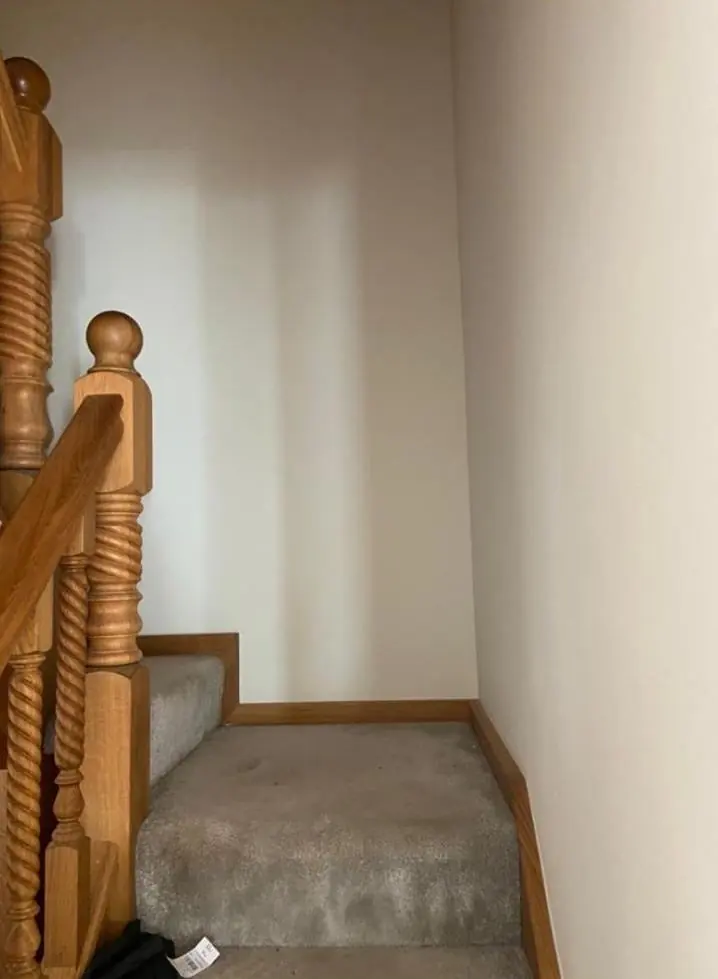
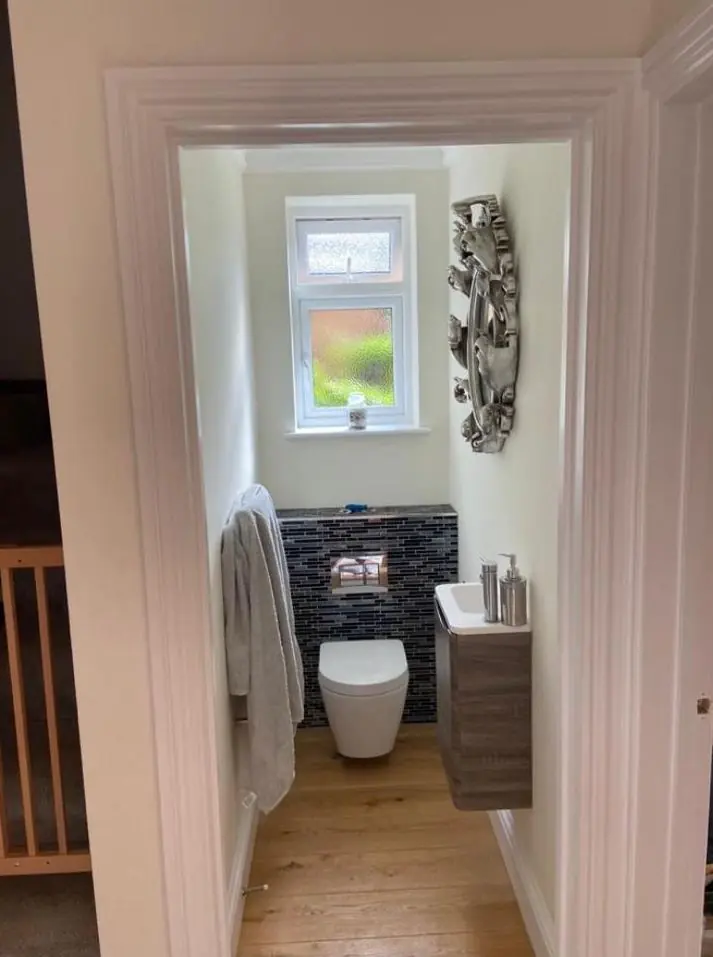
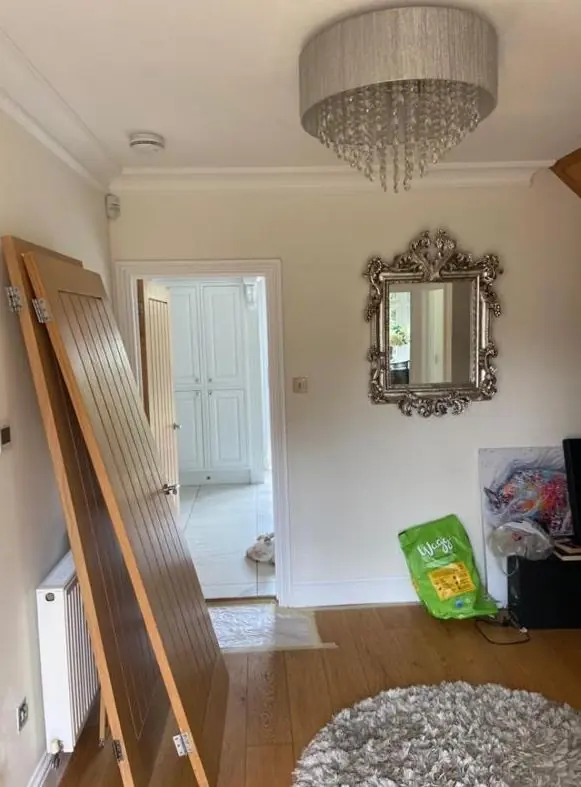
The late Victorian and Edwardian terraces around the centre have tall skirtings, deep architraves and stairs that have taken a century of knocks, with walls patched and re-plastered many times. A clean finish there is mostly preparation: cracks filled and sanded, the joint between woodwork and plaster raked out and re-caulked, bare patches spot-primed, and thick old gloss keyed back so the new paint grips instead of peeling within a year. Our interior decorating service covers rooms, and the woodwork painting page covers doors, frames and skirtings.
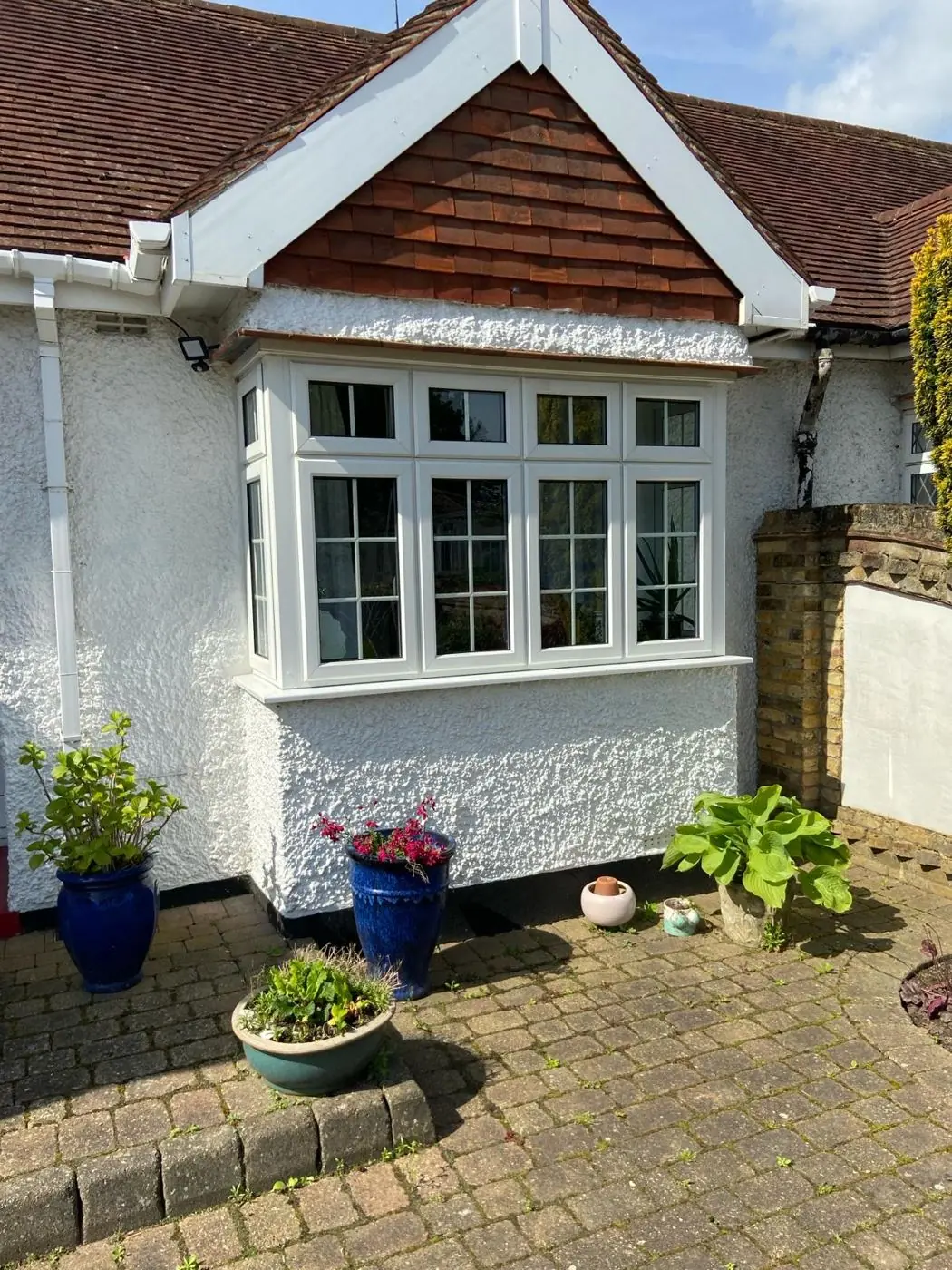
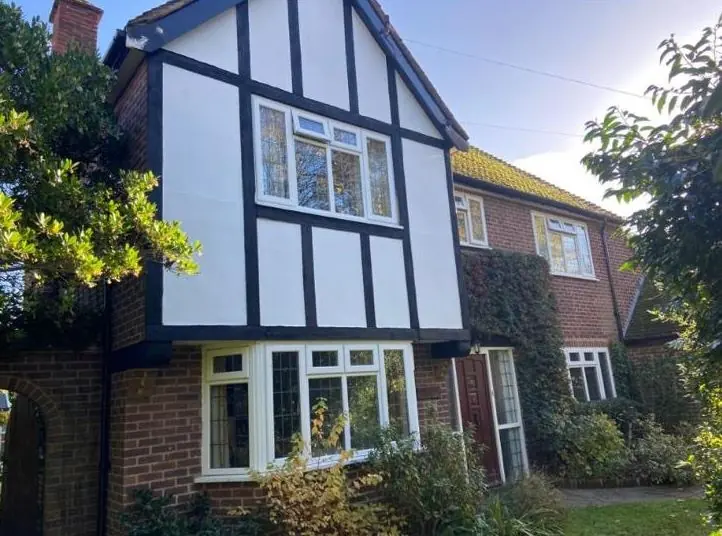
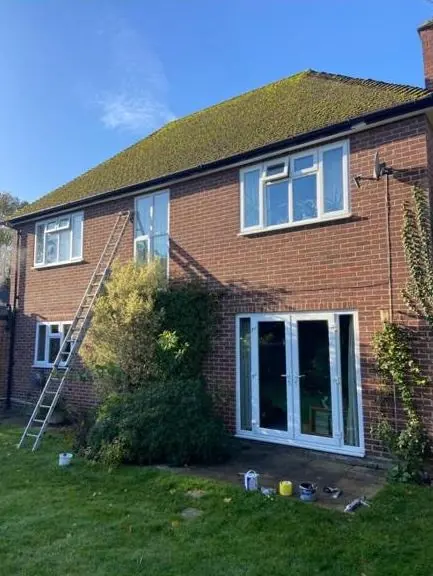
Outside, the brick itself is usually best left alone. The appraisal lists the painting of originally exposed brickwork among the changes that have harmed unlisted buildings, and says High Street has lost its once consistent brick frontages partly that way. Where a front is already painted, it needs a breathable masonry paint over sound preparation, not one more thick coat on flaking layers. Where the brick is bare, the painting is the joinery: sashes, front doors and bay window surrounds, cut in cleanly so no paint lands on the brick or on the stone dressings some of the grander buildings carry.
Sash windows and the 2008 conservation area
East Northamptonshire Council designated the Rushden Conservation Area on 17 March 2008. It takes in the commercial High Street to the north and residential streets to the south, and contains nine listed buildings, among them the Grade I St Mary’s Church, the Methodist Church, 61 Little Street and two Grade II former boot and shoe factories on Crabb Street that the appraisal singles out as important survivals of their type in the county. Rushden Hall, Grade II* and now the town council’s offices, stands just outside the boundary in Hall Park.
The same appraisal notes how many timber sashes and doors have been replaced with uPVC or aluminium. Where yours survive, regular painting is what keeps them working: sashes eased, failed putty cut out and renewed, and paint kept off the runners so the windows still open. North Northamptonshire Council’s list of Article 4 directions includes one for a factory on Windmill Road. For most other houses a colour change is not controlled, but on a listed building or a prominent front in the conservation area it is worth asking the council first.
Render, pebbledash and the later estates
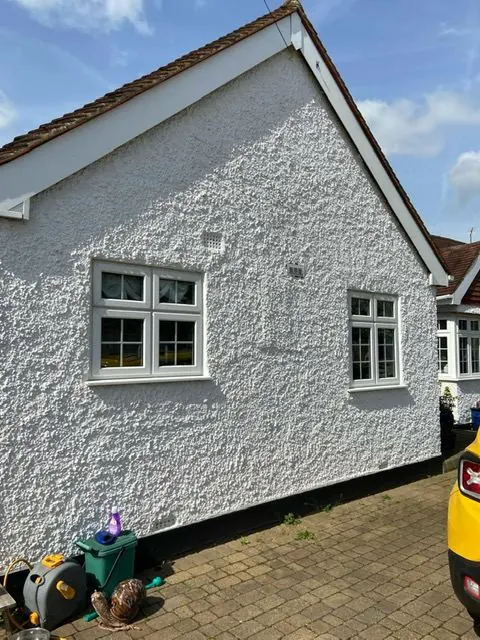
Beyond the Victorian core, plenty of Rushden houses are finished in pebbledash, roughcast or smooth render. Repainting them starts with washing down, a fungicidal treatment where there is green growth, crack repairs and a stabiliser on chalky areas, before the masonry paint is worked well into the texture. Our render and masonry painting page explains the process. On the newer estates towards the edge of town, the jobs are usually scuffed hallways, builder’s magnolia that owners are ready to cover, and fascias or bargeboards that have started to look tired.
Converted factories and High Street premises
Some of the redundant shoe factories have been converted into flats. Those buildings tend to have tall rooms, long walls and big window openings, and their shared halls and stairs usually fall to a managing agent, so we check who is responsible before quoting. On High Street, the appraisal praises the architecture above shopfront level but criticises modern fascias and oversized signage. For a shop or office we plan commercial painting around trading hours, and a traditional colour on a timber fascia sits better against the red brick than a bright one.
Getting to you in Rushden
Rushden is a straightforward run out along the A45 from Northampton, so coming over to quote is no trouble. Dean looks at the job in person, talks through what you want and follows up with a written quote. Outside work is planned around the weather, because masonry paint and exterior woodwork need dry days and temperatures comfortably above freezing, ideally 8 to 10°C or more. Our guide to painting and decorating costs explains what affects a quote. We also cover neighbouring Wellingborough, and everywhere else we travel to is on our areas we serve page.
To arrange a visit, call Dean on 07539 779 036 or ask for a free quote online.
Last updated by Dean, DH Painter & Decorator.