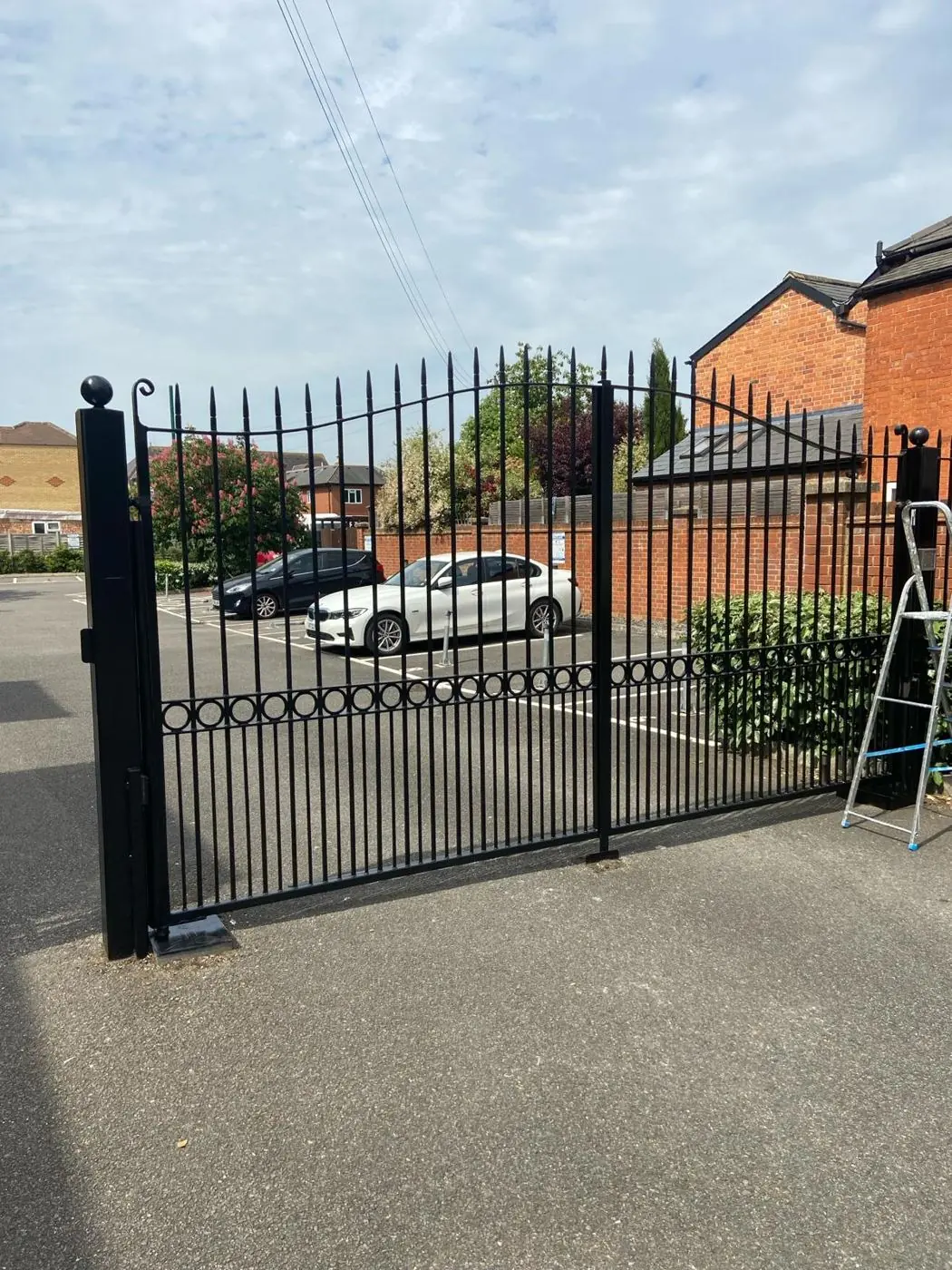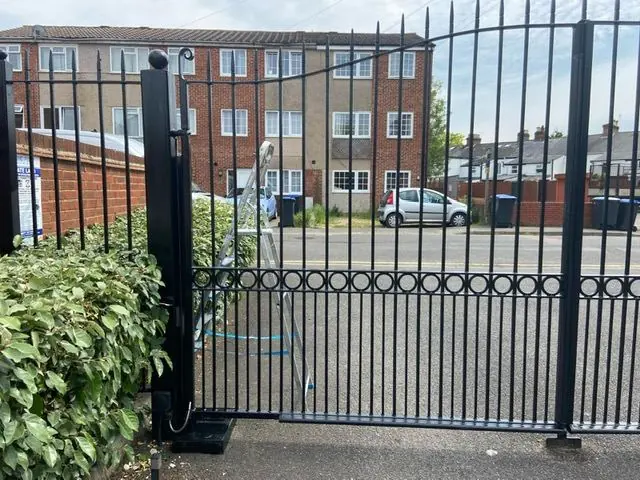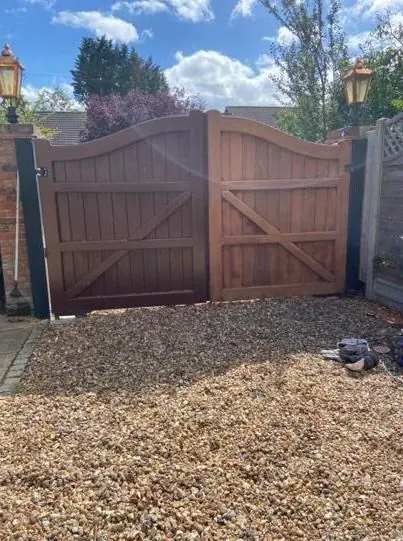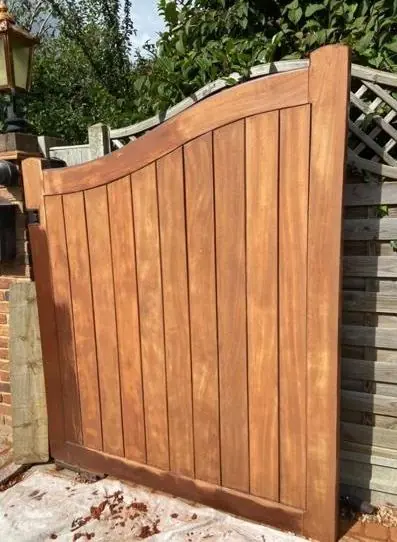
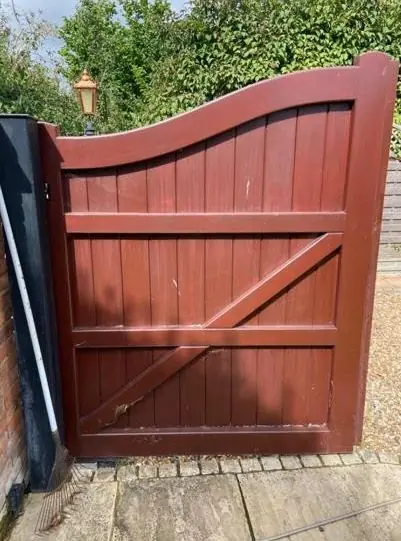
DH Painter & Decorator provides gate and fence staining in Northampton and the surrounding area. Dean and the team restore greyed timber, prepare hardwood gates properly and apply microporous stains or oils matched to the wood and its exposure. We bring over 30 years of experience to every job, and quotes are free.
A good hardwood gate can last for decades, but only if the finish on it is kept up. Left alone, timber turns silver-grey, dries out and opens up at the joints. Our gate and fence staining in Northampton covers driveway and side gates, garden fences, posts and other outdoor timber, with the preparation done properly so the finish soaks in and wears evenly.
Wood staining in Northampton is one of the exterior decorating services Dean is asked for most, often at the same time as windows, doors and render.
What gate and fence staining in Northampton involves
- Checking the timber for rot, loose joints and failing old finishes.
- Cleaning off dirt, algae and grey weathered fibres with a wood cleaner or by sanding.
- Stripping or sanding back any old varnish that is peeling.
- Sealing end grain, especially the bottoms of gates and the tops of posts.
- Two or more coats of stain or oil, brushed in along the grain.
- Protecting paving, walls, plants and ironmongery while we work.
Hardwood gates need a different approach
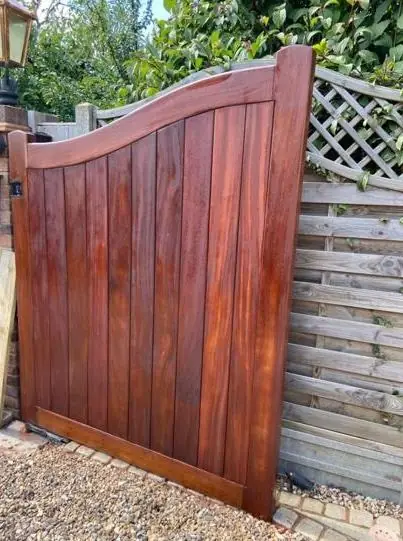
Oak, iroko and similar hardwoods are dense and, in some cases, naturally oily. A finish that suits softwood can sit on the surface of these timbers and never soak in. Depending on the timber and the product, new hardwood may need wiping down with a solvent to lift surface oils, or leaving to weather a little before the first coat. We follow the stain maker’s guidance for the specific wood.
Oak brings another problem. It contains tannins that react with iron and steel, leaving black stains around fixings or where steel wool has been used. We never use steel wool on oak, and we point out any fixings that are already bleeding. Gate hinges, latches and bolts are masked or removed, and if they are rusty they can be treated as part of our metal gate and railing painting.
Microporous stains, oils and varnish
The finish matters as much as the prep. This is how the main options compare outdoors.
| Finish | How it works | Maintenance |
|---|---|---|
| Microporous wood stain | Thin, flexible film that lets moisture out of the timber | Fades rather than flakes. Clean and re-coat, no stripping needed. |
| Exterior wood oil | Soaks into the wood with no surface film, natural look | Needs refreshing more often, but a quick clean and re-oil is easy. |
| Exterior varnish | Hard, clear film sitting on the surface | Looks good at first, then cracks and peels as the wood moves. Needs full stripping. |
For most gates and fences we recommend a quality microporous stain, or an oil where the owner wants a natural look and does not mind a lighter, more frequent maintenance routine. Clear varnish is rarely a good choice on an outdoor gate.
Why timber goes grey
Sunlight breaks down lignin, the natural glue in the surface of the wood. Rain washes it away and leaves loose silver-grey fibres behind. Clear finishes do little to stop this, whereas stains with pigment in them block much more UV, which is why a tinted finish usually outlasts a clear one.
Greyed timber can often be brought back. On hardwood we clean it with a wood reviver or sand back the grey layer to fresh timber, then stain. Bear in mind a stain is translucent, so you can go darker than the current colour but not lighter without stripping back first.
Fences, posts and softwood
Most garden fences are pressure-treated softwood. New treated timber holds a lot of moisture, so it is usually best to let it dry out for a while before staining, following the product guidance. We brush the stain in, working it into the overlaps on lap panels and down the edges of feather-edge boards, and we cover plants and shrubs along the fence line. The other side of a boundary fence is your neighbour’s, so we only stain it with their agreement.
How often gates and fences need re-staining
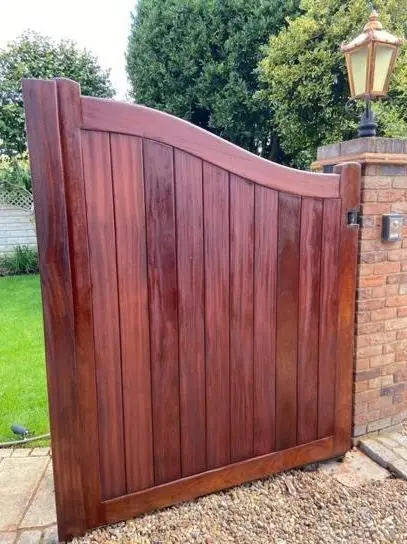
Timing depends on the finish and the exposure. As a rough guide, an oiled hardwood gate often wants a fresh coat every year or two. A good microporous stain on a sheltered gate may go three to five years, less on a south-facing one taking full sun. Check yours every spring. If the colour looks patchy or water no longer beads on the surface, it is time for a maintenance coat, which is far quicker than restoring bare grey timber.
Weather for wood staining
Timber has to be dry right through before it is stained, so we avoid working after rain and on days with heavy dew. Very strong sun is a problem too, because the stain dries too fast and leaves lap marks. Mild, dry, overcast spells in spring, summer and early autumn are ideal.
Where we work
We cover Northampton and the nearby towns and villages, including Earls Barton, Market Harborough and Daventry. If you are searching for wood staining near me and want a decorator in Northampton who understands hardwood, Dean can take a look at your gate or fence. Doors and frames can be done on the same visit through our woodwork painting service.
Call 07539 779 036 or get a free quote for your gates and fences.