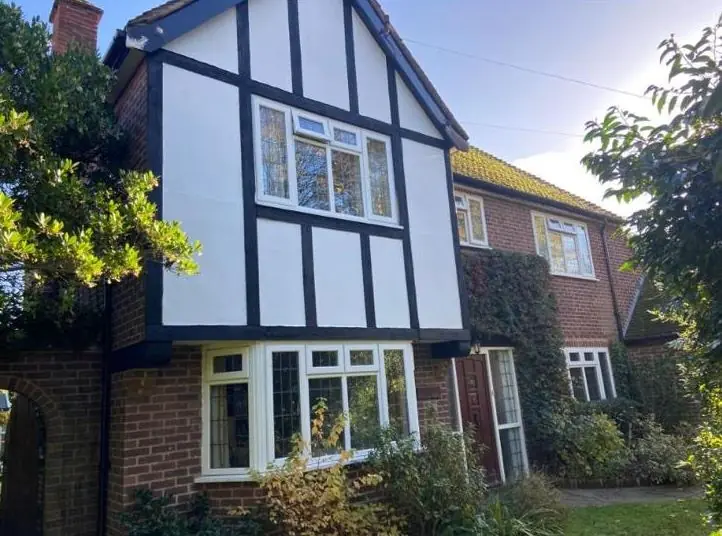
DH Painter & Decorator carries out exterior painting in Northampton and the surrounding area, covering render, roughcast, fascias, soffits, windows, doors, timber and metal gates. With over 30 years of experience, we prepare every surface properly, choose the right paint for it, and work around the weather. Quotes and advice are free.
Exterior painting in Northampton built to handle the weather
Exterior painting in Northampton has one job above looking good: keeping water out. Rain, frost and summer sun work on every painted surface outside your home, and once paint cracks or flakes, moisture gets into render and timber and the damage speeds up. DH Painter & Decorator has been painting the outside of local houses for over 30 years, and our approach is simple. Prepare thoroughly, use the right product for each surface, and only paint when the conditions are right.
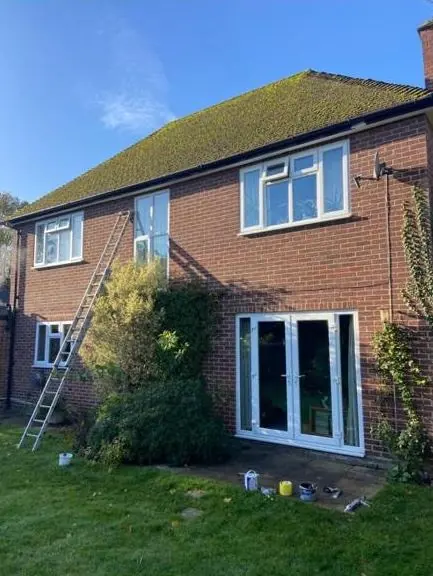
Dean and the team paint detached houses, semis, terraces, bungalows and garages, from the front elevation only through to every surface on the property.
What our exterior painting covers
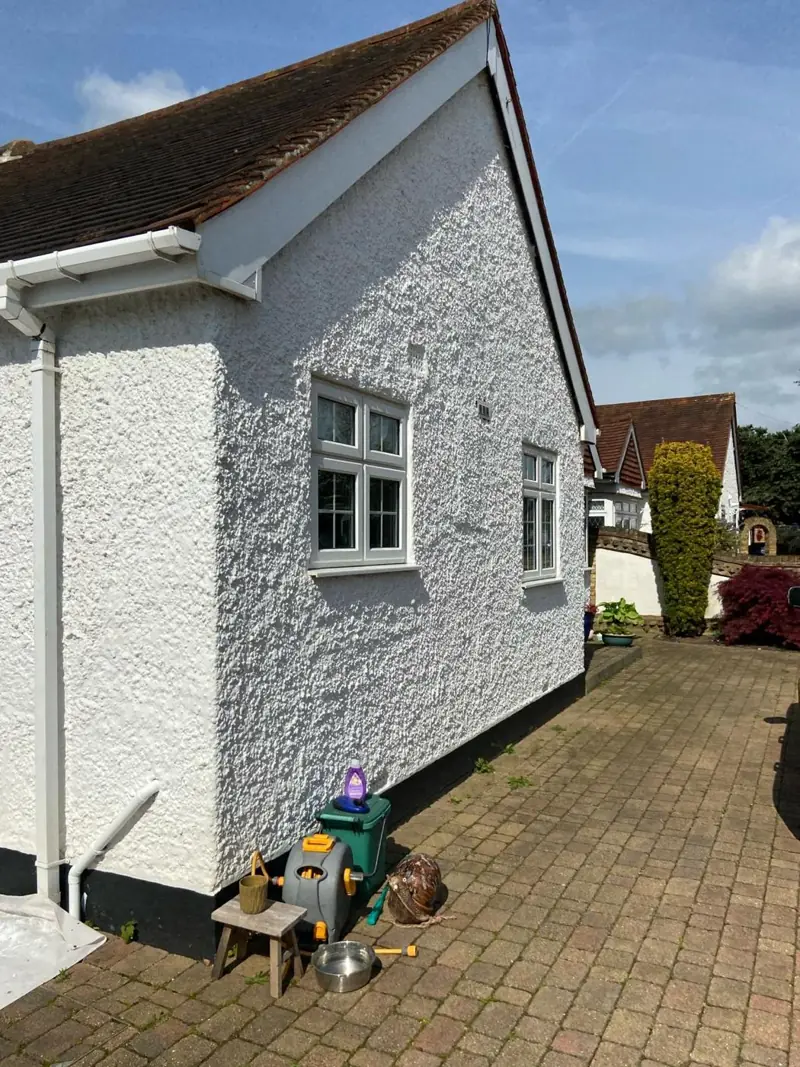
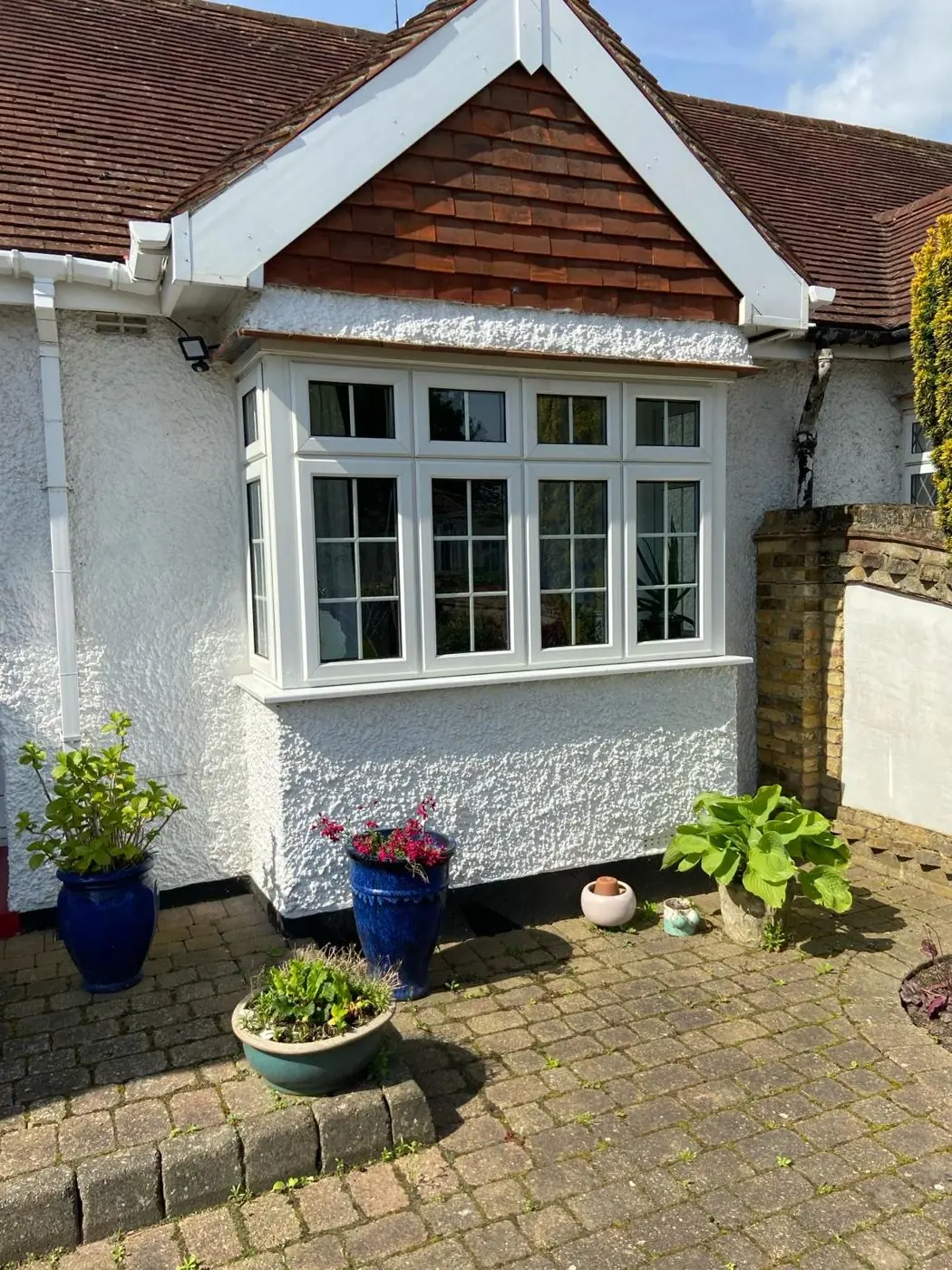
As exterior painters in Northampton, we look after all the painted and stained surfaces on the outside of a house:
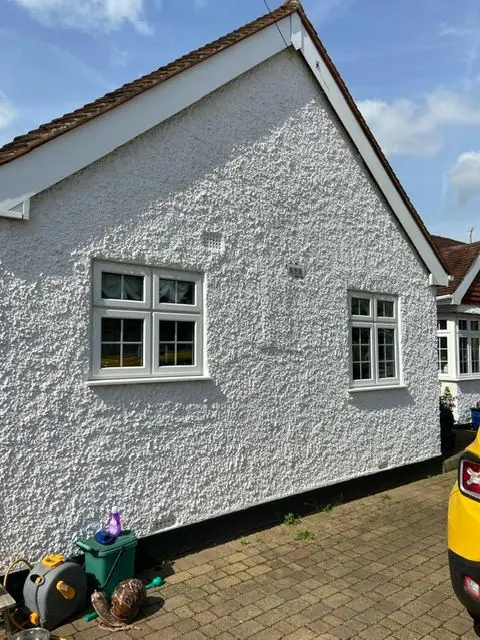
- Smooth render, roughcast, pebbledash and painted brick, using breathable masonry paint (see our render and masonry painting page)
- Fascias, soffits, bargeboards and rainwater pipes, which take the worst of the weather at roof level (more on our fascia and soffit painting service)
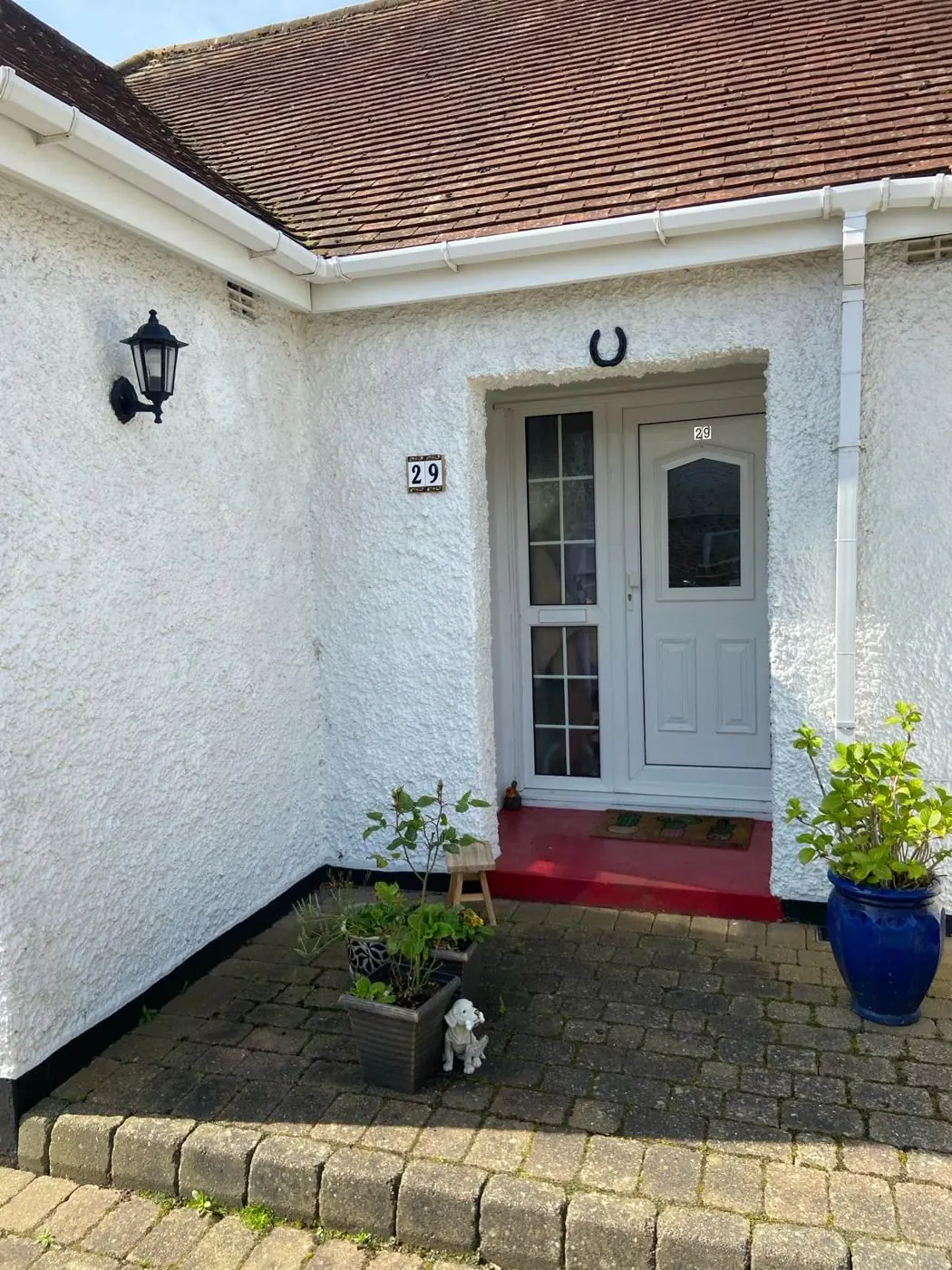
- Timber windows, sills, front and back doors, frames and porches
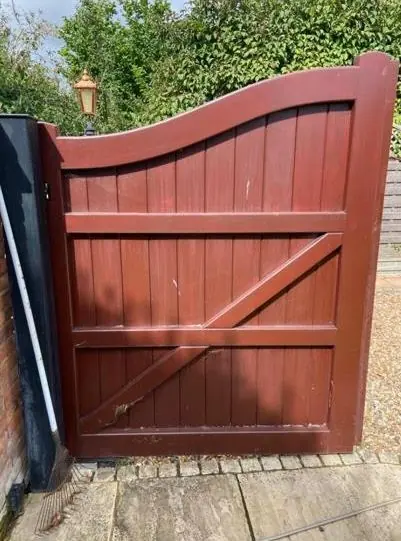
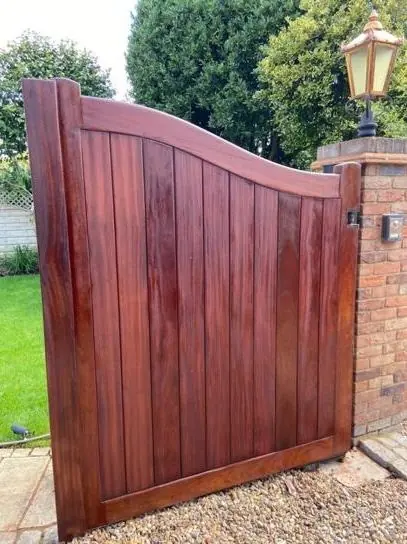
- Timber gates, fences, cladding and exposed beams, stained or painted (see wood staining for gates and fences)
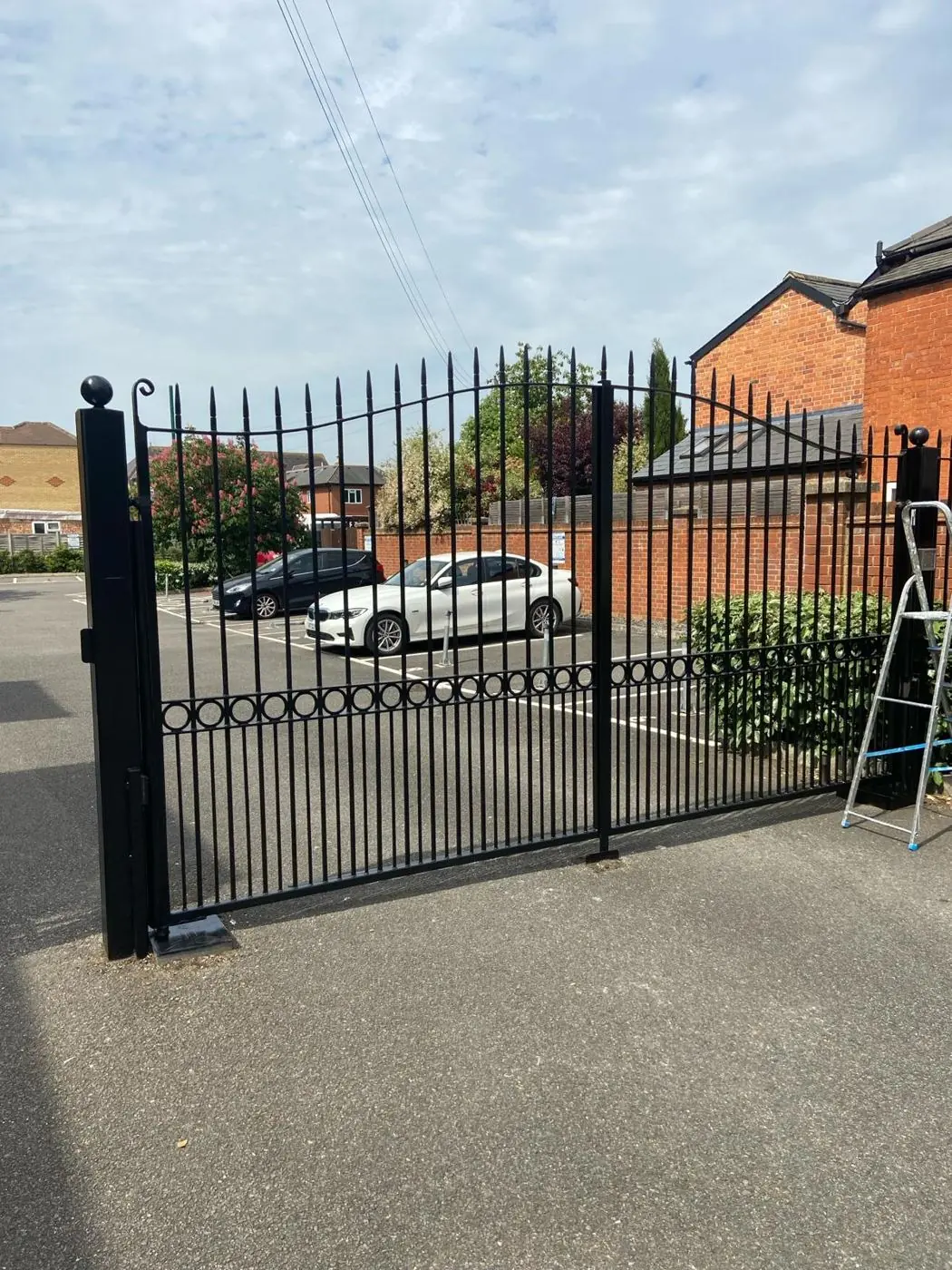
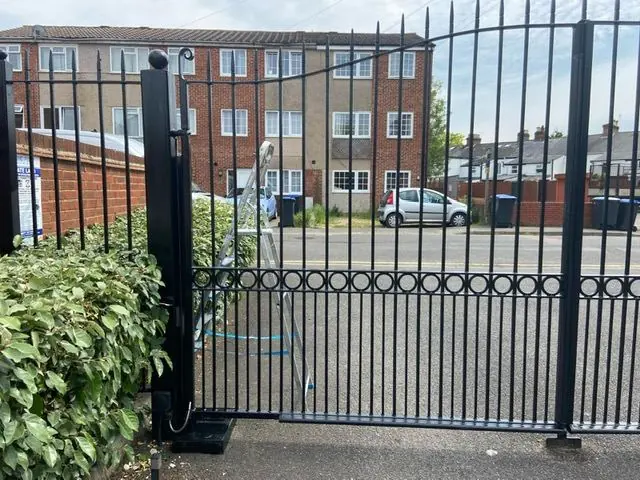
- Black metal gates, railings and handrails, cleaned of rust and repainted (covered on our metal gate and railing painting page)
- Garages, garage doors and outbuildings
Our exterior painting process, step by step
1. Survey and free quote
We walk round the property with you and look closely at the condition of each surface. We check for blown or cracked render, soft or rotten timber, flaking paint, rust on metalwork and green algae on shaded walls. We also work out what access is needed. Most houses can be done safely from ladders and towers, while some need scaffold, and that’s discussed and included in the written quote so there are no surprises later.
2. Protection
Paths, patios, driveways, plants and cars near the work area are covered with dust sheets and masking. Windows, door furniture, lights and alarm boxes are masked or removed, and we keep an eye on the weather so nothing freshly painted gets caught by a shower.
3. Preparation
Render and masonry are brushed down and treated with a fungicidal wash where there’s algae or mould, then left to dry. Loose and flaking paint is scraped back, cracks in render are raked out and filled, and powdery surfaces are sealed with a masonry stabiliser so the new coats bond instead of peeling. On timber, we scrape and sand back failing paint, cut out and fill small areas of rot, and fill open joints. Metalwork is wire-brushed to remove loose rust.
4. Priming
Bare timber gets a suitable primer or primer-undercoat, and any bare metal gets a rust-inhibiting primer. Knots in new wood are sealed so resin doesn’t bleed through. Filled areas of render are spot-primed so they match the rest of the wall once finished.
5. Finish coats
Masonry normally gets two coats of good-quality masonry paint, worked well into the texture on roughcast. Woodwork gets undercoat and top coat, or two coats of an exterior system designed for timber. Stained timber gets coats of a microporous wood stain, which lets moisture escape from the wood rather than trapping it under a film.
6. Final checks and clean-up
We inspect every elevation, touch in any misses, remove all masking and clear away sheets and debris. Paths and drives are left as we found them, minus the old paint flakes.
Materials for each surface
Using the right product outside matters even more than it does indoors. Here’s what we typically use and why:
| Surface | Typical product | Key prep |
|---|---|---|
| Smooth render and roughcast | Breathable masonry paint, smooth or textured | Fungicidal wash, crack repair, stabiliser on chalky areas |
| Fascias, soffits, bargeboards | Exterior gloss or satin system on timber; suitable coating on uPVC | Scrape, sand, prime bare wood |
| Windows and doors | Exterior undercoat and gloss, or water-based exterior satin | Sand, fill, prime, check putty and joints |
| Timber gates, fences, cladding | Microporous wood stain or exterior paint | Clean, sand, remove old failing coatings |
| Metal gates and railings | Metal primer and exterior metal paint | Wire-brush rust, degrease, spot-prime |
| Cast iron or plastic rainwater pipes | Metal paint, or a primer suited to plastic | Clean, key and prime |
Weather windows and the best time to paint
British weather is the biggest factor in any exterior job. Most exterior paints need surface and air temperatures above roughly 8 to 10°C while they dry, and they don’t like rain, dew or frost before they’ve set. In practice, the main painting season runs from around late spring to early autumn, though a dry spell outside those months can still work for smaller jobs.
Even in summer we start once morning dew has lifted and stop early enough for paint to firm up before evening damp sets in. We also avoid painting a south-facing wall in full midday sun, which can make paint dry too fast. Our guide on the best time for exterior painting in the UK goes into this in more detail.
Exterior problems we fix
- Flaking, peeling masonry paint, often caused by a non-breathable coating or no stabiliser on a chalky wall
- Green algae and black mould on north-facing and shaded walls
- Hairline and larger cracks in render
- Bare, grey timber on fascias, windows and gates where paint or stain has worn through
- Rust bubbling through on metal gates and railings
- Faded, patchy front doors and garage doors
How long exterior painting takes
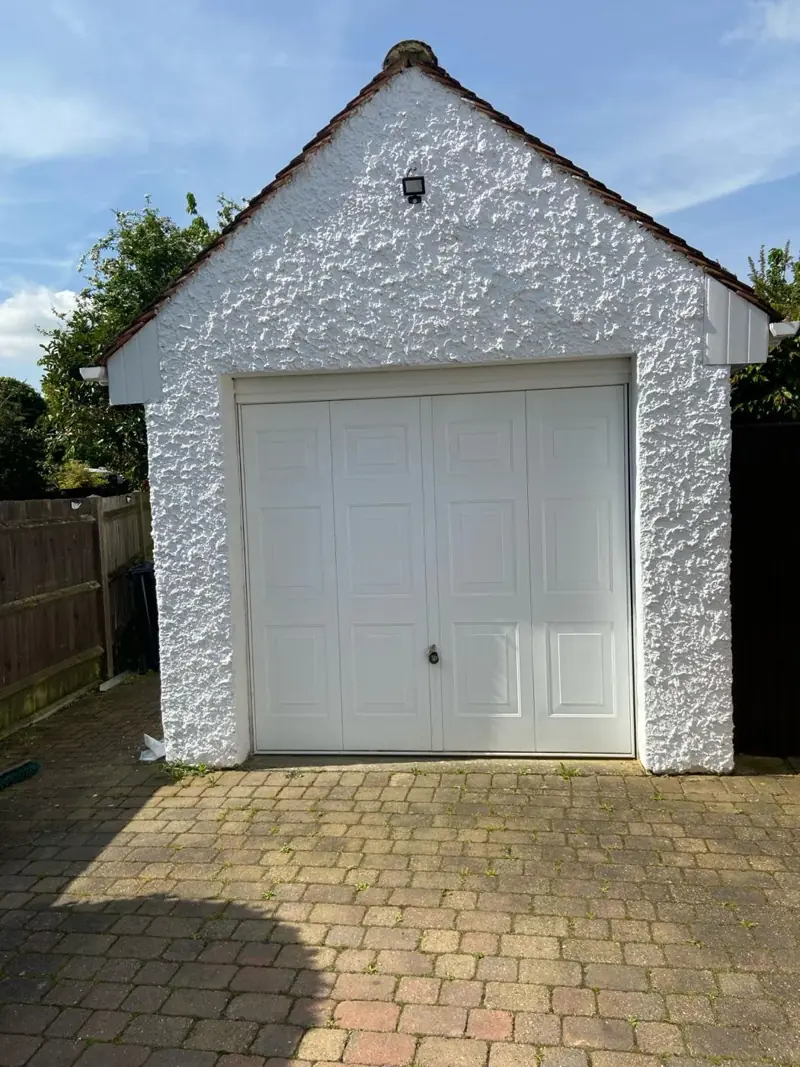
A typical house exterior takes around a week, but it depends heavily on size, access, the amount of repair work and, of course, the weather. A garage or a set of gates might take a day or two. We’ll give you an honest estimate with the quote, and we’ll keep you updated if rain holds things up.
How to prepare for your exterior job
- Clear pots, bins, bikes and garden furniture away from the walls
- Cut back climbing plants and shrubs touching the walls
- Move cars off the drive during working hours if the fascias or front wall are being done
- Let neighbours know if ladders or towers will be near a shared boundary
- Keep windows closed on the elevations being painted
Why homeowners choose DH Painter as their house painters in Northampton
With over 30 years of experience, a handpicked team of skilled craftsmen and full insurance, we take on exterior work with the right equipment and the patience to wait for the weather. We give free quotes and advice, and you can read our customer reviews. One customer wrote:
“Exterior decorating including fascias and soffits, rainwater pipes, stained timbers and white render prepared and decorated to a good finish, despite the intervention of storm Ciaran in the middle of the project. Dean worked quietly and tidily, using good-quality materials and appropriate access equipment.”
Another, whose house is fully roughcast, said: “He has done a fantastic job; the house is looking brand new.”
Areas we cover for exterior painting
We cover the whole of Northampton, including older brick terraces, 1960s and 70s estates with rendered and pebbledashed walls, and newer developments where fascias and doors start to need attention after a few years. We also regularly work in villages and towns around the town, such as Brixworth, Towcester and Earls Barton. If you’re looking for exterior painters near me in Northamptonshire, it’s worth a call to check we cover your road.
Get a free exterior painting quote
If the outside of your home is looking tired, call Dean on 07539 779 036 or request your free quote. We’ll look at every surface, explain what it needs and give you a clear written price for exterior painting in Northampton.