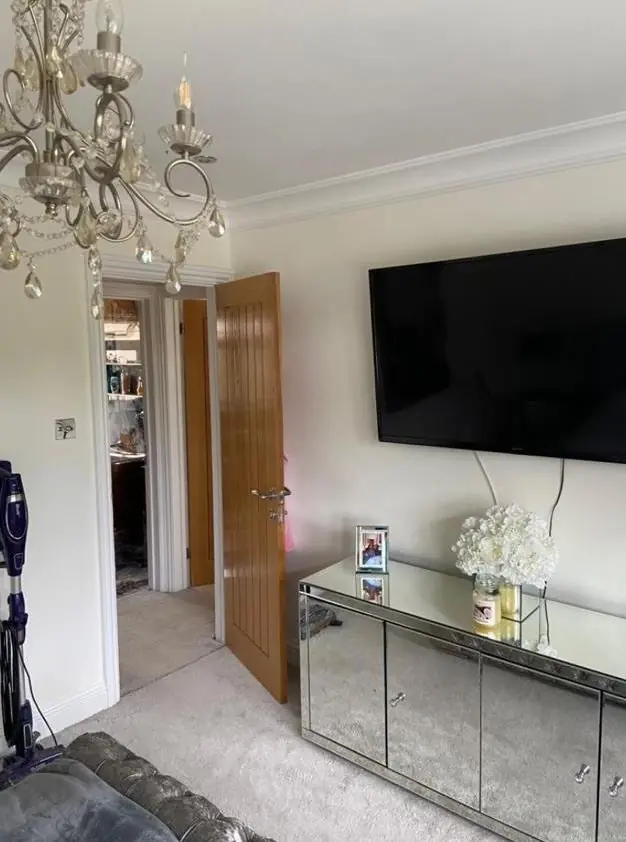
DH Painter & Decorator provides decorative finishes in Northampton and nearby towns, including faux finishes, feature walls and intricate detailing on cornicing, panelling, ceiling roses and mouldings. Dean and the team bring over 30 years of decorating experience, plan each effect around the room and its light, and give free quotes and honest advice.
Decorative finishes in Northampton, done by hand
Flat emulsion on every wall is the right answer for most rooms. Sometimes, though, a room needs a focal point, a period feature deserves picking out, or a plain wall would suit a hand-applied effect. That’s where decorative finishes in Northampton come in, and it is work that rewards patience and a steady hand more than anything else.
DH Painter & Decorator has been decorating homes for over 30 years. Decorative work sits alongside our everyday interior painting, so the same careful prep goes underneath every effect. A finish is only ever as good as the wall it sits on.
What we mean by decorative finishes
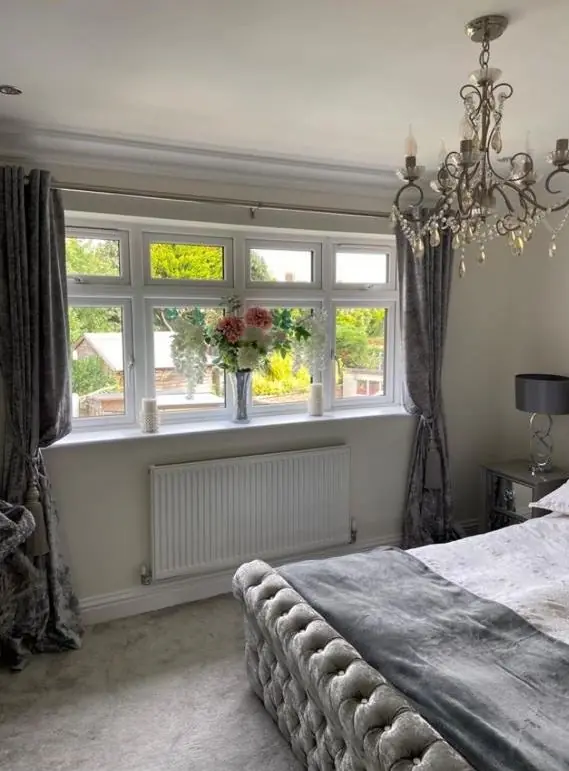
The term covers a wide range, so it helps to be clear about the kind of work we take on:
- Faux finishes: hand-applied paint effects that add depth or imitate another material, built up in layers with glazes, brushes and cloths.
- Feature walls: a single wall given a stronger colour, a two-tone split, a paint effect or a statement wallpaper.
- Intricate detailing: picking out cornicing, ceiling roses, dado and picture rails, panel mouldings and fireplace surrounds in a contrast colour or sheen.
- Painted panelling: finishing new or existing wall panelling so joints, pins and mitres disappear.
We’ll always tell you honestly whether an effect suits the room. Some finishes that look striking in a magazine feel busy in a small space, and we’d rather talk you out of something than leave you living with it.
Feature walls that look intended
A feature wall works when it has a reason to be there. The chimney breast in a Victorian terrace, the wall behind a bed, or the end wall of an open-plan space that needs anchoring are all good candidates. A random wall picked because it was easiest to reach rarely looks right.
Two-tone walls are popular at the moment, with a deeper colour on the lower third or half and a lighter colour above. The line has to be dead level and crisp, which means careful measuring, a laser or spirit level, and good-quality masking tape pressed down and sealed so paint can’t creep underneath. We usually cut the line in by hand where the surface is uneven, because tape alone can’t follow a wavy old plaster wall cleanly.
If you’d prefer pattern to paint, a feature wall of wallpaper is often the better choice. Our wallpaper hanging covers everything from standard papers to heavier designer and vinyl papers where pattern matching matters.
Faux finishes and hand-applied effects
Faux finishes are built in thin layers. A base coat goes on first and is left to dry fully, then a tinted glaze is applied and worked with brushes, cloths or specialist tools while it is still open. Glazes give you a limited working time, so larger walls are done in manageable sections with wet edges kept alive to avoid lap marks.
Preparation is stricter than for flat emulsion. Any filler patch, dent or ridge of old paint will show through a glaze effect, especially under raking light from a window. We fill, sand and spot-prime until the wall is sound and even before the base coat goes on. On a new decorative scheme we’ll usually test a sample board first, so you can see the effect in your own light and approve the colour and texture before we start on the wall.
Intricate detailing on period features
Northampton’s Victorian and Edwardian houses often still have their original plaster cornices, ceiling roses and picture rails. Years of emulsion build-up can clog the fine detail, so we assess whether a light clean and repaint will do or whether the worst clogged areas need careful attention before painting.
Picking out detail is slow, precise work. A contrast colour on a cornice needs to stop exactly on the right edge of each moulding profile, all the way round the room. We use good-quality fine brushes, steady cutting in and, where appropriate, a slight change in sheen rather than colour for a subtler result. Ceiling roses might have three or four colours on one fitting, each needing its own coat and drying time.
| Feature | Common approach | Typical finish |
|---|---|---|
| Cornice or coving | Match ceiling, or pick out one profile | Matt or flat matt |
| Ceiling rose | Single colour, or detail picked out | Flat matt |
| Picture or dado rail | Match woodwork, or contrast with wall | Satinwood or eggshell |
| Wall panelling | One colour for panels and moulding | Eggshell or durable matt |
| Fireplace surround | Contrast with chimney breast | Eggshell or satinwood |
Wall panelling and moulding
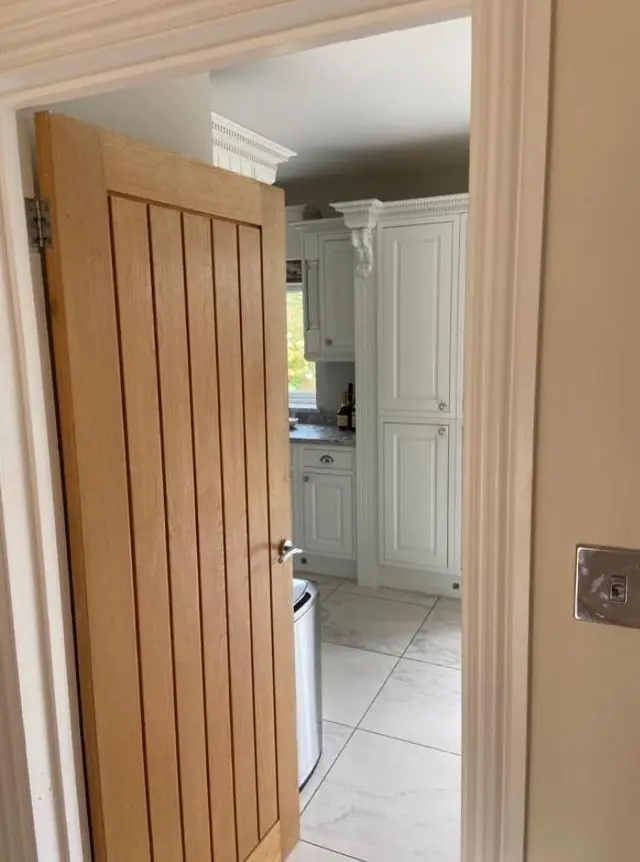
Panelling, whether full-height shaker style or applied box moulding, has become one of the most requested jobs in hallways, bedrooms and dining rooms. The painting is where it succeeds or fails. Every pin hole is filled, every joint and the edge where moulding meets wall is run with decorator’s caulk, and bare MDF edges are sealed so they don’t soak up paint and go furry. Painting panels and walls in one colour, often called colour drenching, gives a calm, tailored look. For hallways, it pairs well with our hallway, stairs and landing decorating.
Planning colours for decorative work
Decorative finishes lean heavily on colour choice. A glaze effect changes character depending on the base colour, and a feature wall has to sit comfortably with the rest of the room. If you’re unsure where to start, our colour consultation covers light direction, undertones and sheen before any decorative work begins.
Decorators for feature work around Northampton
We regularly work in Northampton and the towns and villages around it, from Towcester to Market Harborough. If you’ve been searching for decorators near me who will take the time over detail, Dean is happy to visit, look at the room and give honest advice on what will work.
For decorative finishes or feature walls, call 07539 779 036 or ask for a free quote and we’ll arrange a visit.