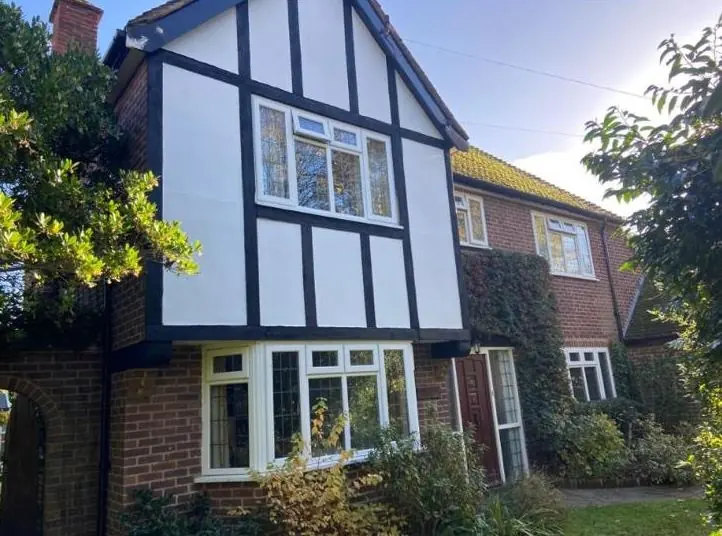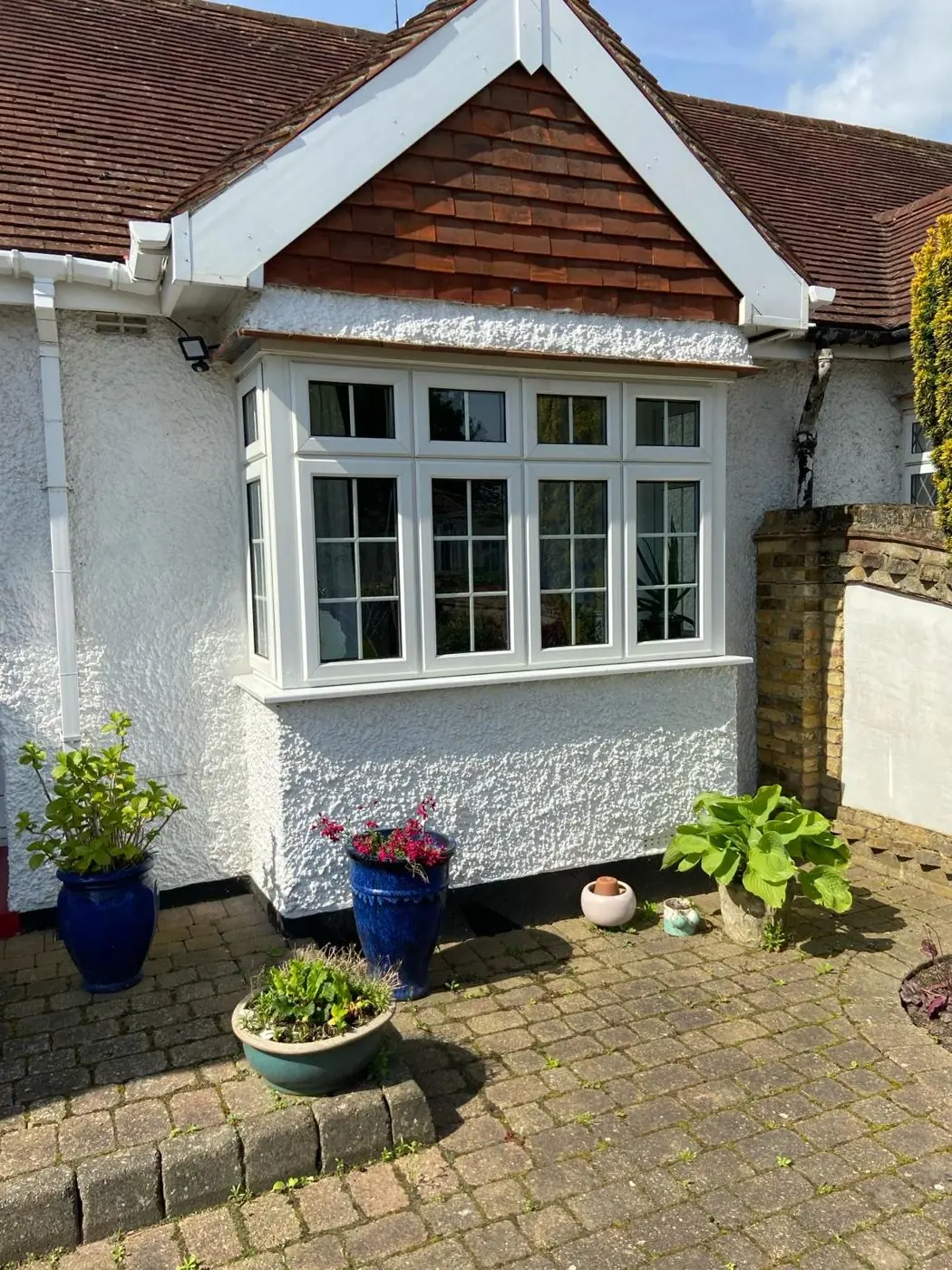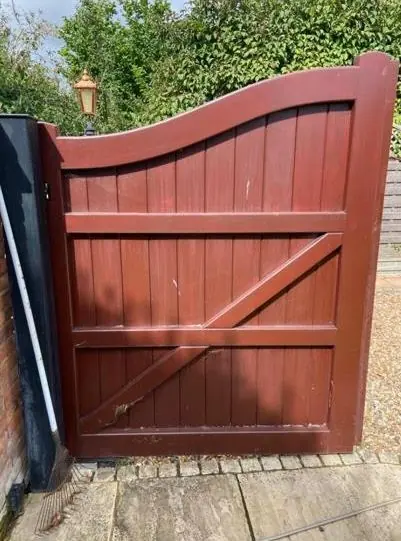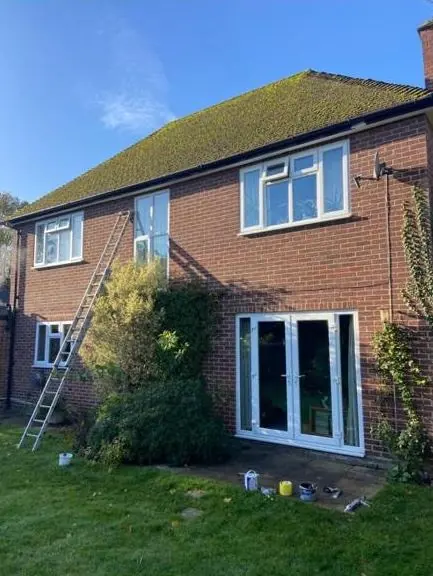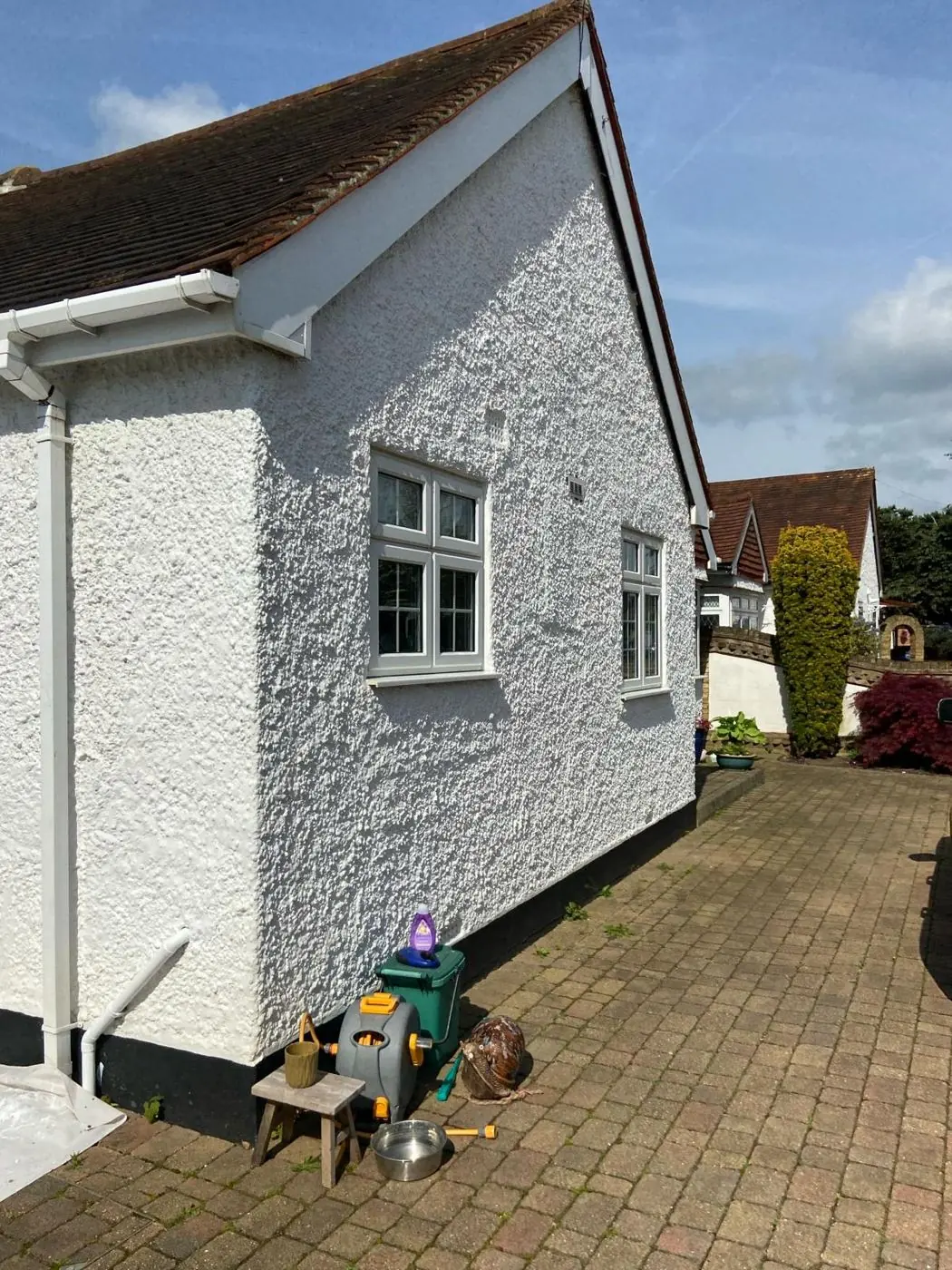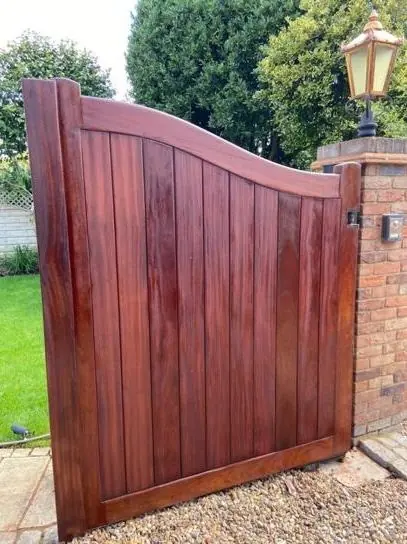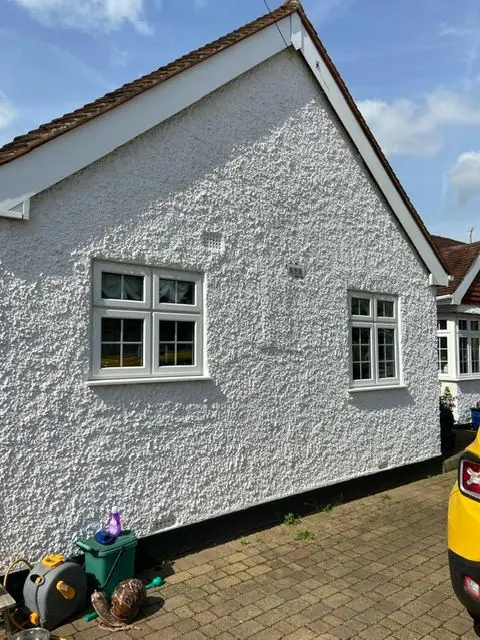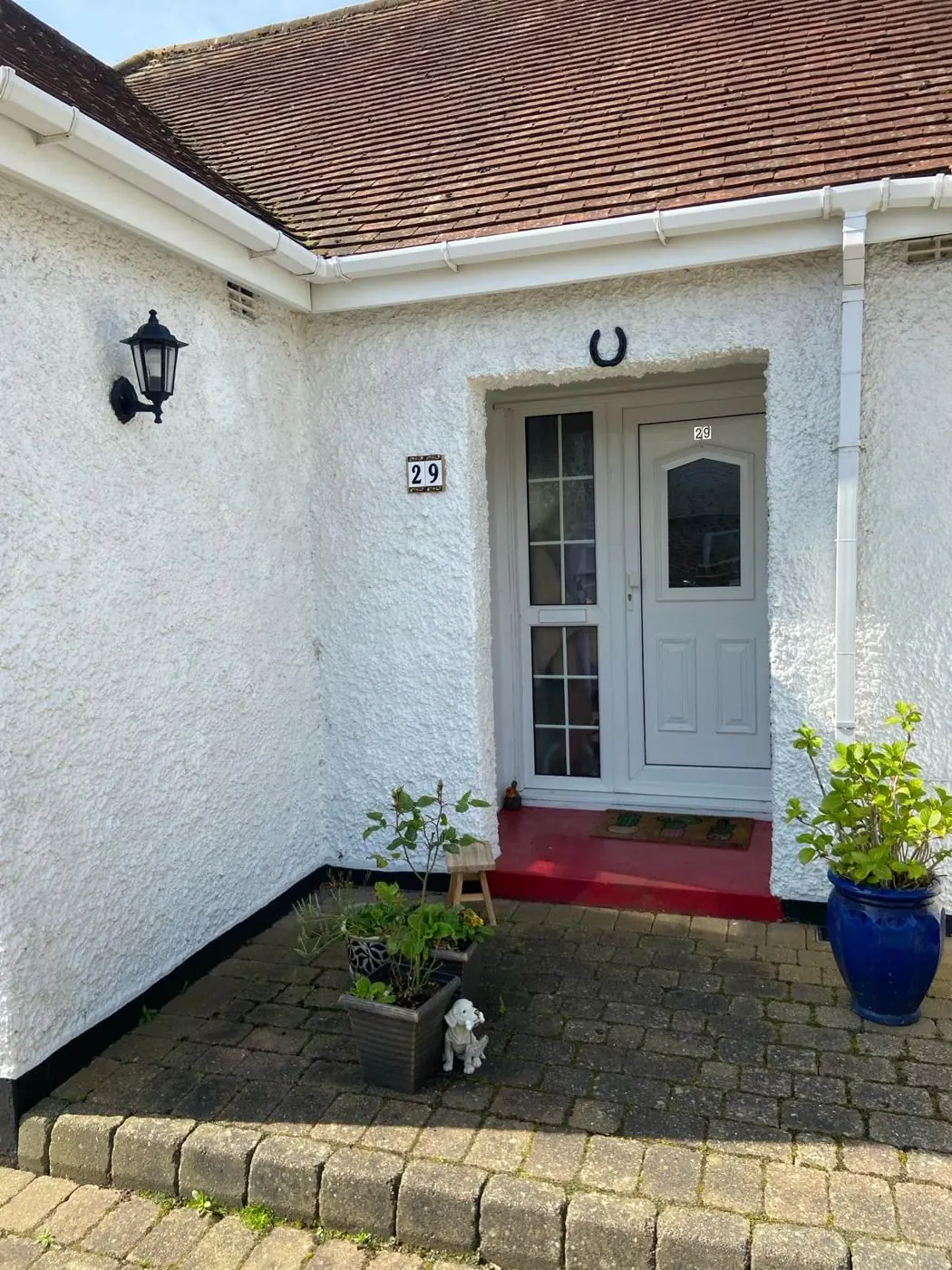
The best time of year for exterior painting in the UK is usually late April to September, when surfaces are dry and temperatures stay above about 10°C. DH Painter & Decorator, a Northampton decorator with over 30 years' experience, plans outside work around the forecast and offers free written quotes across Northampton and nearby towns.
Late spring to early autumn gives milder temperatures, longer days and fewer frosty or dew-soaked nights. But the weather on the day, and the night after, matters more than the month on the calendar.
This guide explains what paint actually needs to dry and cure outdoors, and gives a month-by-month view for the East Midlands in general terms. It is written by DH Painter & Decorator, a Northampton decorator with over 30 years of working around British weather.
What exterior paint needs to dry and cure
Drying and curing are not the same thing. Paint can feel dry to the touch within an hour or two, but it takes much longer to cure fully and reach its proper hardness and water resistance. Interrupt that process with rain, dew or frost and the finish can suffer.
- Temperature. Most exterior paints and stains list a minimum of around 5 to 10°C for both air and surface, and it needs to stay above that while the paint dries. Many decorators prefer 10°C or more for a comfortable margin.
- Dry surfaces. Timber, render and metal must be dry, not just the air. Render in particular holds rain for a day or more after a downpour.
- No rain for several hours. Masonry paint and wood stains usually need a few rain-free hours after application, depending on the product and temperature.
- Dew and humidity. Evening dew settling on fresh paint can leave a dull, streaky or patchy finish, sometimes called surfactant leaching.
- Not too hot. Strong direct sun on a dark door or south-facing wall can dry paint too fast, causing lap marks, poor flow and blistering.
Best time of year for exterior painting in the UK: month by month
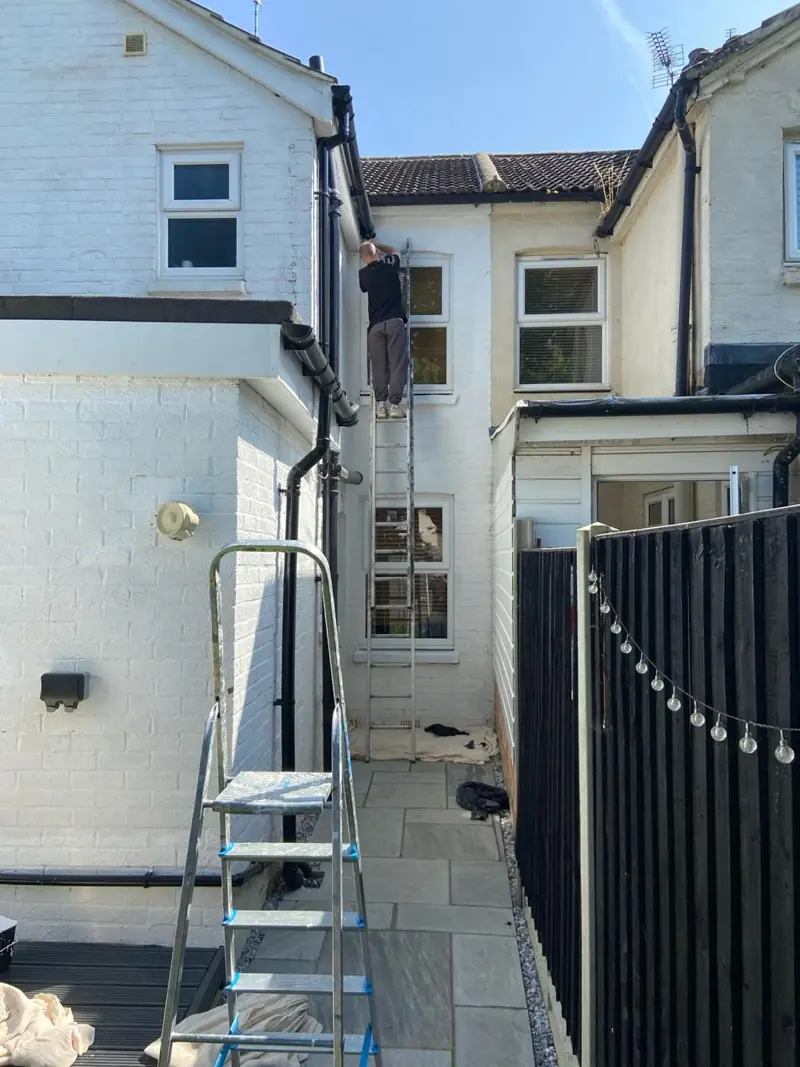
The table below is a general guide to the East Midlands, which has a fairly typical inland English climate. Every year is different, and a warm, dry March can be better than a wet July.
| Month | Typical conditions | Suitability for exterior painting |
|---|---|---|
| January | Cold, frequent frost, short days | Not suitable for most work |
| February | Cold nights, damp walls | Not suitable for most work |
| March | Improving days, frost still likely at night | Occasional mild dry spells only; good for planning and quotes |
| April | Milder days, cool nights, showers | Possible late in the month on dry, settled days |
| May | Warmer, longer days, lower frost risk | Good |
| June | Long days, generally warm | Very good |
| July | Warmest month, some heavy showers | Very good; avoid hot midday sun on dark surfaces |
| August | Warm, can be wet at times | Very good |
| September | Mild days, heavier morning dew | Good; start later and finish earlier |
| October | Cooling, shorter days, more rain | Possible early in the month in dry spells |
| November | Cold, damp, early frosts | Not suitable for most work |
| December | Cold, wet, very short days | Not suitable for most work |
Why the daily timing matters too
Even in summer, when you paint during the day makes a difference. Mornings can start with dew on walls and window frames, so work usually begins once surfaces have dried off. In spring and autumn, painting should finish early enough in the afternoon for the paint to skin over before the evening dew arrives.
Experienced decorators also follow the sun around the house. East-facing walls are painted later in the morning once the sun has moved off them, and west-facing walls earlier in the day. This avoids painting in direct, hot sun, which helps the finish flow and dry evenly.
Different surfaces, different needs
| Surface | What to watch for |
|---|---|
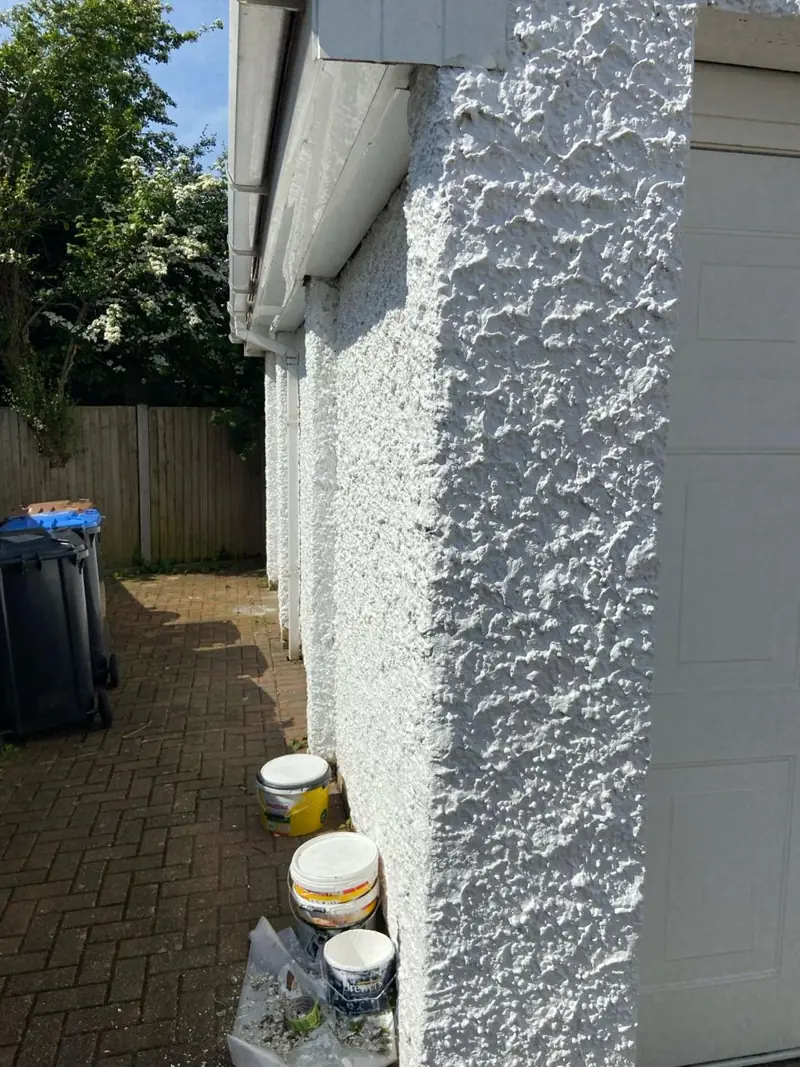
| Render, roughcast and pebbledash | Walls must be dry through, not just on the surface; allow drying time after rain |
| Timber windows, doors and fascias | Moisture in the wood causes blistering; bare timber needs priming in dry weather |
| Fences, gates and cladding | Stains soak in best on dry timber in mild weather; avoid staining before rain |
| Metal gates and railings | Condensation forms quickly on cold metal; paint when the metal is warm and dry |
Render work has its own set of considerations, which we explain in our guide to painting render and roughcast. For timber, our wood staining for gates and fences service follows the same weather rules, and metal gate and railing painting needs dry, mild days to avoid condensation under the coating.
What happens if it rains on fresh exterior paint?
It depends on how long the paint has had. Light rain a few hours after application may do little harm to a quick-drying masonry paint, though it can leave marks. Heavy rain on paint that has only just gone on can wash it off, cause streaks or leave a patchy surface that needs another coat once dry.
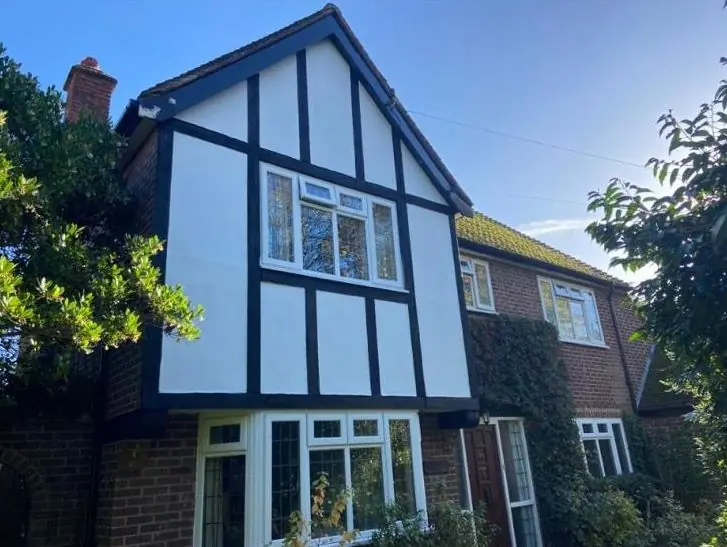
That is why decorators keep a close eye on the forecast and plan work elevation by elevation, rather than opening up the whole house at once. If showers are due, the team switches to prep, masking or sheltered areas. One of our customers described a project that carried on through a named storm: “Exterior decorating including fascias and soffits, rainwater pipes, stained timbers and white render prepared and decorated to a good finish, despite the intervention of storm Ciaran in the middle of the project.”
Planning your exterior painting
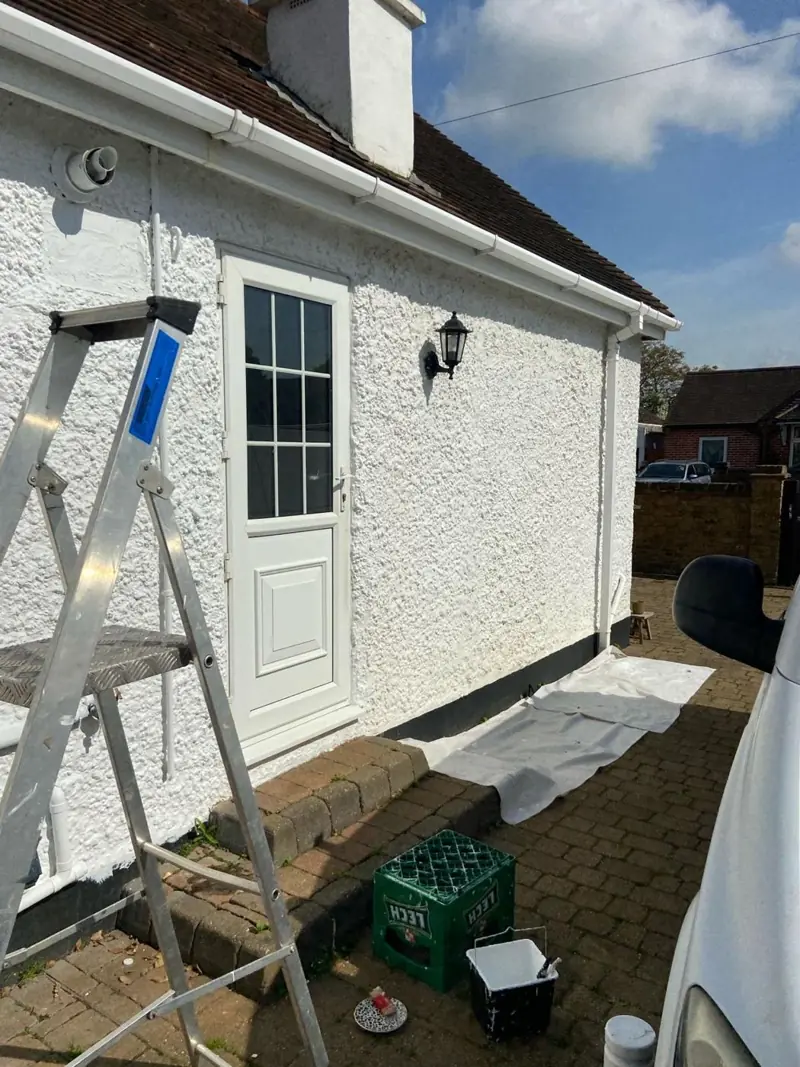
Good decorators tend to fill their summer diary early, so the best time to arrange a quote for exterior work is often late winter or early spring. That gives you time to choose colours, sort any repairs and book a slot in the drier months.
- Get quotes in February or March for work from May onwards.
- Arrange any carpentry, roofing or gutter repairs before the painting starts.
- Cut back climbing plants and shrubs close to the walls a week or two ahead.
- Keep in mind that some days may be lost to weather, so allow a little flexibility.
- Consider doing the fascias and soffits at the same time while access equipment is up.
Can you paint outside in winter?
Some small jobs can be done on a dry, still winter day, such as a front door touch-up in a sheltered porch, using products rated for lower temperatures. For anything larger, winter paint jobs carry a real risk of poor curing, dew damage and frost. The cold months are much better spent on indoor work. Many homeowners use that time for interior painting, then book the outside for spring.
Exterior painting in Northampton with DH Painter & Decorator
We plan every outside job around the forecast and the aspect of the house, working across Northampton and nearby towns such as Daventry. If you are thinking about spring or summer work, it is worth getting in touch early. Ask for a free quote and we will come and look at the job.
Call DH Painter & Decorator on 07539 779 036 or email office.dhpainter@gmail.com for a free written quote.