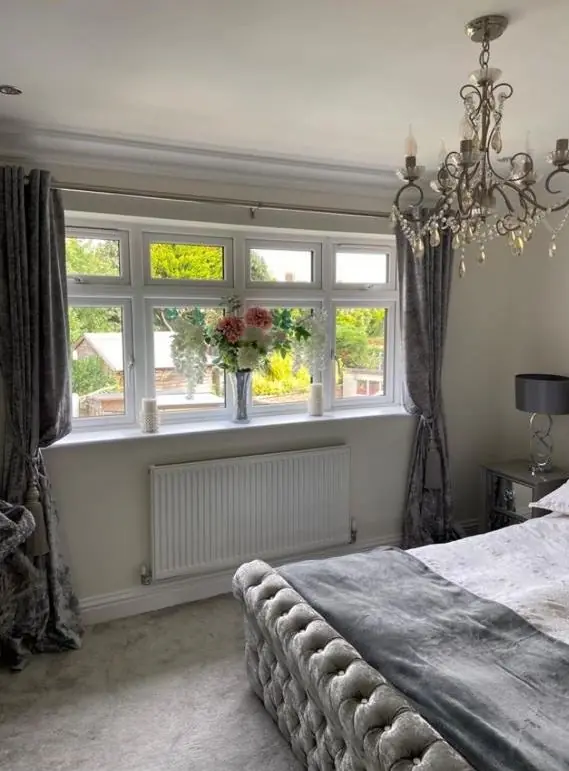
DH Painter & Decorator provides interior painting in Northampton and nearby villages, covering walls, ceilings, doors, skirtings, hallways and whole-house repaints. Dean and the team bring over 30 years of experience, thorough preparation and tidy, insured working. Every job starts with a free home visit, honest advice on paints and finishes, and a clear written quote.
Interior painting in Northampton that starts with proper preparation
Interior painting in Northampton is most of what we do, and after more than 30 years at it, Dean and the team at DH Painter & Decorator know that the finish you notice is decided by the work you never see. Filling, sanding, sealing and cutting in cleanly are what make a room look crisp for years rather than months.
We paint single rooms, full floors and whole houses, working in lived-in family homes, rented properties and newly finished extensions. Every job gets the same approach: a careful look at the surfaces, an honest conversation about what they need, and a written quote before anything is booked in.
What our interior painting service covers
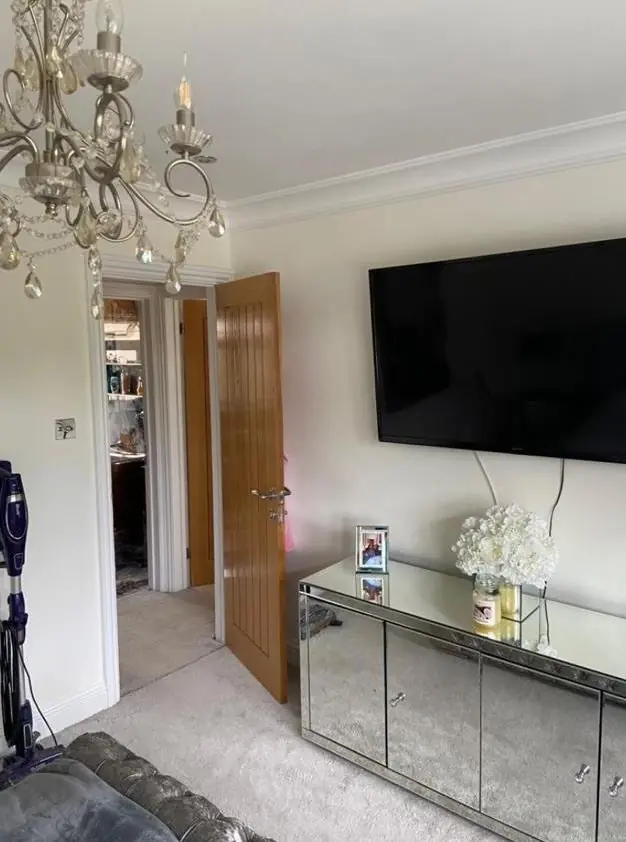
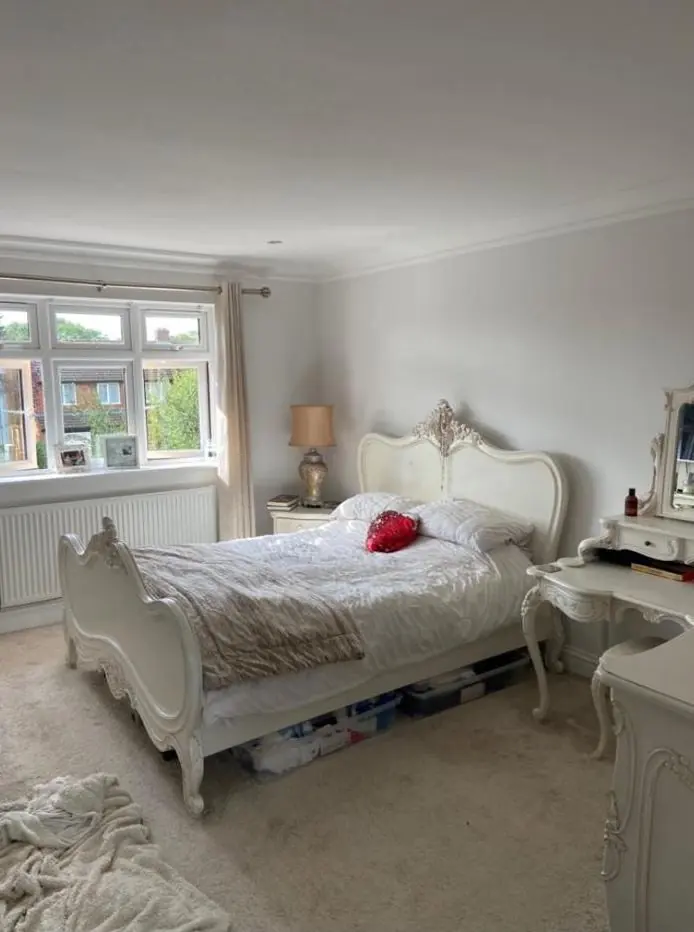
As an interior painter and decorator in Northampton, we handle every painted surface inside the house. That usually includes:
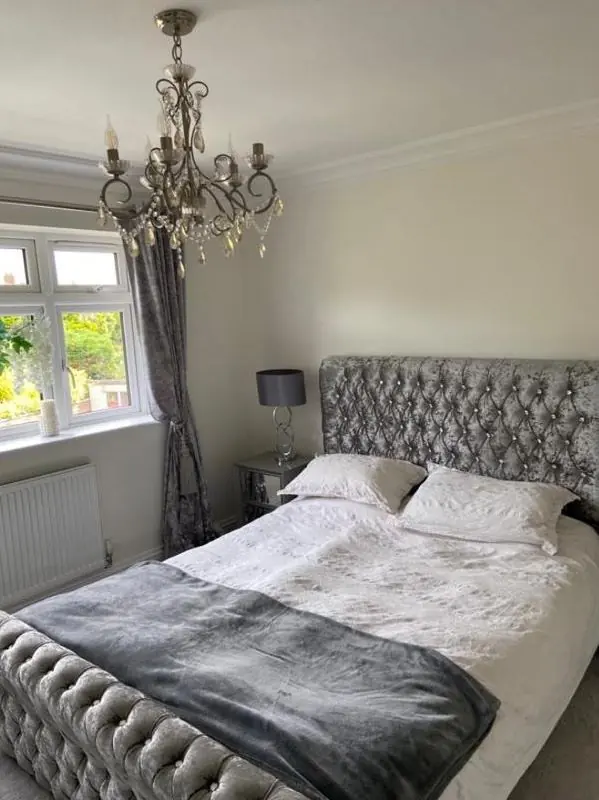
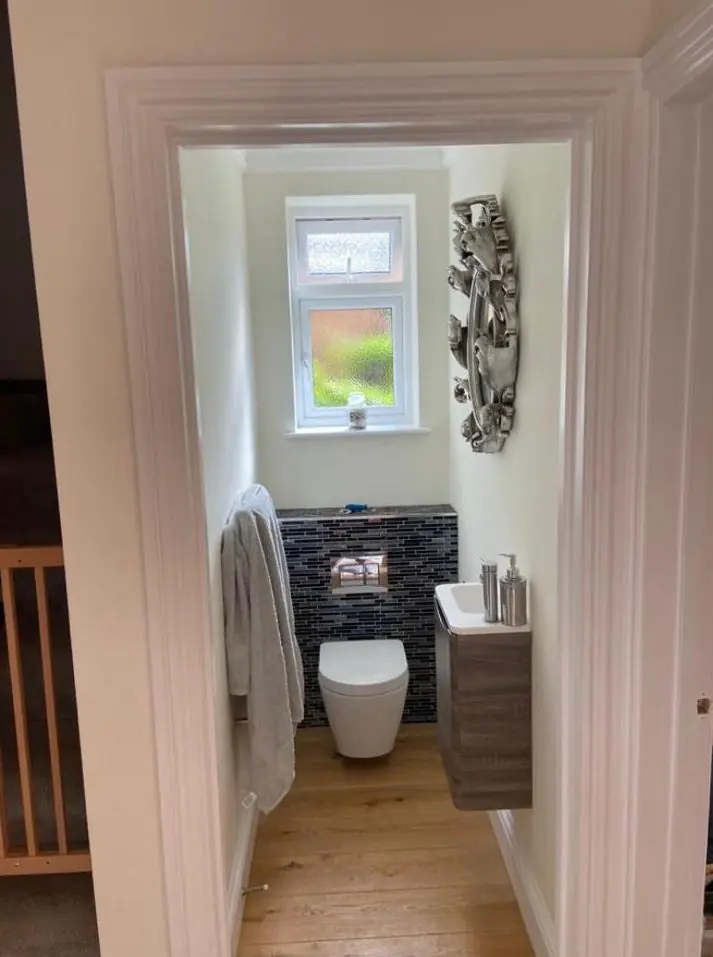
- Walls and ceilings in living rooms, bedrooms, kitchens, bathrooms and loft rooms
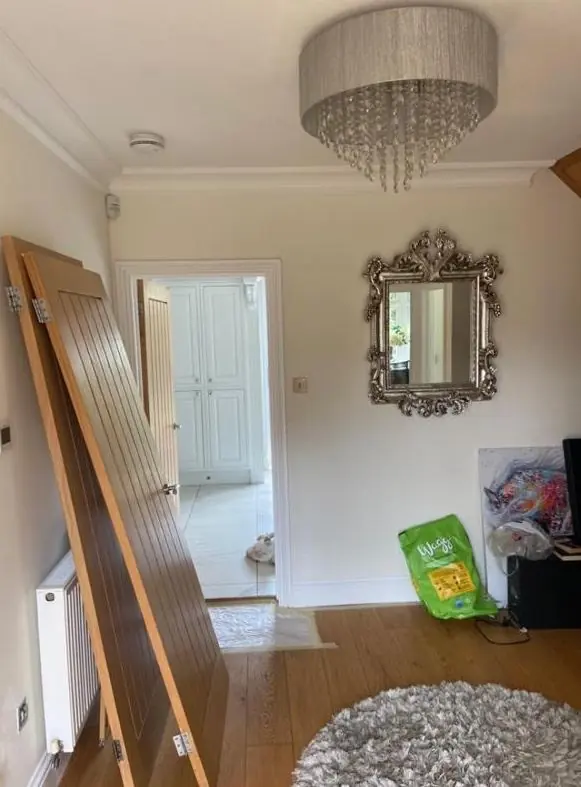
- Doors, door frames, skirting boards, architraves, window boards and spindles, covered in more detail on our woodwork and door painting page
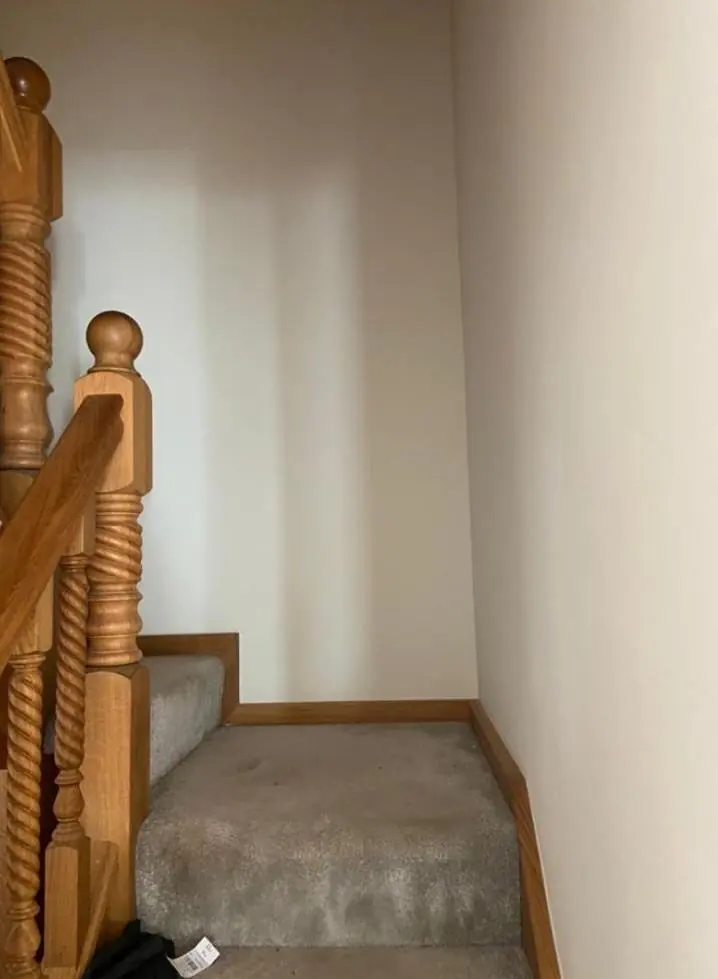
- Hallways, stairs and landings, where tall walls and awkward heights need the right access
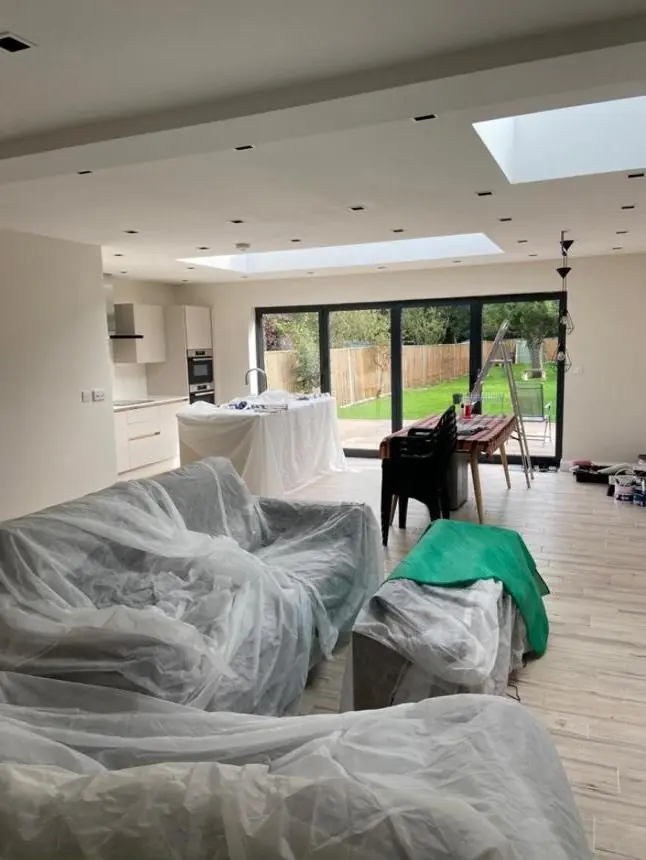
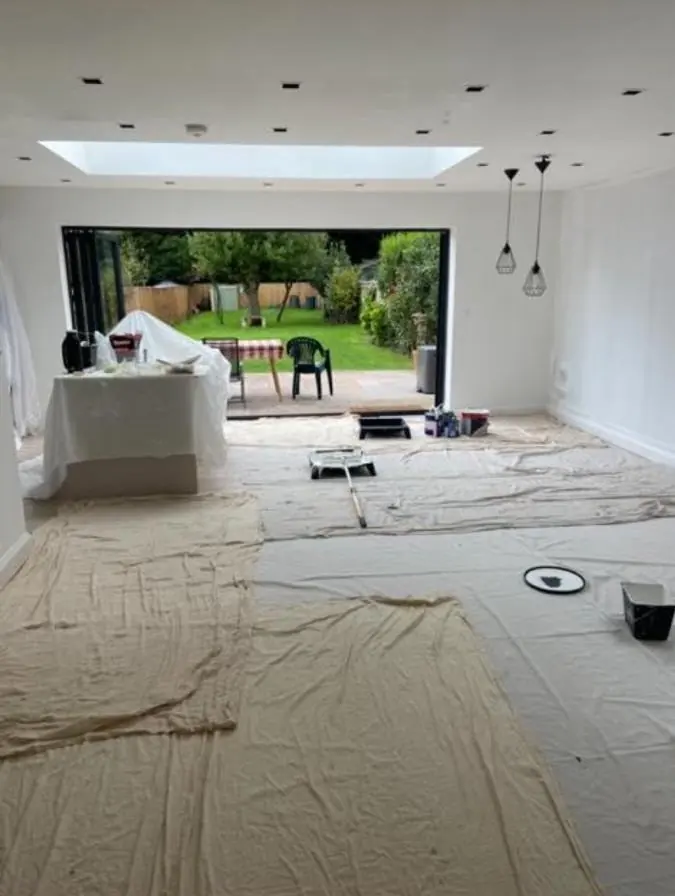
- New plaster in extensions, loft conversions and re-skimmed rooms
- Whole-house repaints, top to bottom, planned room by room so you can keep living there
- Feature walls, accent colours and decorative detailing
If you’re stuck on colours, we can help before a tin is opened. Our colour consultation looks at how light falls in each room, what you’re keeping in terms of flooring and furniture, and how shades will flow from one space into the next.
Our interior painting process, step by step
1. Survey and free written quote
We visit, look at every room on the list and check the condition of the surfaces. Hairline cracks, blown plaster, water marks, old gloss that has yellowed and damp patches all change how much preparation a job needs, so we note them rather than guess. You then get a clear written quote covering what’s included, the products we plan to use and roughly how long it will take.
2. Protecting your home
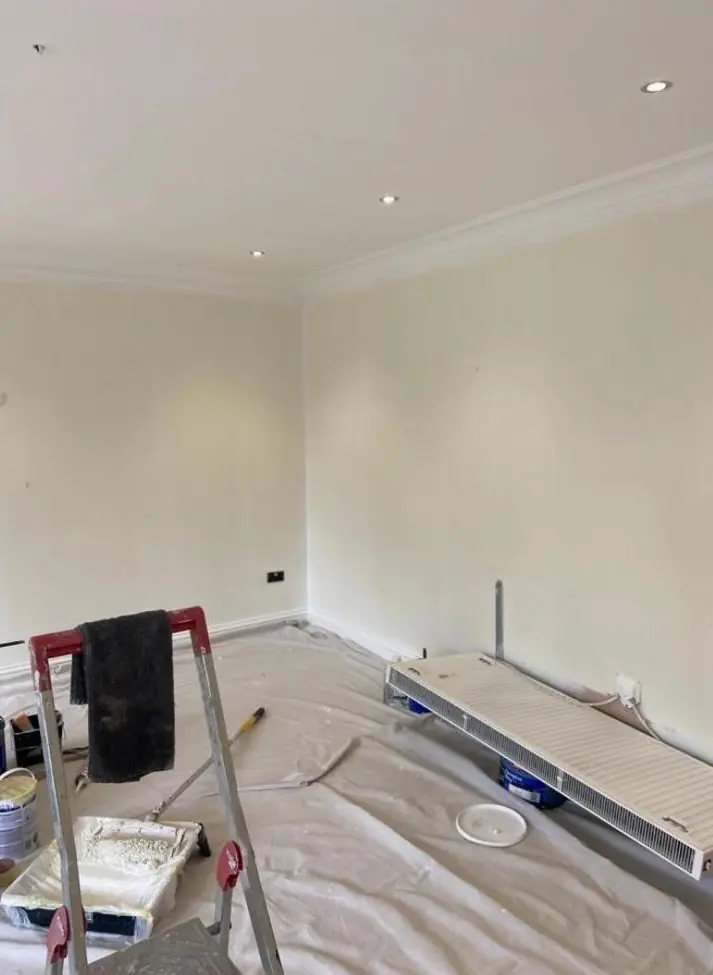
Before any sanding or painting, furniture is moved to the centre of the room or out entirely and covered. Floors get dust sheets, carpets are protected at the edges, and we mask switches, sockets, radiators and anything else that shouldn’t be painted.
3. Preparation
This is where most of the time goes. Cracks are raked out and filled, dents and old fixing holes are made good, and filler is sanded flush once dry. Gaps between walls and woodwork are caulked with decorators’ caulk so the lines stay sharp. Glossed woodwork is keyed with abrasive so the new coat grips, and surfaces are wiped down to remove dust and grease, particularly in kitchens.
4. Priming and sealing
Bare patches of filler and bare timber are spot-primed so they don’t show through as dull patches. Water stains and smoke or nicotine marks are sealed with a stain block, because emulsion alone will let them bleed back through. New plaster gets a mist coat of thinned matt emulsion first, which soaks into the porous surface and gives the following coats something sound to bond to.
5. Applying the coats
Ceilings are done first, then walls, then woodwork last so any drips are always going onto surfaces that haven’t been finished. Most walls need two full coats for an even colour, and strong or dark shades can need a third. We cut in by hand along ceilings and skirtings and roll the main areas, keeping a wet edge so there are no lap marks.
6. Finishing and snagging
Once the paint is dry we go round every room in good light, touching in any misses and checking edges, corners and the tops of doors.
7. Clean-up
Masking comes off carefully, dust sheets are lifted and shaken outside, and furniture goes back where it came from. You’re left with a finished room, not a list of jobs to tidy up after us.
Paints and finishes explained
Choosing the finish matters as much as choosing the colour. Here’s how the common interior options compare:
| Finish | Sheen | Where it works best | Things to know |
|---|---|---|---|
| Matt emulsion | Flat | Living rooms, bedrooms, ceilings | Hides minor wall imperfections well; standard matts mark more easily |
| Durable or washable matt | Flat to low | Hallways, children’s rooms, stairwells | Looks like matt but copes with wiping; a good middle ground |
| Silk emulsion | Mid | Areas that need regular cleaning | Easy to wipe, but shows every bump in the plaster |
| Kitchen and bathroom paint | Low to mid | Steamy rooms | Formulated to resist moisture and mould better than standard emulsion |
| Eggshell | Low | Woodwork, and walls wanting a tough finish | Softer, more modern look than gloss on doors and skirtings |
| Satinwood | Mid | Doors, skirtings, frames | Hard-wearing and easy to clean; a popular choice today |
| Gloss | High | Traditional woodwork | Very durable, but highlights any dents or uneven prep |
On woodwork we’ll talk you through water-based versus oil-based paint. Water-based satinwood and eggshell dry quickly, have far less smell and stay white, while traditional oil-based white paints tend to yellow over time, especially in rooms with little daylight. Oil-based products still have their place on certain surfaces, and we’ll say plainly which suits your home.
Common problems we put right
A lot of interior work is fixing what went wrong last time. Problems we regularly deal with include:
- Cracks that keep coming back along ceiling lines and around door frames, which need raking out and filling or flexible caulk rather than a quick smear
- Brown water marks on ceilings after a leak, sealed with stain block once the leak is fixed and the area is dry
- Peeling emulsion on new plaster that was painted without a mist coat
- Mould spots in bathrooms and on cold external walls, cleaned with a fungicidal wash before repainting
- Yellowed gloss on skirtings and doors, keyed back and repainted in a water-based finish
- Patchy colour and roller marks from rushed DIY
If mould keeps returning, the paint isn’t the root cause. We’ll point out where ventilation or damp needs looking at, because no finish will hold for long over a wet wall.
How long interior painting takes
Timings depend on room size, ceiling height, the amount of woodwork and above all the state of the surfaces. As a rough guide, a standard bedroom with walls, ceiling and woodwork usually takes one to two days, and a large living room two to three. A hallway, stairs and landing often runs to several days because of the height and the number of doors. A full house takes longer again, and we’ll give you a realistic schedule in your quote rather than an optimistic one. For those tall spaces, see our page on hallway, stairs and landing decorating.
New plaster needs to be completely dry before it’s painted, which can take several weeks after skimming, so extension work is timed around that. Our new plaster and extension painting page explains the drying and sealing process in more depth.
How to prepare your home before we arrive
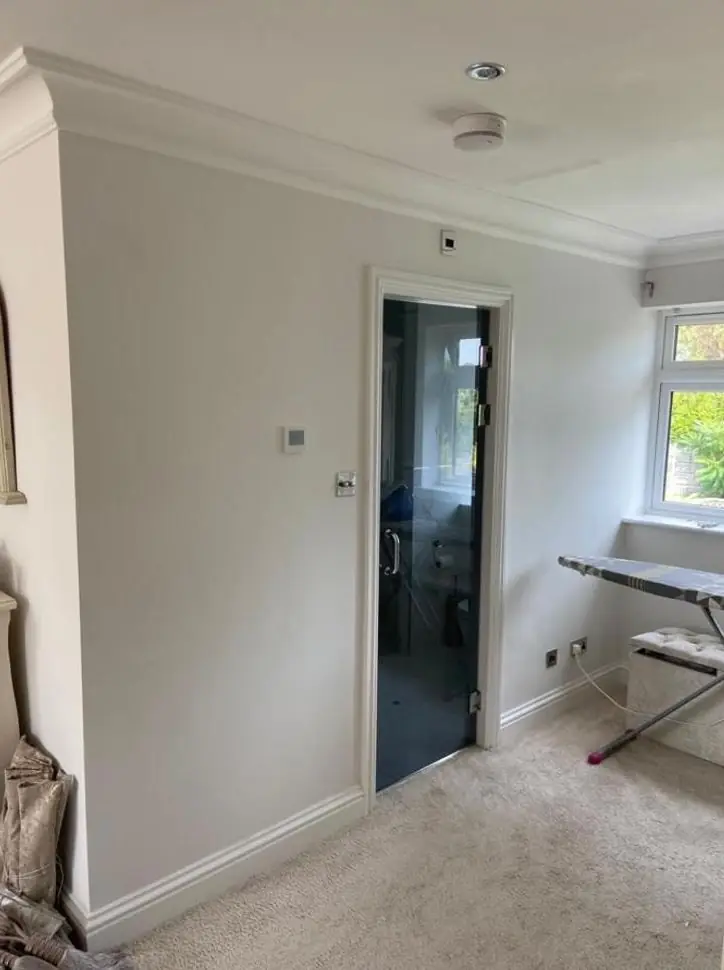
We do the heavy lifting, but a few things on your side help the job run smoothly:
- Take down pictures, mirrors, curtains and blinds, or let us know if you’d like us to
- Clear ornaments, books and small items from shelves and surfaces in each room
- Decide on colours before the start date if you can, or book a colour chat with us
- Let us know about pets, parking and any rooms that must stay usable
- Keep a window open where possible to help paint dry and air the room
Why choose DH Painter & Decorator for interior painting
Dean has more than three decades of experience and works with a handpicked team of skilled craftsmen. We’re fully insured and trained, we give free quotes and advice, and you can read what customers say about us on our reviews page. We use good-quality trade paints and we don’t skip the dull stages of preparation to save time.
One customer, who first had their gates done, put it like this in a review:
“After completing my gates I was then assured dean was more than competent to repaint the inside of my property from top to bottom. It’s a large 4 bedroom house and was done to a very high standard.”
Interior decorators covering Northampton and nearby towns
We work across Northampton itself, from Victorian terraces around Abington and St James to newer homes in Upton, Grange Park and Hunsbury, where fresh plaster and builder’s-grade magnolia are common starting points. We’re also regularly out in surrounding villages and towns, including Duston, Moulton and Wellingborough. If you’re searching for interior decorators near me and you’re anywhere in the Northampton area, get in touch and we’ll tell you straight away if we can help.
Related interior services
Interior painting often sits alongside other work. If you want a finish beyond flat colour, such as faux effects or detailed paintwork, take a look at our decorative finishes. We can also combine painting with wallpaper hanging in the same visit.
Book your interior painting in Northampton
For a free, no-obligation quote on interior painting in Northampton, call Dean on 07539 779 036, email office.dhpainter@gmail.com or ask for a free quote online. We’ll come and look at the rooms, talk through colours and finishes, and give you a clear written price.