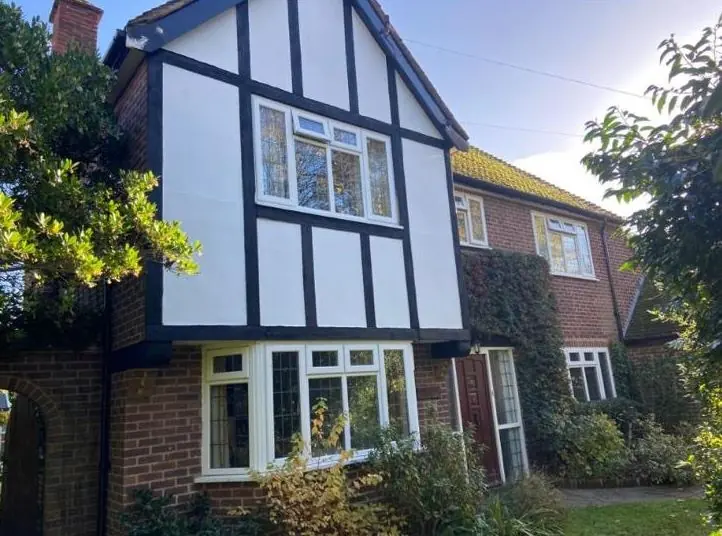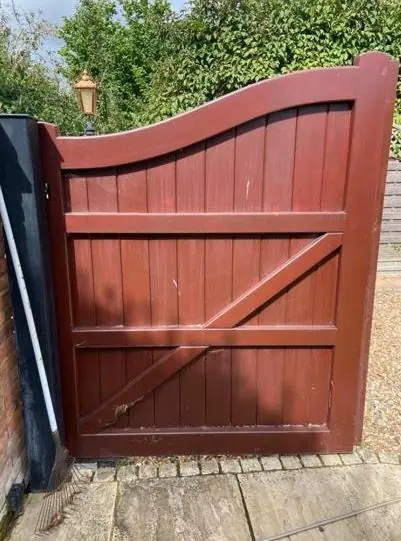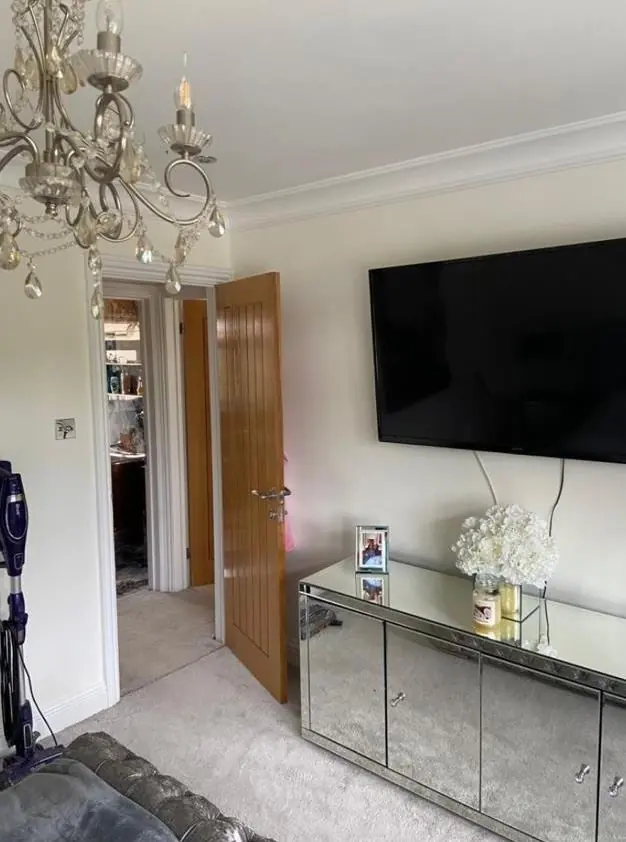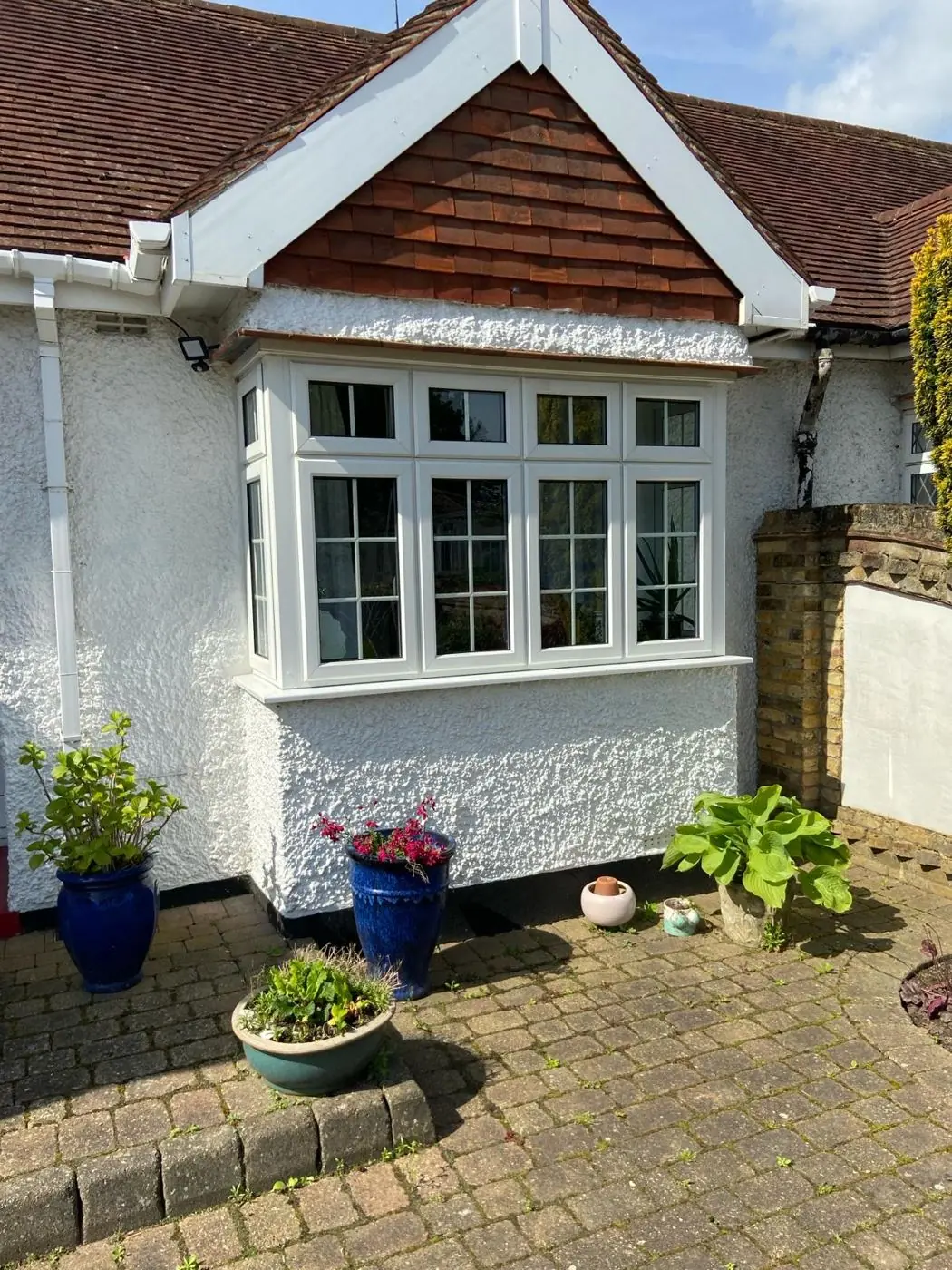
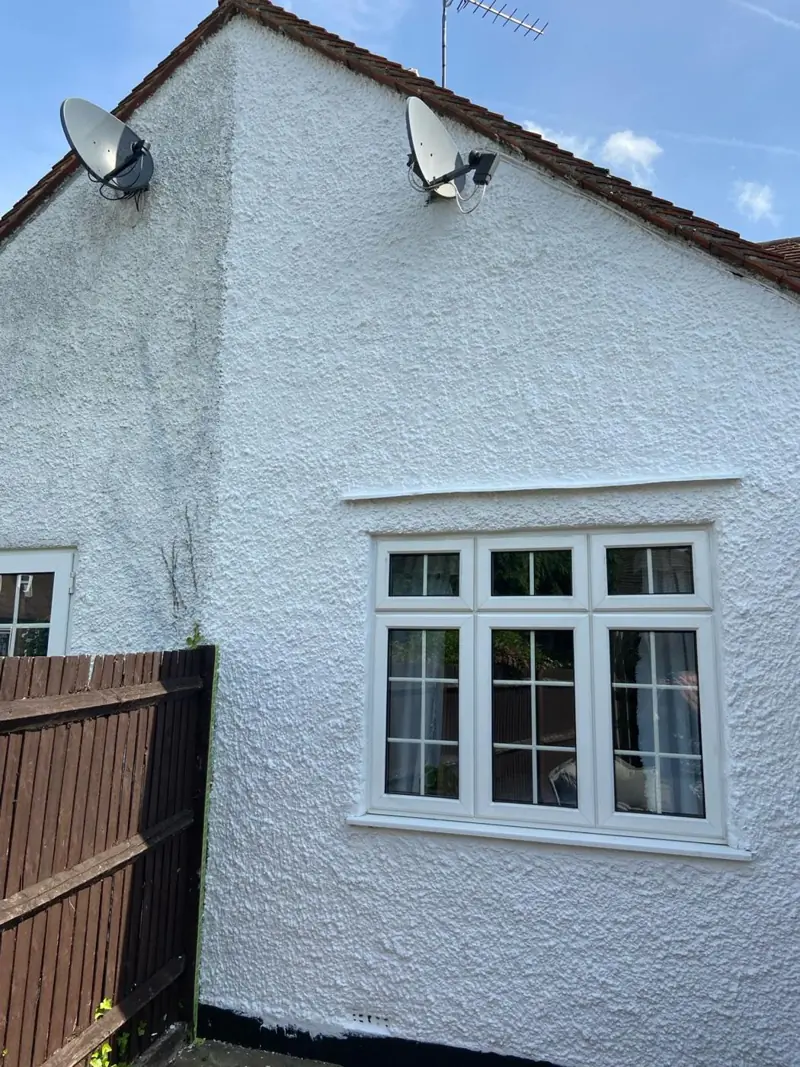
DH Painter & Decorator covers Brixworth, 6.5 miles north of Northampton, from our Northampton base. Dean has over 30 years in the trade and takes on interior and exterior work in the stone conservation-area core and on the post-1960s estates, with free quotes and plain advice on what the 2019 Article 4 direction means for your house.
Painter and decorator in Brixworth, old village and new
DH Painter & Decorator covers Brixworth from our Northampton base, about 6.5 miles south down the A508. The village grew up on the old Northampton to Market Harborough turnpike, and today the A508 bypasses it on the east side. It is known for the Grade I Anglo-Saxon All Saints’ Church, built in the late 8th or early 9th century partly from reused Roman brick tiles, and for Pitsford Water and Brixworth Country Park just to the south-east.
For decorating, the useful thing to know is that Brixworth is two quite different places. The historic core of ironstone and lias farmhouses, cottages and boundary walls sits around the church, Church Street, Silver Street, High Street, Newlands and Harborough Road. Around it, mostly on fields to the south and east, is the housing built from the 1960s onwards. Dean has over 30 years in the trade and works on both. We’re fully insured and trained, and you can read our customer reviews before you decide.
The stone core: bare walls, painted joinery
The oldest houses carry datestones of 1594, 1691 and 1709, and they are built in squared coursed lias, limestone rubble and the warm local ironstone, under long-straw thatch, slate or tile. Several are Grade II listed, including the Pound House on Northampton Road, Mint Cottage on Church Street and Steps Cottage on Silver Street. The council’s 2017 conservation area appraisal counts 17 listed buildings in the parish, 16 of them inside the conservation area.
That appraisal shapes most outside work here. It warns that masonry paint is often not acceptable on buildings older than 1919 because it can damage stone and brick, and says a lime-based render or limewash is more appropriate. It also asks for repainted window joinery in white, or a sensitive colour based on the original, and presumes against uPVC. In practice that means:
- bare ironstone and lias is left unpainted, and the exterior job is the timber: white casements, sashes and ledged plank doors;
- stone mullions and lintels, as on the George Inn, are masked and kept clean;
- where pre-1919 stone or brick has already been painted, limewash or a mineral finish replaces failing acrylic;
- any repointing found during preparation is done in lime mortar.
Our render and masonry painting page explains how breathable systems differ from ordinary masonry paint.
The October 2019 Article 4 direction
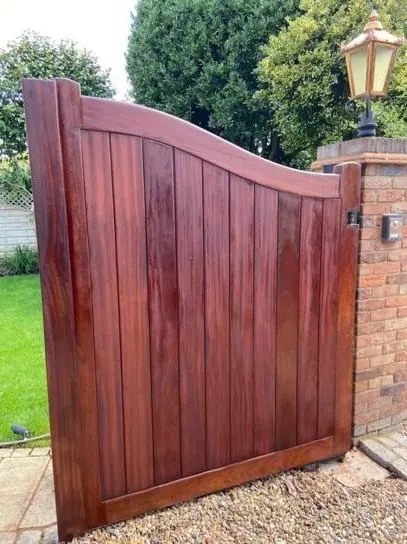
In October 2019 Daventry District Council, now part of West Northamptonshire Council, made an Article 4(1) direction for the conservation area. On the properties it names, painting any part of the exterior that faces a highway, waterway or open space needs planning permission, and so does putting up or taking down a front gate, fence or wall. The named addresses are on parts of Spratton Road, Holcot Road, Northampton Road (Nos 79-97 odd, 101 and 108-126), Harborough Road, High Street, Silver Street, Church Street, Cross Hill, Station Road, Froghall, Newlands and Kennel Terrace.
Repainting in the existing colour is upkeep. A change of colour on a named front is a planning matter, so Dean checks the address against the schedule before quoting a new exterior colour, and holds the colour decision until any consent comes through.
Inside the cottages and the taller stone houses
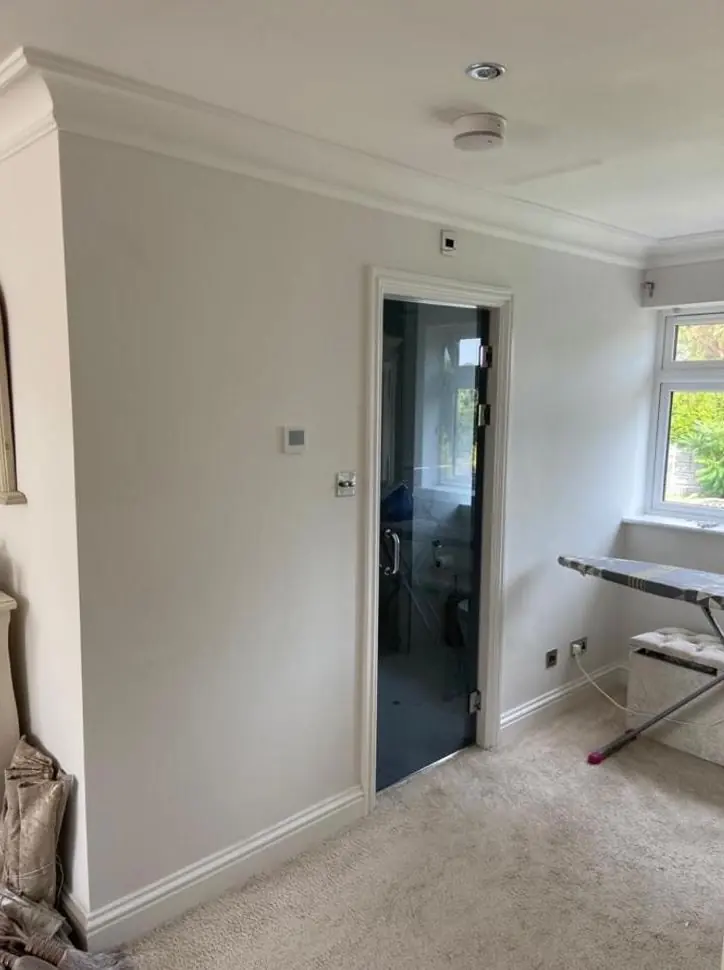
Many historic cottages are only one room deep, with alleyways between them, low ceilings, deep reveals in thick walls and lime plaster that follows the stone. That plaster needs a breathable finish, and sheen picks out every wave, so we use flat or matt paints and lining paper where cracks have mapped across a wall. The three-storey stone houses on Newlands and Kennel Terrace bring tall stairwells that need staging over the treads. Red brick terraces from the 19th and early 20th centuries on Northampton Road, Spratton Road and Broad Street (laid out in 1915) have flatter walls and, in places, Victorian doors with glazed upper panels.
The estates south and east of the village
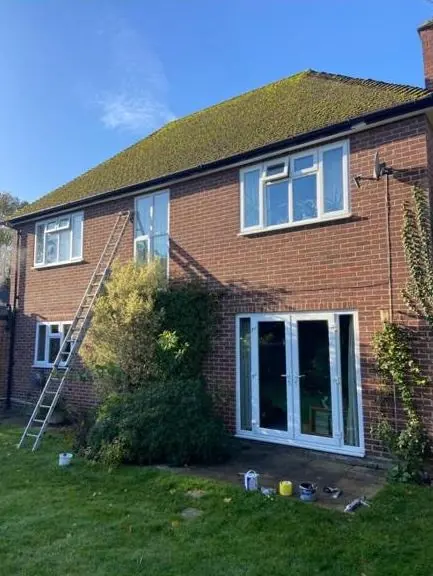
From the 1960s, Brixworth grew substantially on fields south of the original village, and building in the south and east has continued since. These red and buff brick houses, around Pytchley Close, Brixworth Hall Park and the newer streets, need ordinary upkeep: interior refreshes, fascia and soffit painting on rooflines that thatched cottages simply do not have, render panels, and stain on long garden fence runs. Brixworth Hall Park is a special case. It was built in the former parkland of Brixworth Hall, demolished in the 1950s, and keeps the mature planting, lake and boundary wall, so it sits inside the conservation area and under heavy tree cover.
Trees, high ground and narrow lanes
The village stands high on an undulating plateau above the Brampton brook valley, with open countryside to the west. West and south-facing woodwork on the outer edges takes the most weather. In the core, the appraisal records about 59 tree preservation orders and 9 TPO groups, and protected branches cannot be cut back for access. Shaded elevations dry slowly and collect sap and leaf litter, so we plan those for settled spells.
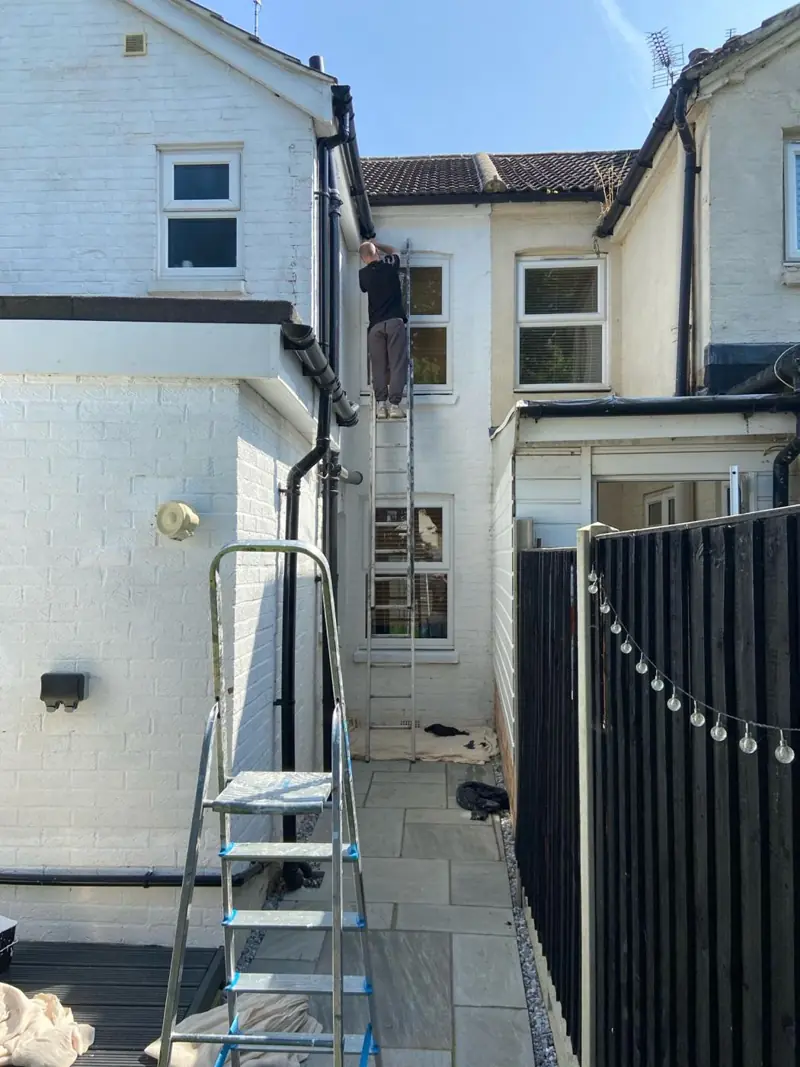
Church Street, Silver Street and Newlands are narrow, often without pavements, and many houses stand right on the road edge behind high stone walls. Ladders there go on the highway, so we keep a tight footprint with someone at the foot. Northampton Road, Spratton Road and Holcot Road are wide but busy.
Business premises
Commercial work in Brixworth includes small businesses and a garage along Northampton Road, the rendered commercial terrace and wide former workshop doors on Kennel Terrace, the former Co-op at the Holcot Road corner, the two listed pubs, and the industrial estate off Harborough Road on former ironstone quarry land, where Haddonstone has its cast-stone manufactory.
What customers say about our exterior work
We don’t quote reviews by location, but this one is typical of our exterior jobs:
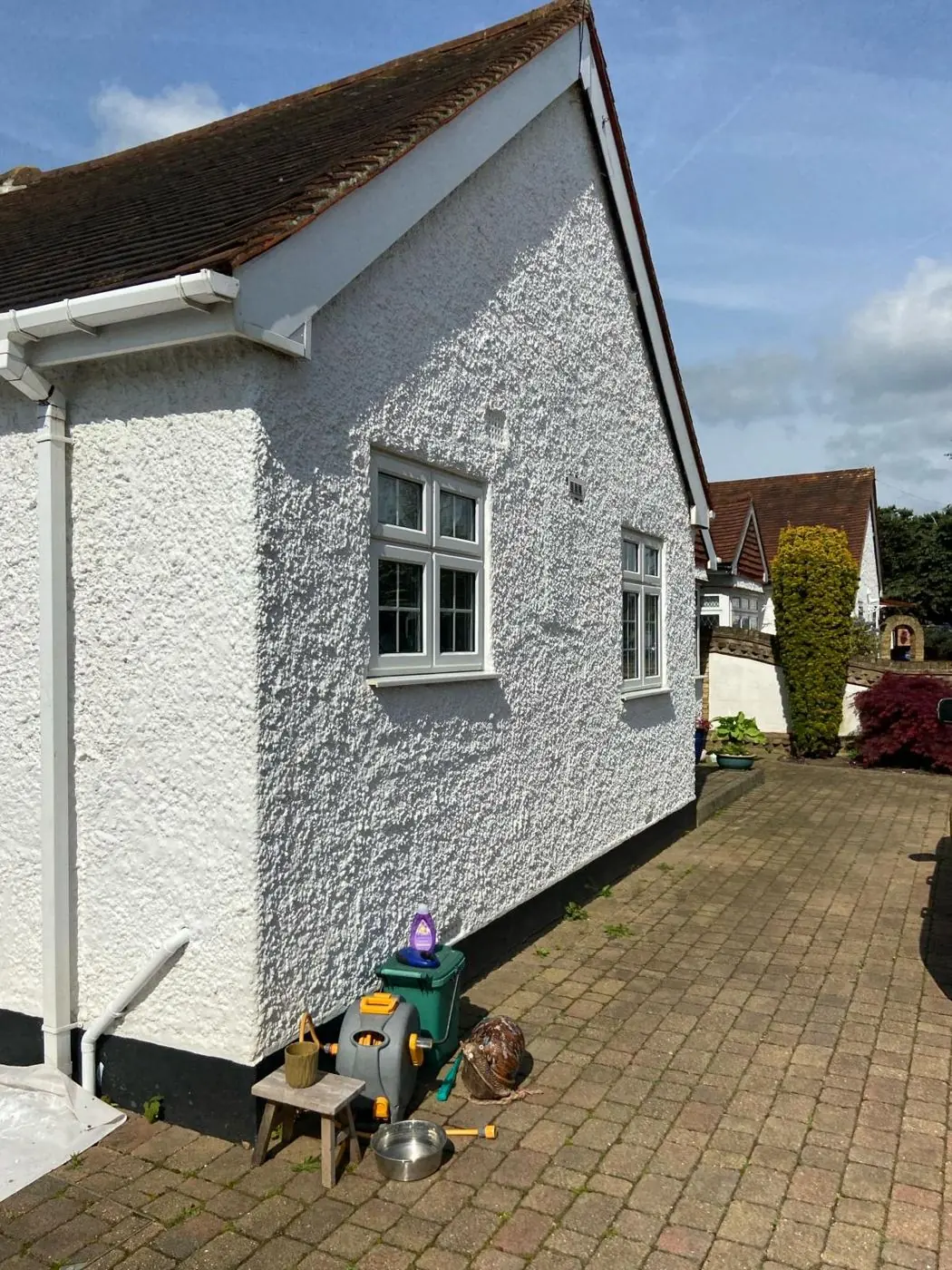
“Exterior decorating including fascias and soffits, rainwater pipes, stained timbers and white render prepared and decorated to a good finish, despite the intervention of storm Ciaran in the middle of the project. Dean worked quietly and tidily, using good-quality materials and appropriate access equipment.”
Quiet, tidy working matters on lanes where neighbours are close and a front elevation is on show.
Getting a quote
Dean comes out to look at the house, the access and any conservation limits before giving a free written quote. For a sense of what affects price, see our painter and decorator cost guide. If you’re further north towards Market Harborough, we cover that too. Call Dean on 07539 779 036 or request your free quote.
Last updated by Dean, DH Painter & Decorator.