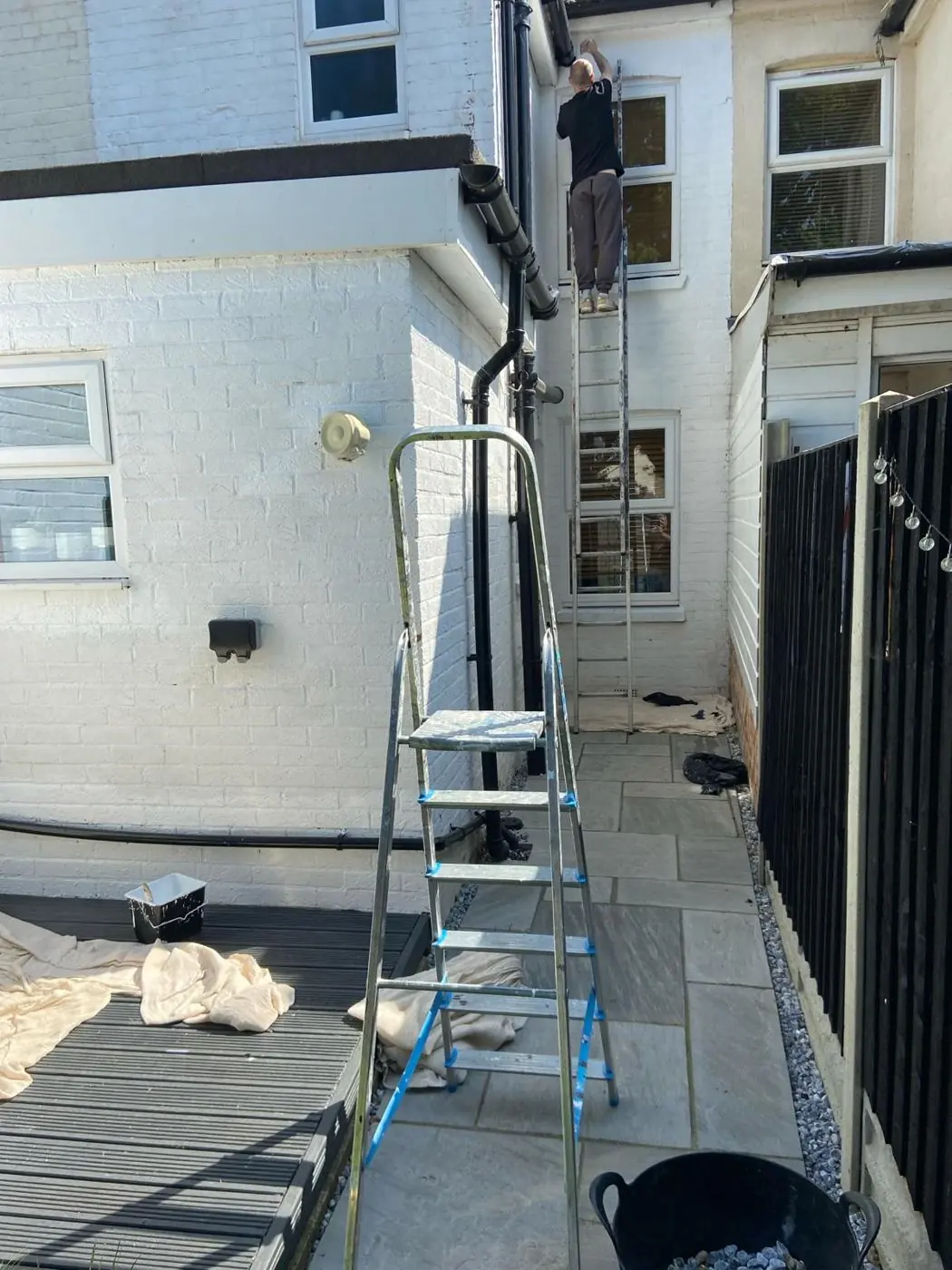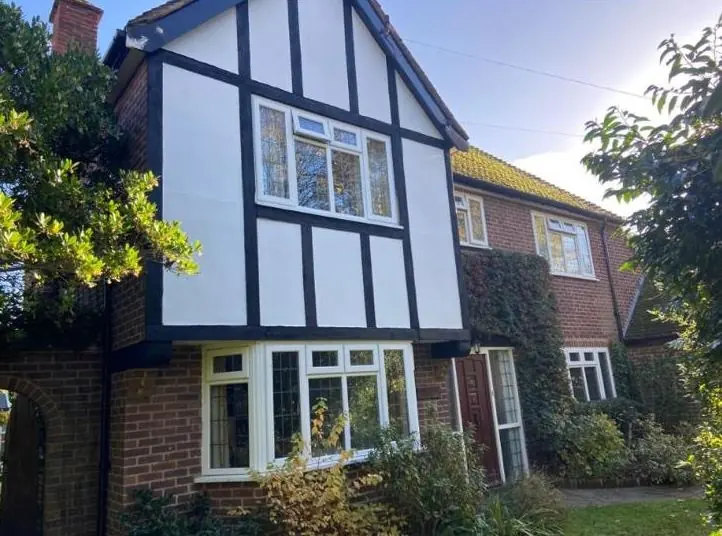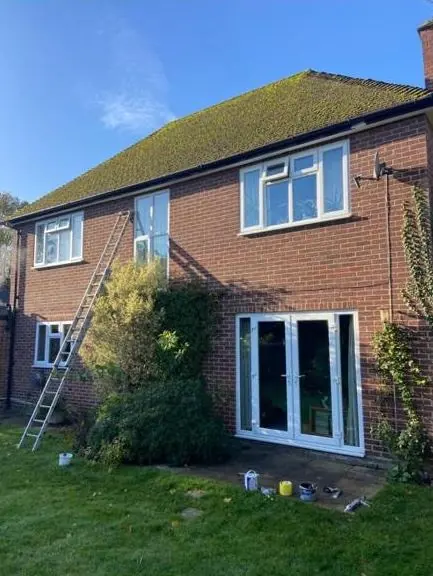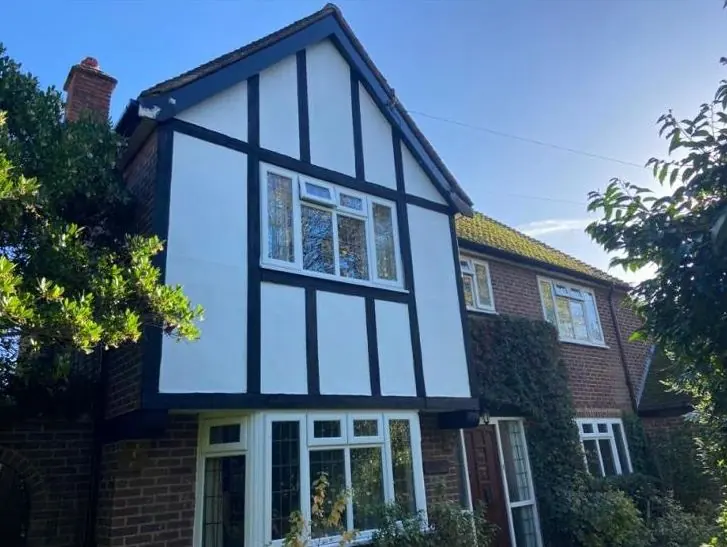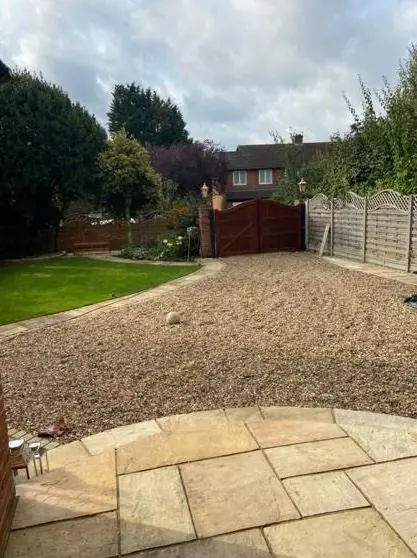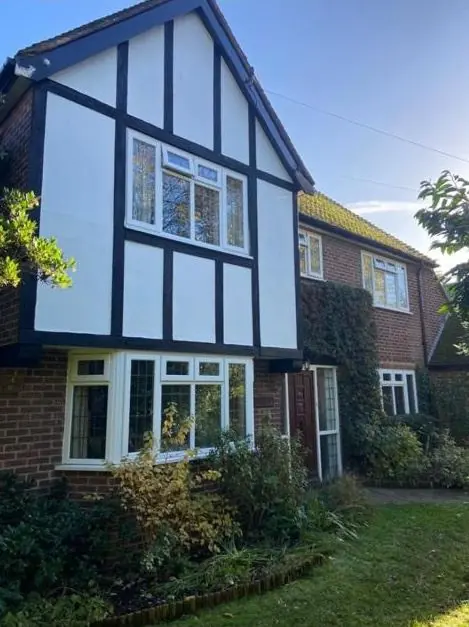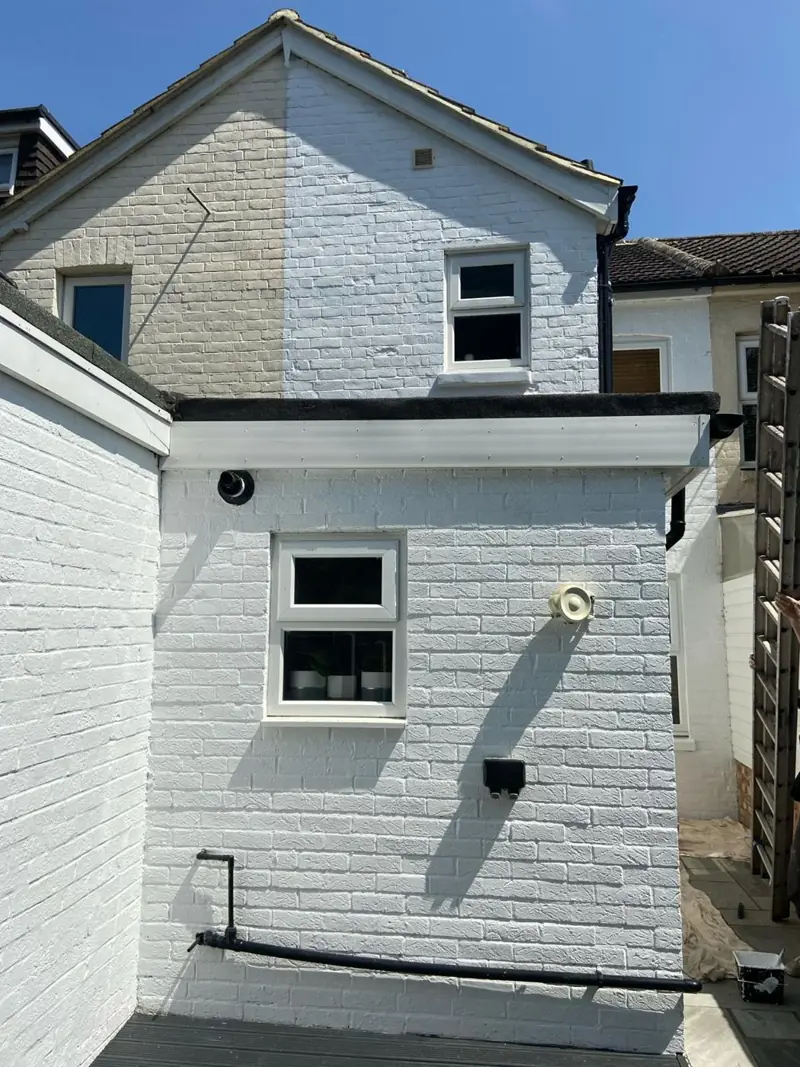
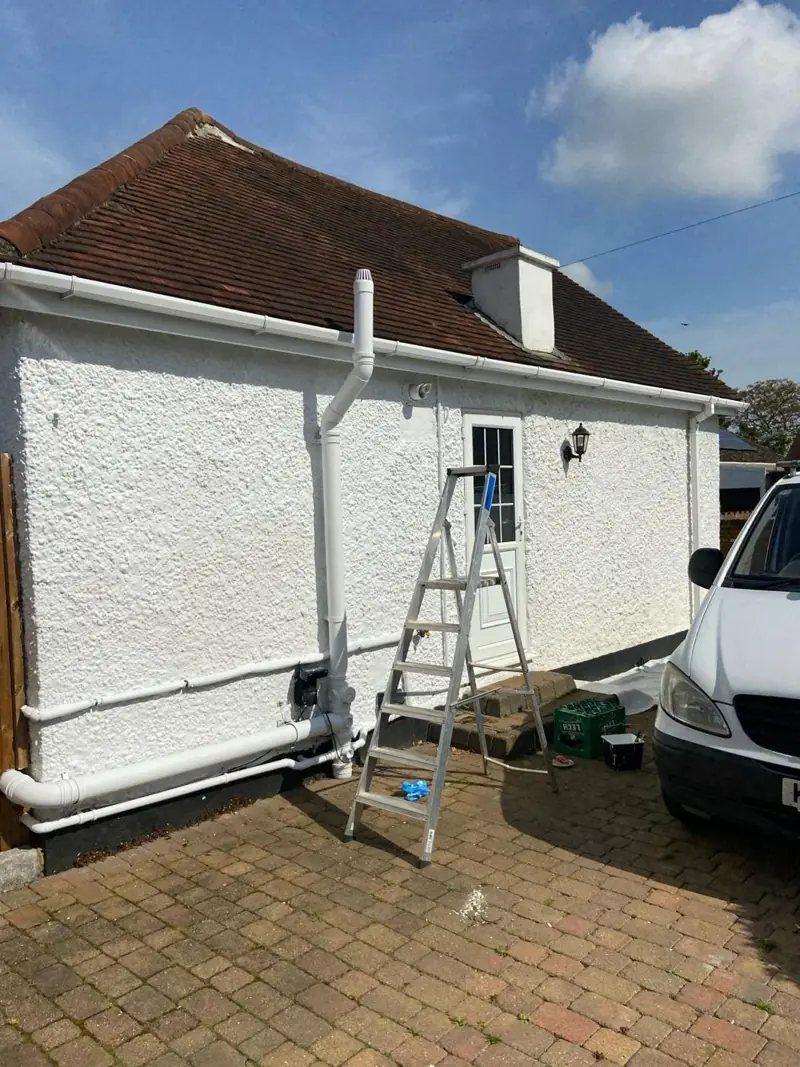
DH Painter & Decorator paints render and masonry in Southfields, NN3 5, on the north-east edge of Northampton about 4 miles from the centre. Because most houses on the estate are facing brick or timber-frame, the work here is usually rendered panels, plinths and garden walls rather than whole elevations.
An estate where most walls should stay unpainted
It would be easy to quote for painting every wall in Southfields, and it would usually be bad advice. The EPC register records the semis and detached houses on Gallery Close, Little Gull Close, Farmhill Road and Ludlow Close as cavity-wall construction, and the terraces on Barley Hill Road and Middlemore the same, with Middlemore’s cavities filled. These houses are built in fair-faced brick. Brick like that sheds water and weathers on its own, and once it is painted you are tied to a repaint cycle for good. A coating that does not breathe can also hold damp in the outer leaf, which matters more where cavities have been filled.
So the first thing Dean does on a Southfields enquiry is walk round and sort the masonry into three groups: brick to leave alone, surfaces that are already painted and need maintaining, and render that genuinely needs a coating.
Where masonry paint does belong here
| Surface | Where you find it | What it needs |
|---|---|---|
| Rendered panels | Between windows or on gable ends on some houses | Algae wash, crack repair, stabiliser if chalky, two coats of breathable masonry paint |
| Painted plinths | The band at the foot of the wall above the damp course | Scrape back, let dry, recoat in a darker, hard-wearing shade |
| Garden and boundary walls | Front and side gardens, bin stores | Check the coping, treat growth, masonry paint on both faces if both are painted |
| Previously painted brick | Where an earlier owner painted it | Keep maintaining with a breathable paint; stripping is rarely practical |
The preparation steps for each of these are set out on our main render and masonry painting page, and the render and roughcast guide covers how to judge whether old render is sound.
Cladding is not render
On the timber-frame terraces around Micklewell Lane and Brackenfield Square, the panels that look like a separate wall finish are usually timber or tile-hung cladding fixed to the frame. These want a microporous wood finish, and masonry paint on them would crack and peel as the boards move. Tile-hung sections are normally left as they are. If you are not sure what your panels are made of, we will tell you at the survey before anything is priced.
Low walls in damp, shaded corners
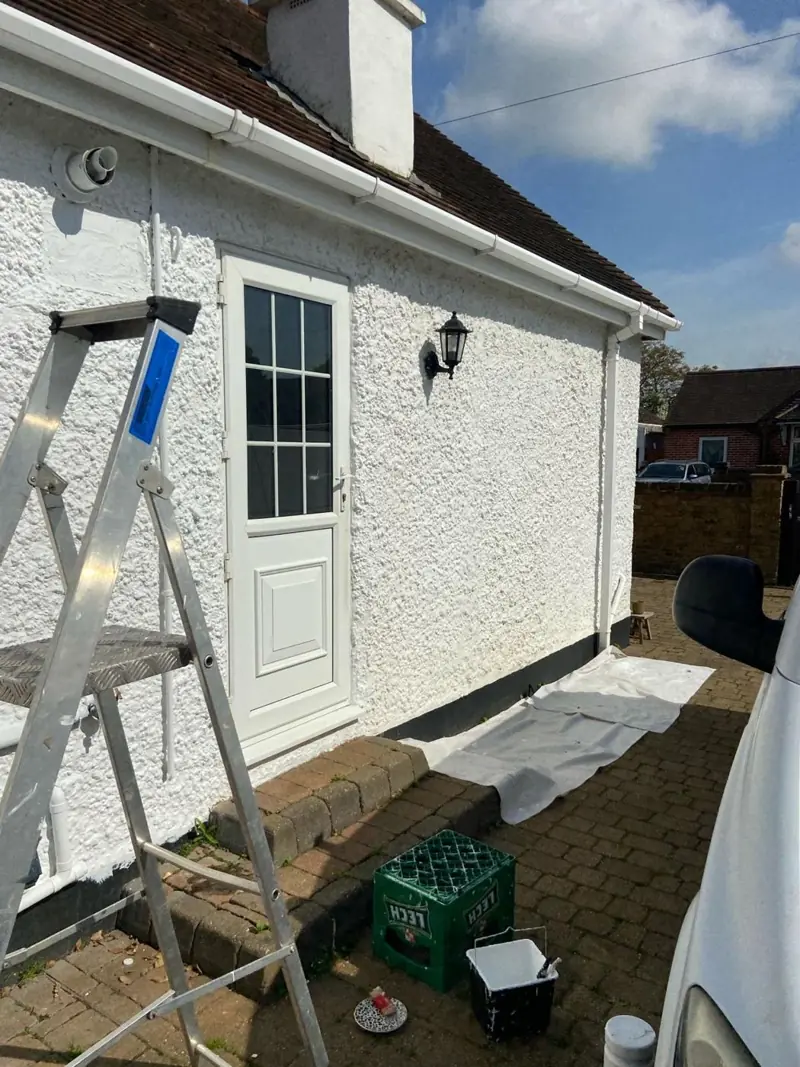
The woodland belts that run through the estate at Pine Ridge, Brittons Drive and Watermeadow Drive keep some gardens in shade for much of the day. Low walls and plinths there go green quickly and can stay wet at the base, and on the north edge the ponds in the open space add to the damp. On these walls the fungicidal wash and drying time are the main part of the job. Painting a plinth that is still damp at the foot just shortens the life of the coating, so we would rather move the date than paint it wet.
Choosing a colour
Planning sets no colour limits on a Southfields rendered panel or garden wall, as the estate has no conservation area. Off-whites and stone shades show algae staining sooner under trees, while mid-tone greys and sandy colours hide it longer. Shared-ownership homes, about 2.7% near Gallery Close, may have lease terms on exterior changes, so ask the provider first. Everything else we paint around the estate is on the Southfields area page.
Last updated by Dean, DH Painter & Decorator.