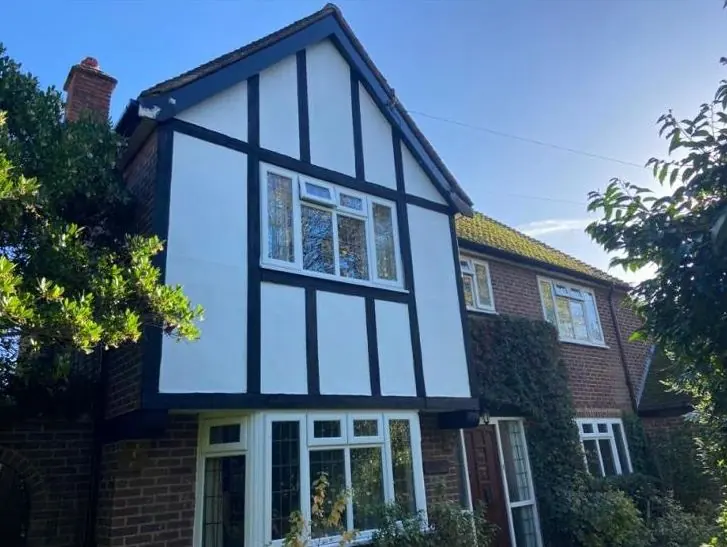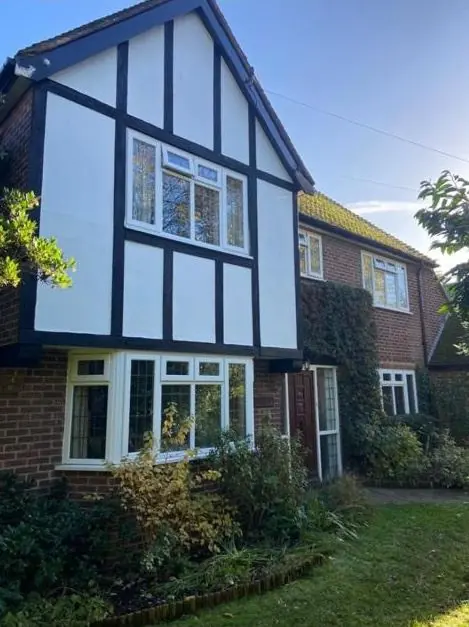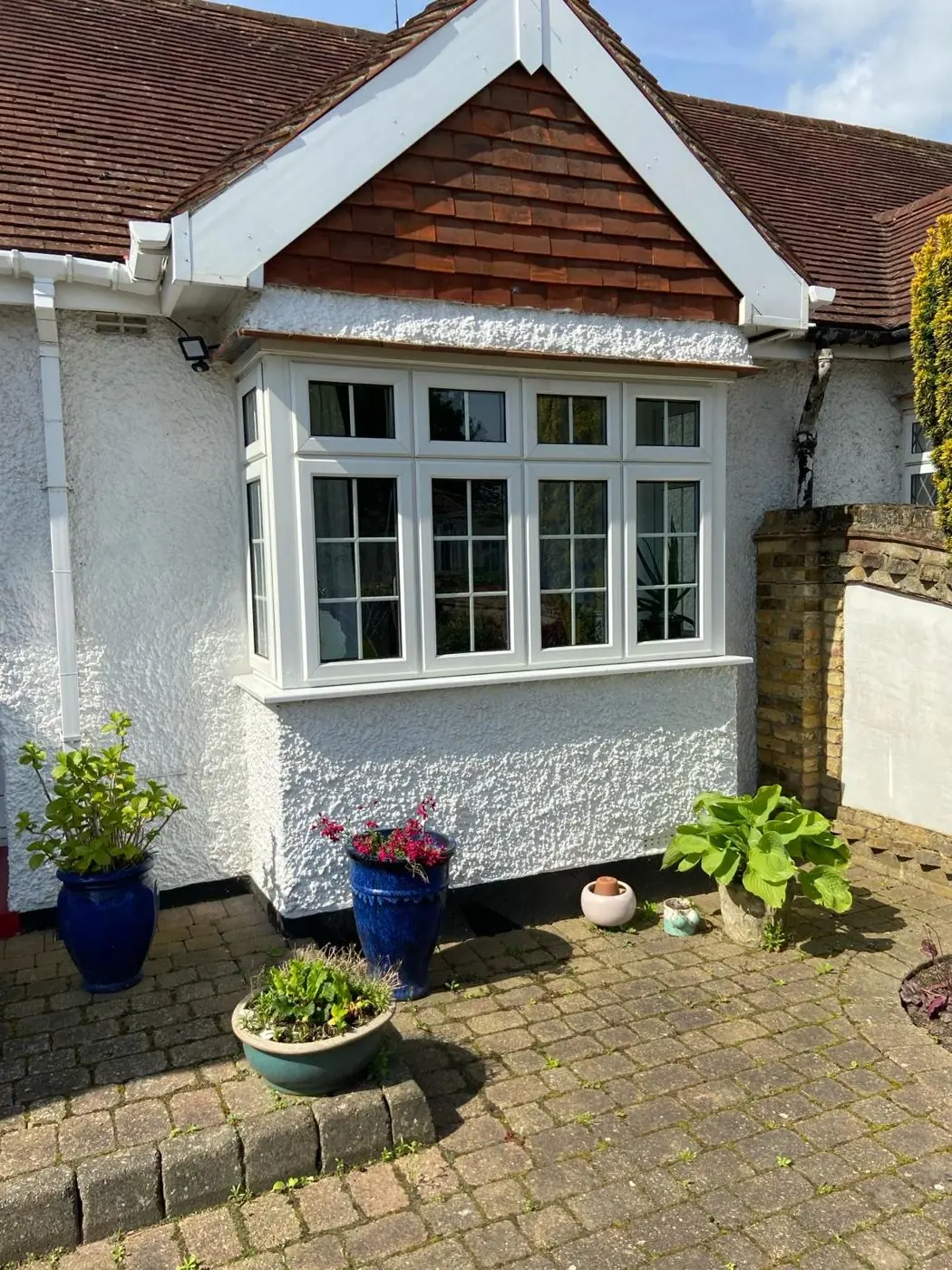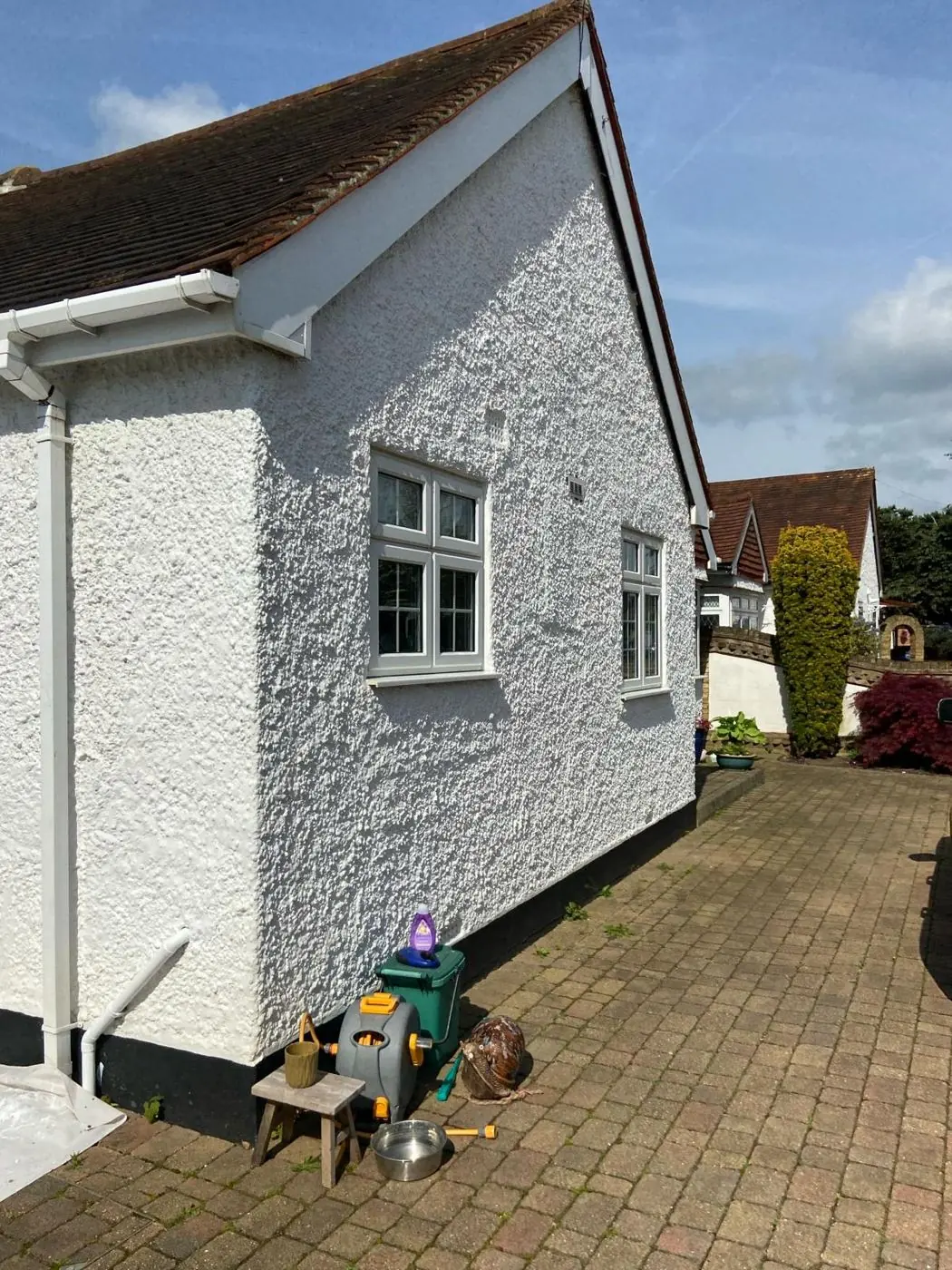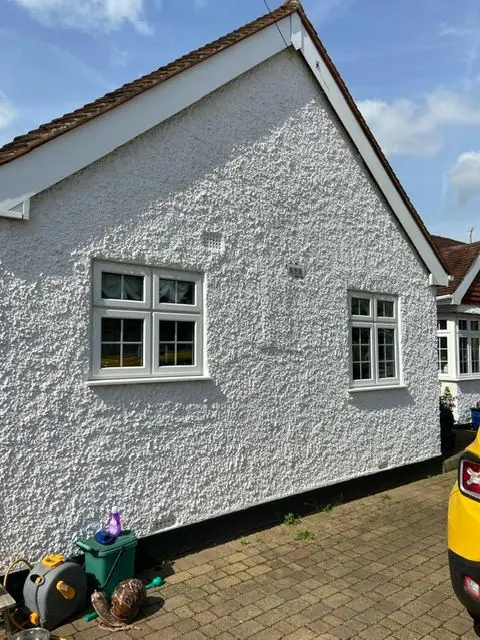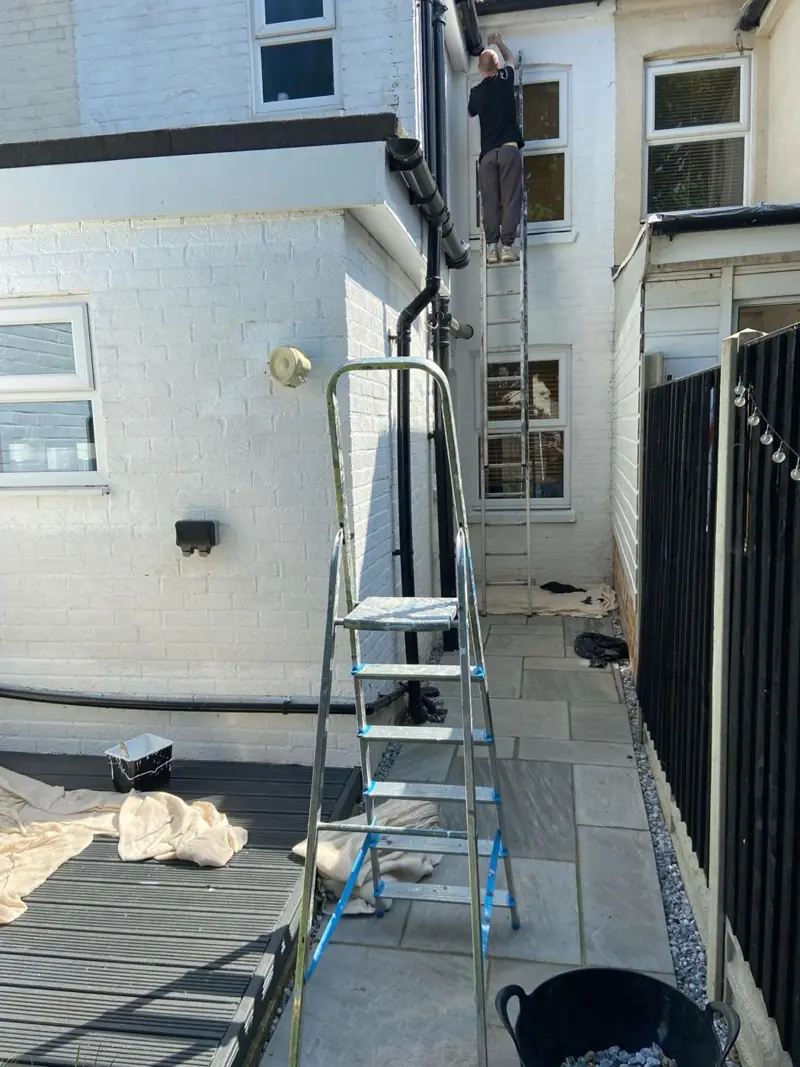
Dean of DH Painter & Decorator paints render, painted brick and masonry panels on homes in Blackthorn, NN3, about 3.8 miles north-east of Northampton town centre. Because wall finishes on the estate vary from house to house, every job starts with a site check, and shaded walls near Lings Wood get a biocide treatment before any coating.
Start with what the wall actually is
None of the sources we have read for Blackthorn records what the houses are built from or faced with. That is unusual compared with older parts of Northampton, where a conservation appraisal often lists the brick or stone street by street. Here the estate went up from the mid-1970s as a Development Corporation scheme, and in the fifty years since, any house may have been rendered, clad or painted by an owner. So rather than assume, Dean checks each wall on the first visit:
- Is it bare facing brick that has never been painted? If so, painting it is a decision you cannot easily undo, and we will say so.
- Is it render, and is it sound? Tapping finds hollow patches that would let paint and render come away together.
- Is it already painted? Then the question is what with, and whether the old coat is chalking, flaking or holding well.
- Is it a timber or cladding panel set into the masonry? That needs a timber system, not masonry paint.
The general process for render and painted brick, from crack filling to two finishing coats, is on our main render and masonry painting page, and our guide to painting render and roughcast goes further on surface types.
Lings Wood, shade and green growth
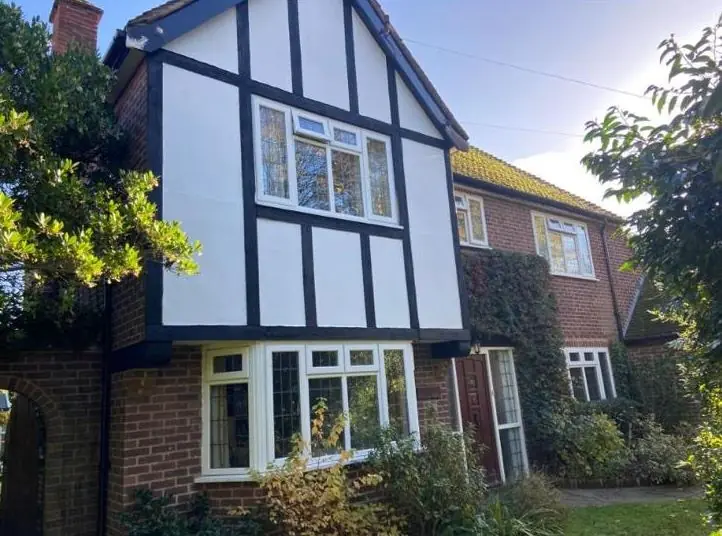
Lings Wood runs along the estate’s western edge, and the homes that back onto it or face it sit under mature trees. Shade, damp and leaf litter are a reliable recipe for algae and mould, and on a rendered wall that shows up as green or black streaking, worst on north-facing elevations and below dripping gutters. Masonry paint applied over live growth will not stay on. The wall is treated with a biocide, left for the product to work, then brushed down before anything else happens. If a blocked gutter is feeding the problem, that needs sorting first, or the staining will be back within a season or two.
Northampton East has more green space than the town on average, so even houses some way from the wood can have hedges or trees close enough to keep a wall damp. It is worth mentioning when you get in touch if part of your house rarely sees direct sun.
One house in a matching row
With terraced homes making up between 45% and 64% of the stock in the two Census areas covering Blackthorn, most masonry jobs here are on a house joined to others. That brings two things to settle before a brush is lifted. First, where exactly your wall ends: the line between two painted fronts needs to be agreed with your neighbour, and a crisp vertical cut on that line looks deliberate rather than accidental. Second, colour. A terrace reads as one block from the court or the walkway, so a shade that looks fine on a card can jar badly against white or cream either side. We can paint a test patch so you see it in place before committing.
Mid-terraces also have no side access, so materials for a rear wall come through the house, and on the front the ladder may stand on a shared footpath that needs keeping clear.
Patch repairs on a fifty-year-old estate
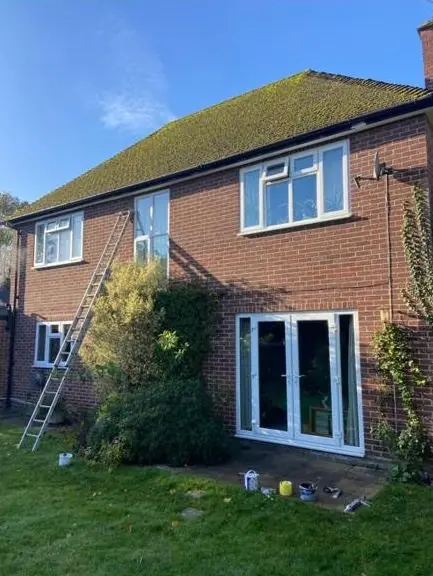
Fifty years of weather is enough to open cracks and loosen old coatings on any wall here. Typical preparation includes raking out and filling hairline cracks, cutting back blown render to a sound edge for patching, stabilising chalky old masonry paint, and dealing with earlier DIY coats that were never meant for outside use. Where a crack suggests movement rather than ageing, we will point you to a builder before painting over it.
See our Blackthorn page for other work on the estate.
Last updated by Dean, DH Painter & Decorator.