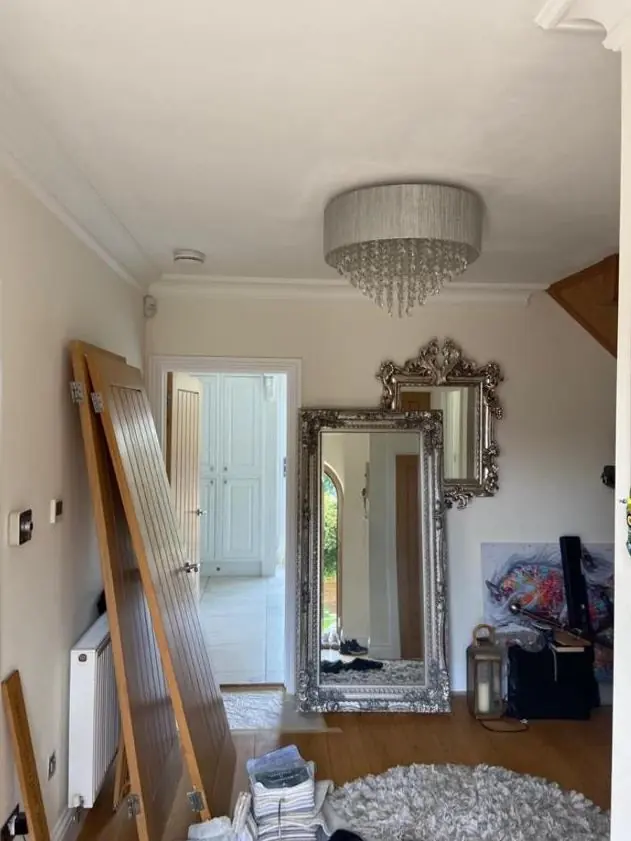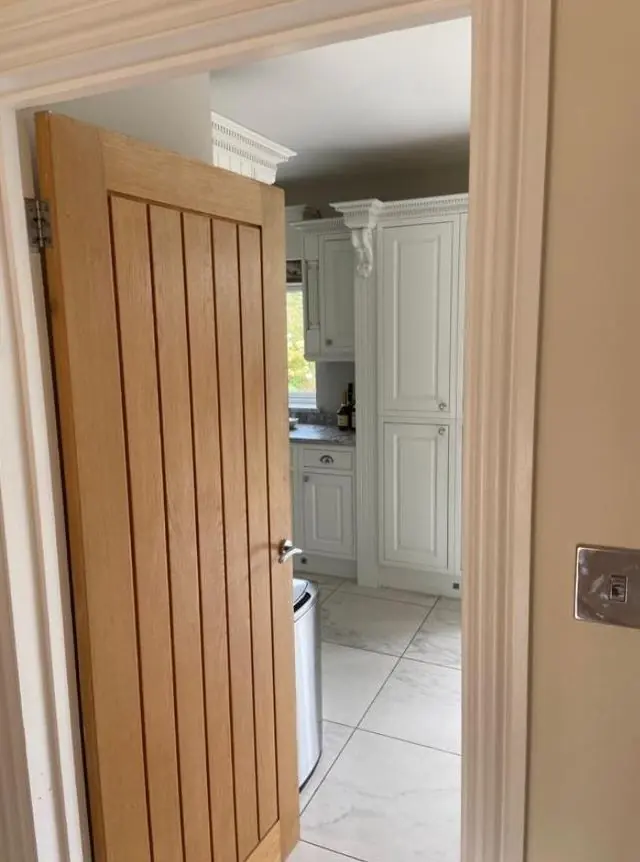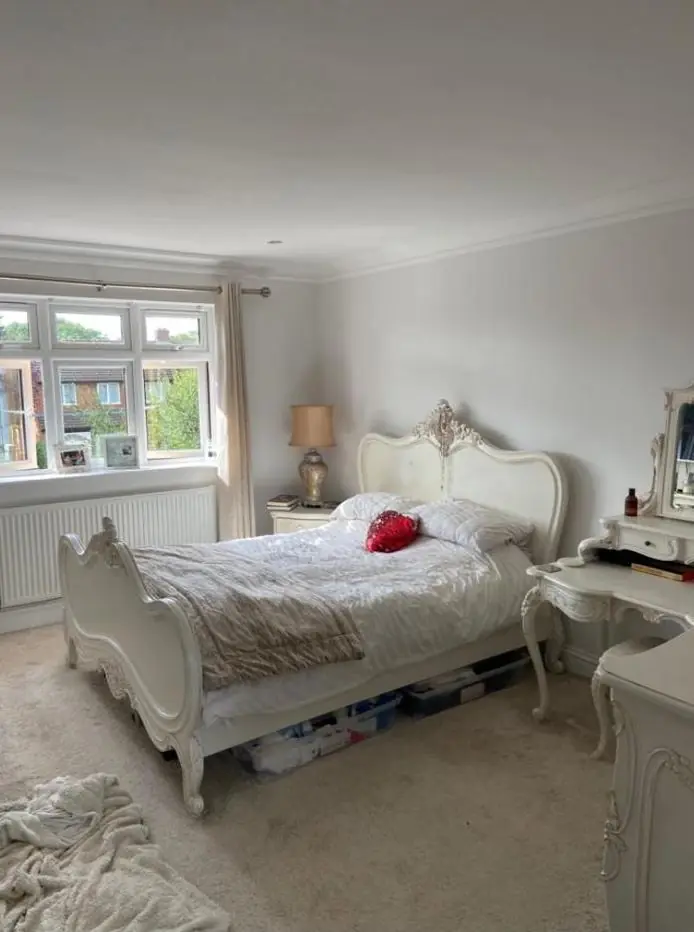
Dean gives colour and finish advice alongside decorating work in Semilong, the NN2 terraces 0.8 miles up from Northampton town centre. That ranges from checking whether a front door colour on Marriott Street needs council permission to choosing hard-wearing neutrals for an HMO whose tenants change often.
A street or two can change the rules
Most of Semilong’s terraced grid sits outside any conservation area, so on a street such as Gordon Street or Salisbury Street you can generally paint your front door, windows and walls whatever colour you like. The eastern edge is different. Marriott Street and the houses lining Barrack Road and Kingsthorpe Road belong to the Barrack Road Conservation Area, and since October 2000 its Article 4 rules have meant that repainting any street-facing part of a house is no longer an automatic right.
So before suggesting a new front colour on those streets, Dean will tell you to check with West Northamptonshire Council first. The conservation appraisal also singles out the painted stone dressings on the brick terraces (sills, lintels, architraves, console brackets) as a defining detail. The sensible advice there is to keep them in their existing colour rather than picking them out in something new or stripping them back. And on the two stone ranges of Leicester Parade and St Paul’s Terrace, where the walls are rubble stone with ashlar trims, the stone is meant to stay bare: colour choice applies to the joinery, bargeboards and doors, not the walls.
Fronts facing north or south
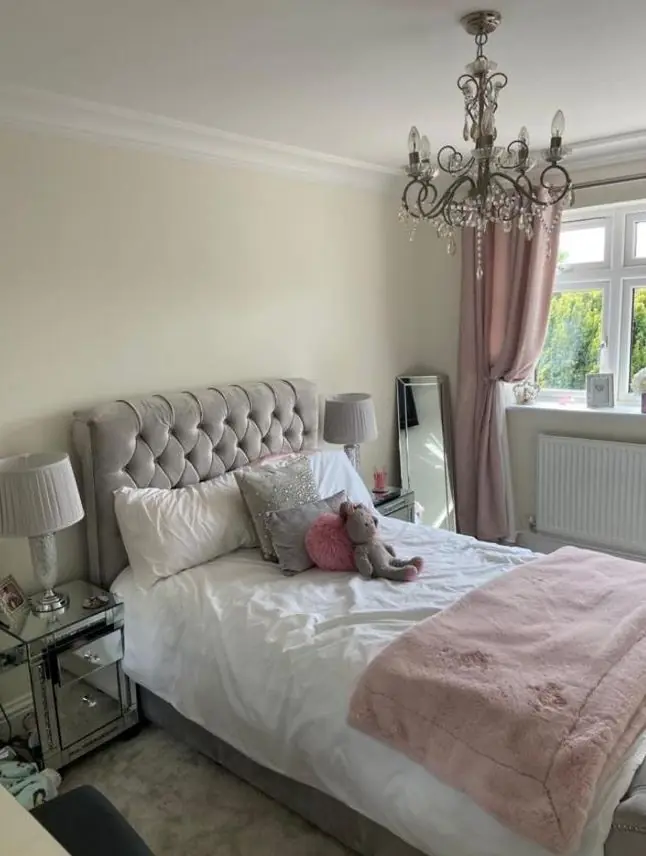
Because Semilong was laid out as east-west streets, most houses face roughly north or south, and that changes how a colour behaves inside. Rooms on the north-facing side get cool, even light all day; pale greys and crisp whites can look flat or bluish there, and a white with a warm undertone usually sits better. Rooms on the south-facing side get direct sun, which can make a warm cream look yellow by mid-afternoon and suits cooler or slightly deeper shades.
Dean looks at samples on your actual walls, at the time of day you use the room, before you commit to a full order. A sample pot on a board moved around the room tells you far more than a printed card.
Picking colours that outlast a tenancy
Semilong is heavily rented, and its neighbourhood plan calls the population often transitory. For landlords the brief is rarely about character. It is about colours that look clean in letting photos, hide everyday marks and can be touched up quickly when the next tenant moves in. Our advice for those houses tends to be:
- One warm off-white or light neutral across all let rooms, so a single colour covers every touch-up
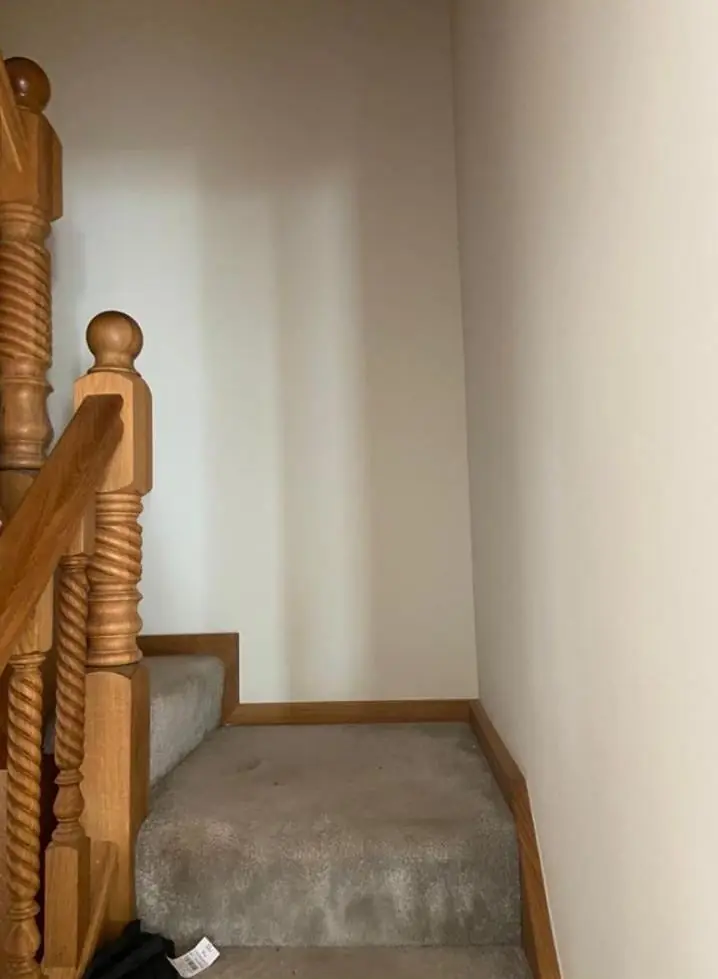
- A slightly deeper shade on shared halls and stairs, where hands and bags mark the walls
- Scrubbable matt or eggshell rather than cheap trade matt in rooms that see heavy wear
- Satin or eggshell on woodwork instead of high gloss, which shows every dent in old doors
- A written record of colour names and finishes left with you or your agent
For owner-occupied homes the conversation is broader: whether a period hall suits a darker lower wall, how to make a small back room feel less enclosed, or which white works with original panelled doors.
Finish matters as much as colour
Sheen is the part of the choice people often skip. On lower walls near a cellar head, of the kind agents mention on Gordon Street and Cambridge Street, a breathable matt is a safer pick than a vinyl or high-sheen finish, because it lets residual moisture out. In kitchens and bathrooms a moisture-resistant product matters more than the exact shade.
More on how light, undertone and sheen work is on our colour and finish advice page. Advice is included when you book decorating, whether that is exterior painting on a Marriott Street front or a room inside. For the full list of work we take on in the neighbourhood, see the Semilong area page.
Last updated by Dean, DH Painter & Decorator.