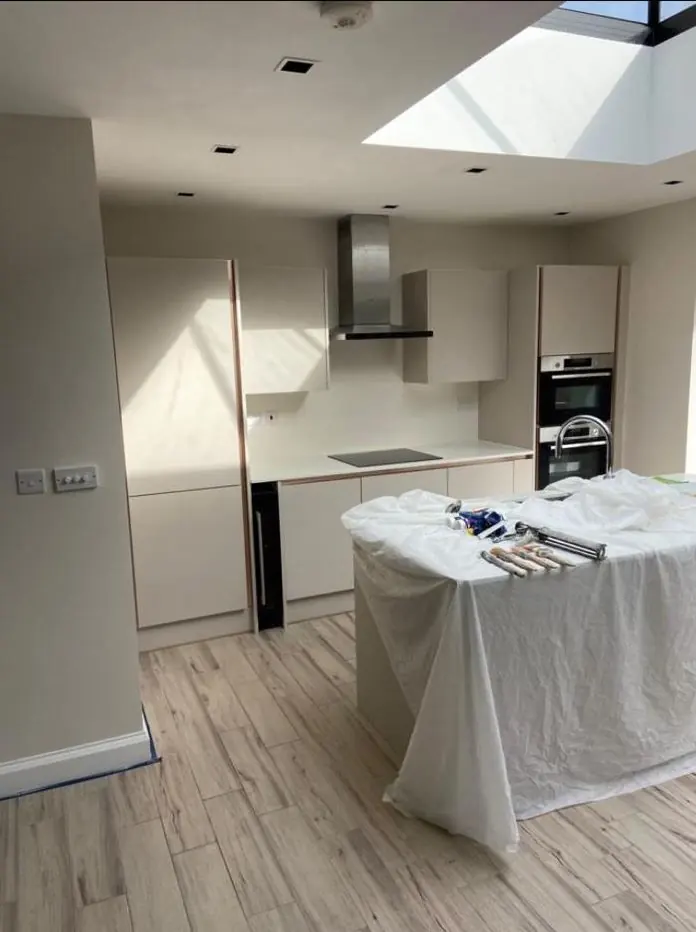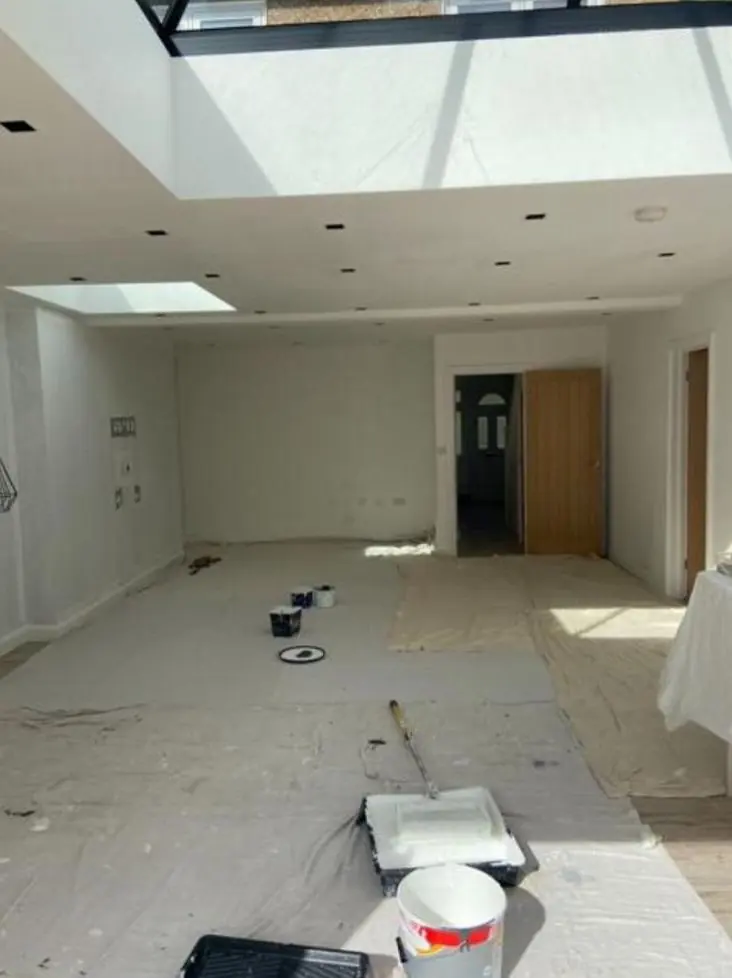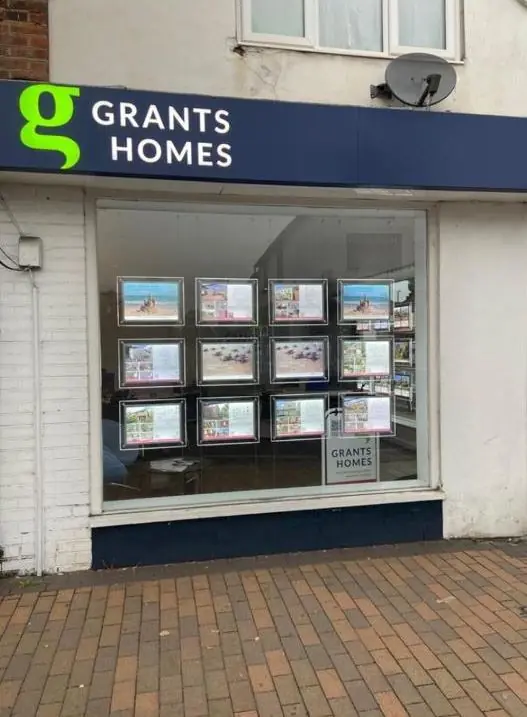
Dean paints shops, community buildings and communal areas in Far Cotton, the NN4 suburb 0.9 miles south of Northampton town centre. Work on the local shopping parades and halls is scheduled around trading and booking hours so the premises can keep running.
The premises this side of the river
Far Cotton has its own shopping street. St Leonard’s Road runs between Towcester Road and London Road and is the main parade; Gloucester Avenue has more shops and Mereway a local one. Along Towcester Road there are community buildings: the Rec Centre, Towcester Road Methodist Church and St Mary’s Church, built in 1885 to a design by Matthew Holding. The riverside developments of the 2000s added blocks of flats with shared entrances and stairs that someone has to keep presentable. That is the commercial work here: small shops, halls and communal areas, not office parks.
Our main commercial painting page covers how we plan business jobs in general. Below is how that works on Far Cotton premises.
Painting around trade on St Leonard’s Road

A shop on a working parade cannot shut for a week. Inside, we usually split the job so the shop floor is done in sections, in an order agreed with you, with the till area and entrance done at a quiet time you choose. Low-odour water-based paints mean customers are not walking into a smell of solvent.
Outside, the questions are about the street. St Leonard’s Road links two main through routes, so short-stay parking and loading need planning, and a ladder or podium on the footway has to leave room for people walking past. We agree a start time, keep the working area coned off and clear it at the end of each session. Fascia boards and shop windows have their own page: see shopfront painting.
Halls, churches and community rooms
Community venues have bookings rather than opening hours. A hall used by groups through the week can often be decorated in blocks between sessions, with the room left clean and usable each evening. Before starting we agree with whoever manages the bookings which days are clear and which rooms have to stay open. Kitchens and toilets in a hall are usually done on their own days, so groups always have one of each to use, and any high ceiling work that needs a tower is booked into a run of empty days rather than set up and taken down between sessions.
Older buildings need more thought about materials. St Mary’s dates from 1885 and is of traditional construction. Walls like these need to breathe, and modern plastic-based masonry or vinyl paints can trap moisture behind them, so we use compatible breathable systems on any traditionally built hall or church wall. The ground matters here too: parts of Far Cotton are on flood-risk land near the Nene, and a ground-floor hall with damp low walls needs that checking before any repaint.
Shared areas in residential blocks

Management companies for the riverside blocks, such as River View and Mill House, need entrance halls, stairwells and landings kept tidy without locking residents out. For these we:
- work one floor or section at a time and keep every route open;
- put up wet-paint signs and keep walkways clear of kit;
- use hard-wearing, washable finishes on walls that take knocks from deliveries and removals;
- agree working hours that suit the building and leave nothing on the landings overnight.
Arranging a site visit
Far Cotton sits 0.9 miles south of the town centre, so a site visit is easy to fit in. Dean will look at the premises, ask how the business or building runs, and give a written quote. The Far Cotton area page has more on the area, and the number to call is 07539 779 036.
Last updated by Dean, DH Painter & Decorator.