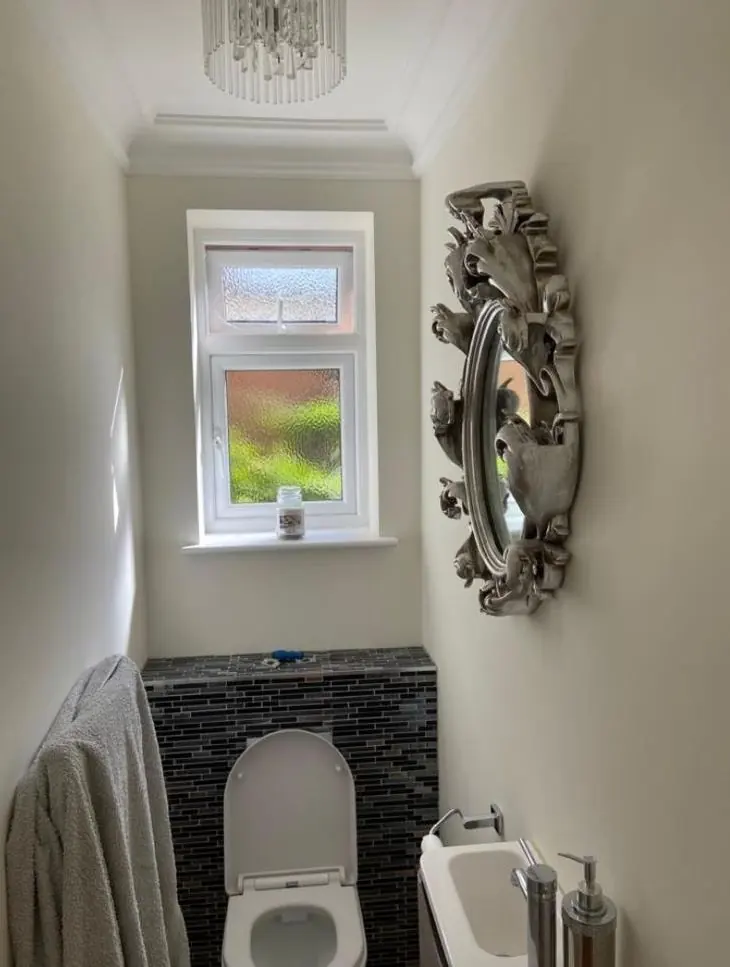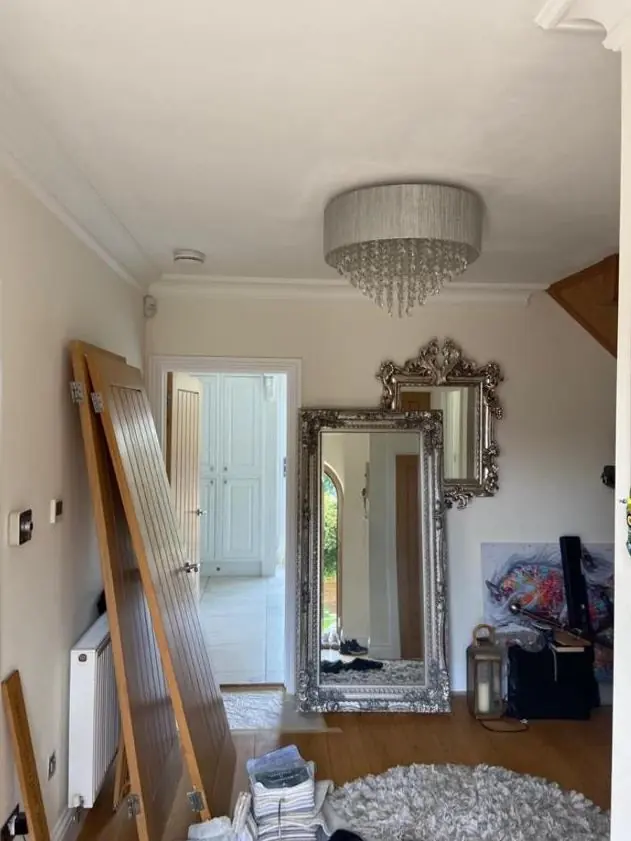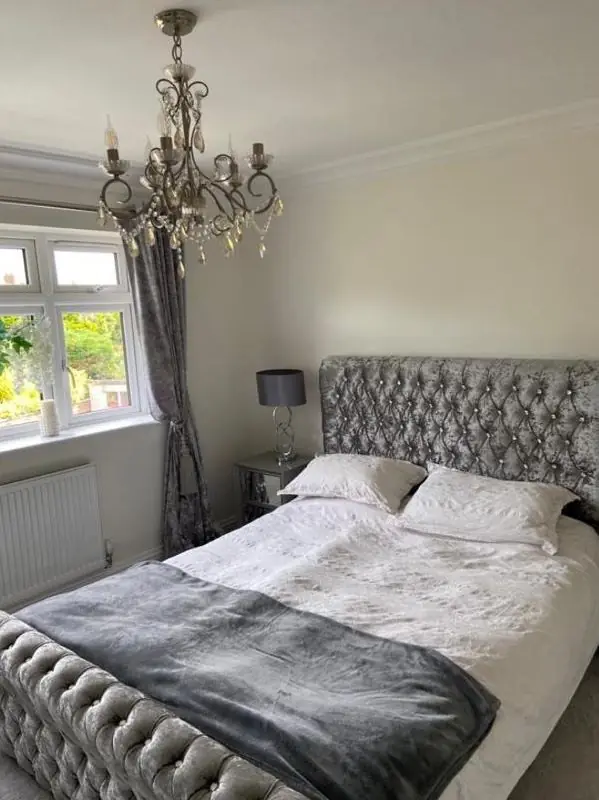
Dean helps Far Cotton homeowners and landlords choose colours and finishes as part of a decorating job, about 0.9 miles south of Northampton town centre. Here the advice is shaped by freedom of choice outside, terrace rows that read as one facade, and finishes that cope with road dirt and riverside damp.
No conservation area, but check the abbey edge
Far Cotton is not on West Northamptonshire Council’s list of conservation area appraisals, and no heritage Article 4 direction covers it. In practice that means you can choose the colour of your front door, window frames or rendered front without asking the council. That is not the case a short walk east, where the Delapre Park conservation area covers the abbey parkland on Far Cotton’s eastern edge.
If your house is close to the park, it is worth checking the boundary before choosing anything bold for the outside. The Article 4 directions that do apply in Far Cotton and Delapre deal with converting houses to shared lets, not with paint colours.
A row of terraces is seen as one frontage
Freedom of choice doesn’t always mean every option will look right. On terraced streets like Abbey Road, Southampton Road and Euston Road, the houses sit shoulder to shoulder, so from the pavement a front door is seen against the doors either side of it. When we advise on the outside of a terrace, we look at the street as well as the house:
- A strong door colour looks more deliberate when the frames and sills around it are kept quieter, in an off-white or soft stone rather than brilliant white.
- If the brick is left bare, its tone should guide the choice. Deep greens, blues and dark reds usually sit better against red brick than pale pastels.
- If you and your neighbour are both repainting, matching the frame colour across the two houses makes the pair look tidier.
Read more on what we paint outside on our exterior painting page.
Picking a sheen for dirt, damp and wear
The finish is often a bigger decision than the colour in Far Cotton, because of where the houses are:
| Situation | Finish we usually suggest |
|---|---|
| Front elevations on Towcester Road or London Road | A dirt-resistant masonry paint in a mid-tone rather than pure white, which shows traffic grime within a season or two |
| Homes beside the railway or the Network Rail depot | Avoid very pale sills and render. Mid-greys and stone shades hide the dust between washes |
| Ground-floor woodwork near the Nene and canal | Microporous satin rather than traditional gloss, so damp timber can breathe |
| Shared halls and kitchens in let houses | Scrubbable matt or eggshell in a hard-wearing mid-neutral |
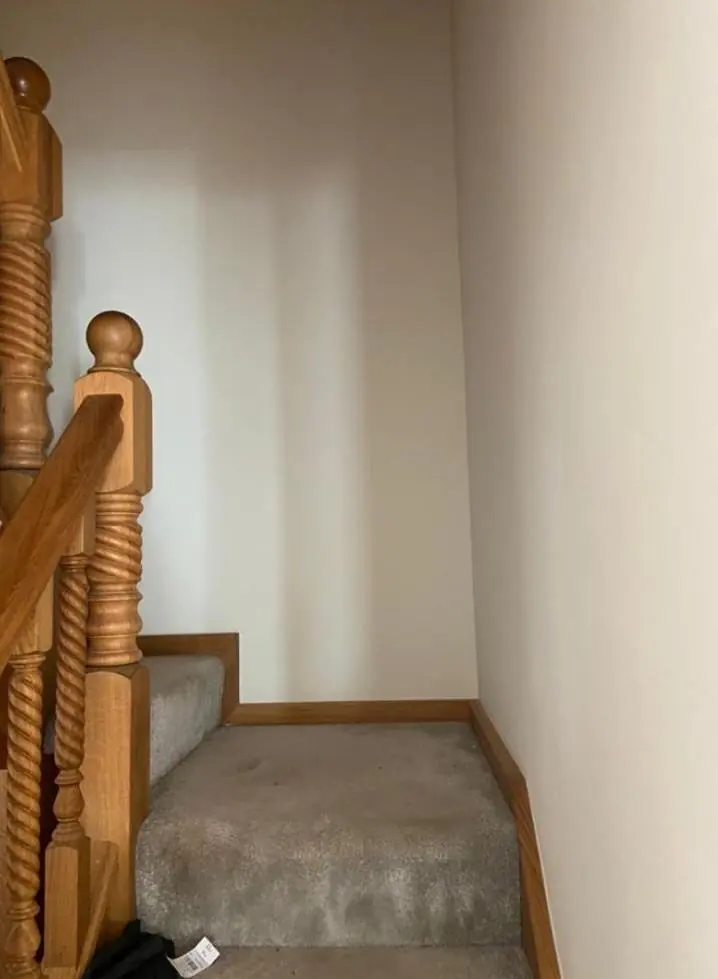
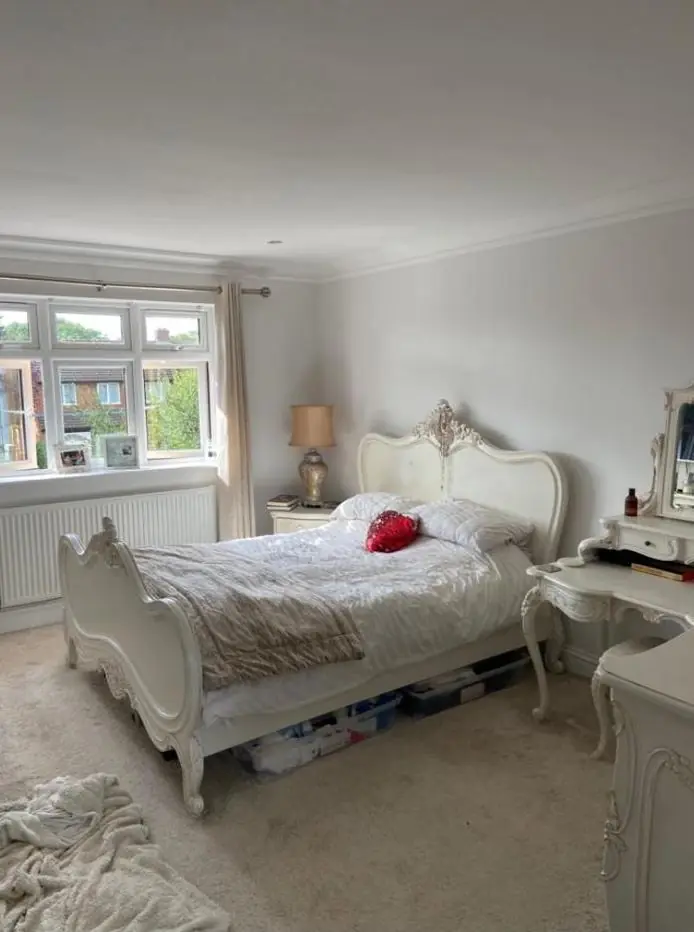
Inside, the same reasoning applies. In a narrow terraced hall where bikes, buggies and shopping bags brush the walls every day, a durable matt hides the unevenness of an old wall better than eggshell and still wipes clean. Satin on doors and skirtings is easier to live with than high gloss, which shows every knock from the steep stairs.
Moving on from builder magnolia
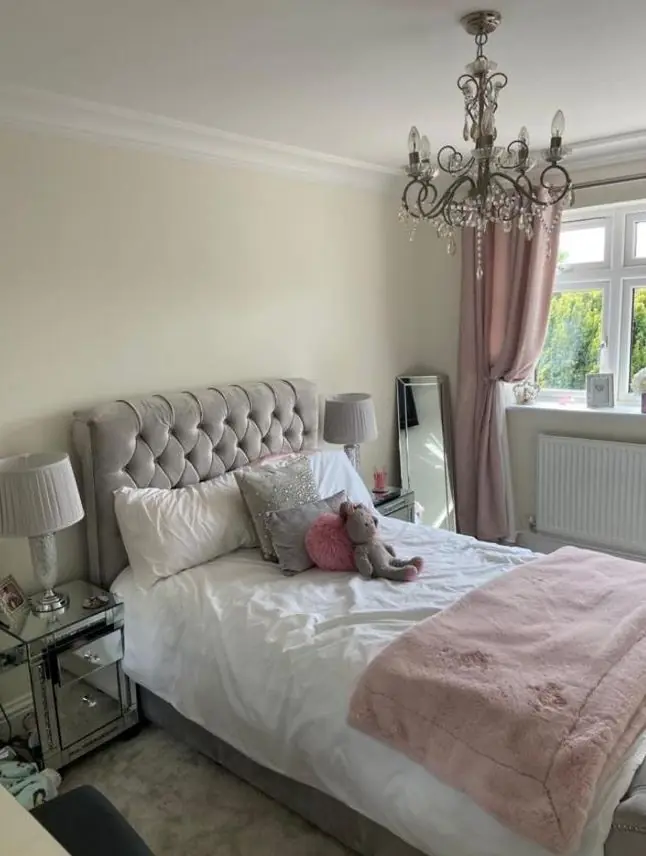
Homes on Riverside Wharf, Cotton End and Southbridge are now 15 to 25 years old, and where the walls still carry the builder’s original pale neutral, the first full redecoration is the chance to add colour. Where the ground floor is open-plan, the aim is more character without the spaces feeling disjointed.
Our usual approach is to pick one colour family, then use a deeper shade from it in the smaller rooms and a lighter one in the main living space. We paint large sample boards and look at them in your rooms at the time of day you use them, because a card from the shop seldom shows how a colour will look on your walls. The full method, including how light direction changes a colour, is on the colour and finish advice page. Other work we do locally is listed on our Far Cotton decorating page.
Last updated by Dean, DH Painter & Decorator.