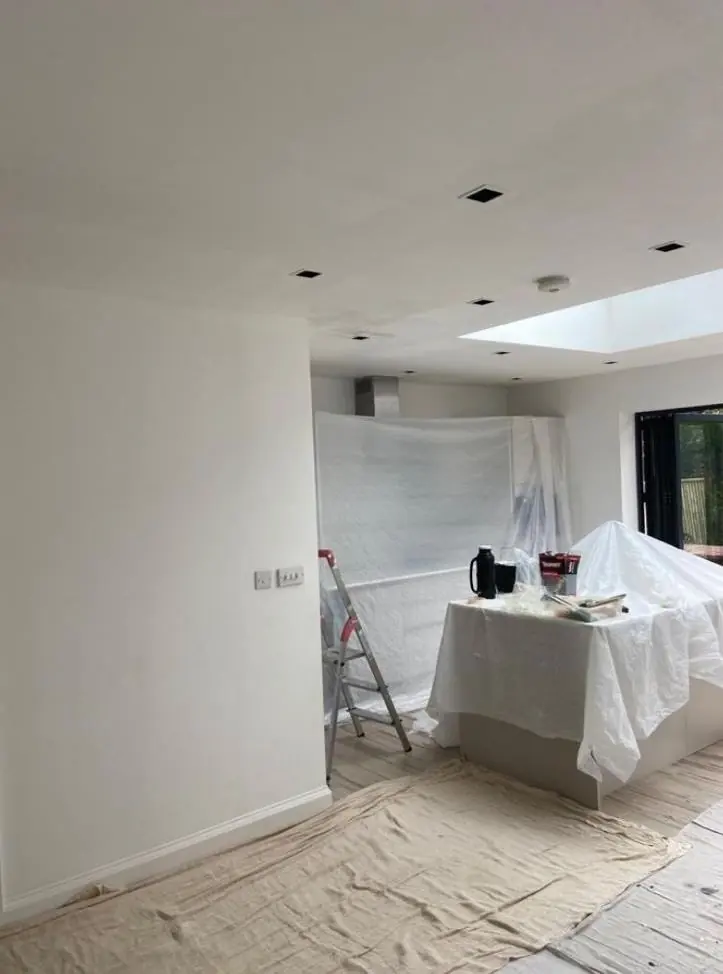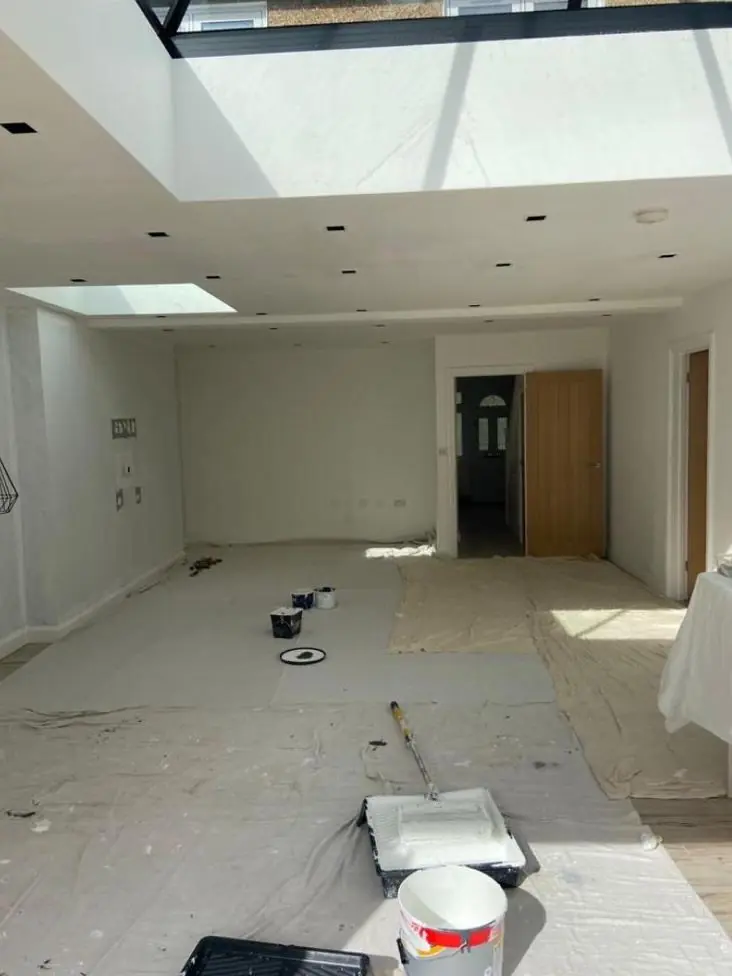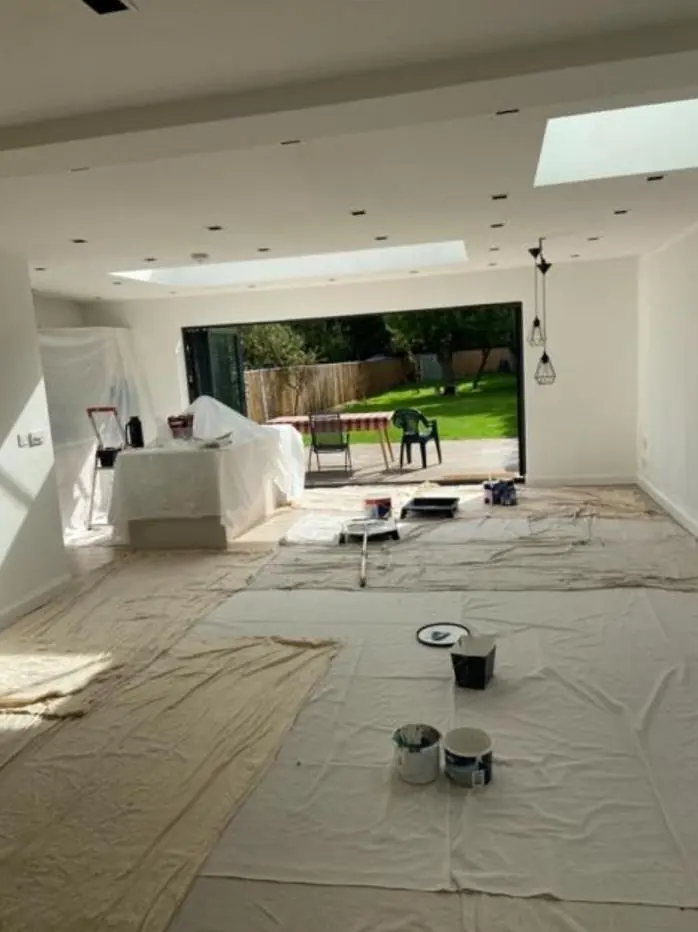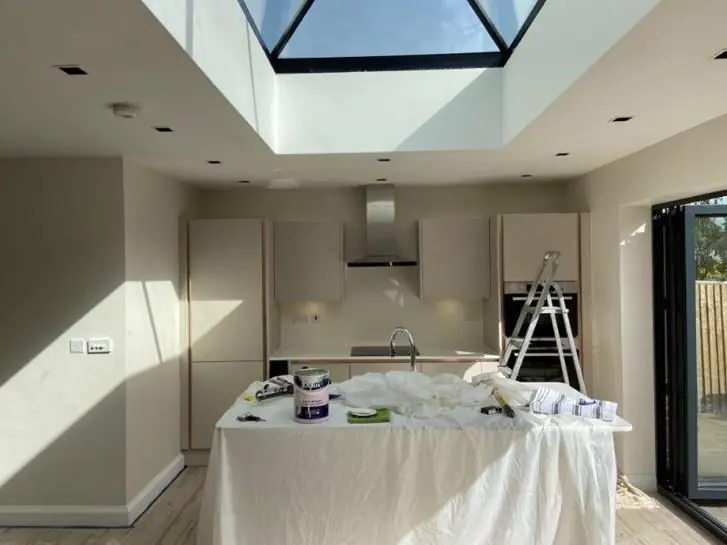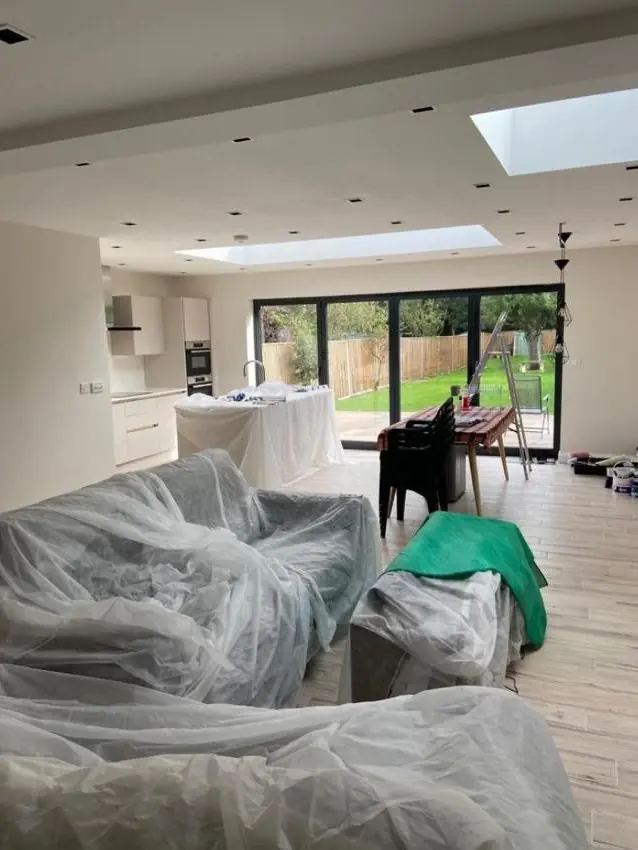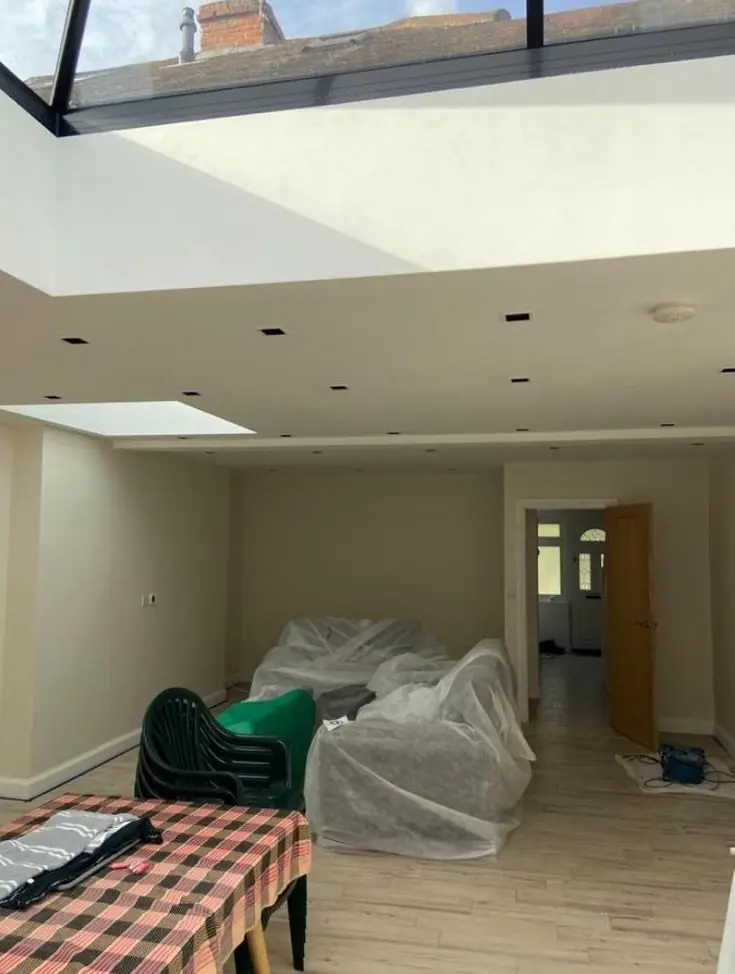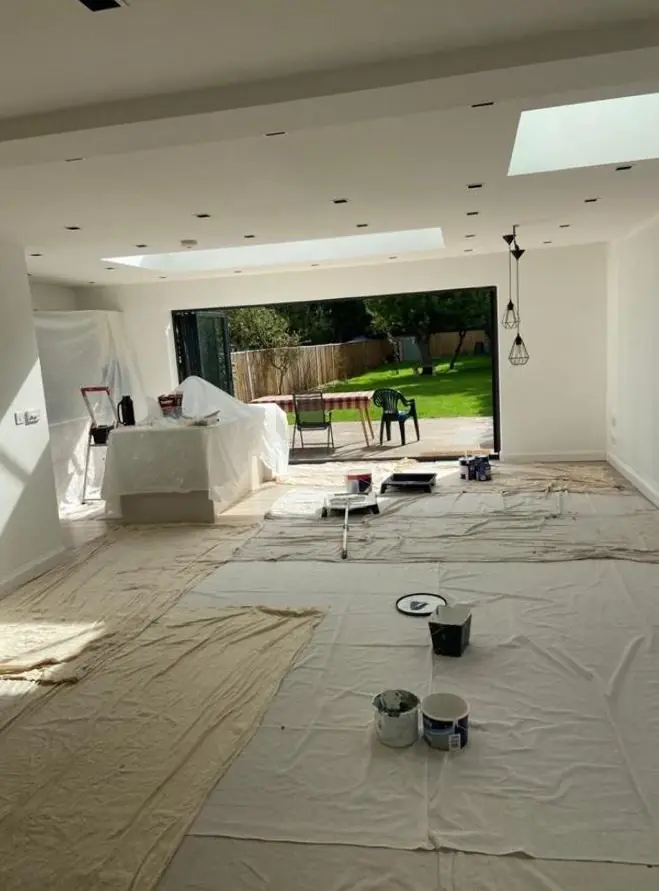
Dean decorates new plaster, re-skimmed rooms and extensions in Far Cotton, the riverside suburb 0.9 miles south of Northampton town centre. Much of the new plaster here comes from brownfield building or from walls redone after water damage, and both need careful drying checks before painting.
Where new plaster comes from on this side of the Nene
New plaster in Far Cotton tends to come from three places. The first is brownfield building. The Riverside Wharf, Cotton End and Southbridge estates went up in the 2000s, housing now stands on the old Bridge Street station site between Old Towcester Road and the railway, and the Nunn Mills site was planned for more than 3,000 homes. The second is flood repair: parts of Far Cotton sit on low ground that the community council lists as at risk, and walls stripped after water got in have to be plastered again. The third is ordinary renovation in the older terraces and semis, where a tired room is re-skimmed or an extension goes on at the back.
The basic method of a diluted mist coat followed by full-strength finish coats is the same in every case and is covered on our new plaster and extension painting page and in our mist coat guide. The drying time is where Far Cotton jobs differ.
Replastering after water damage
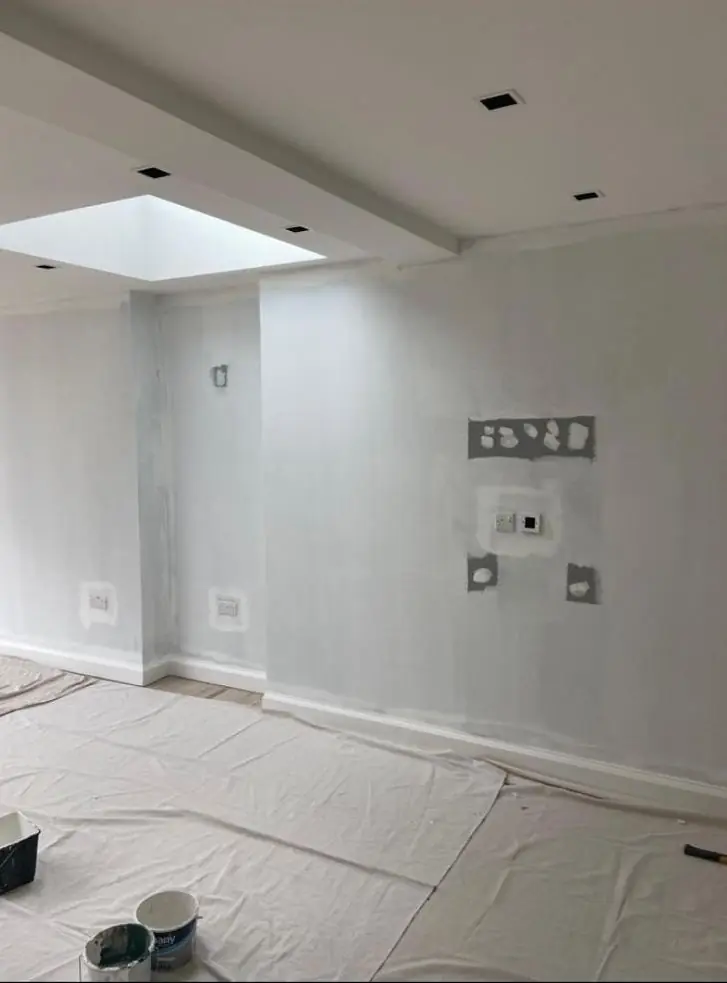
When a ground floor has been under water, the brickwork behind the new plaster can hold moisture long after the surface looks pale and finished. A skim that has turned an even light pink on the face can sit over a wall that is still wet deeper down. If paint goes on too soon, the moisture has nowhere to go: the finish blisters, salts come through as a white bloom, and the decorating has to be done again.
So on any wall replastered after a flood or a leak, Dean takes moisture readings low down and at several heights before quoting a start date. Breathable paint is the safer choice on these walls for the first year or two. We avoid vinyl silk and heavy-duty sealing finishes until the wall has settled, because they stop the plaster drying out. If the readings say wait, we say wait, even if the room looks ready.
New homes on the brownfield sites
Developers often finish new homes with a single coat of contract matt over the plaster. It is cheap, it is chalky, and it marks if you breathe on it. Owners in newer homes, whether on the 2000s estates or the more recent cul-de-sacs such as Harvester Way and Leah Bank, often find that the first redecoration means dealing with that base layer as well. Our approach:
- Test the existing coat. If it rubs off on a damp cloth, it gets a stabilising primer before any colour.
- Fill the settlement cracks that open at ceiling joints and around window reveals in the first couple of years.
- Paint new MDF skirtings and architraves, which are often only primed, with a proper undercoat and top coat.
Extensions on older houses
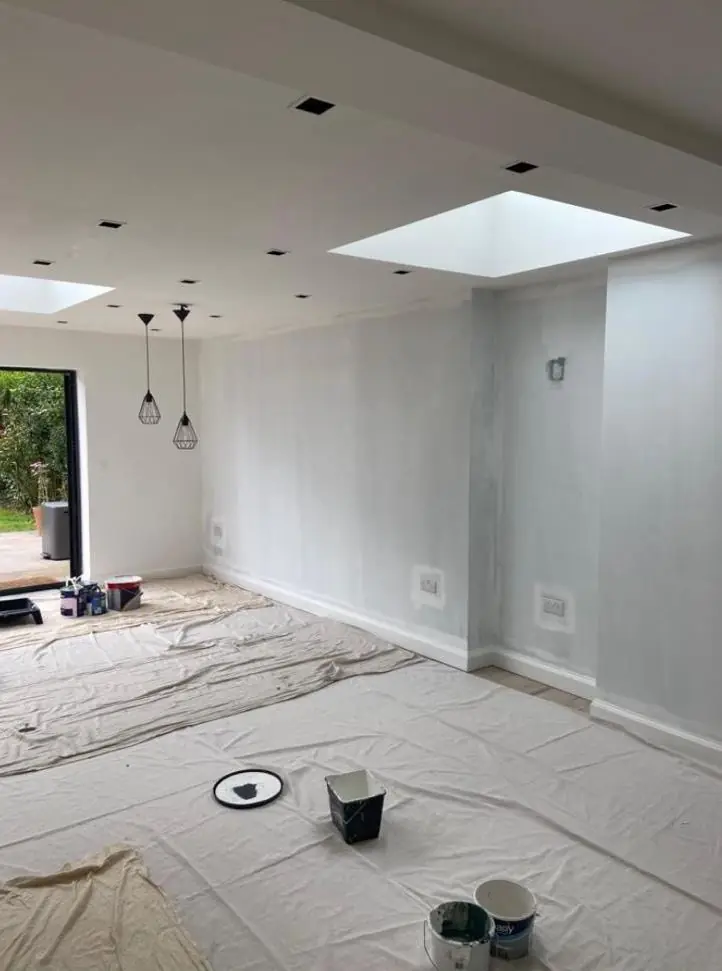
A back extension on a terrace or a semi joins old walls to new ones. The new blockwork and plaster dries at a different rate from the old wall it meets, so the join is where hairline cracks appear. We leave the join until last, flexible-fill it once the mist coat has shown up any movement, and then carry the finish across the whole wall so the line disappears. If you are planning an extension, it helps to tell us the plastering date so we can work out how long the walls need before we start.
Booking a visit
Far Cotton is a short drive south over the river from our Northampton base. The Far Cotton page covers the area as a whole. To arrange a free quote, call Dean on 07539 779 036.
Last updated by Dean, DH Painter & Decorator.