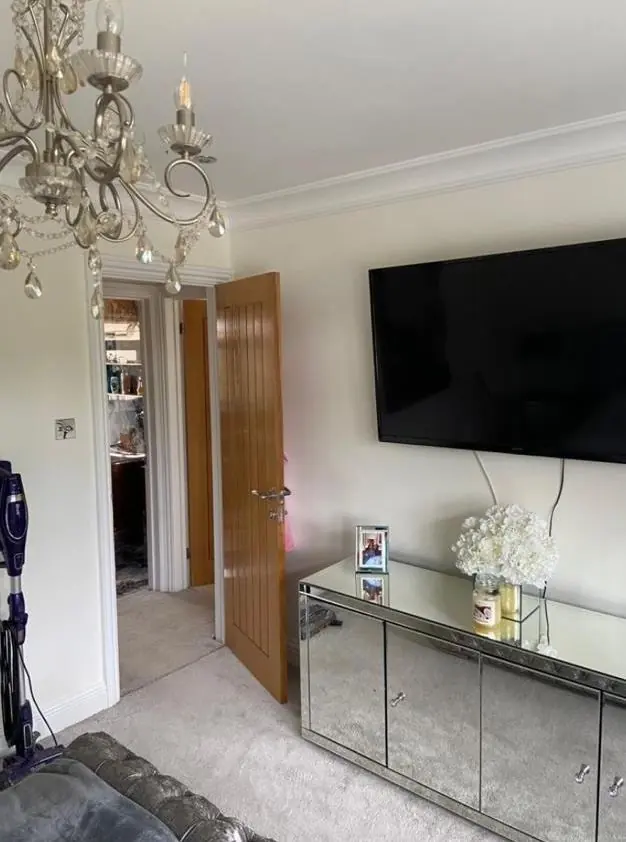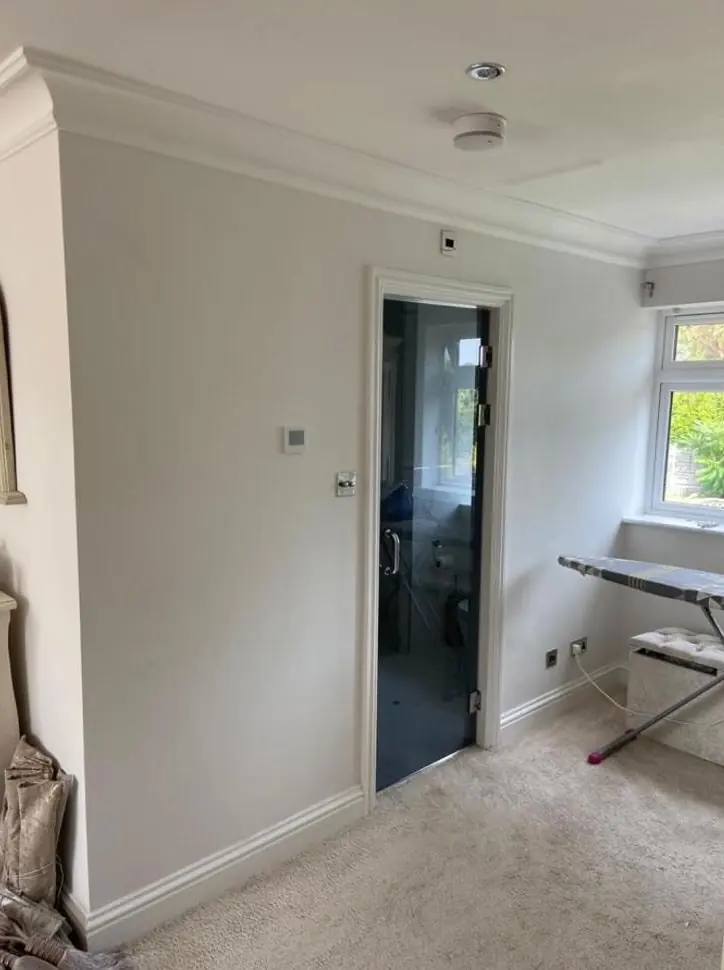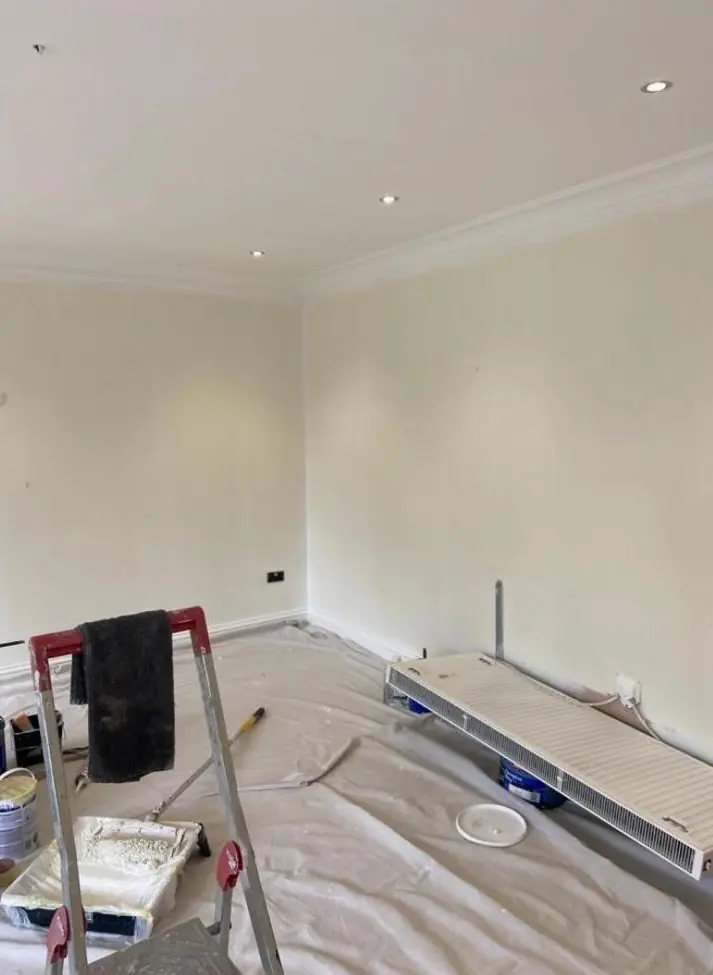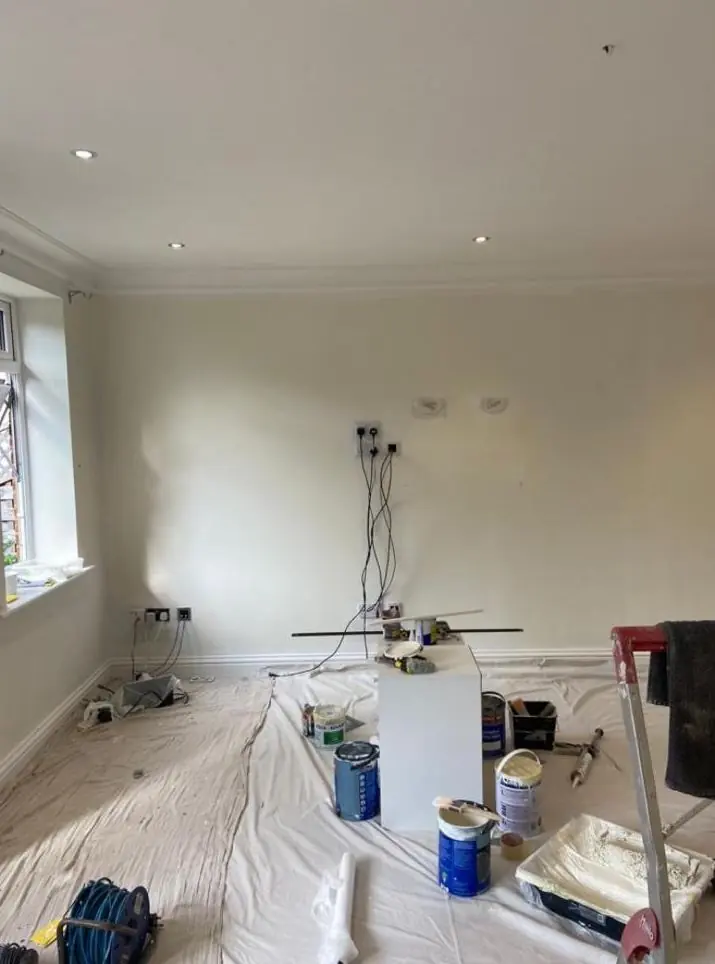
DH Painter and Decorator applies feature walls, panelling paintwork and hand-finished paint effects in Far Cotton, the NN4 neighbourhood about 0.9 miles south of Northampton town centre. They suit the larger semis on Towcester Road and Gloucester Avenue most naturally, though a scaled-down version can work in a terraced front room.
Where a feature finish makes sense in Far Cotton
Decorative work needs space around it. A two-tone wall, a band of painted panelling or a colour-washed effect looks deliberate when there’s enough wall to see it from a few steps back. In Far Cotton, that space is most often in the semi-detached houses on Towcester Road and Gloucester Avenue, where the rooms are generally larger than in the terraced streets nearby.
The kinds of decorative work people tend to consider for these houses are:
- painted panelling or a half-height dado in the hall and dining room
- a deep-toned chimney breast with a lighter shade of the same colour on the alcoves
- a two-tone split along a hand-painted horizontal line, which is useful on tall walls
- picking out any surviving cornice or picture rail in a contrasting sheen
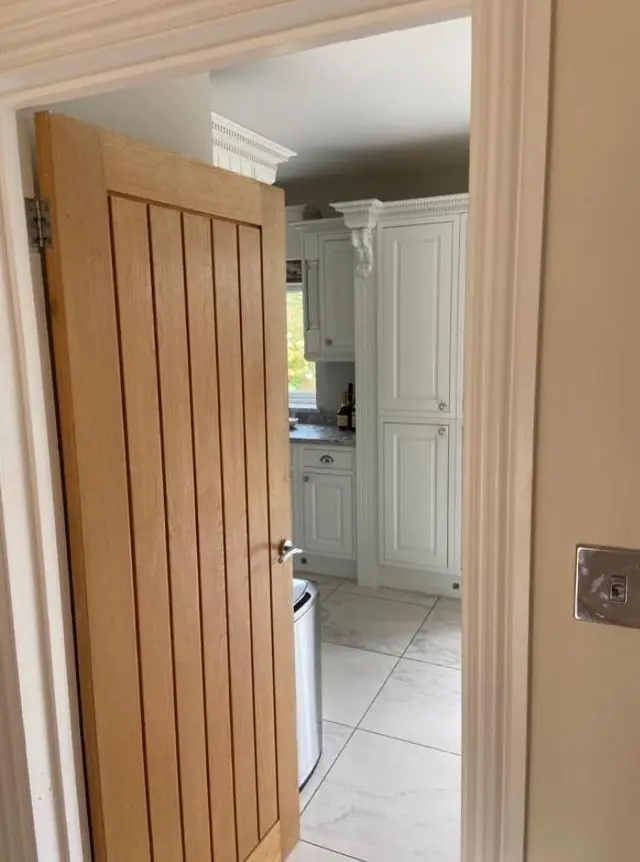
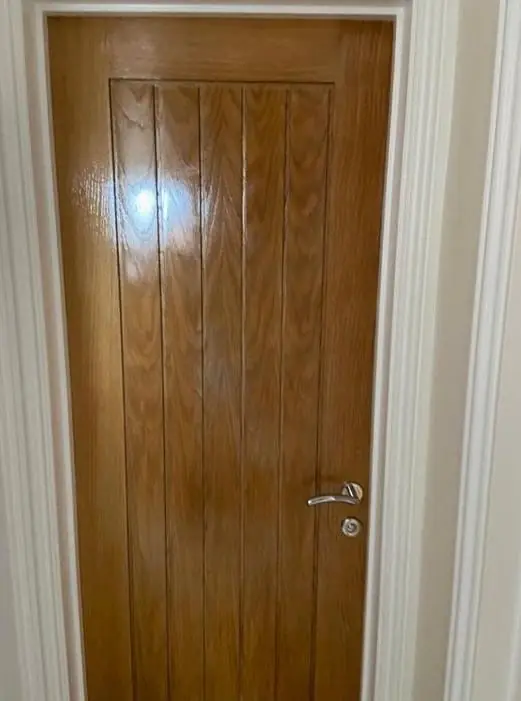
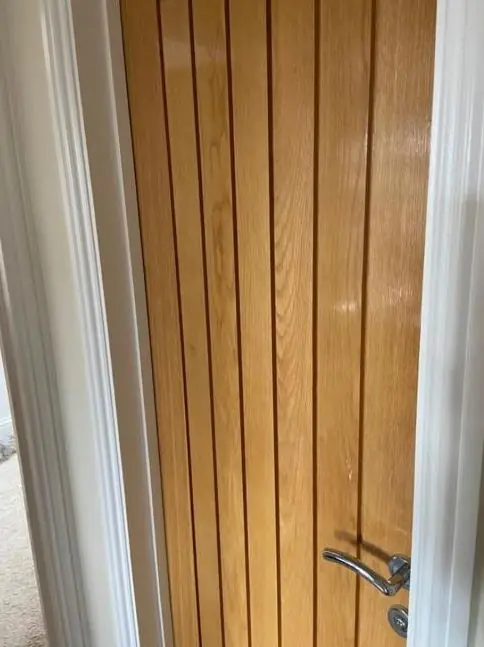
Before suggesting anything new, Dean looks at what original detail is left in the room. If a picture rail, cornice or panelled door survives, picking it out is often more effective than adding new mouldings. Where the detail has been stripped out over the years, painted panelling can give the room some structure back without any building work.
Scaling effects down for terraced rooms
On streets such as Southampton Road and Thirlestane Road, front rooms and halls are compact, and a busy effect across four walls closes them in. Dean usually suggests keeping decorative work to one controlled area:
- a colour-drenched alcove or chimney breast, where skirting, wall and shelf are all painted one colour
- a painted arch or block of colour behind a bed or sofa to mark a zone without any carpentry
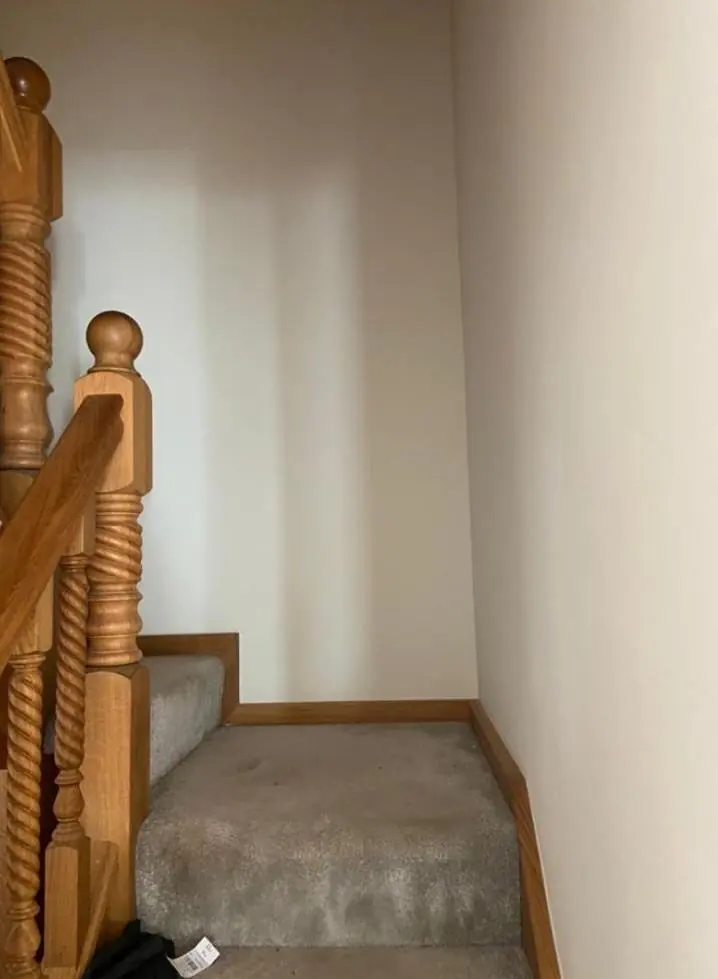
- a low dado band up the stairs, which hides the scuffs a narrow hallway gets
One finish we usually steer people away from in these houses is a high-gloss lacquered wall. On walls that have been patched over many decades, gloss shows every repair.
Panelling and timber near the river
Ground floors close to the Nene and the canal arm stay damp for longer, and some streets fall inside the riverside flood-risk zone. That affects decorative work more than flat painting, because these finishes often involve MDF panelling, beading or several layers of glaze.
Before fitting or painting panelling on a ground-floor wall in a riverside home, Dean checks the wall’s moisture and looks at the skirtings and door bottoms for swelling. Where there’s any doubt, he recommends:
- moisture-resistant MDF, sealed on the back and cut edges before fitting
- leaving a small gap at the bottom of panelling instead of running it tight to the floor
- breathable wall coatings rather than a heavy glaze build-up on a wall that may still be drying
Our main decorative finishes page explains the techniques and how each effect is built up.
New-build walls and shared buildings
Homes built in the 2000s on Riverside Wharf, Cotton End and Southbridge often have plasterboard walls and flat ceilings, a clean base for crisp geometric feature walls and painted shapes. Taped joints sometimes show under a strong colour, so Dean fills and sands them flush before any contrasting paint goes on.
Leasehold flats such as River View / Mill House can carry decorative work inside the flat, but nothing should spill onto the communal walls. In shared houses run under the HMO rules for Far Cotton and Delapre, a fancy finish is rarely sensible. A hard-wearing plain paint is easier to touch up between tenants. For general decorating in the area, see our Far Cotton page, and for costs see the painter and decorator cost guide.
Last updated by Dean, DH Painter & Decorator.