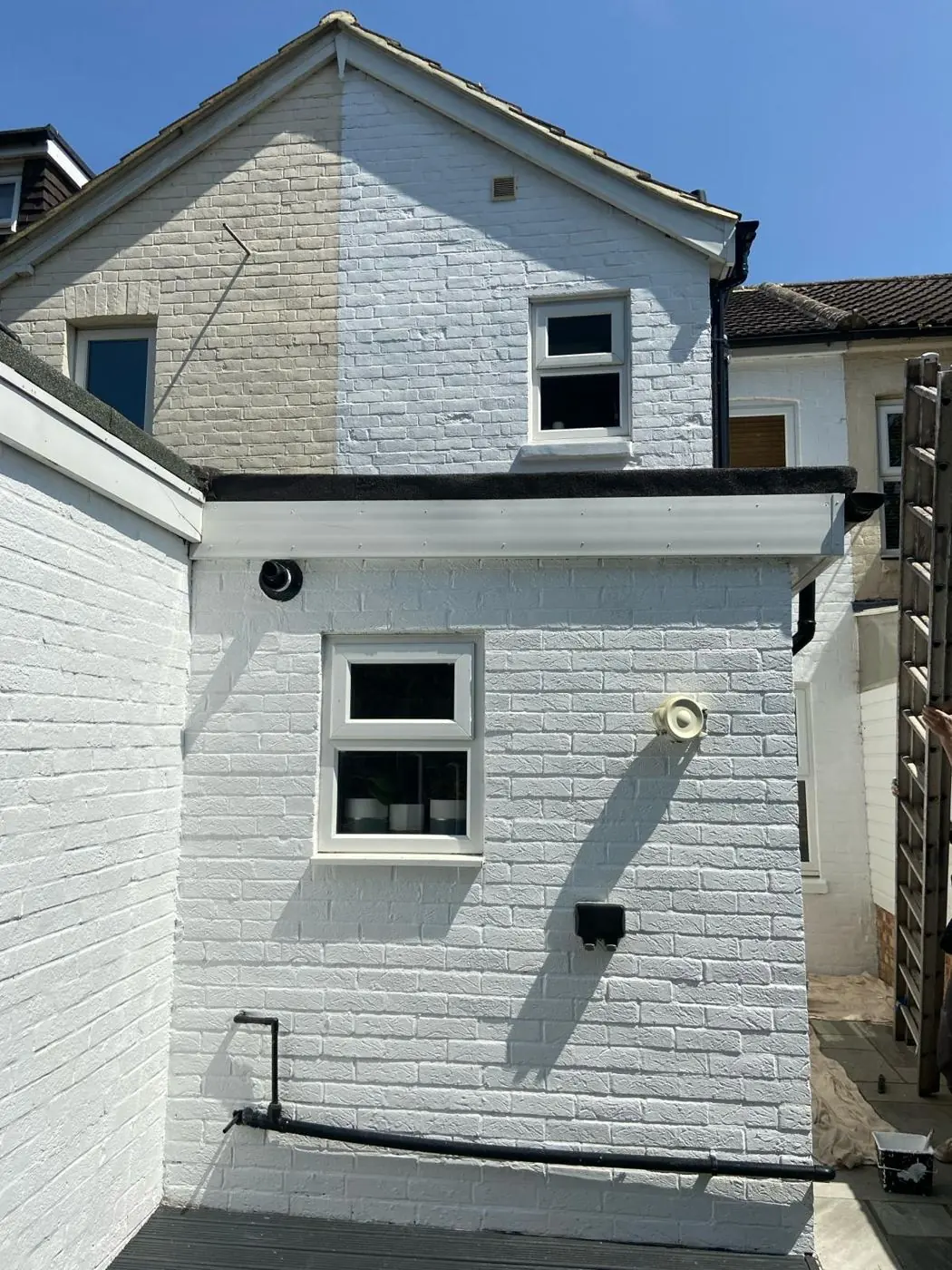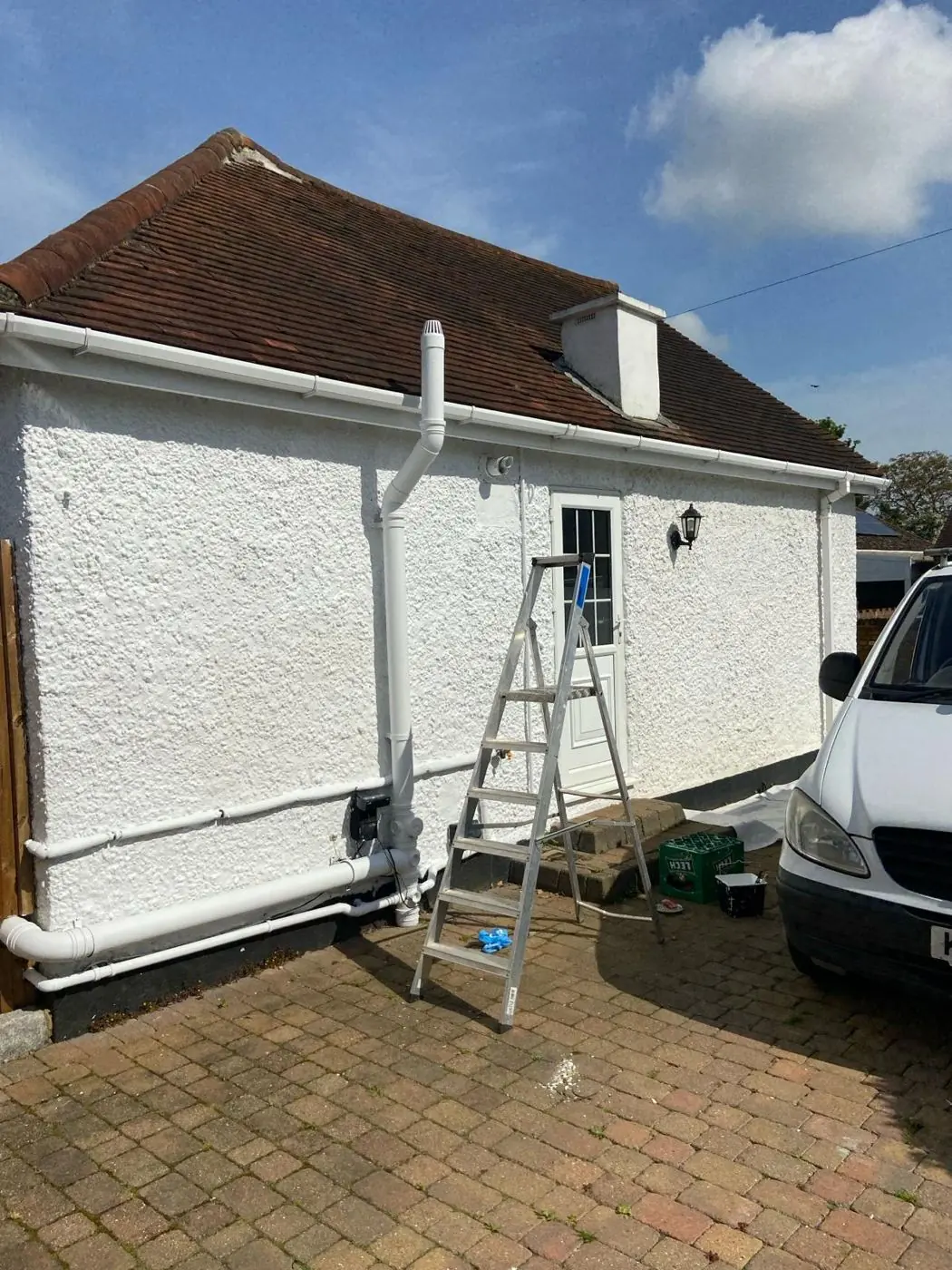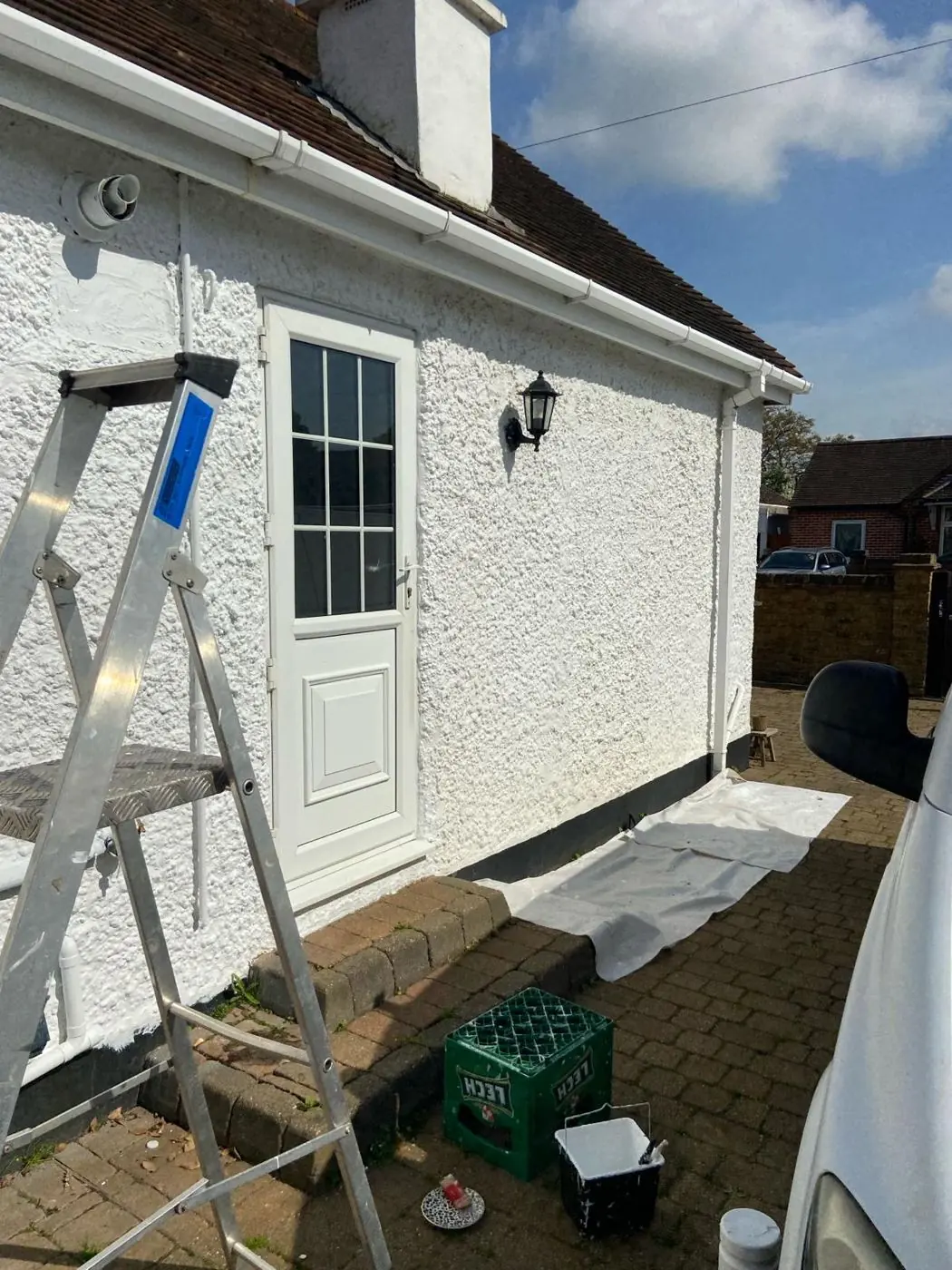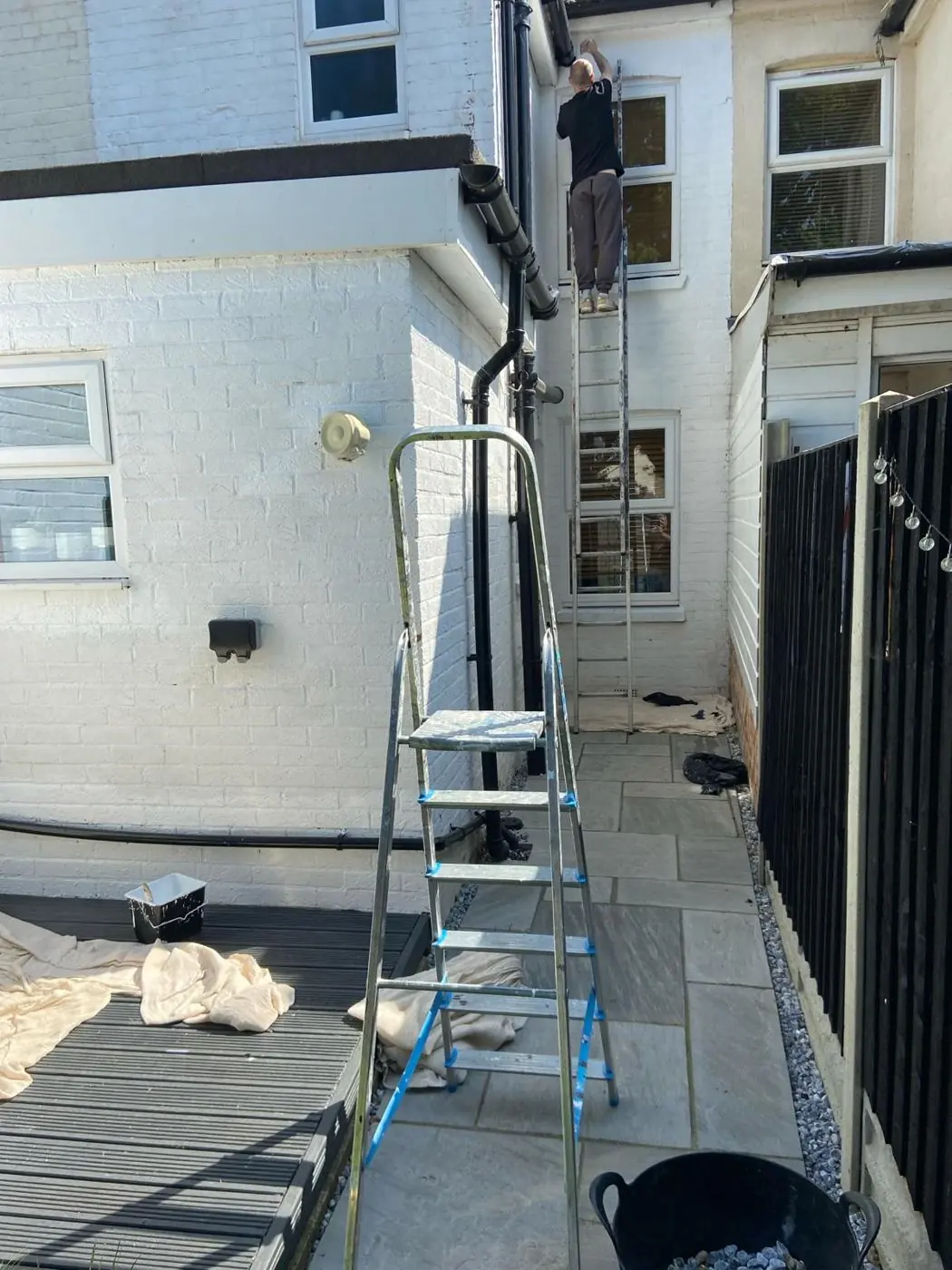
DH Painter and Decorator covers Far Cotton from our Northampton base, about 0.9 miles south of the town centre across the River Nene. Dean has over 30 years in the trade, and the homes here range from terraced streets and the semis on Towcester Road and Gloucester Avenue to the 2000s riverside estates and flats.
Far Cotton at a glance
Far Cotton sits on the south bank of the River Nene, directly across the water from Northampton town centre in postcode sector NN4 8. Its edges are clear on a map: the Nene and the Northampton arm of the Grand Union Canal to the north, the Northampton Loop Line railway to the west, the A5076 to the south and Delapre Abbey’s park to the east. St Leonard’s Road is its own shopping street, linking Towcester Road and London Road, and Far Cotton shares a community council with Delapre that covers around 12,000 residents.
The place was a hamlet in Hardingstone parish, first recorded as “Cotes” in 1196, until the Northampton and Peterborough Railway arrived in 1845. Bridge Street station opened that year and the suburb grew around it. The station closed to passengers in 1964 and its site between Old Towcester Road and the line is now housing. That history of growth in stages explains why the area contains such different kinds of home, and why a decorating job here is planned differently depending on the street.
The terraced streets
The older part of Far Cotton is made up of terraced streets such as Penrhyn Road, Euston Road, Southampton Road, Clinton Road, Thirlestane Road and Abbey Road. Inside, these houses have compact rooms, narrow hallways and steep staircases. Decorating the hall and stairs is usually the slowest part of the job, because a full stair tower rarely fits. Dean works from hop-ups and short boards instead, which keeps the stairs usable while the work goes on. Our hallway, stairs and landing decorating page explains the access in more detail.
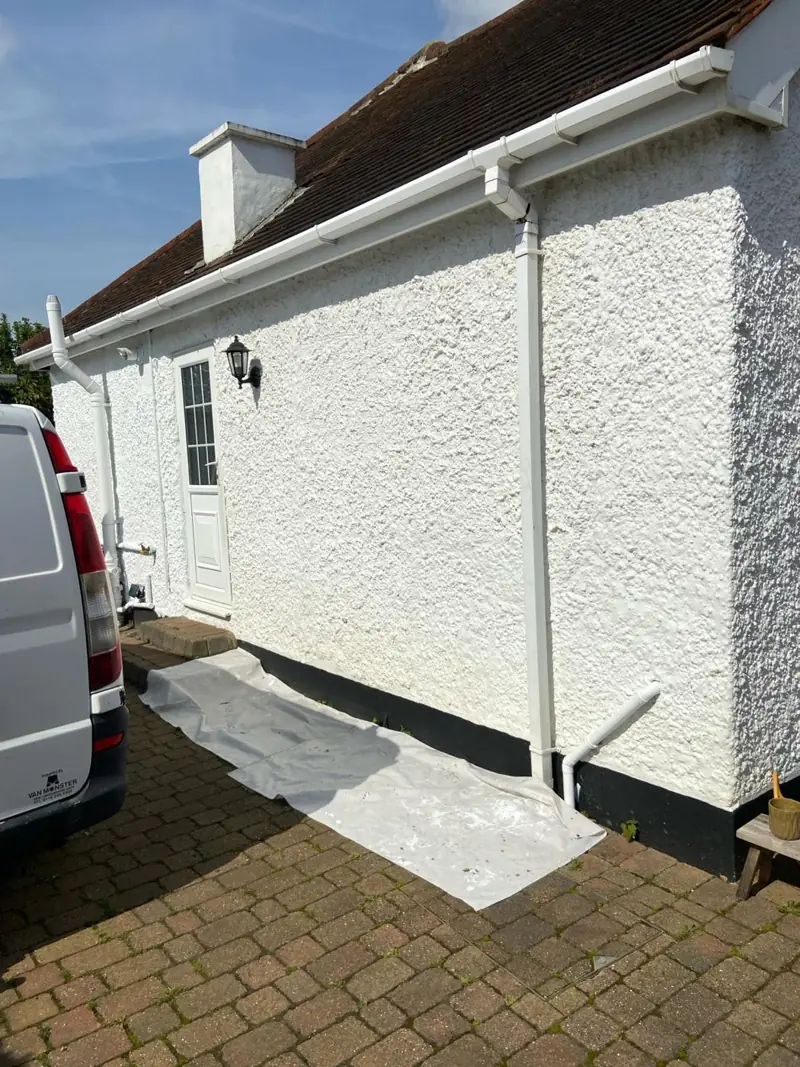
Outside, the main practical issue is getting to the back. The Far Cotton and Delapre community council runs a gated-alleyway key scheme, so rear alleys behind some terraces are locked. Before we quote any rear window, yard wall or back elevation, we arrange the alley key or access through a neighbour. Without it, ladders and paint have to come through the house, which is slower and riskier for your floors.
On these older streets, expect walls that suit lining paper after years of patching, and thick layers of old gloss on skirtings and doors that need sanding back before a new coat will hold.
Semi-detached houses on the main roads
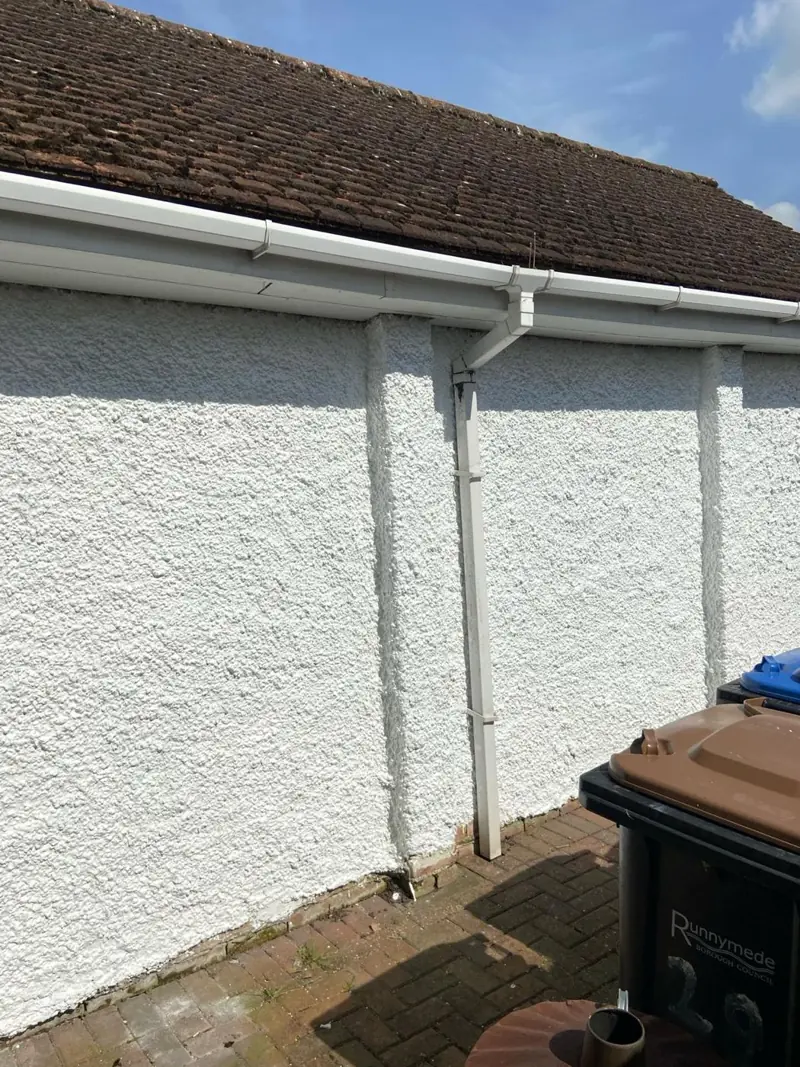
Semi-detached houses on Towcester Road and Gloucester Avenue tend to have larger rooms, which give more scope for feature walls, panelling and fuller wallpaper schemes. The ones facing Towcester Road and London Road, both main through routes, also carry a film of traffic grime on their front elevations. Before any outside painting, the walls, sills and frames need washing down, and a dirt-resistant masonry finish in a shade darker than brilliant white holds its looks for longer.
Parking and unloading on these roads need some thought. We plan short-stay loading and keep ladders and materials off the footway as far as possible.
The 2000s riverside estates and newer streets
In the 2000s, brownfield land in and around Far Cotton was redeveloped as the Riverside Wharf, Cotton End and Southbridge estates, along with housing on the old station site. Flats include River View / Mill House and Cotton Court, and newer cul-de-sacs include Harvester Way, Leah Bank, Thomas Chapman Grove, Henry Bird Way and Marvills Mill Road.
Most of these homes were finished somewhere between fifteen and twenty-five years ago, which puts them at the stage where a first or second complete redecoration is due. Original trade emulsion and factory-primed trims rarely last longer than that, and a little movement in the structure opens hairline gaps at plasterboard joints. Our interior painting service covers this kind of whole-house refresh.
Leasehold blocks like River View / Mill House have a management company that controls the outside and the common parts, so any work there has to be agreed with them. For work inside a flat, the shared landings are sheeted while materials come and go. The Nunn Mills brownfield site has been planned for more than 3,000 homes, so there will be more new plaster in the area for years to come. New plaster always gets a mist coat once it is dry, as covered on our new plaster painting page.
Living beside the Nene
Far Cotton is low-lying. The community council says parts of Far Cotton and Delapre are at risk of flooding, and on Good Friday 1998 the Nene broke its banks and residents had to leave their homes for a time. The river banks were raised afterwards, but the river and the canal still shape how we paint here:
- After a flood or a major leak, plaster and masonry must dry out fully. Dean takes moisture readings before any coating goes on rather than relying on the calendar.
- Walls that have been damp suit breathable paints, which let leftover moisture escape instead of sealing it in.
- Low walls, plinths, sills and ground-floor woodwork near the water stay damp longer, so we check door bottoms and sills for rot and use microporous timber coatings.
- Homes beside the railway and the Network Rail depot collect dust on sills and render, so outside surfaces are washed before painting.
For outside walls, our render and masonry painting page explains the breathable systems we use, and our guide on when to paint outside in the UK helps with timing, which matters more on damp riverside ground.
Colour, planning rules and older buildings
Far Cotton has no conservation area, so you can pick exterior colours freely, unlike the Delapre Park conservation area next door around the abbey parkland. If your house is near the park, check the boundary first. On a terrace, it is still worth thinking about how your door and frames will look next to your neighbours’ houses.
The planning controls that do apply are the HMO Article 4 directions for Far Cotton and Delapre, which require planning permission to turn a family house into a small shared house. For landlords with shared houses, that means hard-wearing, wipeable finishes in shared halls and kitchens and a quick turnaround between tenancies. See our landlord and letting agent decorating page.
Older community buildings such as St Mary’s Church on Towcester Road, built in 1885 to Matthew Holding’s design, are of traditional construction and need compatible, breathable paint systems if they are ever redecorated.
Shops on St Leonard’s Road and Gloucester Avenue
St Leonard’s Road is Far Cotton’s main shopping street, with more shops on Gloucester Avenue and a local shop in Mereway. These are working parades, so shopfront and fascia painting is planned around trading hours, with the pavement kept clear for customers. Our shopfront painting page covers how we stage that work.
Whatever the job, Dean visits, looks at the surfaces and gives you a written quote. To compare quotes, read our guide on how to choose a painter and decorator. We are fully insured, and we also cover the neighbouring areas of Delapre, Briar Hill, St James, Camp Hill, Hardingstone and East Hunsbury.
Last updated by Dean, DH Painter & Decorator.