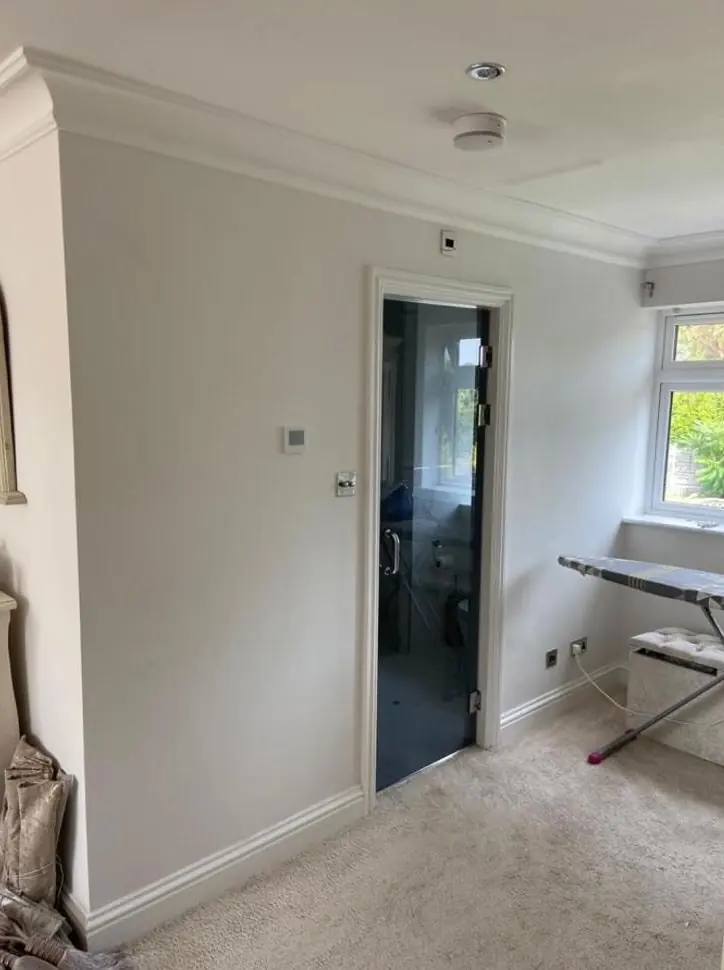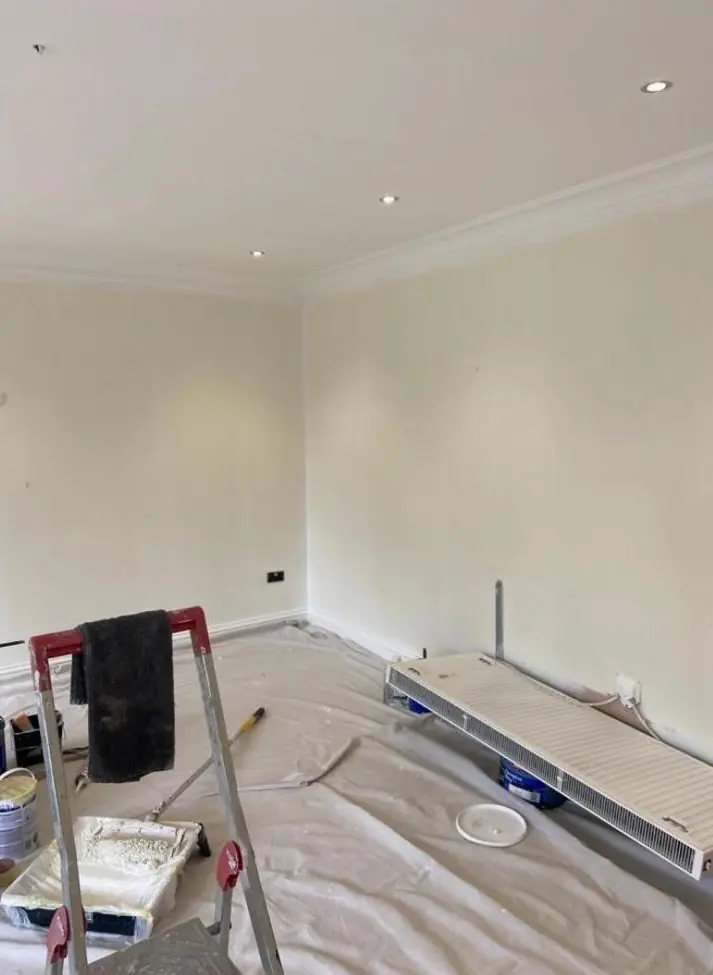
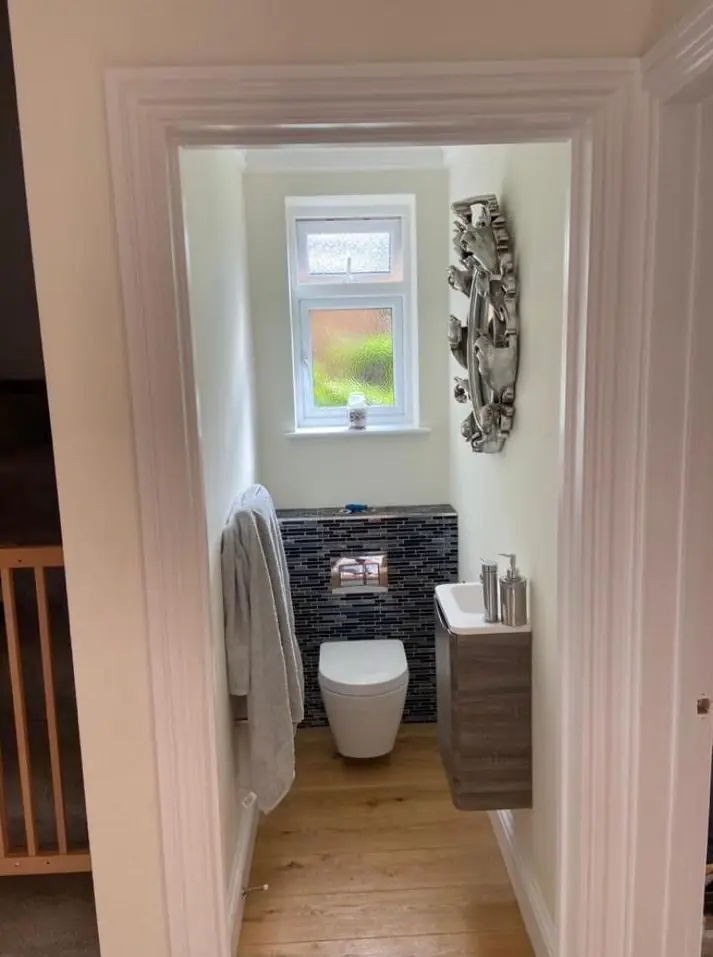
Dean gives colour and finish advice to homeowners in Chapel Brampton and Church Brampton as part of a decorating job, about 4 miles north-west of Northampton. Outside, the Chapel Brampton conservation appraisal narrows the choice for windows and cladding a great deal. Inside, the choice is yours, and the job is to make colours work against ironstone, deep reveals and changing light.
What the 2020 appraisal says about exterior colour
The council’s appraisal and management plan for Chapel Brampton, adopted in February 2020 for an area first designated in 1978, takes in both the old village core and Cedar Hythe. Read with a colour card in hand, it boils down to three rules:
- Windows: frames that are painted are expected in white, or in a shade with evidence behind it from the building’s original scheme.
- Cedar Hythe: the cladding over porches, garages and windows keeps its white paint or brown stain, with any replacement boards matching.
- Walls: on pre-1919 houses masonry paint is often refused, and stone that has always been bare is meant to stay that way.
So outside, colour advice in The Bramptons is less about picking a fashionable shade and more about finding the right version of an approved one. There are dozens of whites, from cool, blue-leaning brilliant whites to soft chalky ones, and they look very different against orange-brown ironstone. A stark modern white can look harsh next to old stone, while a slightly warmer, softer white usually sits more comfortably. For Cedar Hythe, the choice between white paint and brown stain, and which brown, should be settled by looking along the road at the neighbouring houses, because the estate was built to just four related designs and one odd shade stands out along the road.
Proposed Article 4 Directions in the same document would add controls over doors, windows and bargeboards on named houses; whether they have come into force is something we could not confirm. Before any change of colour on a listed or locally listed building, check with West Northamptonshire Council.
Listed cottages: start from what is already there
The 1848 Spencer estate terraces on Welford Road and in Church Brampton, and the almshouse at Almscourt, are listed, along with their plank and ribbed Tudor-style doors and cast-iron lattice casements. For these, the safest advice is usually to match the existing colour and sheen exactly. Dean can take a sample from a sound area and have it colour-matched, so a repaint keeps the group looking uniform. If you want a change, it should go through the council first.
Indoors, ironstone and lime change how colours read
Inside an unlisted house there are no such limits, and that’s where most of the real choosing happens. In a listed cottage, a change that alters the character of a room is still a question for the council. A few things are particular to houses here:
- Exposed ironstone inside a cottage has a strong rust-orange tone that pushes cool greys towards blue and makes some greens look muddy. Warmer off-whites and earthy neutrals tend to sit better beside it.
- Breathable clay and mineral paints, which suit lime-plastered walls, come in their own ranges and dry with a soft, flat look, so a sample from a standard emulsion card isn’t a fair guide.
- Small cottage windows set in deep walls mean darker rooms. Mid-tones with some warmth often look richer than a pale shade that simply goes grey.
Light from the slope, the valley and the trees
Chapel Brampton sits on a gentle east-facing slope down to the Brampton arm of the River Nene, with open farmland and views north-east across the valley. East-facing rooms on that slope get bright morning light that has moved round by mid-afternoon, so a colour chosen at breakfast can look flat later on. At Cedar Hythe and along Harlestone Road and Back Lane, protected mature trees filter the light and can give rooms a greenish cast in summer. We suggest large painted sample boards moved around the room over a few days, checked morning and late afternoon.
The wider method, including undertones and sheen levels, is on our main colour and finish advice page. For other work in the parish, see the Bramptons area page.
Last updated by Dean, DH Painter & Decorator.