Dean gives colour and finish advice in Pitsford, about 4.7 miles north of Northampton, as part of a decorating job. In the conservation area that means working within white, cream and light joinery guidance; indoors it means choosing shades that hold up in low, tree-shaded light.
White, cream and the conservation area guidance
Colour in Pitsford starts outside, because that is where the rules sit. The appraisal for the village’s conservation area expects window joinery in white or cream, the colours its small-paned timber casements have long carried, and asks that replacements be white, light or in keeping with the house’s own scheme. So if you own a stone cottage on Manor Road or Church Lane and want charcoal frames, the straight answer is that it may not suit the street and should be checked with West Northamptonshire Council first.
Several named houses, The Birches and Pitsford Farmhouse among them, were put forward for Article 4 directions on window or door alterations. We have not verified whether those were confirmed after the council’s 2021 consultation, so for any named house it is worth asking the council’s planning officers before changing a joinery colour.
Dean gives this advice as part of a decorating job. Our colour and finish advice page explains how it works in general; here is how it plays out in Pitsford, about 4.7 miles north of our Northampton base.
Paint seen against golden stone and orange ironstone
Most Pitsford walls are not a colour anyone chose. Pendle stone weathers to a warm, sandy gold, and some of the village’s early 20th century buildings use a richer orange ironstone. Anything painted near them, whether a door, gate, lintel or garden room, is read against that warm background. Cool blue-greys and brilliant white tend to look harsh beside it. Off-whites with a little yellow in the base, soft greens, and deep traditional reds and browns usually sit more comfortably.
Small details carry weight too. On former farm buildings the timber lintel above each window was customarily picked out in white or in black, and keeping that pairing does more for a converted barn than the colour of its front door. Iron hinges and latches on old plank doors should stay black and unpainted.
Light inside thick-walled, tree-shaded rooms
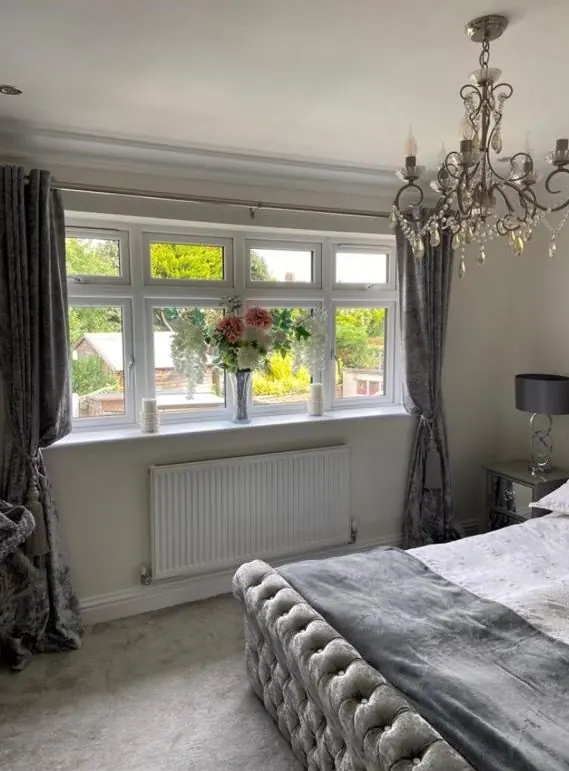
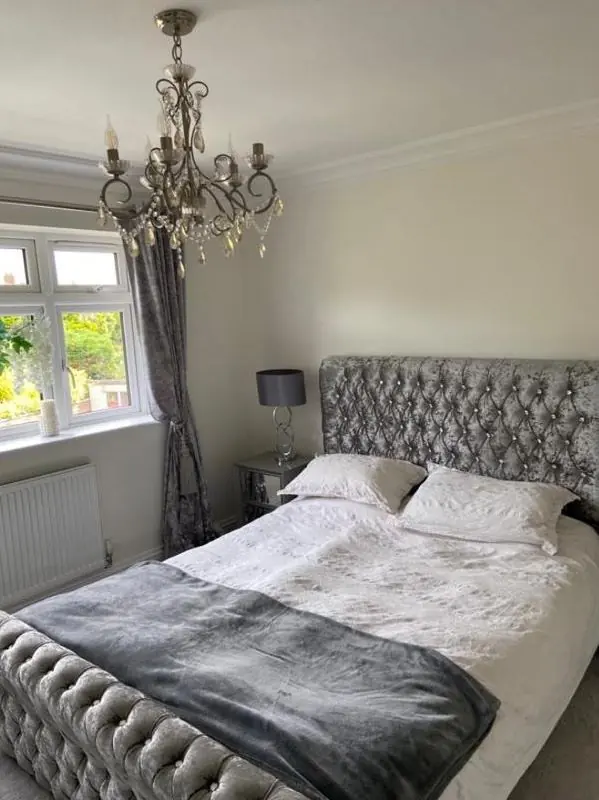
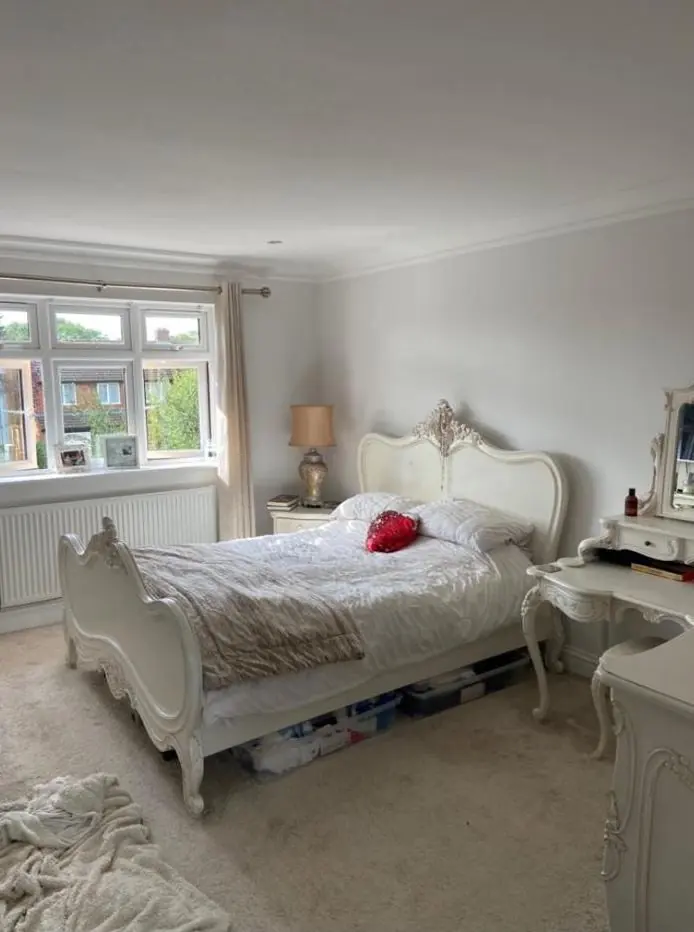
Indoors, the usual problem is a shortage of light. Small casements set deep in stone reveals admit far less daylight than a modern picture window, and many Pitsford plots sit under mature protected trees or tall hedges grown over the boundary walls. In those rooms a fashionable pale grey can turn flat and cold by mid-afternoon. We look at a room at the time of day you use it and try samples on more than one wall, because a reveal and the wall facing the window can read as two different colours.
Finish is part of the advice. Breathable mineral, clay and lime paints suited to old lime plaster mostly come in flat or very low-sheen finishes and narrower ranges than vinyl emulsions, so we check that the colour you like exists in a paint the wall can actually take.
More freedom on the newer streets
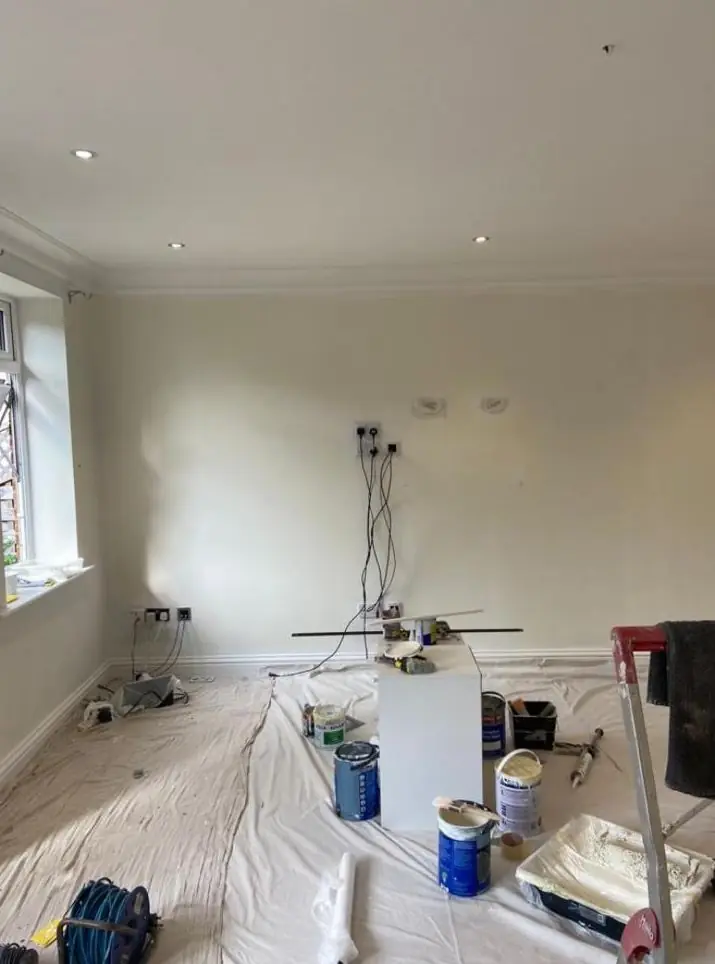
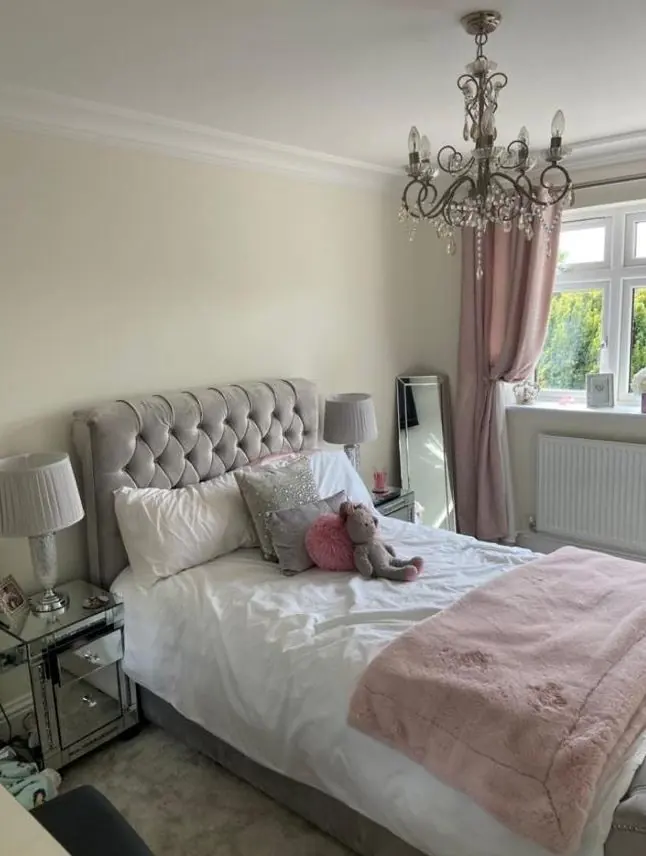
Outside the conservation area, on Drummond Close, Broadlands and Glebe Lane, the choice opens up. Doors, fences and render on post-war and modern houses can follow your own taste, and the questions become practical ones. How will a dark colour cope with sun and weather on a west-facing elevation on high ground? Will a mid-tone hide the green algae that shaded fences pick up better than a pale stain? Inside, the light is usually better and the walls flatter, so a wider range of colours works.
To talk through a scheme for your house, call Dean on 07539 779 036, or see our Pitsford area page for the other work we cover in the village.
Last updated by Dean, DH Painter & Decorator.