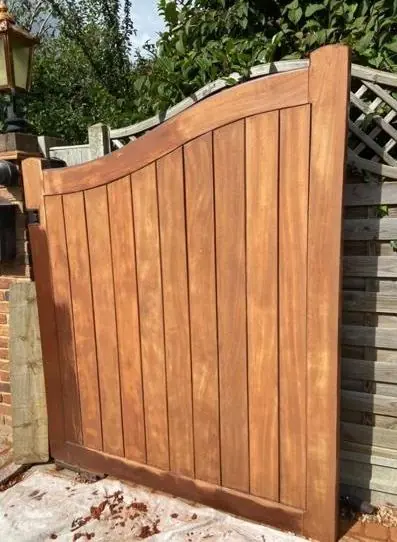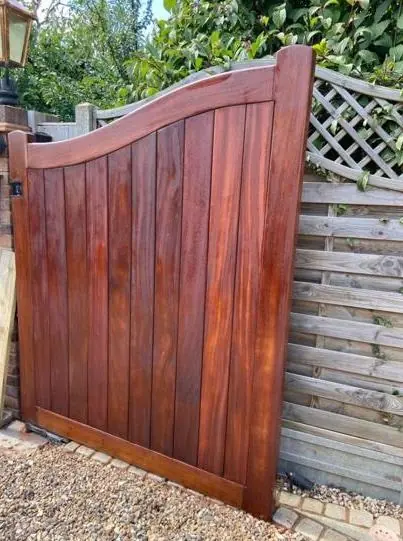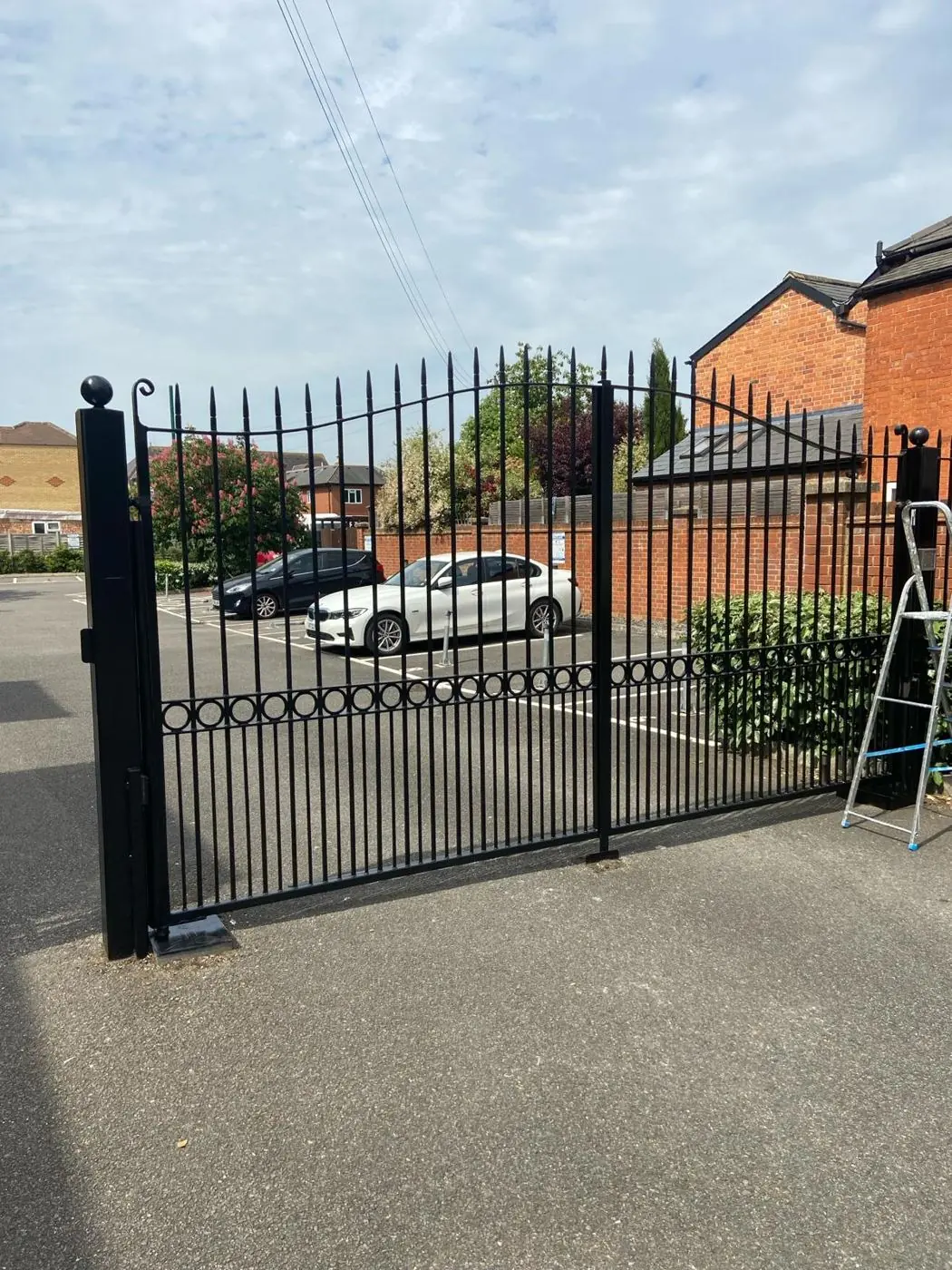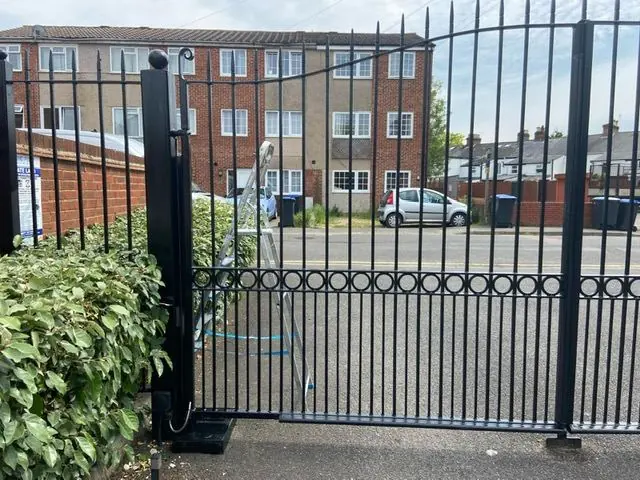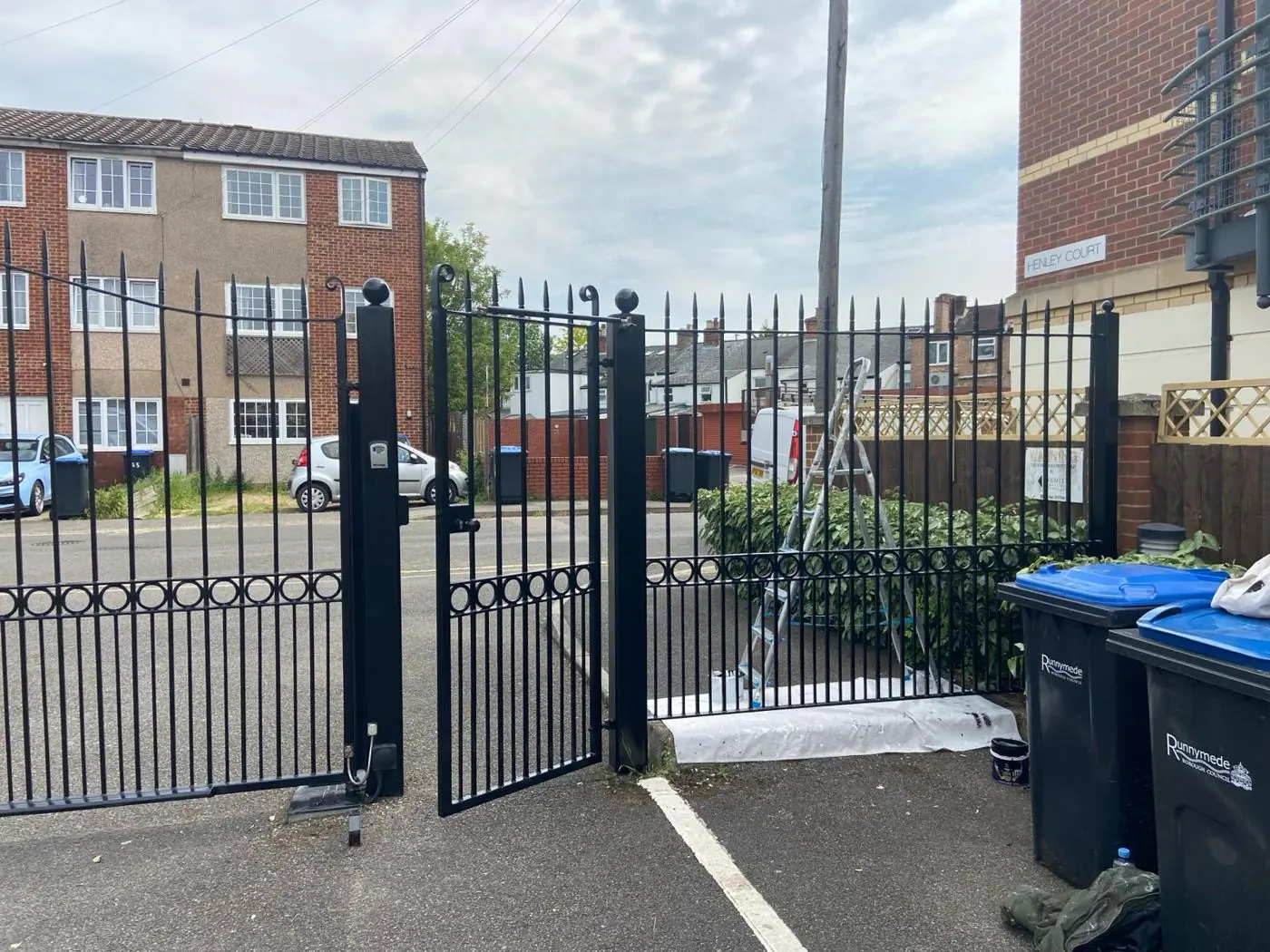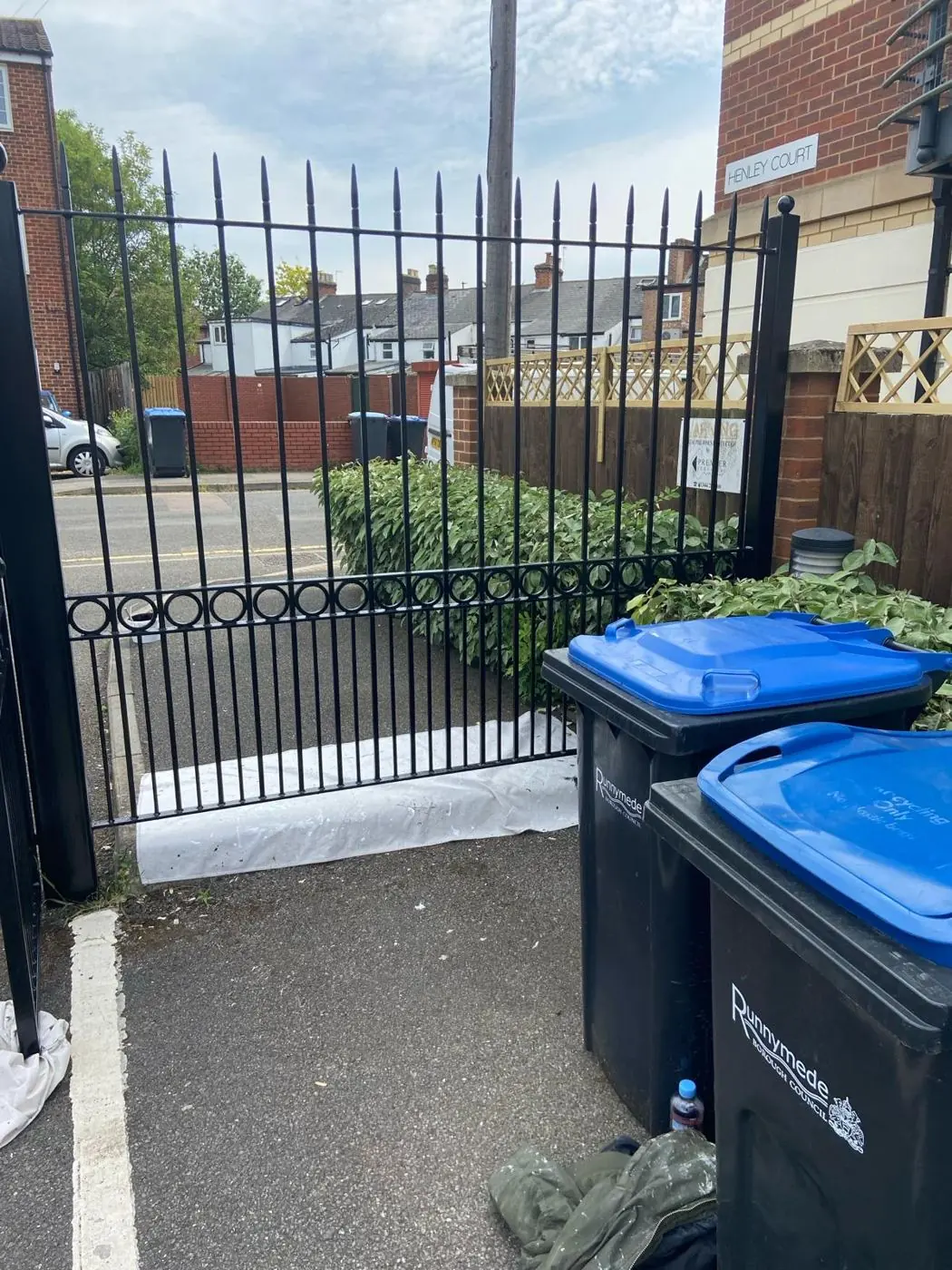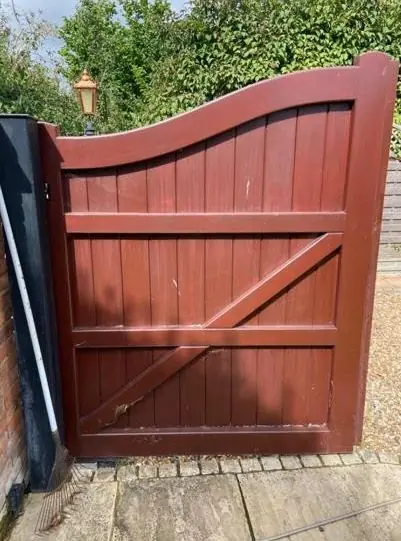
DH Painter & Decorator stains and paints timber fences, gates and posts in The Bramptons, covering both Chapel Brampton and Church Brampton, which we reach from Northampton up the A5199. Dean looks at the timber, its exposure and any shade from protected trees before recommending a stain or a paint.
A stain colour the village already uses
Choosing a stain is easier when there is a local precedent. In Cedar Hythe, the late-1960s estate in Chapel Brampton, the horizontal timber cladding is either painted white or stained brown, and the conservation area appraisal asks for it to stay that way. A mid or dark brown stain on a gate or fence sits comfortably beside it and with the ironstone, hedges and mature trees that make up most of the street scene. Lighter greys or bright colours tend to look out of place against orange-brown stone. You are free to choose, but we will show you samples on the timber itself, because a stain looks different on weathered softwood than on the swatch.
Gates set into ironstone walls
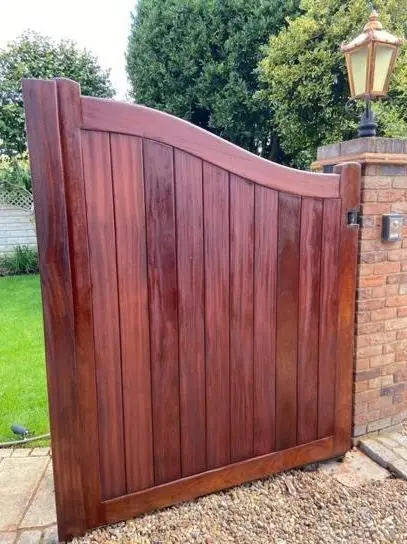
Chapel Brampton’s front gardens are often bounded by low ironstone walls finished with rounded coping, and the old Brampton House estate wall follows Pitsford Road and Welford Road. Where a timber gate or gatepost is set into that stone, the stone is left bare and only the timber is treated. Stain is thin and runs easily, so we mask the coping and pier faces, brush away from the masonry, and keep a damp cloth ready for any drip. Ironstone is porous, and a stain mark soaks straight in.
The same care applies to timber close to locally listed stonework, such as the 19th-century Brampton House gate piers on Pitsford Road. On anything listed or within a listed curtilage, keeping the existing colour is the safe course until the owner has checked with the council.
Long boundaries beside golf courses and farmland
The parish has two golf courses, Northamptonshire County beside Church Brampton and the public Brampton Heath to the south, plus open farmland around the village edge. Houses that back onto them, and the large plots along Golf Lane, can have long runs of fence, field gates and post-and-rail. Those faces take full sun and wind across open ground, which dries stain out and turns timber silver faster than a sheltered garden fence. A penetrating oil-based or water-based exterior stain that soaks in, rather than a film-forming paint, is usually easier to keep up on long boundaries, because it wears back evenly and can be recoated without stripping.
- We measure the run and count posts, rails and gate leaves before quoting.
- Rough-sawn and planed timber take stain differently, so we test both if your boundary mixes them.
- Gates with hardware get their hinges and latches masked or removed, then refitted.
Shaded timber under protected trees
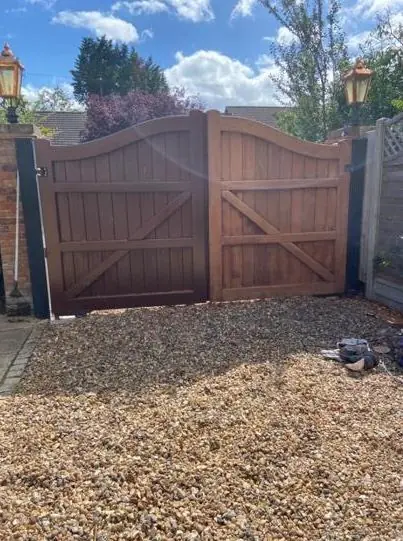
Every tree in Cedar Hythe is protected, Harlestone Road and Back Lane have their own TPO trees, as well as parkland trees in the former Brampton House grounds. Fences and gates beneath those canopies stay damp, collect leaves against their bottom rails and grow green algae. We clean the timber with a fungicidal wash, scrub off the dead growth, and leave it to dry before any stain goes on, because stain applied to damp wood will not soak in. Gravel boards and the base of posts get extra attention, as that is where rot starts. Trees cannot be cut back to let in light without consent, so expect shaded fences here to need recoating more often than open ones.
For our general method and product choices see the fence and gate staining page. Our Bramptons area page covers other work in the parish, and the cost guide explains what affects a quote.
Last updated by Dean, DH Painter & Decorator.