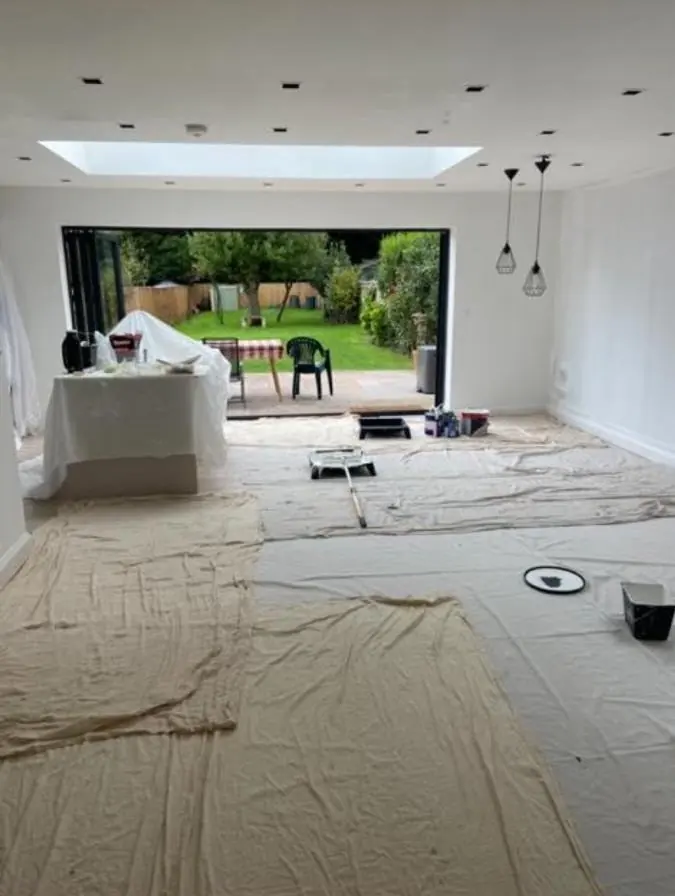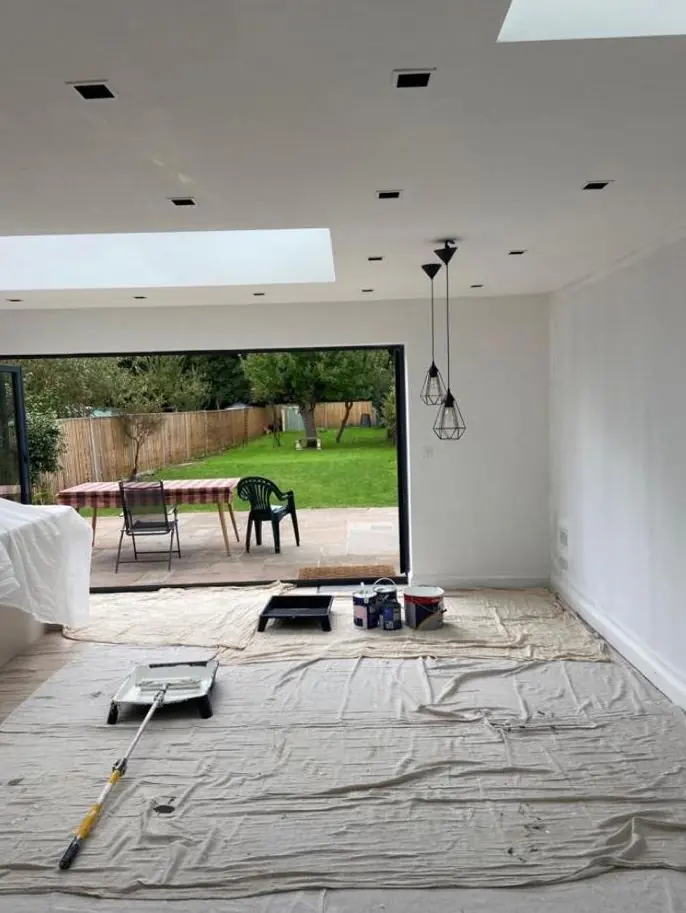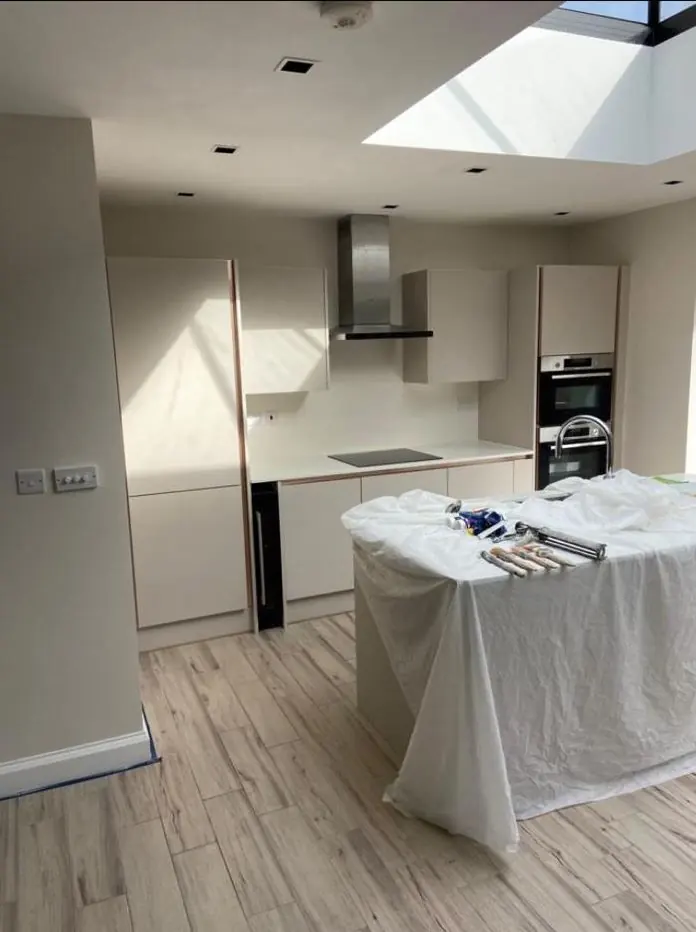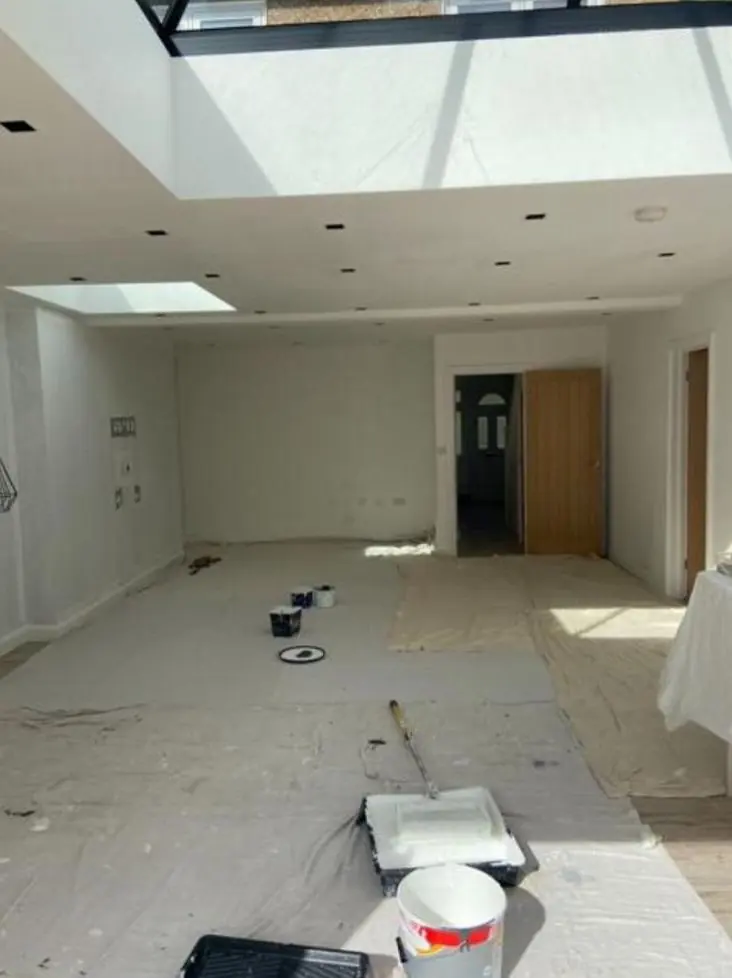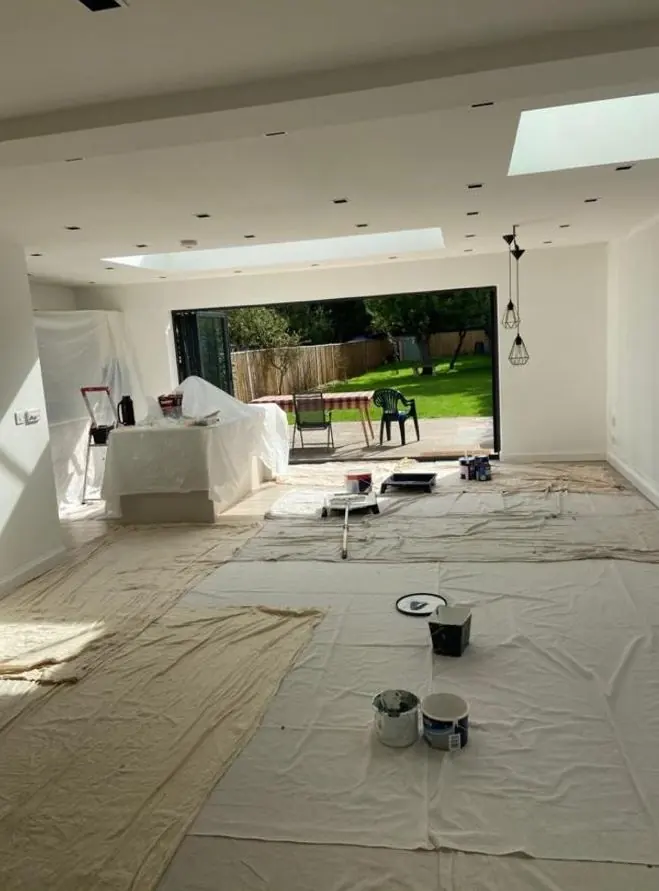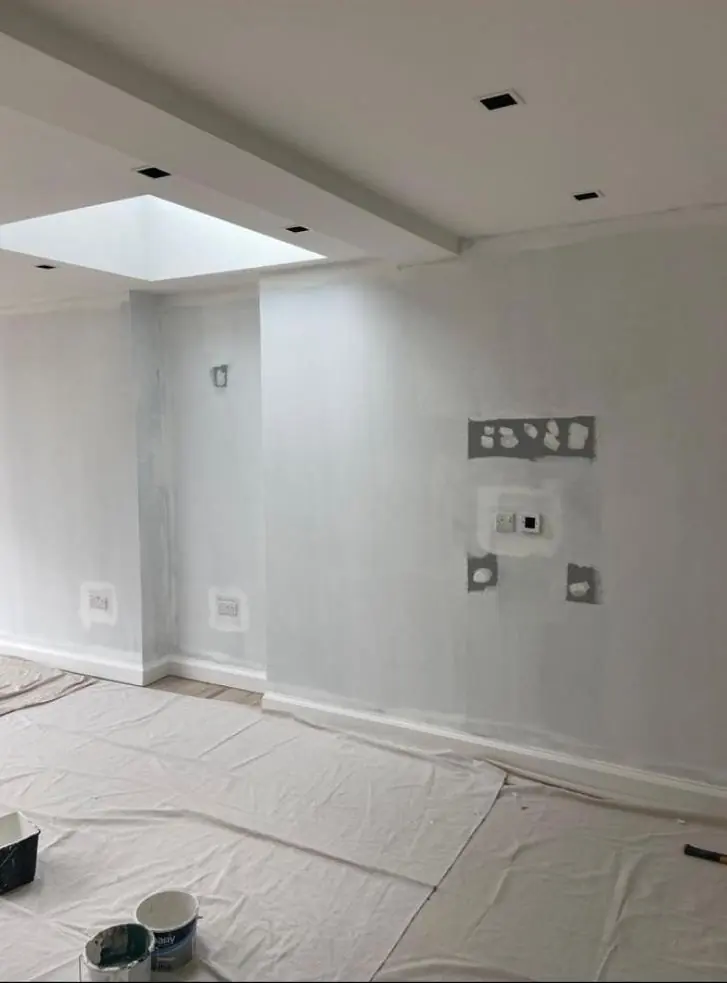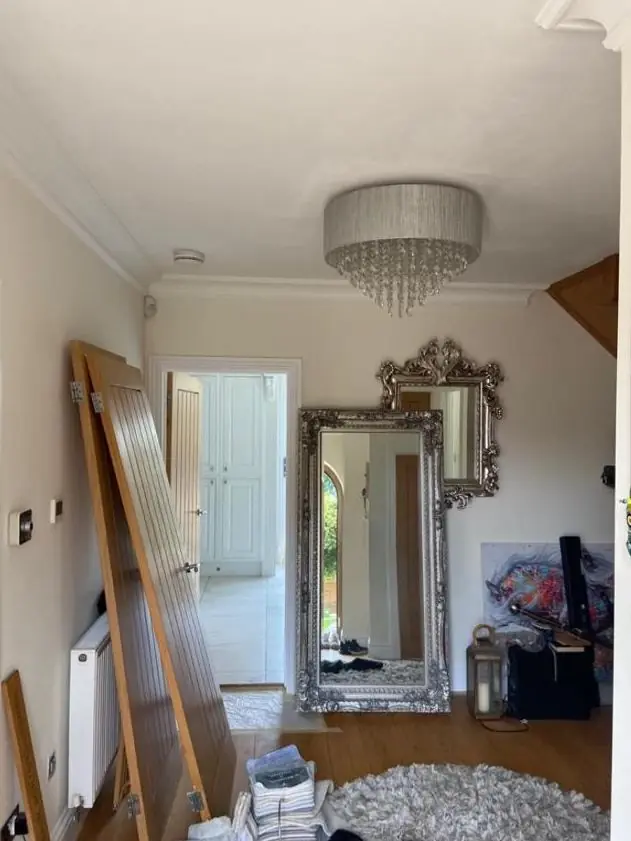
We decorate rented homes in Cogenhoe for private landlords and letting agents, travelling about 4.6 miles east from our Northampton base. Most lets in the village are likely to be either 20th-century estate houses or Victorian red-brick houses on Station Road, and the two need quite different repaints between tenants.
Letting in a commuter village
The sources we use for this page do not record how many homes in Cogenhoe are rented, so we will not guess at a figure. What we do know is that the village is now largely a commuter village, with road links to the A45 and the M1, and that most of its housing was built in the 20th century, on estates along Station Road and York Avenue that left the village at least three times its earlier size. If you let a house here, it is most likely one of those estate homes or one of the older Victorian houses near them.
Tenants drawn by those A45 and M1 links often judge a Cogenhoe let from the listing photographs before they ever drive out to view, so a clean, consistent neutral scheme with sharp woodwork pulls more weight than a feature wall, and it makes touch-ups simpler at the next changeover.
Estate houses: quick, hard-wearing turnarounds
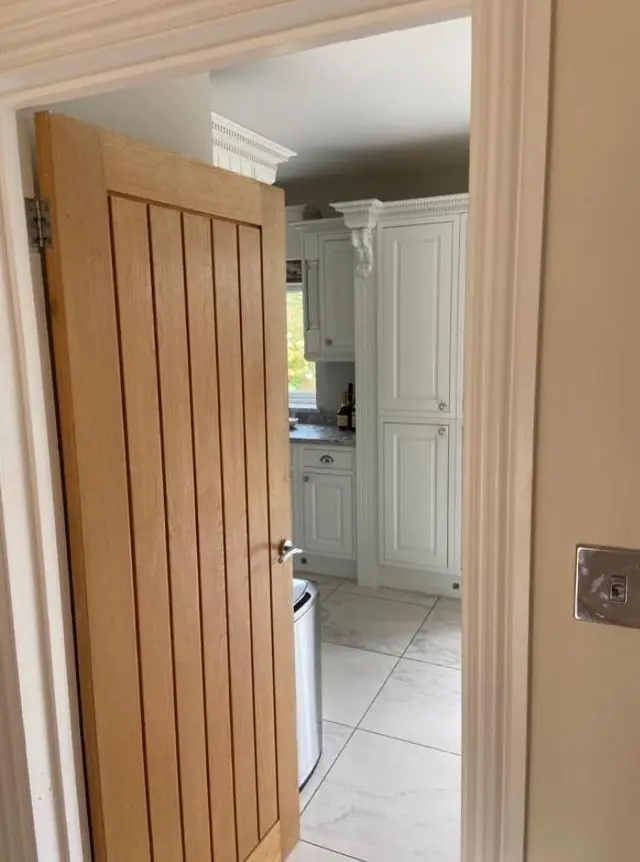
The post-1960s houses have standard ceiling heights, plastered walls and plain joinery, so a void repaint is a contained job. On a typical changeover we would:
- Wash down the kitchen and hall, where grease and hand marks build up.
- Fill fixing holes and dents, and spot-prime any patched plaster.
- Stain-block ceiling marks from leaks or cooking so they do not bleed back.
- Use one neutral, scrubbable emulsion throughout, and keep a note of the colour so future touch-ups match.
- Refresh skirtings and door frames in water-based satin, which stays white longer than oil gloss.
We will tell you which rooms really need full coats and which only need a touch-up, so the void time goes on what tenants will notice.
Gardens on these estates usually have timber fences, and plots close to the TPO trees near Sharmans Close or the important trees on the south side of Whiston Road collect leaf litter and green algae. A wash-down and restain of a fence or side gate is a small extra that makes the outside of a let look cared for in photos, and it is easy to add while we are already on site for the interior.
Victorian houses on Station Road
The red-brick houses from the shoemaking era, such as Gladstone Terrace and Rocklands, are larger, taller and have more woodwork. A changeover here can include a two or three-storey stairwell, deep skirtings and original sash and bay windows. They take longer, and a landlord should budget void time to suit.
The front of 1 to 19 Station Road falls inside the Cogenhoe Conservation Area. The appraisal wants original timber windows and decorative frames on the Mann houses repaired and repainted, not replaced. If your let is one of these, an exterior repaint of the sashes, bargeboards and porch timbers between tenancies is a good time to deal with flaking paint before it turns into rot. Keep the facing brick unpainted. The limestone window dressings should be masked and kept clean.
Working in an empty house with nowhere to park
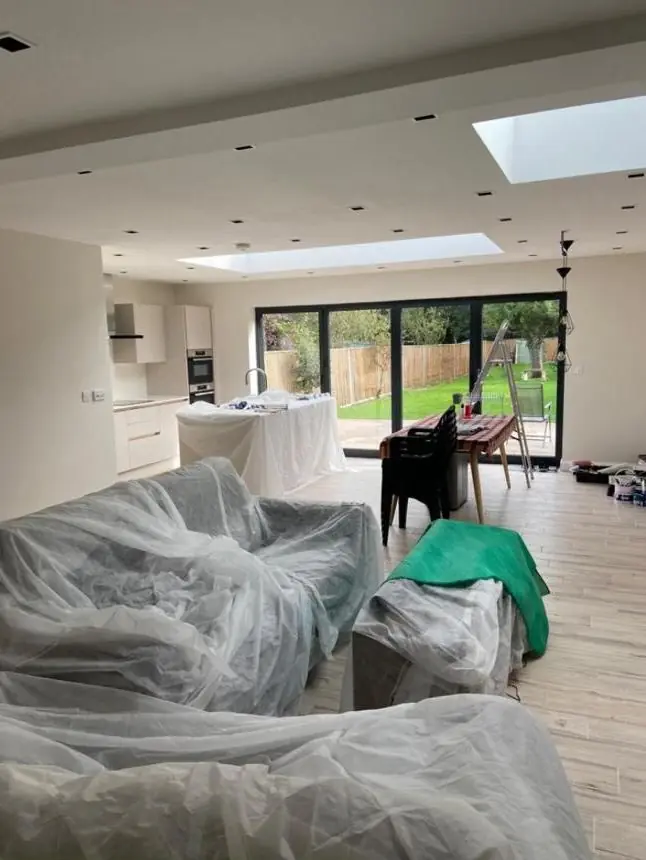
Many older properties on Station Road and Church Street have no off-road parking, and traffic on Station Road can be heavy. For an empty property, that mostly affects how we bring in materials. We unload once and work from inside the house instead of the van. If a letting agent holds the keys, we arrange collection and return with them, and send photos of the finished rooms so the listing can go live without another visit.
Our general approach to rental decorating, including inventories and check-out disputes, is on the main landlord and letting agent page. You can read about the village’s housing on the Cogenhoe area page, and see typical cost factors in our painter and decorator cost guide.
Last updated by Dean, DH Painter & Decorator.