Dean hand-paints decorative finishes in Cogenhoe homes, a village 4.6 miles east of Northampton town centre. The older limestone houses on Church Street suit limewash effects and traditional panelling colours, while the Victorian Mann houses and newer estate homes suit picked-out detail and feature walls.
Finishes with a long history in the older houses
The oldest homes in Cogenhoe date from the 17th and 18th centuries: cottages and farmhouses on Church Street and upper Mill Lane, plus larger houses such as the Manor House, The Close and The Grange, the former rectory. In interiors of that age, a flat, perfectly even modern emulsion can look out of place on walls that undulate over rubble stone. A hand-applied limewash effect, built up in thin, slightly uneven layers, gives the soft, cloudy depth that suits those walls and makes their movement look intended rather than awkward.
Where the plaster is lime, we prefer genuine limewash or a breathable mineral paint for the effect, so the wall can still dry out through its surface. On walls already sealed by modern paint, a glaze-based colourwash gives a similar look. Dean will tell you which of the two your walls can take after a simple test patch.
Many of these houses are listed. Plain redecoration is not usually a problem, but painting historic panelling, stripping old finishes or altering features in a listed building can need listed building consent, so we ask about status at the first visit and suggest a call to West Northamptonshire Council where there is doubt.
Panelling, plank doors and picked-out joinery
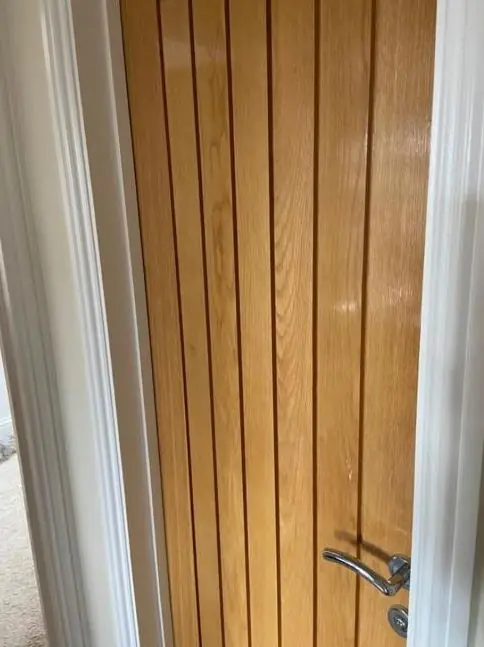
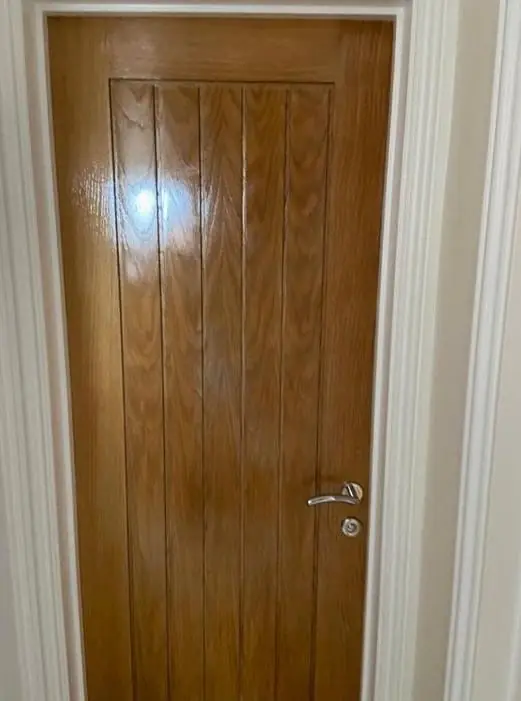
Traditional timber plank and panelled doors are a valued feature in the village’s conservation area, and inside the older houses they suit a deliberate colour scheme rather than one coat of white. A typical approach is to paint panelling and doors in one deeper, muted shade and keep walls lighter, or to run a single colour over panelling, skirting and door so the room feels calmer. On panelled doors we can pick out the mouldings in a second tone, which shows off the joinery without looking fussy.
Detail in the Victorian shoe-era houses
The red-brick houses built by the Mann family on Station Road, including Gladstone Terrace, Rocklands and Nene View, date from the decades after their footwear business began in 1887. Rooms here have deep skirtings and architraves, and the tall hallways and stairwells suit a classic two-tone split at dado height. Where original plasterwork such as a cornice or ceiling rose survives, picking it out in a slightly different shade or sheen from the ceiling brings it back into view. Years of paint build-up often blur the detail, so careful cleaning back comes before any colour goes on.
Feature walls in the newer homes
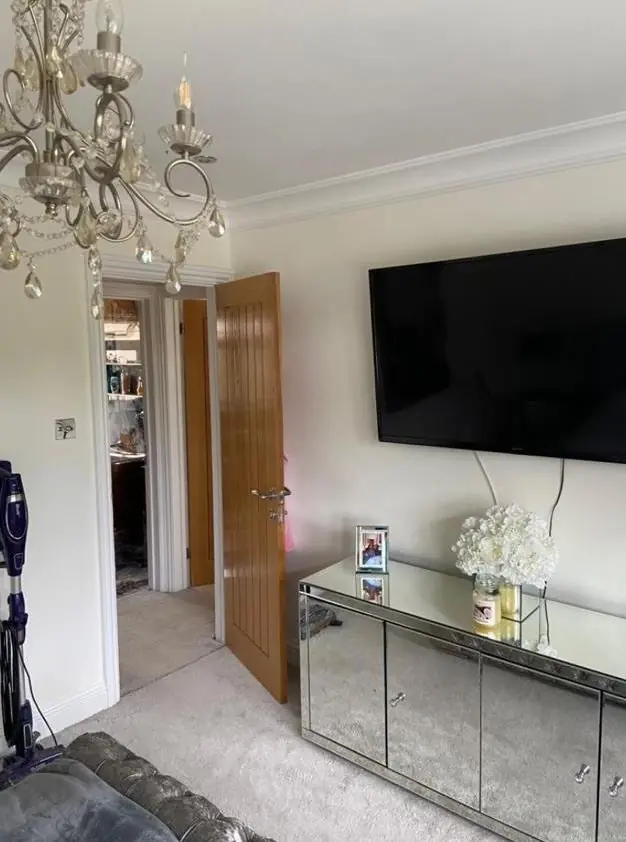
The 20th century estates on Station Road and York Avenue have flatter modern plaster, which is the right surface for crisper effects: colour blocking, painted arches, two-tone walls with a sharp line, or new MDF panelling finished so joints and pins disappear. These rooms give the most freedom, since there are no heritage limits on what goes on the walls. Extensions and converted outbuildings, which are common across the village, often bring a run of brand new plaster too, and a feature wall there has to wait until the mist coat has gone on and the surface is properly sealed.
Each effect is only as good as the surface under it, so the preparation is the same as on our standard interior painting. The range of finishes we offer is set out on the decorative finishes in Northampton page, and other services in the village are listed on the Cogenhoe area page.
Last updated by Dean, DH Painter & Decorator.