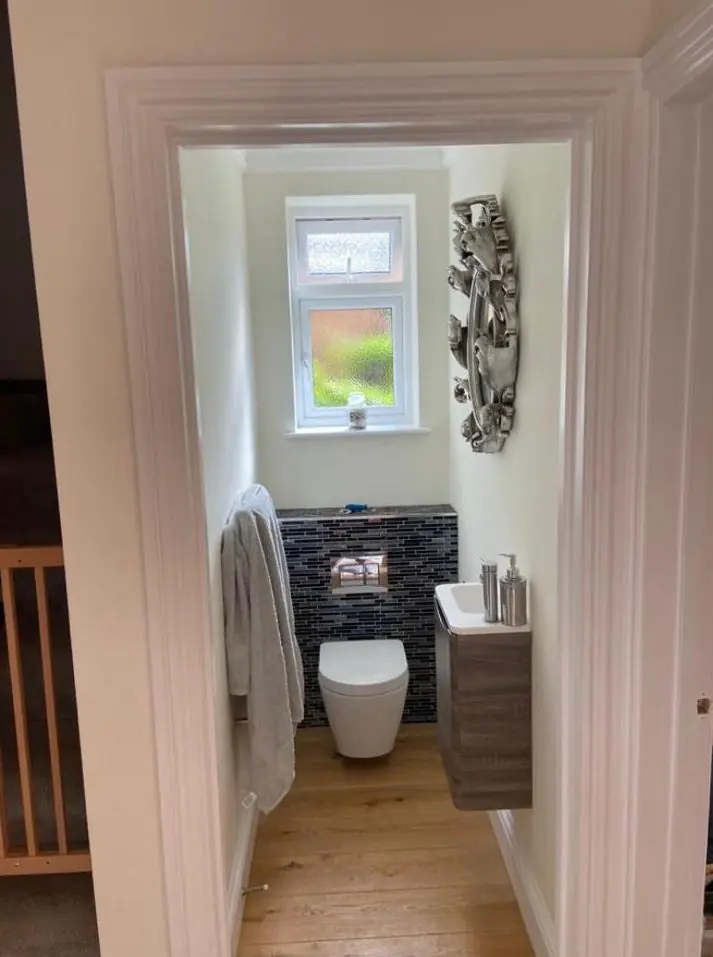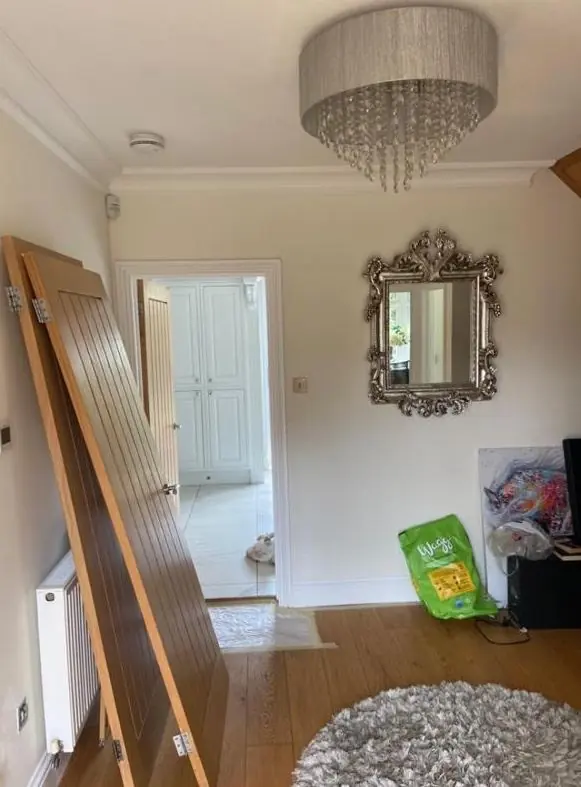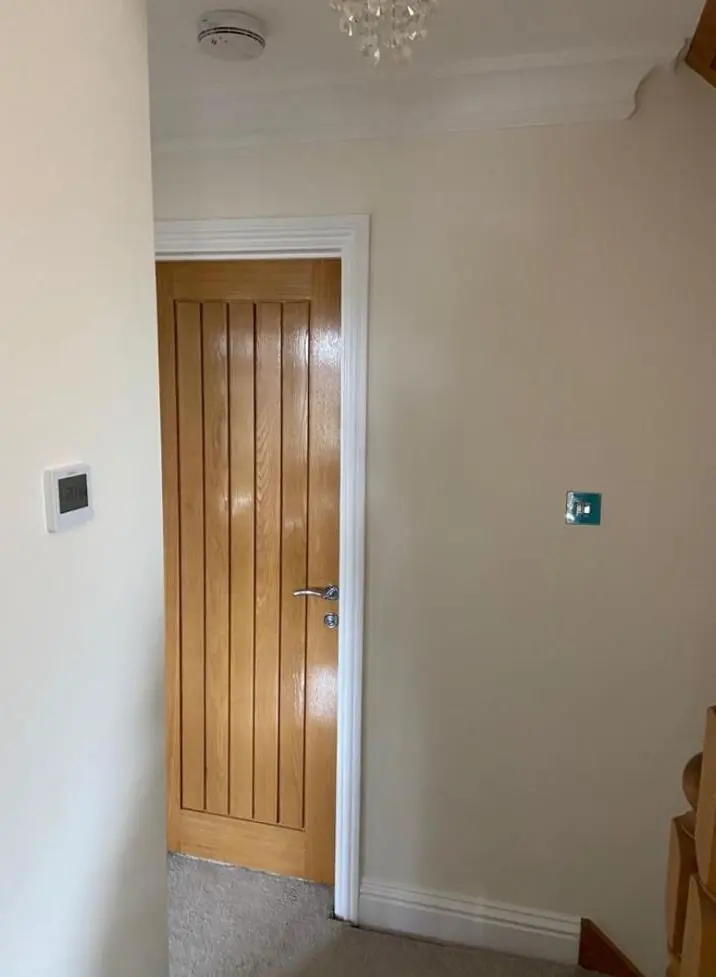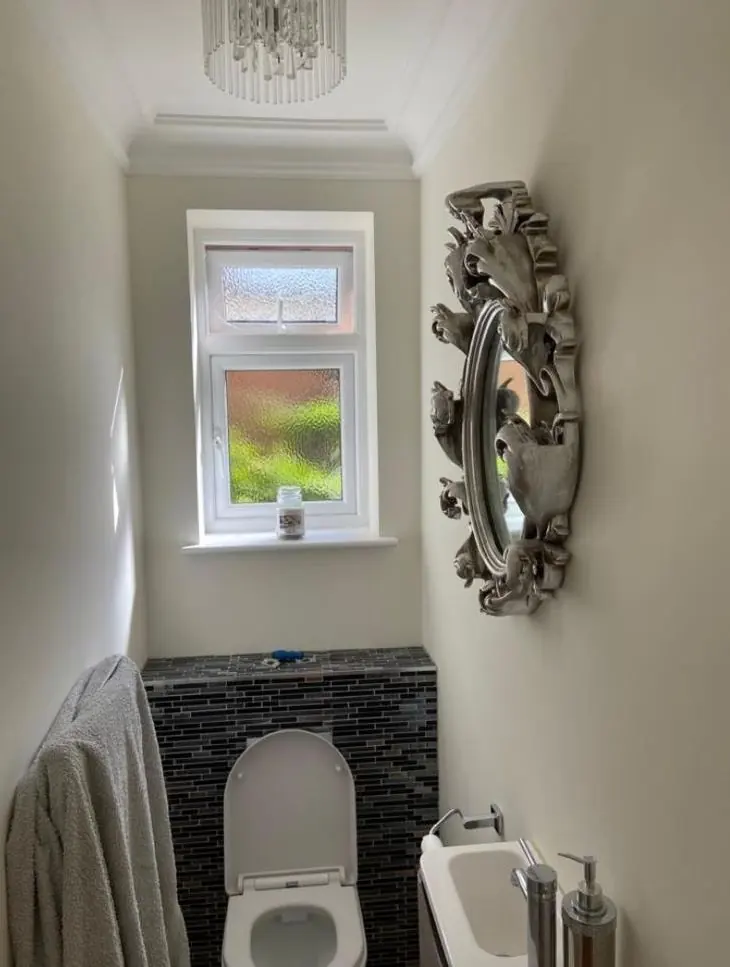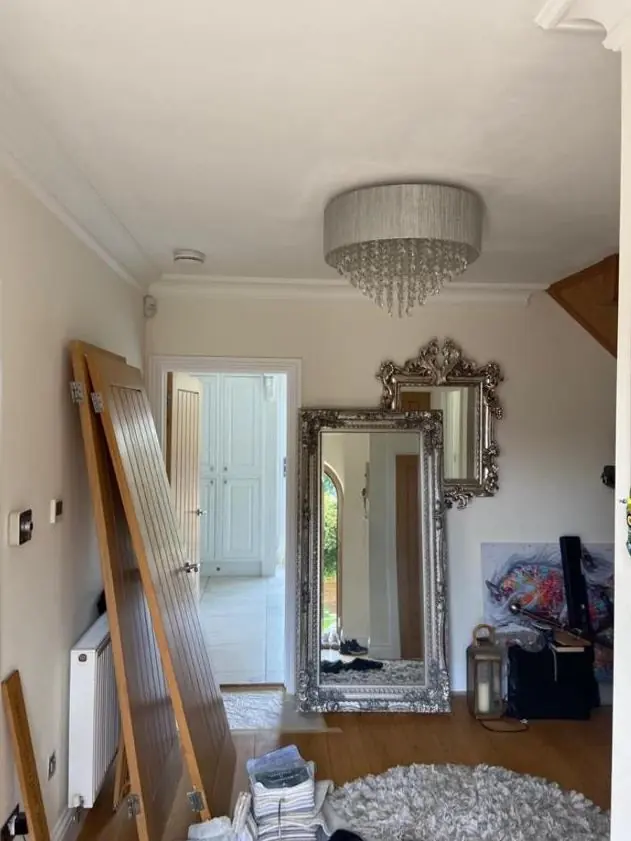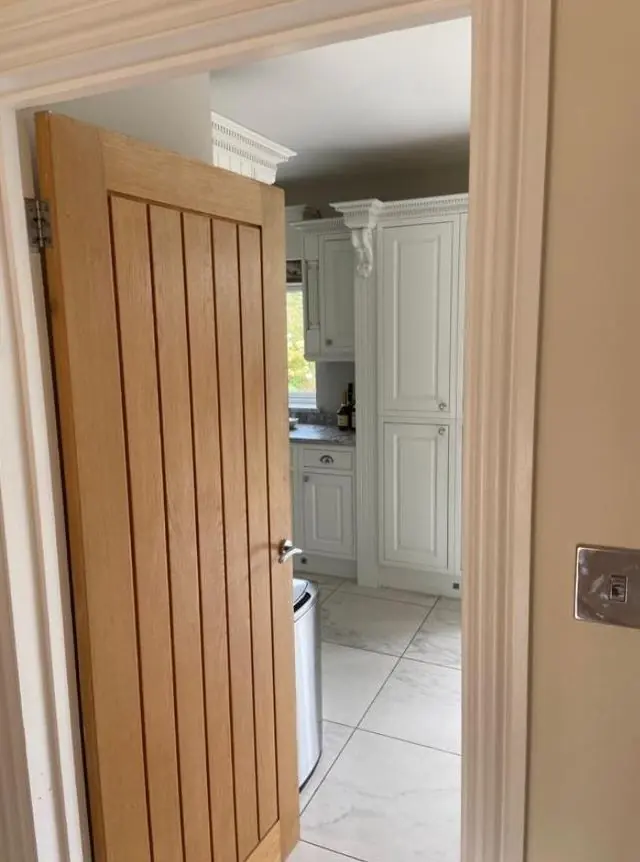
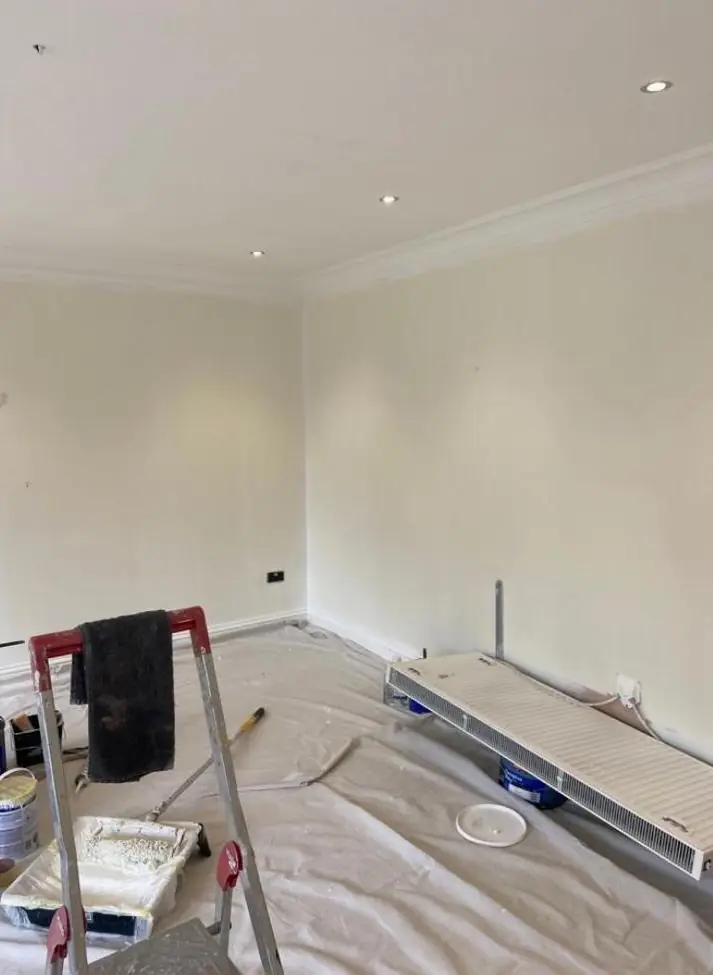
Dean paints the inside of houses in Cogenhoe, the hillside village 4.6 miles east of Northampton town centre in the NN7 postcode. The work ranges from solid-walled limestone cottages that need breathable paint to Victorian brick houses on Station Road and the 1960s-onward estates off York Avenue.
Three ages of house, three ways of painting a room
Cogenhoe (said Cook-no) sits on the limestone slope above the River Nene, and its interiors fall into clearly different groups. Along Church Street and upper Mill Lane are 17th and 18th century cottages and farmhouses built of coursed limestone rubble. In the middle sit the red-brick houses the Mann family put up during the village’s boot-and-shoe years. West of the conservation area, the estates on Station Road and York Avenue, mostly built from the 1960s on former allotments and orchards, make up the larger share of homes. Before quoting, Dean works out which of these he is standing in, because the paint, the preparation and the days on site all change with it.
Solid limestone walls and lime plaster
The older cottages have solid stone walls with no cavity, and many are finished inside in lime plaster. Lime has to let moisture pass through it. Seal it under a vinyl emulsion and damp that would have dried out through the wall gets trapped behind the paint film, which shows up later as blistering, flaking or a tidemark low on the wall. For these rooms we use breathable paints, such as a clay or mineral emulsion, or limewash where the surface already carries one. Where an earlier decorator has rolled modern paint over lime, we test how well it is bonded before deciding whether to work over it or take it back.
Ceilings in the cottages tend to be low, and walls are rarely flat or plumb. That is part of their character, and we don’t try to fill it out of existence. Cutting in along a ceiling line that rises and dips takes longer than on a modern house, so allow for it in the timescale. Deep window reveals in thick stone walls need extra attention too, as the plaster on the reveal edges is often the first to crack and lift.
The Mann houses on Station Road
The Mann family, whose footwear business began at 20 Church Street in 1887, built Rocklands, Nene View and Gladstone Terrace at 1 to 17 Station Road. These are two and three storey houses, some with attic rooms, and the larger semi-detached ones had workshops at the back. Inside, the job is about tall walls, deep skirtings and architraves, and sash windows whose inner faces deserve proper preparation rather than another coat over failing layers. Decades of old gloss usually need keying, filling and priming before anything new goes on. Our doors, skirtings and woodwork page covers that side of a room in more detail.
Estate homes around York Avenue
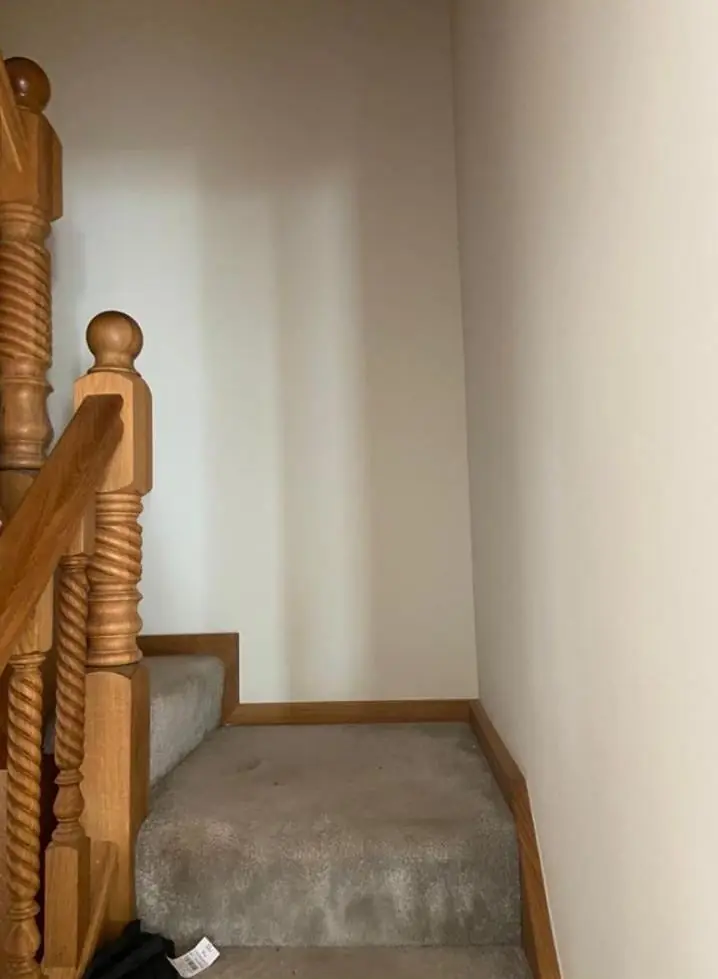
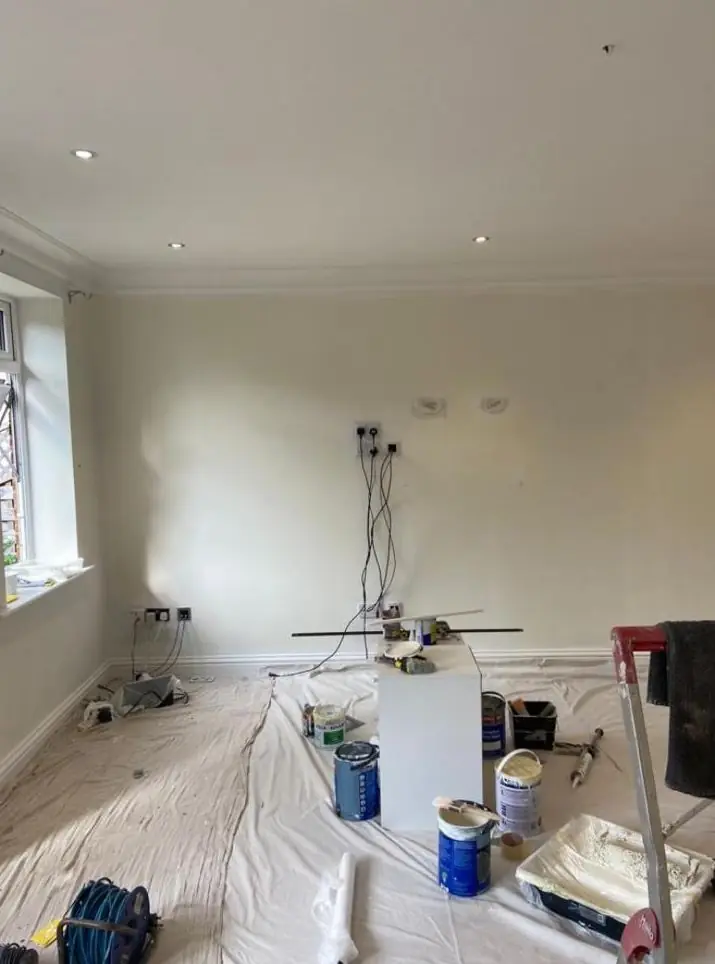
The later 20th century houses are the straightforward end of the job. Plaster here takes standard emulsion systems, and the decisions are mainly about finish: a washable matt or eggshell for kitchens, hallways and children’s rooms, and a moisture-tolerant paint in bathrooms. Extensions and outbuilding conversions are common in the village, so one house can have older painted walls next to fresh plaster, and each surface gets its own preparation before the top coats.
Parking, access and timing
Off-road parking is rare for the older houses on Church Street and Station Road, and cottages built right on the front edge of their plot open straight onto the pavement. We agree where the van will go and how sheets and tins come in before the start date, then keep materials in one room so the front door stays usable. Indoor work is not held up by the wind and rain that hit this exposed hillside, which makes it a sensible job for the winter months. Our general method is set out on the interior painting in Northampton page, and the rest of what we cover locally is on the Cogenhoe area page.
Last updated by Dean, DH Painter & Decorator.