Painter & decorator covering Northampton and surrounding areas

Render and Masonry Painting in Cogenhoe

Masonry coatings chosen wall by wall in Cogenhoe, from render beside limestone to estate houses, with bare stone and Victorian brick left alone.

  • Over 30 years experience
  • Free quotes & advice
  • Fully insured & trained
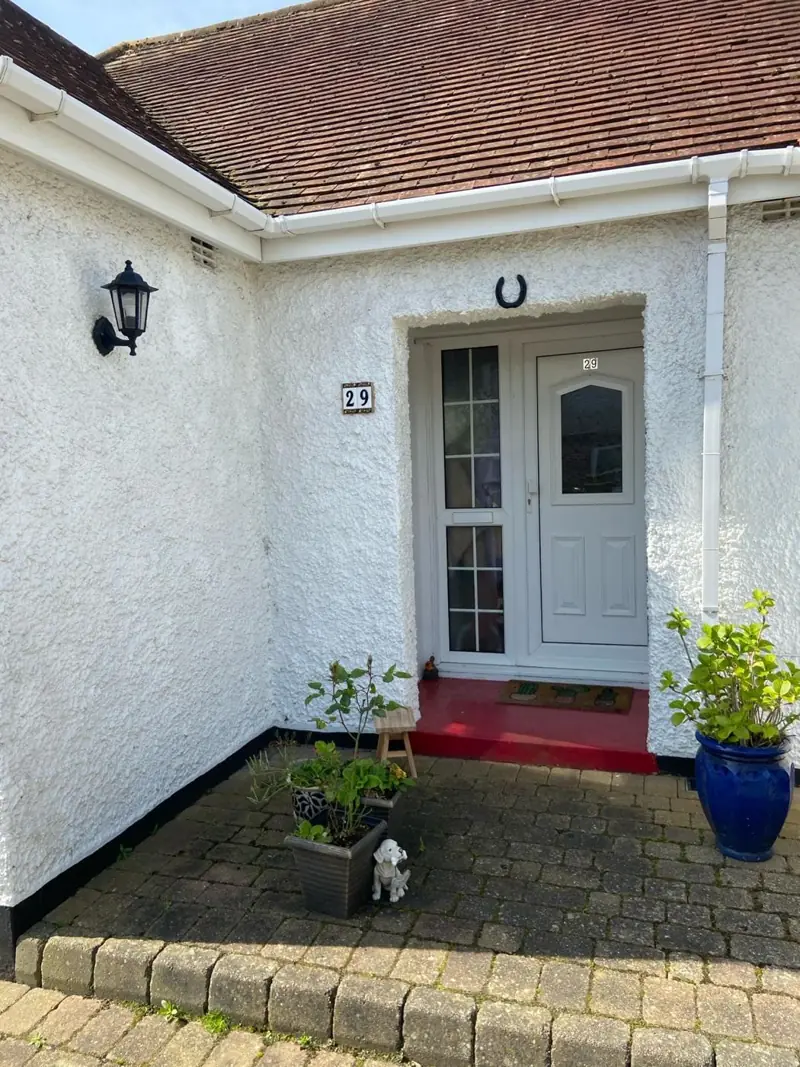
Bungalow porch finished in white roughcast render with white fascias and guttering

We paint render and masonry in Cogenhoe, the village on the limestone slope 4.6 miles east of Northampton town centre. Dean will tell you honestly when a wall should stay unpainted, and when it does need a coating he picks one that suits what the wall is made of.

Most of Cogenhoe’s walls were never meant for paint

It is worth starting with what we would not coat. The historic core along Church Street and upper Mill Lane is built of local limestone laid as coursed rubble, with ironstone banding, quoins and mullions on the bigger houses. The Victorian houses lower down Church Street and on Station Road are red brick in English bond, some of it from the brickworks that once stood by the railway, with limestone dressings round the windows. Both look as intended when left bare, and both rely on being able to dry out through the face.

Acrylic masonry paint forms a fairly tight film. On solid stone or soft old brick it can hold moisture in the wall, which then pushes the paint off or damages the surface behind it. The village’s conservation appraisal also asks for limestone boundary walls, with their ironstone or tile copings, to be kept. If you are thinking of painting a stone or brick front to freshen it up, Dean will usually suggest cleaning and repairing it, and spending the budget on the joinery.

The half-stone, half-render cottage
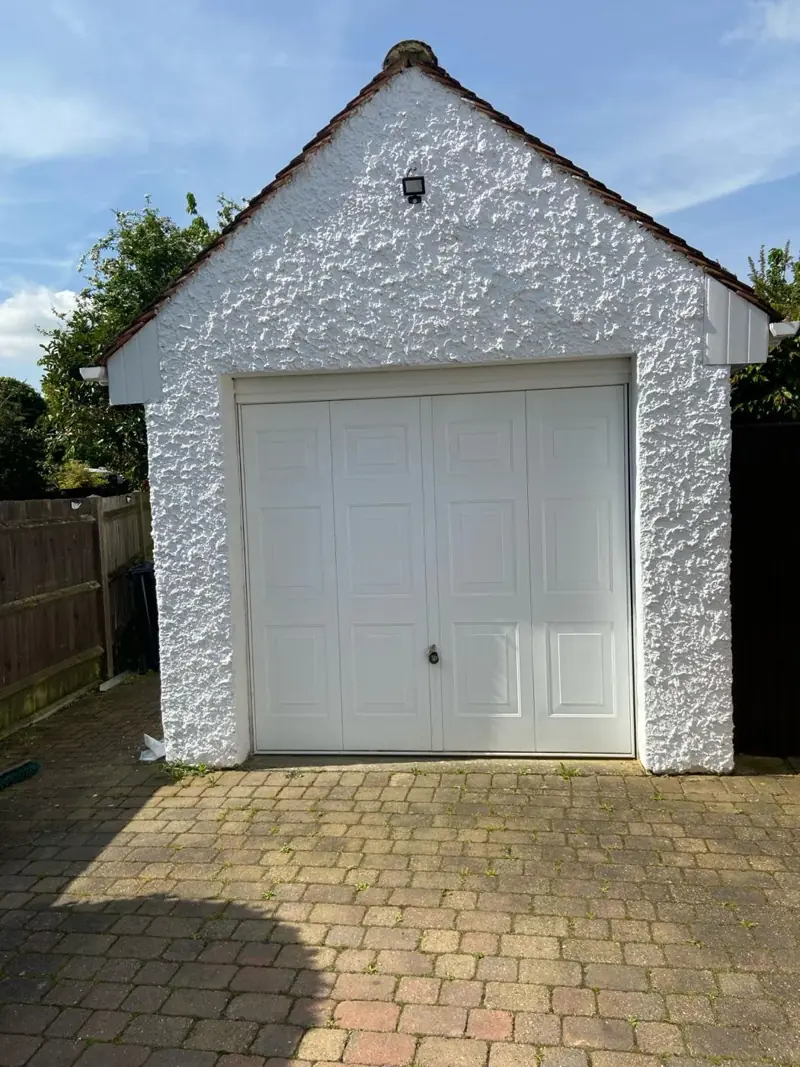
Detached garage with roughcast render repainted white around a white up-and-over door

One building type here needs particular care. On Church Street, between Manor Cottage and the Manor House, an early 20th century Arts and Crafts cottage is built half in limestone and half in render. Wherever render meets stone like this, the coating on the render has to match the stone’s ability to breathe. A dense finish on the rendered panel can drive damp sideways into the stone next to it, and leaves a hard line where the two materials age at different rates.

For walls of this kind we look at limewash or a mineral silicate paint. Limewash builds up in thin coats and wears back gently; silicate paint bonds chemically with a mineral surface and stays vapour-open. Either way, the stone around the panel is masked off and kept clean, as are the ironstone quoins where they meet it.

Rendered walls on the newer estates

The 20th century estates west of the conservation area, along Station Road and York Avenue, are where most straightforward render painting in the village happens. Where these houses have rendered walls or panels, a good-quality exterior masonry system is normally the right choice. The work is in the preparation: washing off dirt, treating any algae, raking out and filling cracks, and stabilising chalky old paint so the new coats bond.

Exposure plays a part. The village sits high above the Nene with an open outlook north, and walls facing north and west take wind-driven rain. Render on those sides tends to show green staining and failed patches first, and we would expect to spend more time preparing them than the sheltered faces. Our guide to painting render and roughcast explains the stages in more detail.

Already-painted stone: taking stock first
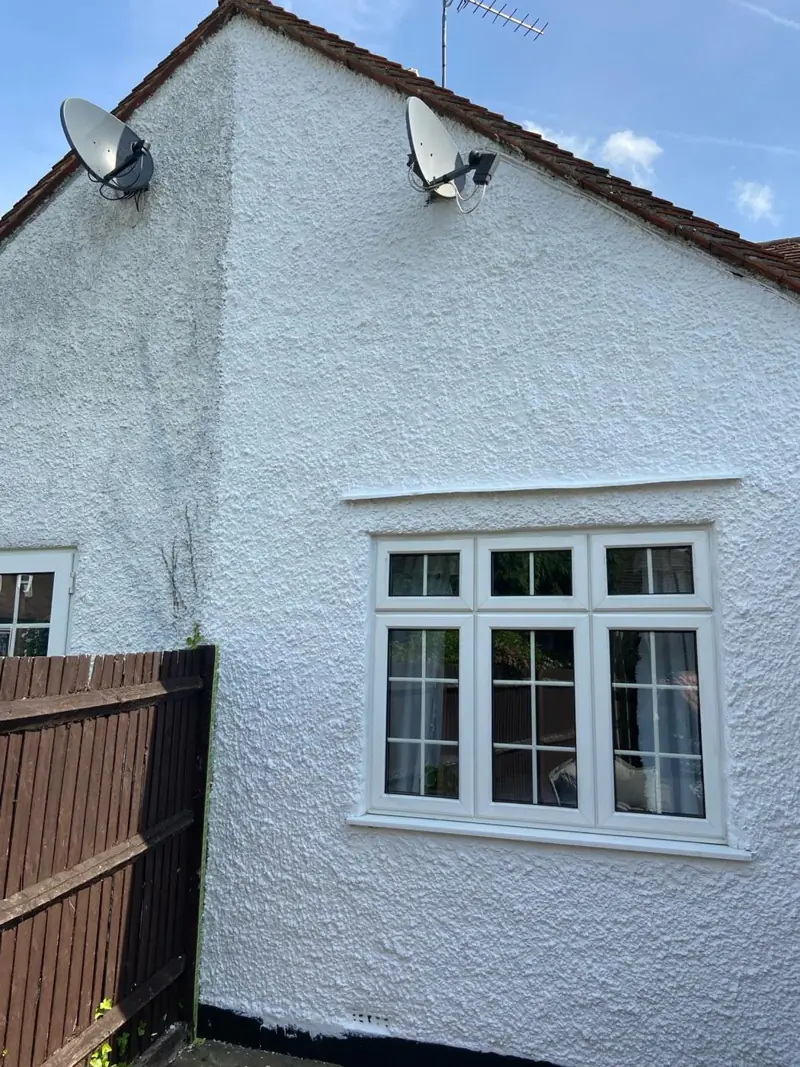
Textured render gable repainted white around a white casement window, satellite dishes above
  • We check whether the existing coating is limewash, a mineral paint or a modern film, because that decides what can go over it.
  • Where a plastic-type paint is flaking off stone, we discuss whether removal is realistic or whether a compatible recoat is the practical route.
  • Modern cement pointing, which the conservation appraisal lists as a threat, can hide damp problems; we will point this out rather than paint over it.
  • On listed buildings, any change to an external wall finish should be agreed with West Northamptonshire Council first.

The general method we follow is set out on our render and masonry painting page, and the full list of services we cover in the village is on our Cogenhoe page.

Last updated by Dean, DH Painter & Decorator.
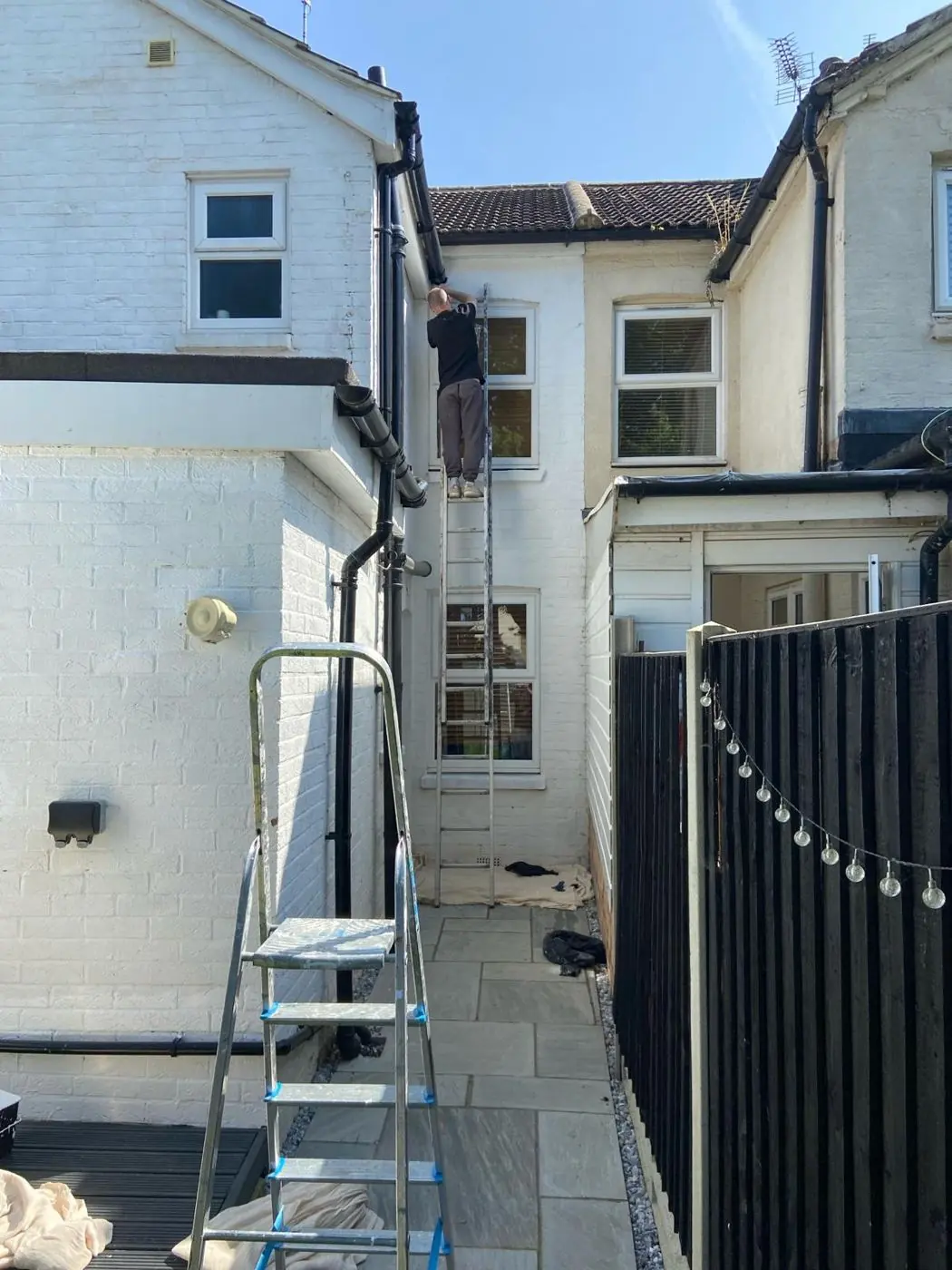
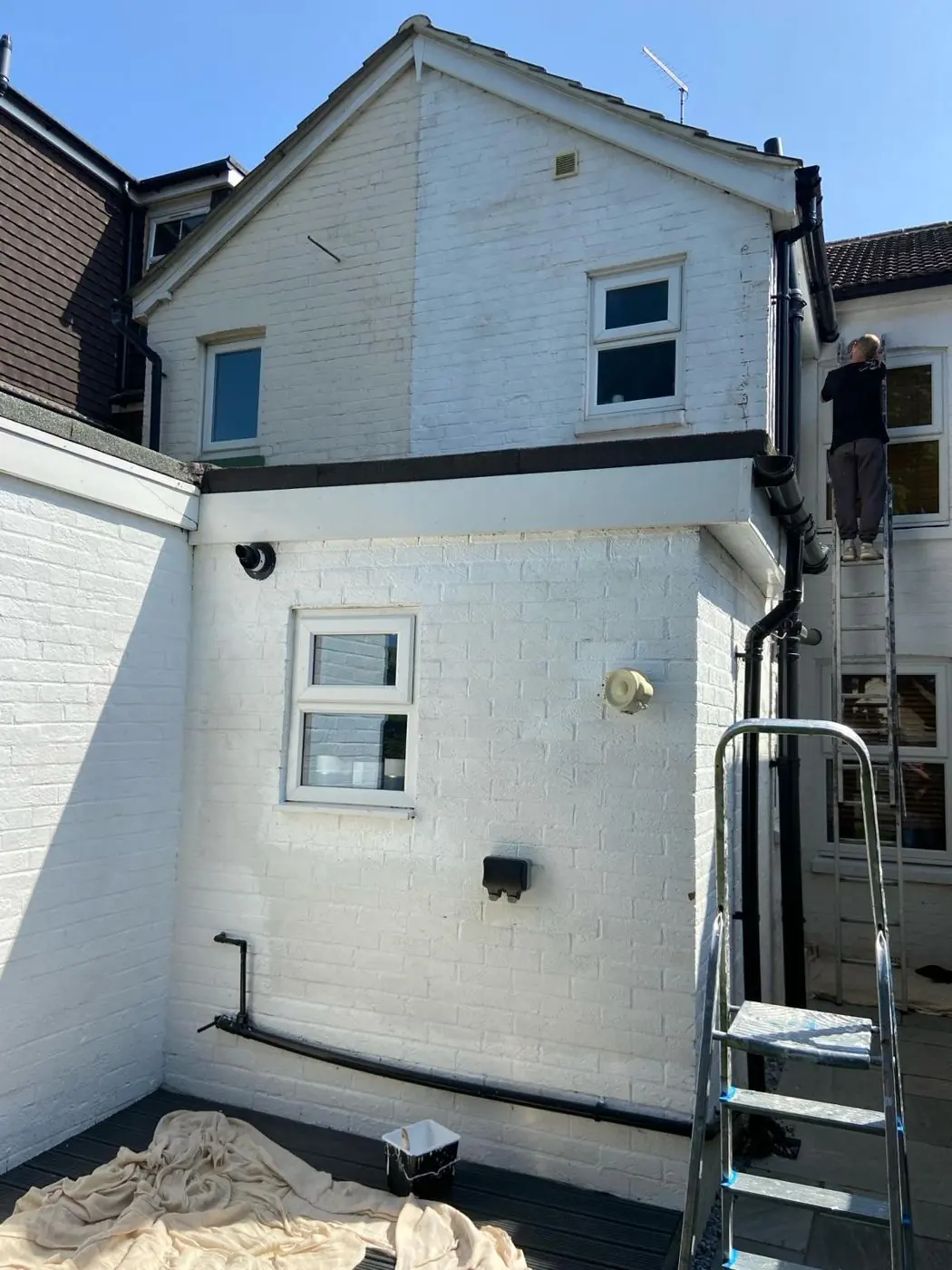
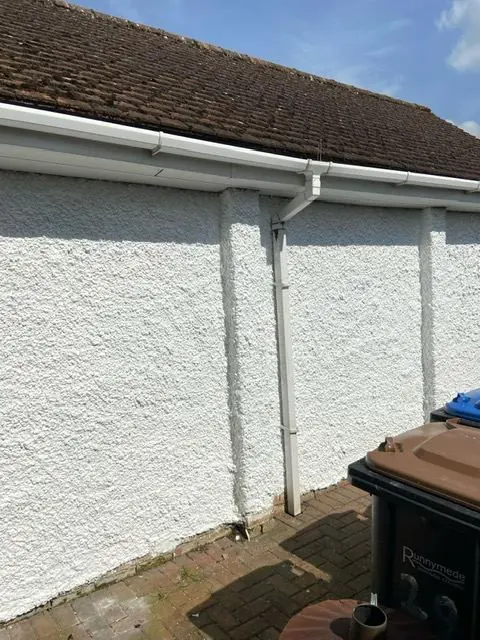
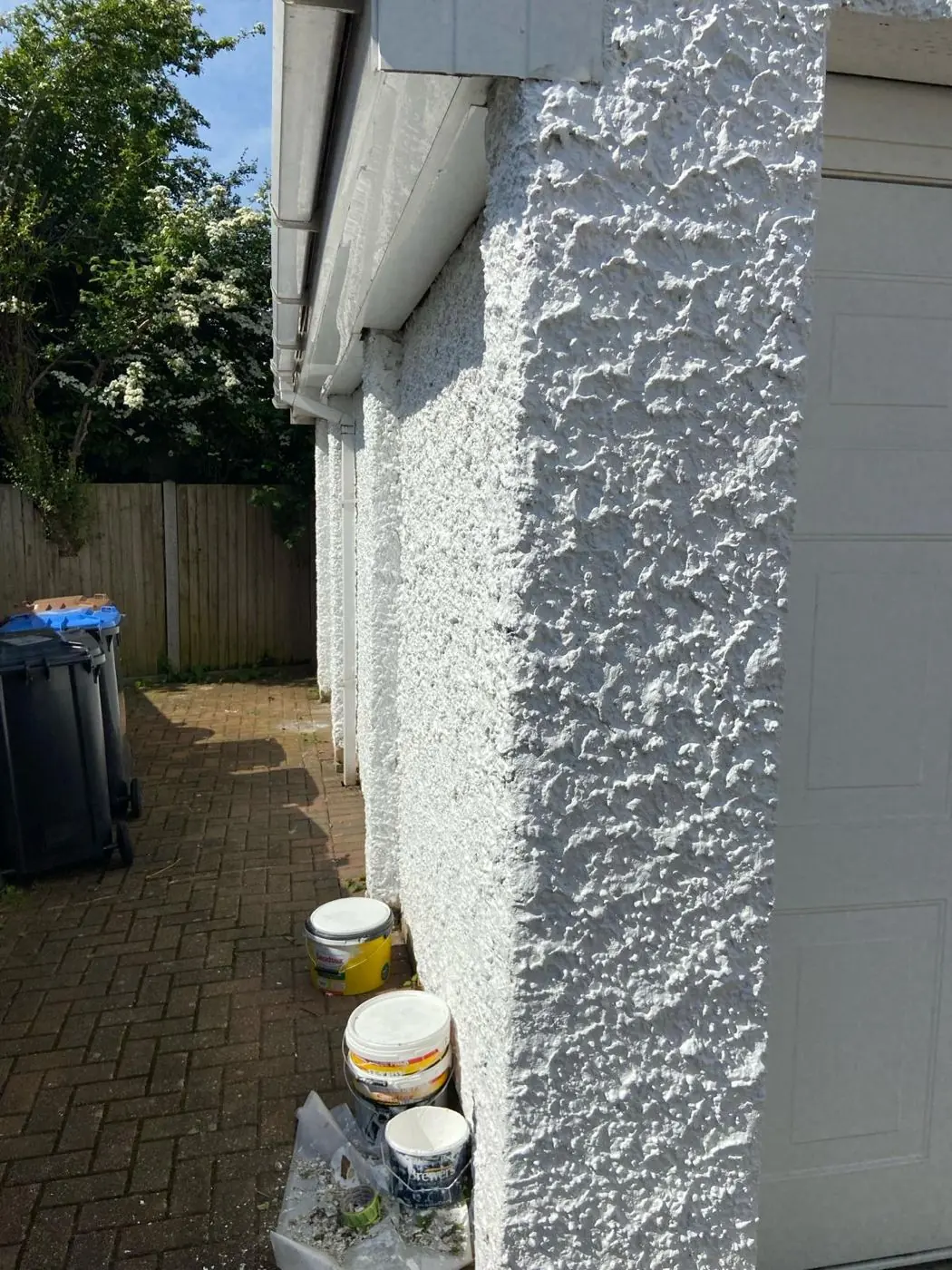
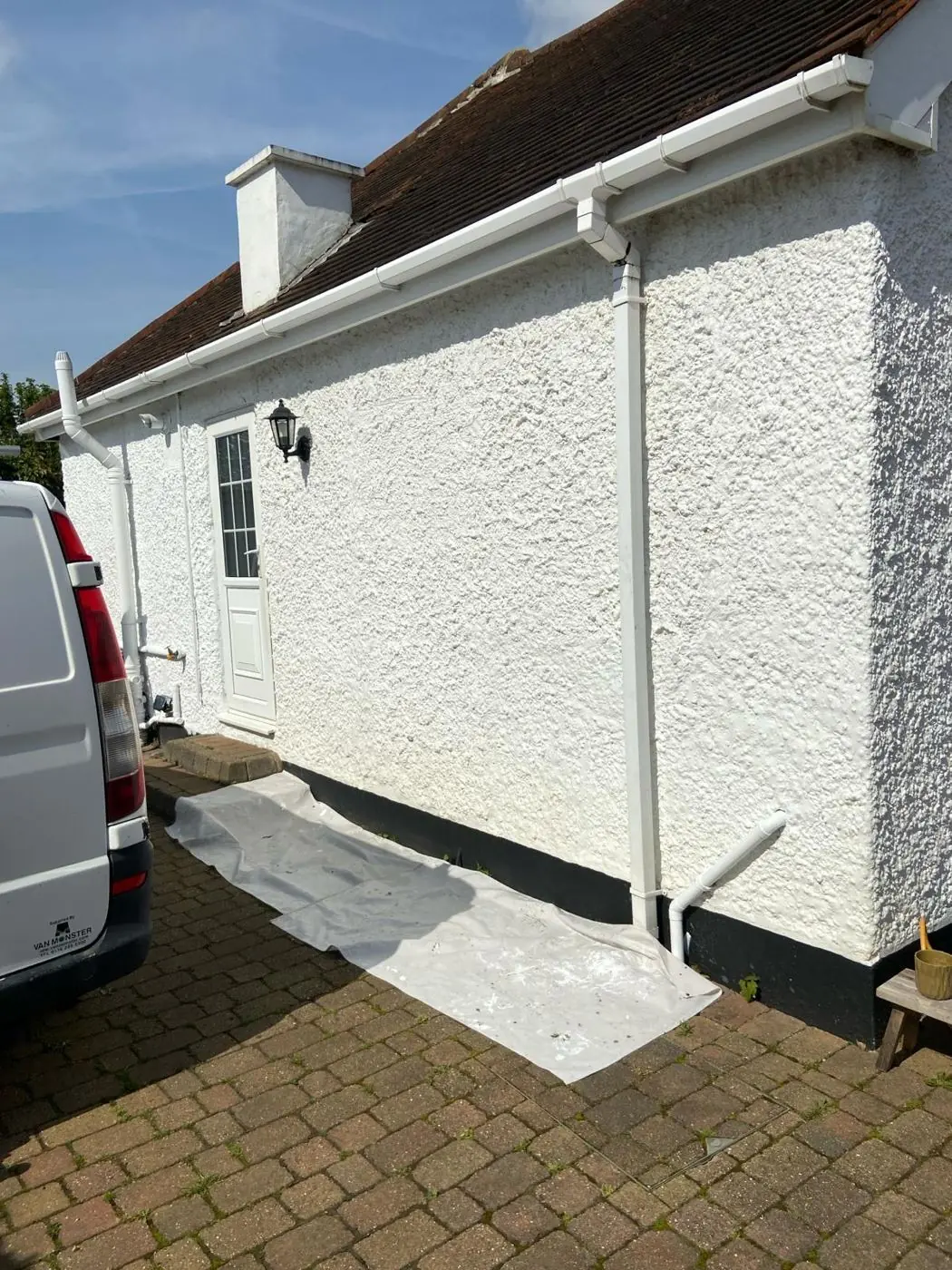
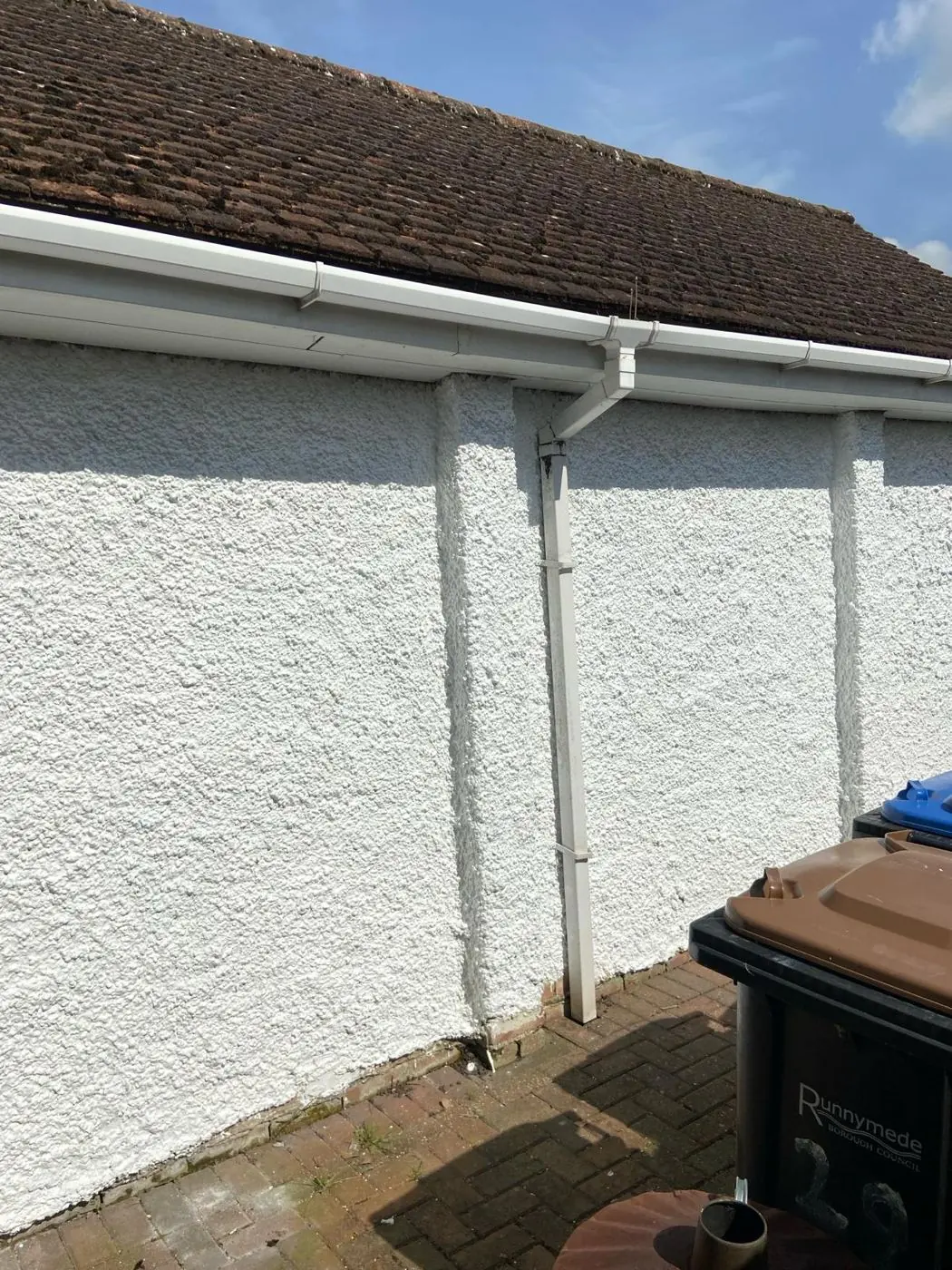
Back of a terraced house with white brick walls repainted, decorator on a ladder Rear extension with brickwork painted white, decorator up a ladder and dust sheets down mid-job Long pebbledash wall repainted bright white beneath white guttering and a tiled roof Close-up of heavy roughcast render on a corner painted white, paint tubs at its base Bungalow side elevation in fresh white masonry paint with a black plinth, dust sheet down Bungalow side elevation in fresh white masonry paint, wheelie bins alongside

Render & masonry painting in Cogenhoe: your questions answered

Can't see your question? Call us on 07539 779 036 and we'll happily talk it through.

Can I use ordinary masonry paint on my limestone cottage in Cogenhoe?

We would advise against it. The coursed limestone rubble on Church Street and Mill Lane needs to dry out through its face, and acrylic masonry paint tends to trap moisture. Bare stone is usually left alone. If a finish is genuinely needed, a breathable option such as limewash or mineral silicate paint is the safer choice.

What should go on render that sits right next to stone?

On houses like the half-limestone, half-render Arts and Crafts cottage on Church Street, the render coating should breathe at a similar rate to the stone beside it. That usually means limewash or a mineral silicate paint rather than a dense acrylic. We mask the stone and ironstone quoins so only the render is coated.

Will you paint the red brick front of my Station Road house?

We would rather not, and will say so. The Victorian houses on Station Road are red brick in English bond with limestone dressings, and painting them hides a key part of their character and can trap damp. The front of 1-19 Station Road is also inside the conservation area. Repairing and repainting the sashes, bays and sills is usually the better spend.

Why does the render on my York Avenue area house go green on one side?

Cogenhoe is high and open to the north, so north- and west-facing render stays damp longer after wind-driven rain, and algae settles there. Before repainting we wash the wall, treat the growth with a biocide and let it dry fully. Painting straight over green staining usually means it comes back through quickly.

What customers say about Dean

Most of our work comes from recommendations and returning customers. These are real reviews from customers after the job was finished, in their own words.

More customer reviews

After completing my gates I was then assured Dean was more than competent to repaint the inside of my property from top to bottom. It’s a large 4 bedroom house and was done to a very high standard. Once again I would highly recommend him.

Customer review Gates, then a full four-bedroom interior

I contacted Dean to get the outside of the house painted; the house is all roughcast render. He has done a fantastic job; the house is looking brand new. The same he did for our garage, painted our bedrooms x2, did extra jobs for us like skirtings and door frames, and painted even our gates. I could not recommend him enough; he is attentive, smiling, always on time, and nothing too much; I am so happy with what Dean has done; he went above and beyond. I have recommended him to all my friends and family.

Read full review
Customer review Roughcast render, garage, bedrooms and gates

Dean did a great job for a good price i'd be very happy to recommend him always on time polite and friendly.

Customer review Painting and decorating

Start your project

Get a free painting and decorating quote

Tell us a little about the job and we'll arrange a visit to look at it properly. Quotes and advice are always free, with no obligation.

What happens next

  1. We get back to you to arrange a convenient time to visit.
  2. Free visit. We look at the job and talk through colours, finishes and any repairs.
  3. Written quote. A clear price covering preparation, materials and the finish we agreed.

Request a free quote

Please enter your name.

Please check your email address.

Please enter a valid phone number.

Prefer to talk? Call 07539 779 036.

Call 07539 779 036Call nowFree quote