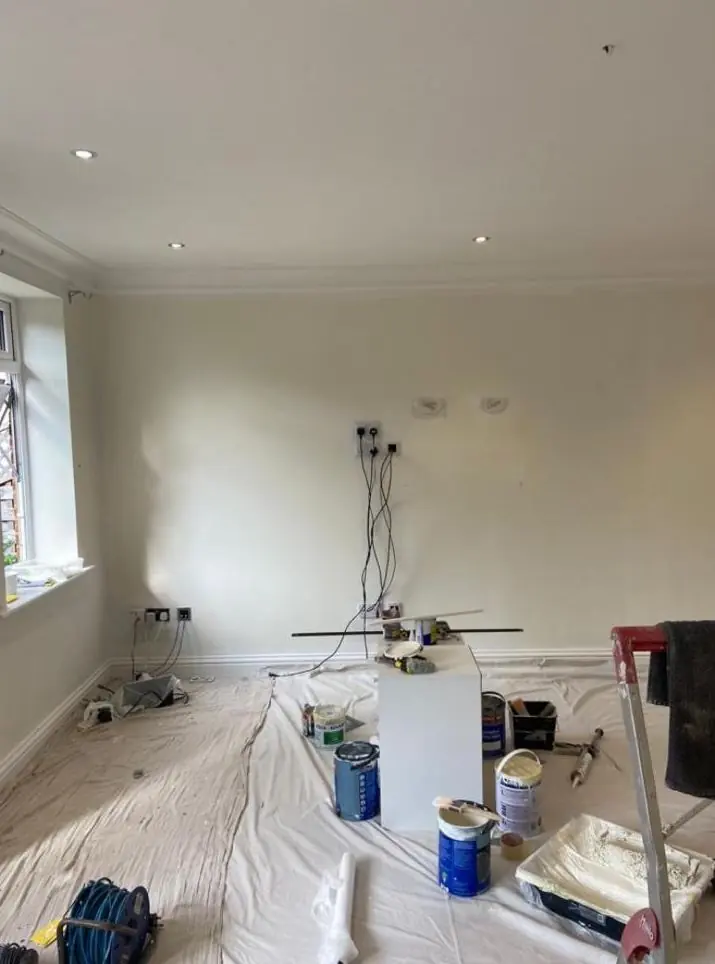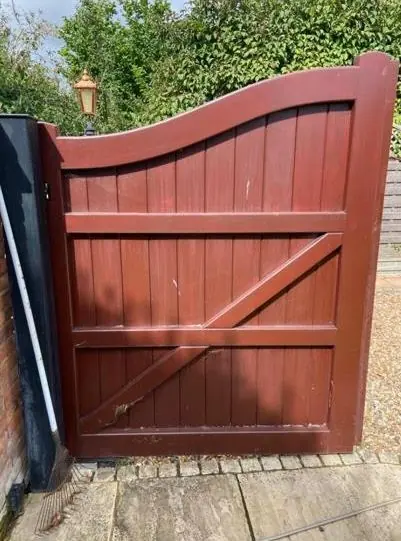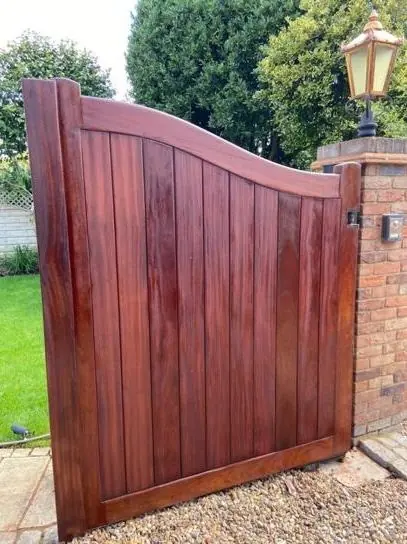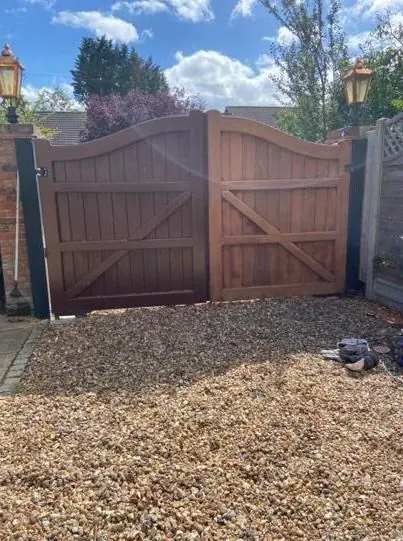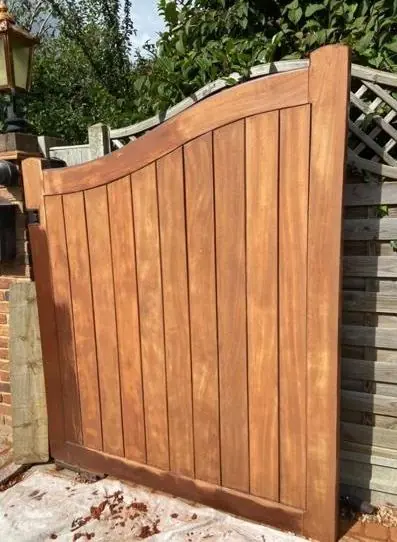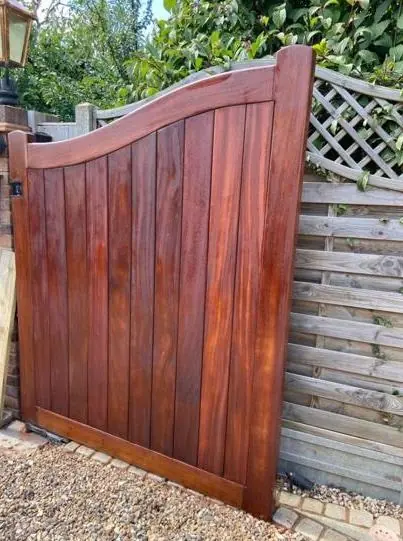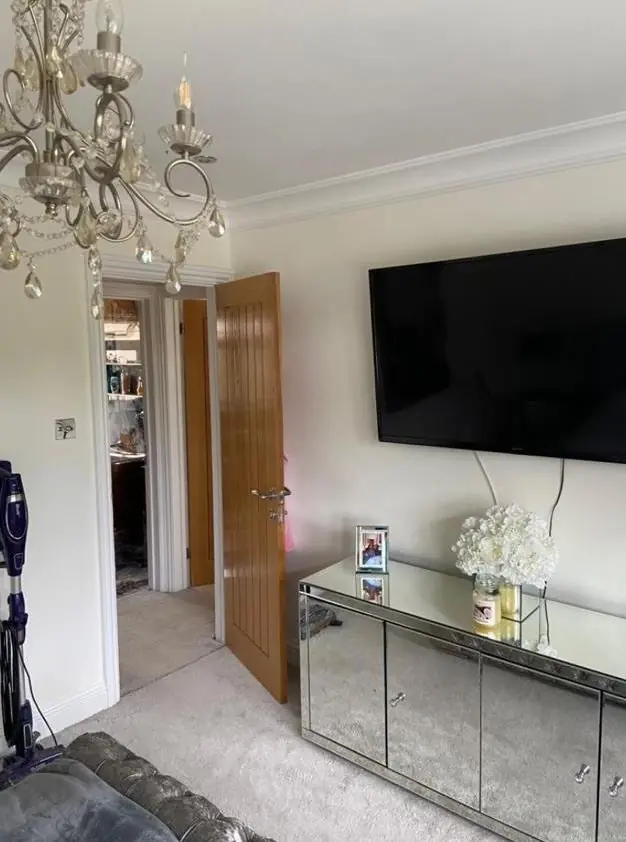
DH Painter & Decorator covers Cogenhoe from our Northampton base, about 4.6 miles east of the town centre on the slopes above the River Nene. Dean, with over 30 years in the trade, paints and decorates the village's stone cottages, listed houses, Victorian brick homes, estate houses and small local premises.
Cogenhoe from our Northampton base
Cogenhoe, pronounced Cook-no, is a hillside village in the NN7 postcode, about 4.6 miles east of Northampton town centre. It shares a parish with Whiston and sits on limestone slopes above the River Nene, with wide views north across the valley. The historic core is a long street of 17th and 18th century limestone cottages and farmhouses running down Church Street and upper Mill Lane. Station Road brought red-brick houses in the late 19th century, built during the boot-and-shoe era, and estates from the 1960s onwards at least tripled the size of the old village.
That mix means a painter here has to change approach from one street to the next. A breathable limewash on a 1670s farmhouse, a full gloss system on Victorian bargeboards and a durable emulsion in a 1960s estate kitchen can each be the right answer within the same parish. Dean prices and plans each job around the building in front of him.
Limestone cottages on Church Street and Mill Lane
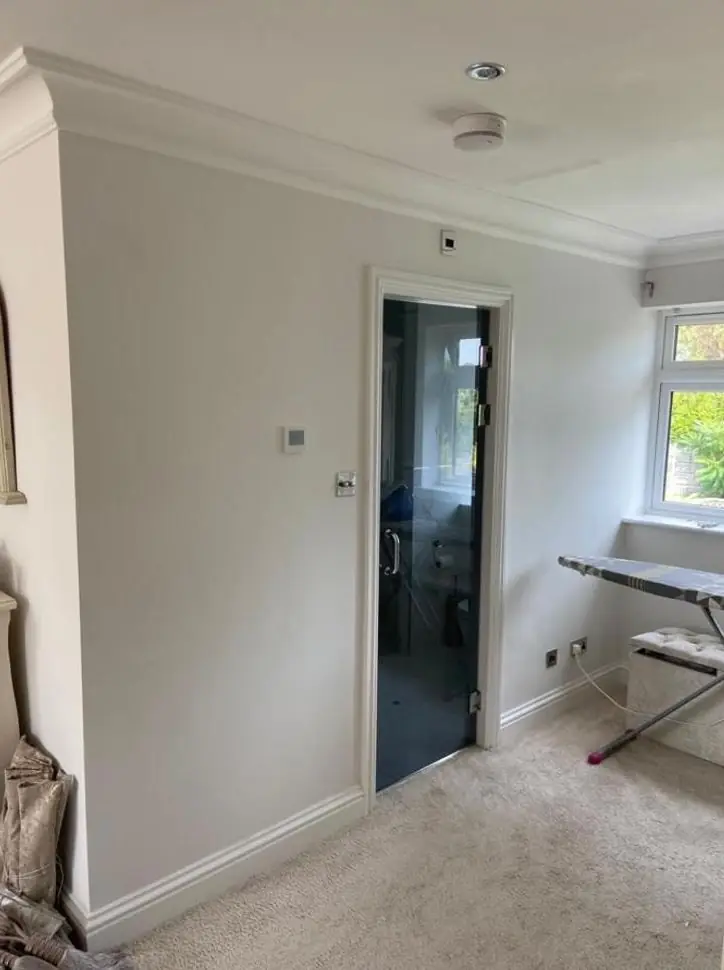
The oldest houses are local limestone laid as coursed rubble. Larger ones such as the Manor House have ironstone banding, quoins and mullions. These walls are meant to stay as bare stone. Acrylic masonry paint should not go on them, because it traps moisture in a solid wall and causes the stone to decay behind the film. If a finish is needed at all, it has to be breathable, such as limewash or a mineral silicate paint. When we paint the joinery next to the stone, the ironstone dressings are masked and cut in carefully so they stay clean.
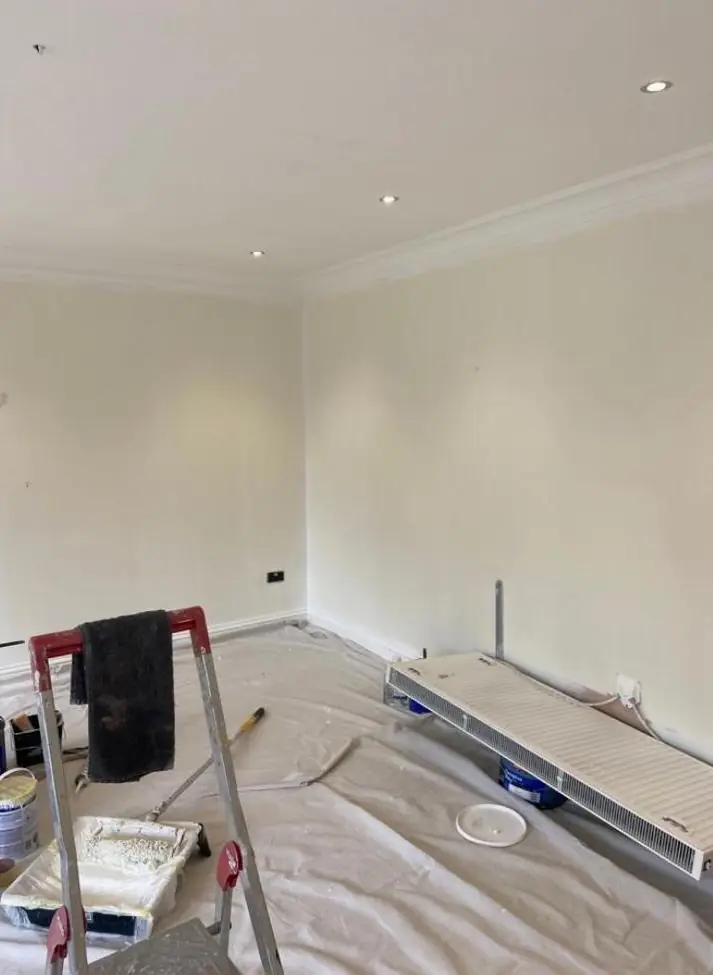
The joinery itself is the main exterior job. Traditional timber casements under narrow timber lintels and plank or panelled doors are exactly what the conservation area appraisal wants kept, so we repair and repaint rather than recommend replacement, using microporous or linseed-compatible paint that suits old timber. Inside, solid walls and lime plaster call for breathable paints too, and low ceilings and uneven walls mean more careful cutting in. Our interior painting page explains the method we use in every house.
Listed buildings and the conservation area
Cogenhoe Conservation Area was designated in 1991, reviewed in 2014 and its appraisal adopted in January 2015. It covers about 9.5 hectares: Church Street, upper Mill Lane, the green, Cottons Farm and the fronts of 1 to 19 Station Road. It names replacement of timber windows and doors with uPVC, poor repairs and modern pointing as the main threats. We found no Article 4 direction in force in the sources we checked, though the appraisal proposes considering one.
There are 19 listed buildings in the conservation area, including St Peter’s Church (Grade II*), the Manor House of 1672, Cottons Farmhouse of 1673, Manor Farmhouse of 1684 and The Grange, the former rectory. Changes to listed buildings need listed building consent, and that can include changing the colour of external joinery. If you live in one, we advise checking with West Northamptonshire Council before the work is booked. Limestone boundary walls with ironstone or tile copings are protected too, so we sheet and shield them during any gate or railing painting.
The Mann houses and Victorian brick on Station Road
TC Mann began making footwear at 20 Church Street in 1887, and the family went on to build Gladstone Terrace (1 to 17 Station Road, known locally as Kidney Bean Row), Rocklands and Nene View. These are red brick in English bond, some made from local brick from the old railway-side brickworks, with limestone window dressings and, on the Mann houses, contrasting light and dark brick bands. The facing brick should stay unpainted. The painting work is in the timber: sash and bay windows with stone surrounds, bargeboards, cresting and dentil eaves, and the decorative timber-framed porches with hipped tile roofs on Gladstone Terrace.
That decorative timber is high, exposed and often carries many old layers, so it needs careful scraping, filling and priming before top coats. Original window frames on these houses are worth repairing and repainting rather than stripping out. Our fascia and soffit painting page covers the eaves work in more detail. Inside, these two and three storey houses have tall stairwells, some rising to attic rooms, which suit period papers and two-tone schemes.
Between Manor Cottage and the Manor House on Church Street stands an early 20th century Arts and Crafts cottage built half in limestone and half in render. Render panels next to stone like that need a breathable coating matched in porosity, so the two materials dry at a similar rate. Our render and masonry painting page explains how we choose those coatings.
Estate homes, fences and trees
The 20th century estates on Station Road and York Avenue, built over former allotments and orchards, hold most of the village’s modern interiors, fascias and soffits, and garden fences. These take standard paint systems and are usually the quickest jobs to plan. The later closes, such as Sharmans Close and Manor Court, use limestone and ironstone with brick detailing, so joinery colours there are worth matching to the stone.
Tree Preservation Orders cover trees along Church Street, including around Sharmans Close, and there are important trees around St Peter’s churchyard and on the south side of Whiston Road. Fences and woodwork near them collect leaf litter, sap and green algae in the shade, so cleaning and a fungicidal wash come before any stain or paint.
Weather on an open hillside
Most of Cogenhoe sits high above the river, with the low ground near the mill prone to flooding in heavy rain. The open slope means north and west facing elevations take wind-driven rain, and paint on those sides tends to wear faster. We plan exterior work for settled, dry spells and pay extra attention to sills, bottom rails and joints on the exposed sides. Our guide on when to paint outside in the UK explains how we pick the window.
Small premises in the village
Commercial work in Cogenhoe is small in scale. The conservation area appraisal names the Royal Oak pub and Hollowell Joinery on Church Street as commercial premises, and the village also has a Londis shop, church rooms, a sports and social club, the village hall on York Avenue and the primary school. Frontages inside the conservation area need colours and signage that respect it, and work at buildings in daily public use can be planned around opening times.
Access and parking
Many older properties on Church Street and Station Road have no off-road parking, so cars sit on pavements and verges. Older cottages stand right on the front edge of the plot with no front garden, so ladders and sheets go directly onto the pavement and need to allow for passers-by. Station Road and Whiston Road can carry heavy traffic, and overhead telegraph wires run along Church Street, which affects how we set up for work at height on front elevations. We agree van space and any ladder or scaffold arrangements at the quoting visit, so the first morning runs smoothly.
Last updated by Dean, DH Painter & Decorator.