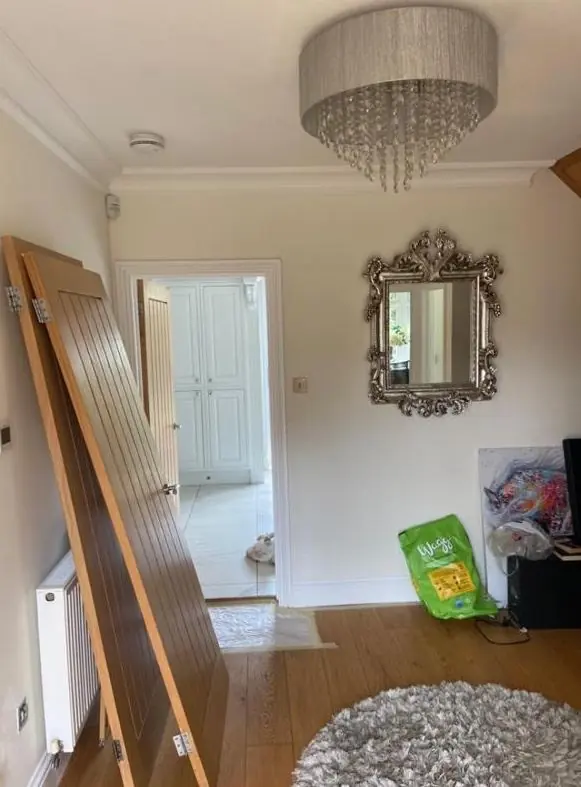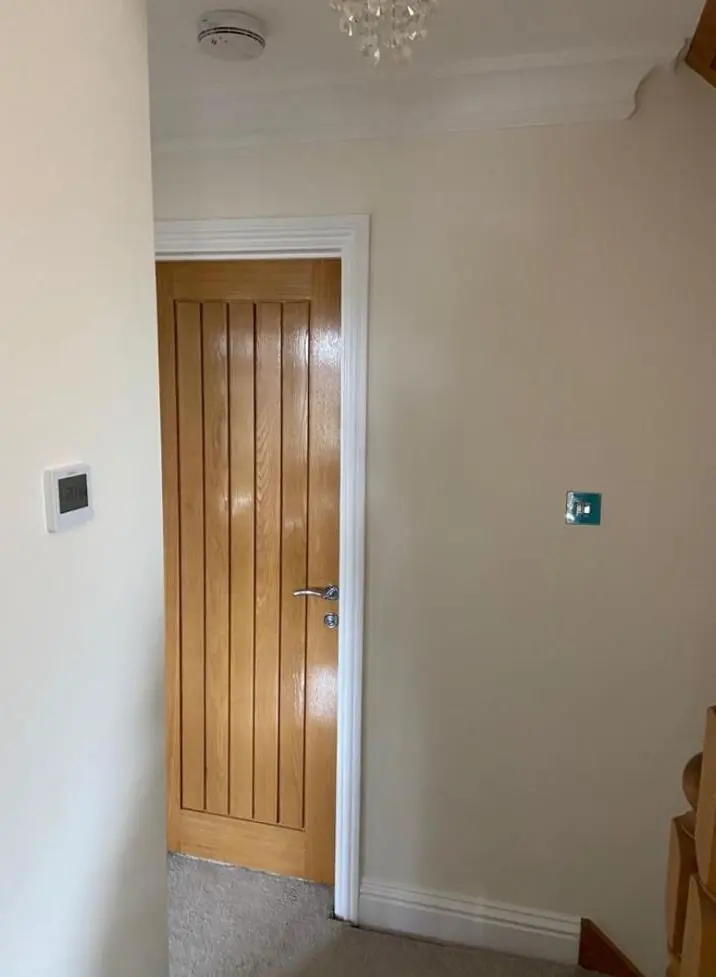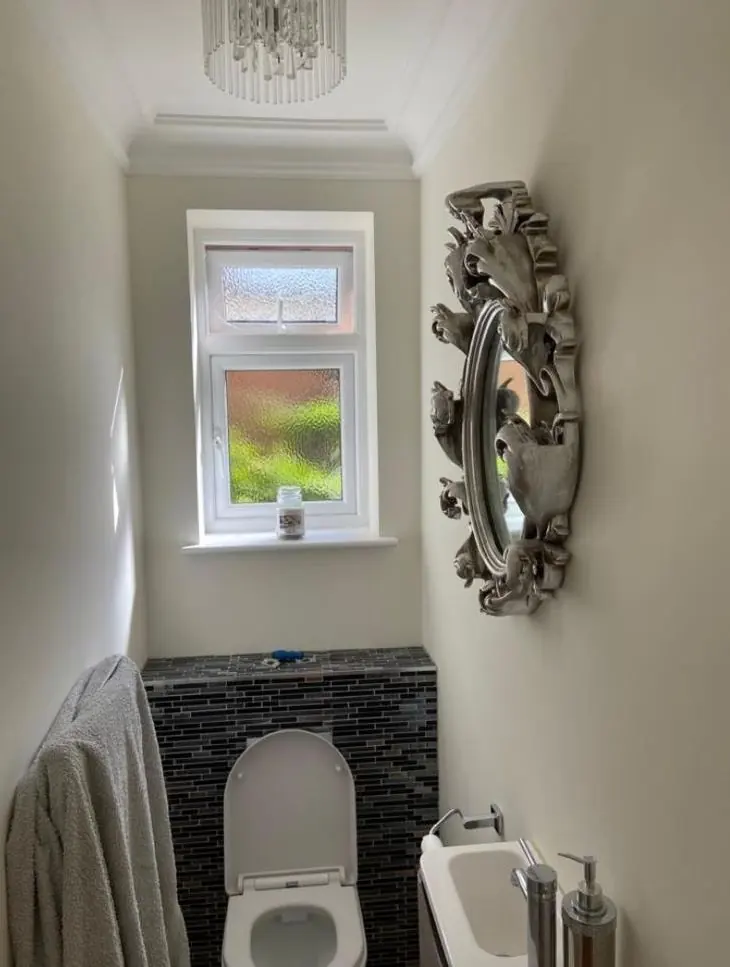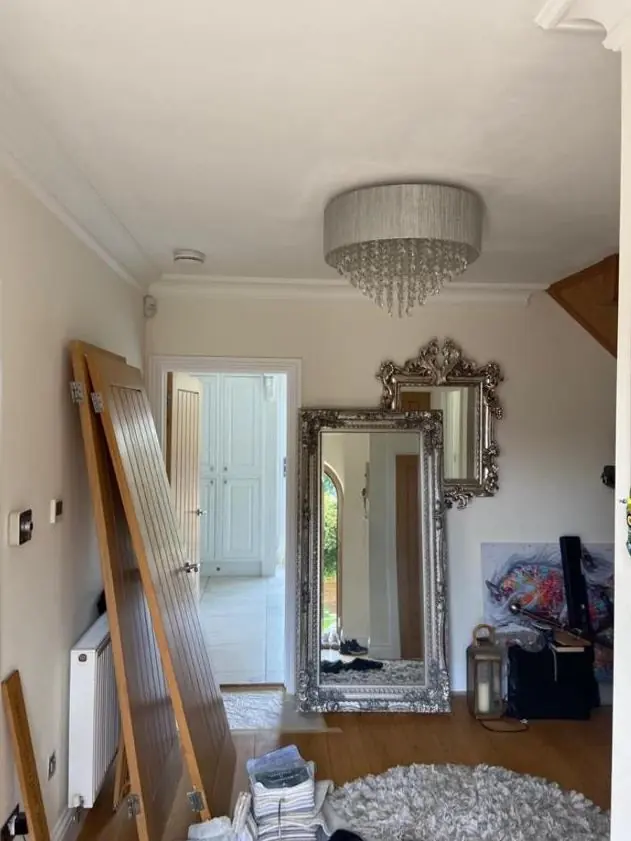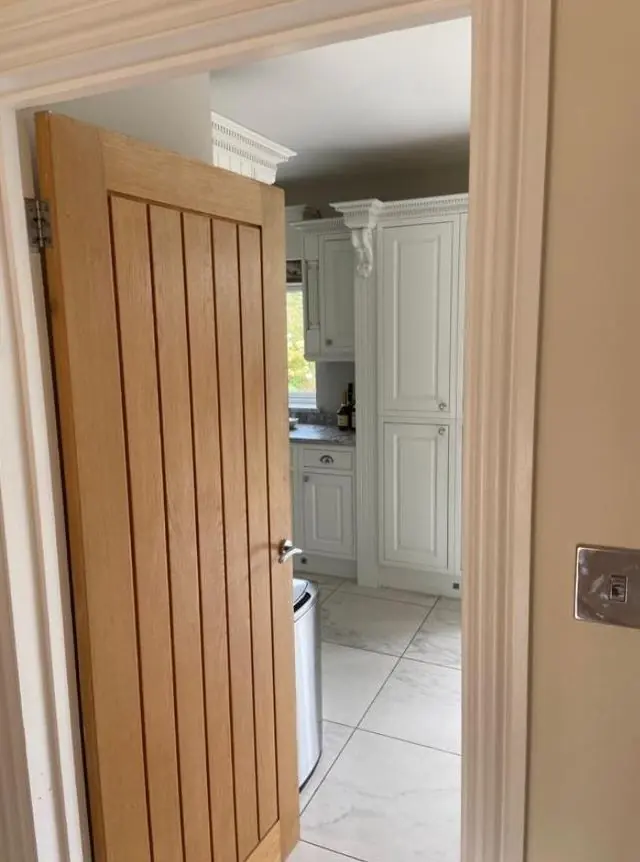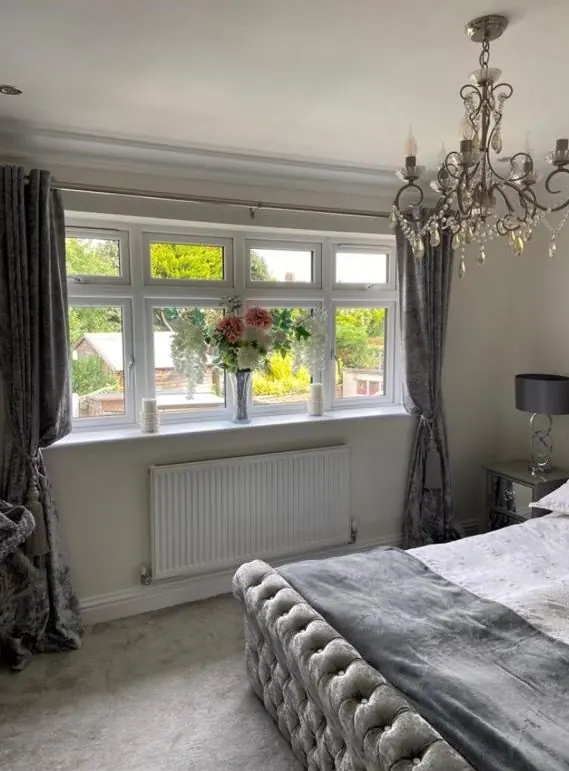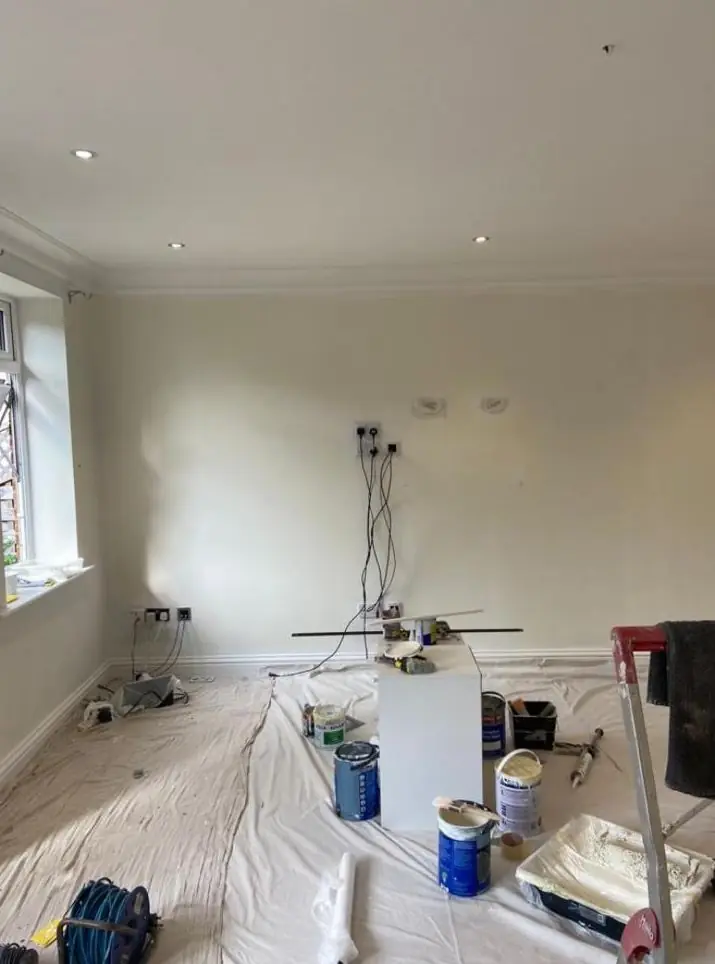
DH Painter & Decorator paints interiors throughout Kings Heath, the planned post-war NN5 estate on Northampton's north-western side, roughly 1.7 miles from the centre. Dean prepares the many-times-painted walls and woodwork in its 1950s houses properly before any new colour goes on, and gives free written quotes.
Rooms laid out by a 1950 plan
When J L Womersley planned Kings Heath in 1950, every house was drawn for a council estate of about 5,000 people, and because so few have been altered since, the rooms you paint today are largely the rooms he designed. On Avon Drive, Medway Drive, Welland Way and the neighbouring river-named streets that typically means a small entrance hall with the stairs rising straight ahead, one main living room downstairs and modest bedrooms above.
That shapes how an interior repaint here is planned. The rooms are modest, so the job is less about covering big areas and more about the condition of the surfaces and the amount of woodwork per room. Doors, frames, skirtings and window boards take up a surprising share of the time in a small 1950s bedroom, and they are where wear shows first.
| Kings Heath home | What the interior usually needs |
|---|---|
| 1950s council-built terrace or semi | Sanding back old gloss, filling decades of knocks, spot-priming before emulsion |
| Flat beside the shopping centre or green | Work planned around shared entrances and stairs; ask the landlord or managing agent first |
| 2025 town house on Park Walk | Mist coat on new plaster, then a settling period before full decoration |
| Newer terrace at Chadwick Gardens | Upgrading thin builder’s finishes once the walls have dried and settled |
Seventy years of layers under the emulsion
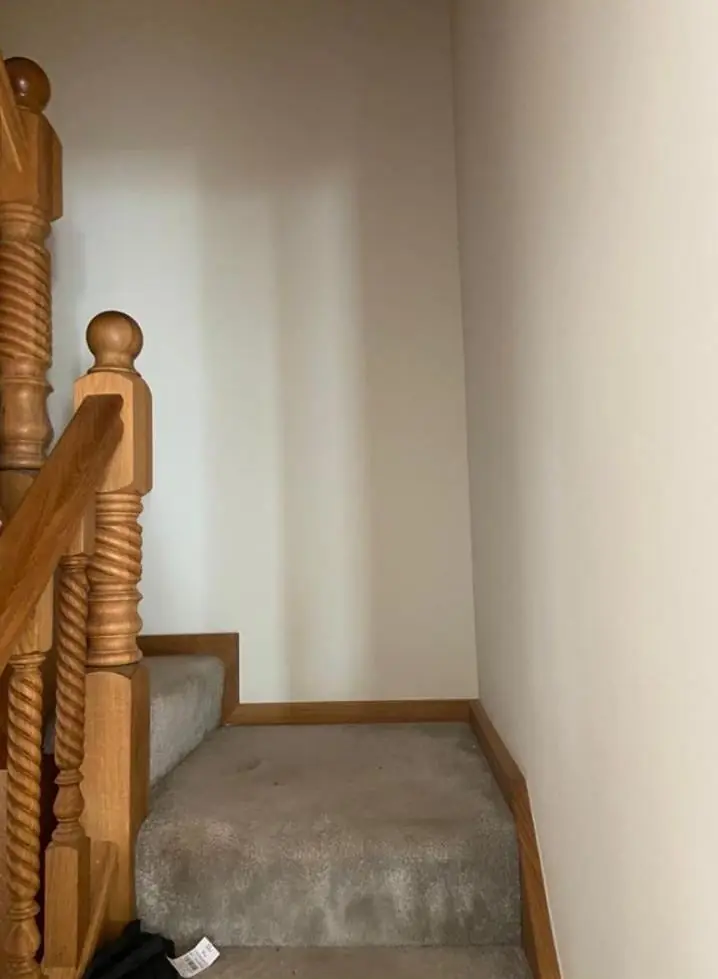
A house built in the early 1950s has been redecorated many times over. On walls that tends to mean patched plaster, filler that has shrunk, and edges where one paint has been rolled over another without a key. On woodwork it means thick runs of old gloss, doors that no longer close cleanly and skirtings with rounded-off detail. Rolling fresh emulsion over that simply prints every flaw through again.
So the work in these houses starts with preparation rather than colour. Dean scrapes and sands back flaking areas, fills and re-sands cracks, and spot-primes any bare plaster or timber so the topcoat dries evenly. Where old gloss is sound it is keyed and recoated; where it has failed it comes back further. If a ceiling turns out to carry an old soft finish that wipes off on a damp cloth, it needs sealing before any modern emulsion will hold. The general method is set out on our interior painting service page; in Kings Heath the difference is simply how much of it each room needs.
Park Walk and Chadwick Gardens are a separate job
The three-storey town houses finished on Park Walk in 2025 sit at the opposite end of the scale. Their walls are fresh plaster, which needs a thinned mist coat to soak in before proper emulsion, and new houses often show hairline cracks around ceilings and door frames as the timber and plaster settle over the first year or so. Decorating fully before that happens usually means doing those corners twice. The newer terraces at Chadwick Gardens raise the same question on a smaller scale. Our guide to painting new plaster explains the timing.
A three-storey house also changes the access. The top landing and stairwell need a proper platform rather than a stepladder, which we bring for the job.
Getting materials to the front door
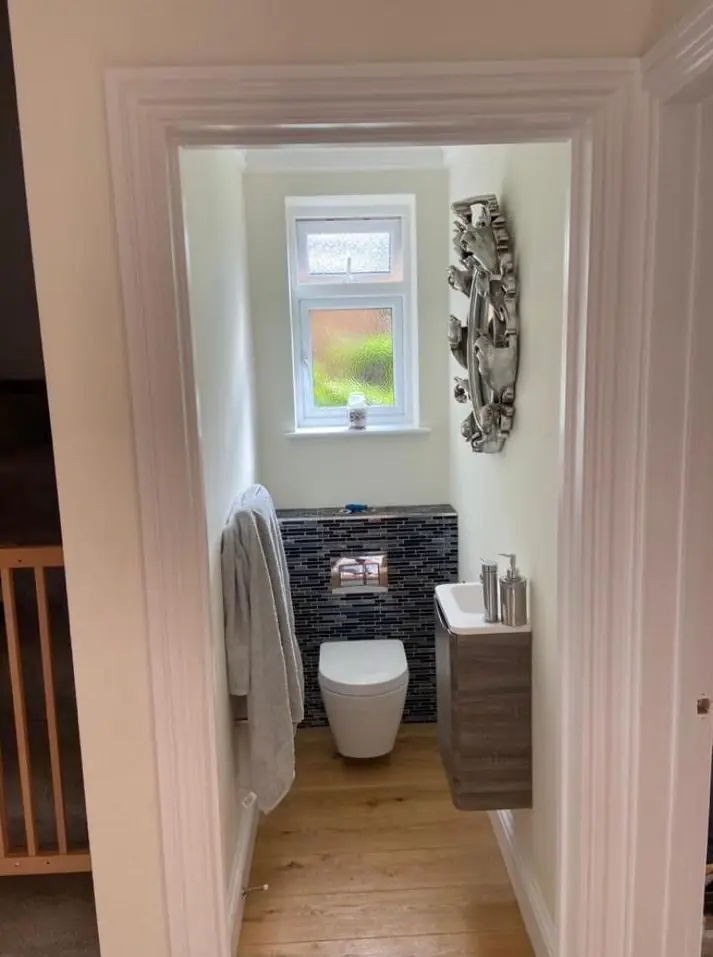
Not every Kings Heath front door has a kerb outside it. Where a house looks onto a path or one of the greens, an interior job starts with a walk: dust sheets, steps and tins may need carrying a short way from where the van can park, so we check that at the quote visit and allow for it in the day’s timings rather than finding out on the morning.
In occupied family homes, rooms are usually done one or two at a time so the house stays usable. Exterior, stair and woodwork jobs on the same houses are linked from our Kings Heath area page.
Last updated by Dean, DH Painter & Decorator.