DH Painter & Decorator paints house and flat interiors in St David's, the NN2 7 estate on the eastern side of Kingsthorpe. Dean covers it from our Northampton base, about 1.9 miles north of the town centre, and every job starts with a free quote.
Three generations of housing inside one postcode sector
Inside, the date on the deeds is a good guide to what the walls will need. EPC age bands put most houses on Hastings, Cranford and Rosedale Roads in 1939. Eastern Avenue North and South, Bondfield Avenue, Holdenby Road and Helmdon Road followed in the 1950s, with a modal year of 1958. The Newnham Road and Drayton Walk flats were the last phase, mostly from the 1970s.
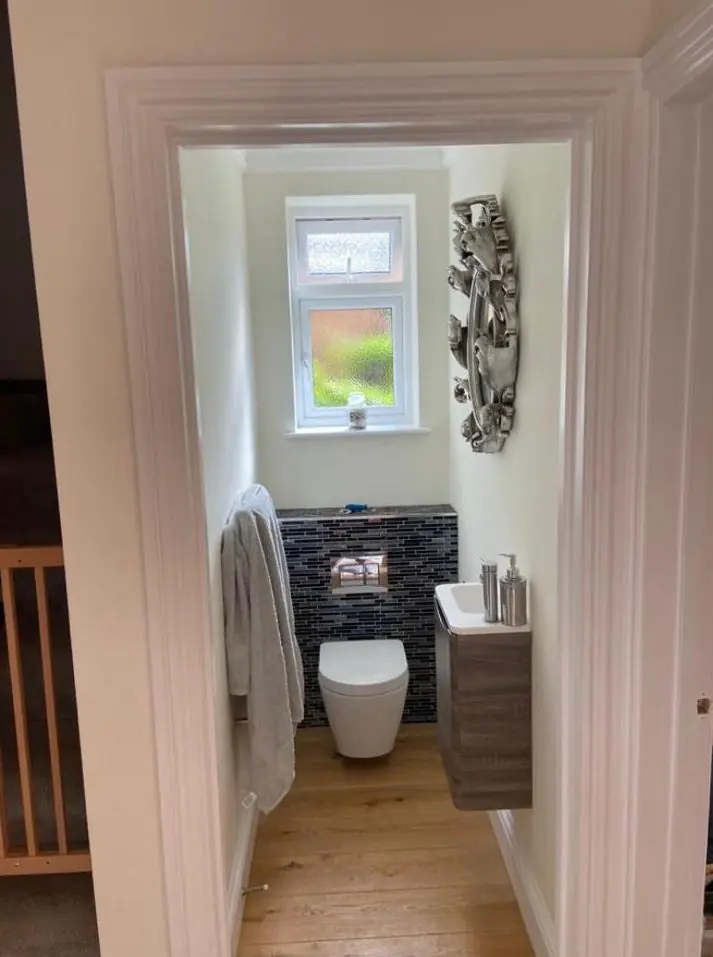
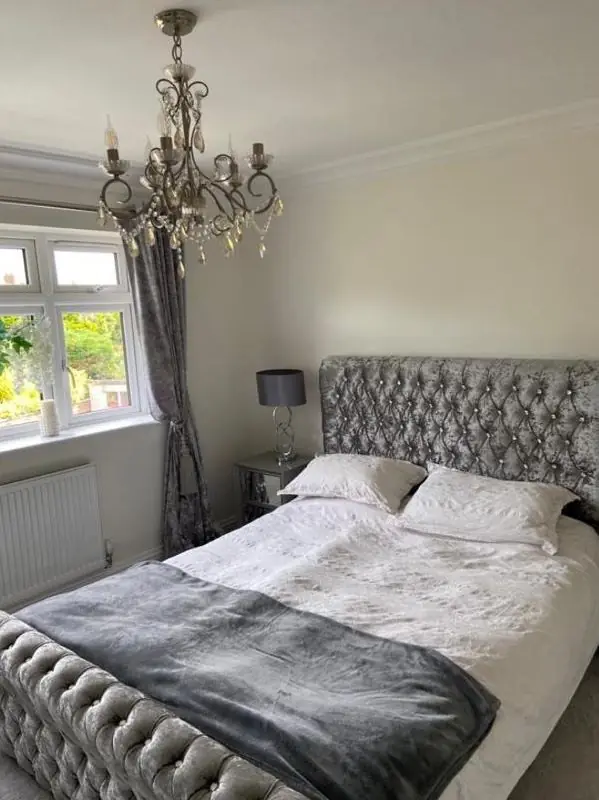
So an interior job in St David’s could mean a compact two-up two-down terrace, a three-bed post-war semi, a semi-detached bungalow or a flat reached by a communal stair. Each one needs different preparation, so Dean quotes from a visit rather than a room count.
Walls on the pre-war streets
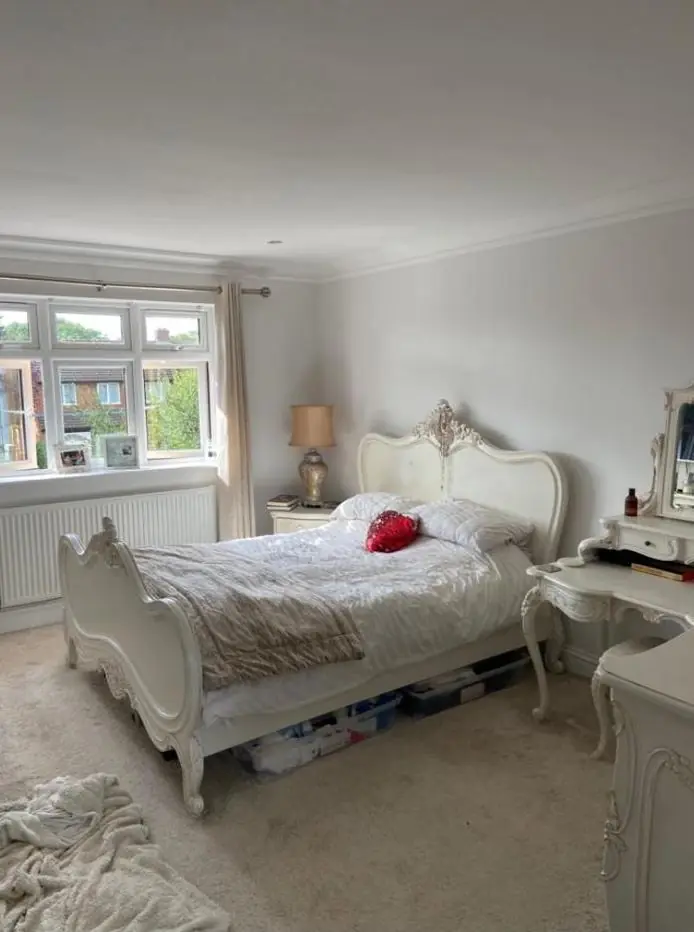
On the 1939-era terraces any original plaster is now close to 90 years old. Expect hairline cracks along ceiling joints, patches where sockets and pipes have been moved, and walls that have had several decorators before us. These rooms rarely take a good finish straight from the tin. Our usual order is to rake out and fill cracks, spot-prime repairs, and put up lining paper where the surface is too rough to paint well.
St Davids Road and Langdale Road are older again, with a modal build year of 1914 on St Davids Road and some houses going back to around 1900. Houses of that age may still have lime-based plaster in places. Lime needs to breathe, so heavy vinyl emulsions are the wrong choice on it. We test suspect walls first. If they turn out to be lime, we use a breathable paint and leave cracked ceilings to be repaired properly rather than buried under thick coats.
Painting 1950s semis and bungalows
The post-war houses around Eastern Avenue North are mostly owner-occupied, with 67 of the 110 homes in one sample, and this is where most whole-house redecorating happens. Their plaster is usually sounder than on the older terraces. The work is more often fresh colours after a kitchen refit or a rear extension. Where an extension has left bare new plaster, it needs a diluted mist coat before any colour goes on. Our guide to painting new plaster explains why.
The bungalows on Eastern Avenue and Holdenby Road keep every room on one level, which makes it easy to work through the house one room at a time while you carry on living there.
Small flats reached by a shared stair
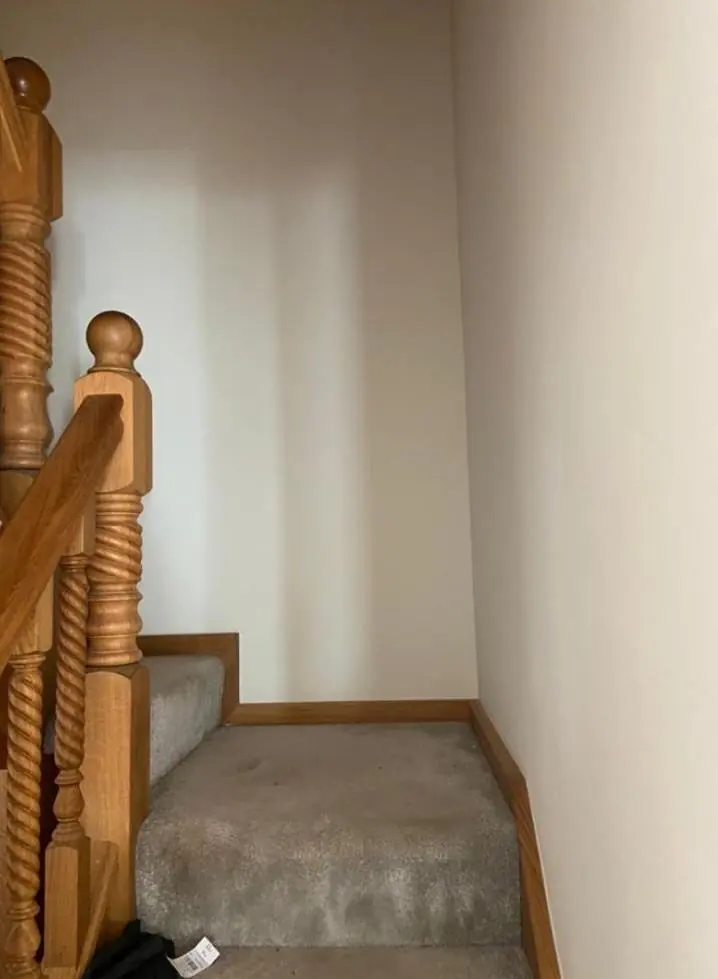
The two later developments on the estate are mostly flats and maisonettes, and most of them are social housing. Inside the flat itself the job is often smaller, but everything we bring has to come up a communal entrance and stairwell. We plan deliveries, dust sheets and drying times so shared areas stay clear for neighbours. Where a housing provider or landlord has set a specification, we follow it. For between-tenancy work, our landlord decorating service covers the turnaround.
Working inside a mid-terrace
On a mid-terrace, which is the commonest house type on Hastings Road, there is no side access, so ladders, steps and materials come through the front door. We sheet the hallway and stairs before anything else and keep one route through the house clear. On the terraced roads parking is mostly on-street, so we agree van parking with you before the start date.
For the full list of what our interior painting covers, see the main interior painting in Northampton page. For the wider picture of the estate, see our St David’s area page.
Last updated by Dean, DH Painter & Decorator.