DH Painter & Decorator hand-applies decorative finishes in Kings Heath, the post-war NN5 estate a 1.7-mile trip north-west from Northampton town centre. Dean suggests one well-placed statement feature that suits a plain 1950s interior or a new town house, and quotes free of charge.
Plain rooms suit one strong idea
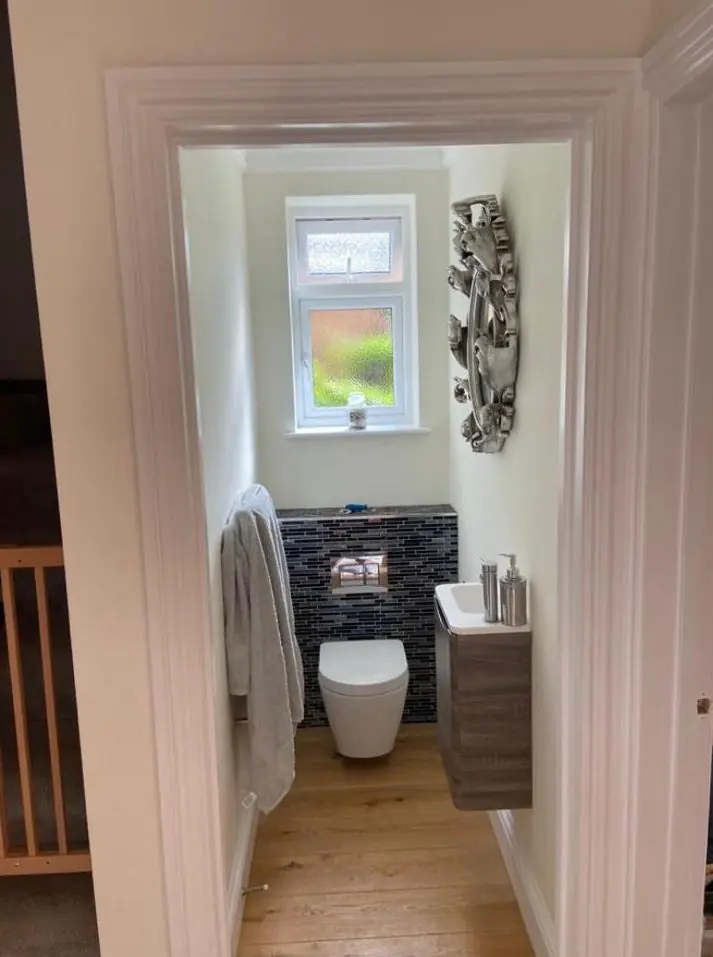
The houses Womersley designed for Kings Heath in 1950 were built simply, as council homes for a new estate of about 5,000 people. They have little of the cornicing, picture rails or deep mouldings found in Victorian houses, and the rooms are compact. Heavy period treatments, like elaborate faux marble or picked-out plasterwork, tend to look out of place in that setting.
What works better is a single statement feature in each room that needs one. A plain post-war wall makes a good blank surface for that: there is no busy detailing to compete with, so a carefully finished panel or textured wall becomes the focal point on its own. The aim is one clear decision per room rather than several effects layered together.
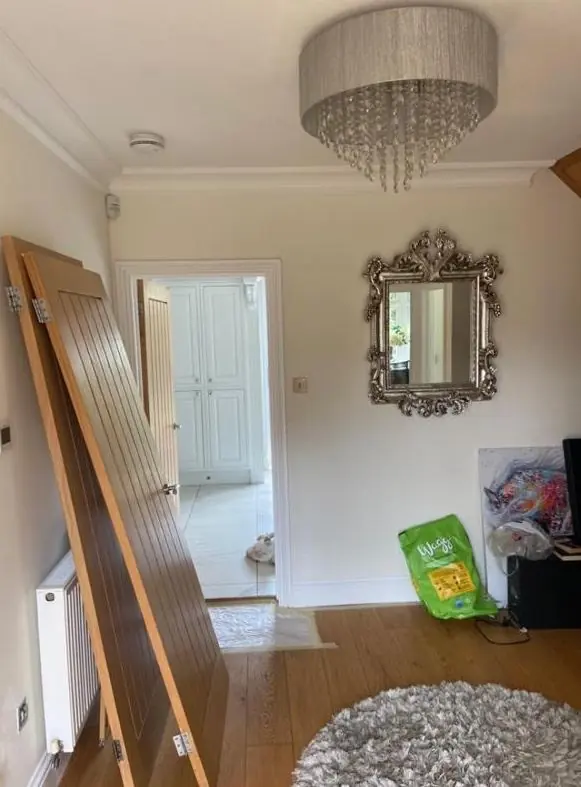
Where the feature goes matters as much as what it is. In the original estate layout, with one main living room and a straight hall, the obvious candidates are the longest unbroken wall in the living room, the wall behind the bed in a bedroom, or the lower half of the hall where a harder-wearing finish earns its keep. A feature on a wall broken up by doors and a window rarely reads as well, because the effect is cut into small pieces.
Finishes that fit a 1950s Kings Heath interior
- Painted wall panelling. Simple shaker-style or box panelling on the lower part of a living room or behind a bed, painted in one colour so joints and pins disappear.
- Limewash-effect walls. A soft, cloudy, hand-brushed finish built up in thin layers, which adds depth to a flat wall without a pattern.
- Two-tone colour splits. A wall divided at a deliberate height in two related colours, useful in a narrow hall where full panelling would take up space.
- Colour-drenched alcoves or a single wall. Walls, woodwork and sometimes ceiling in one deep shade to give a small room a defined corner.
Each of these is covered in more general terms on our decorative finishes service page. Here the question is which of them suits the size and light of the room, and whether a wall in a seventy-year-old house is ready for it.
Is the wall ready for an effect?
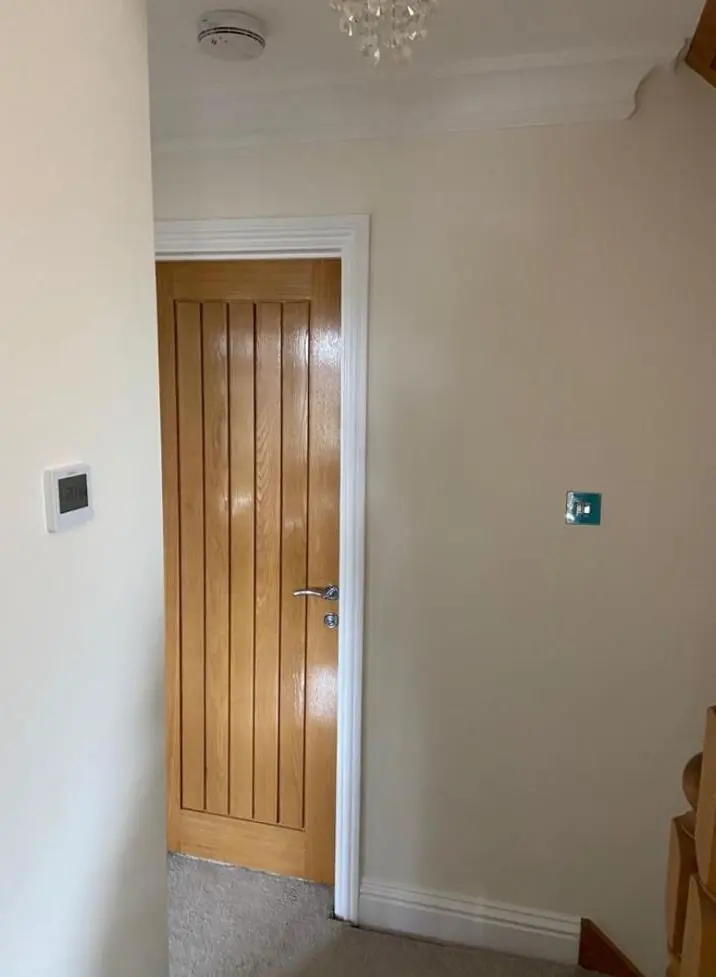
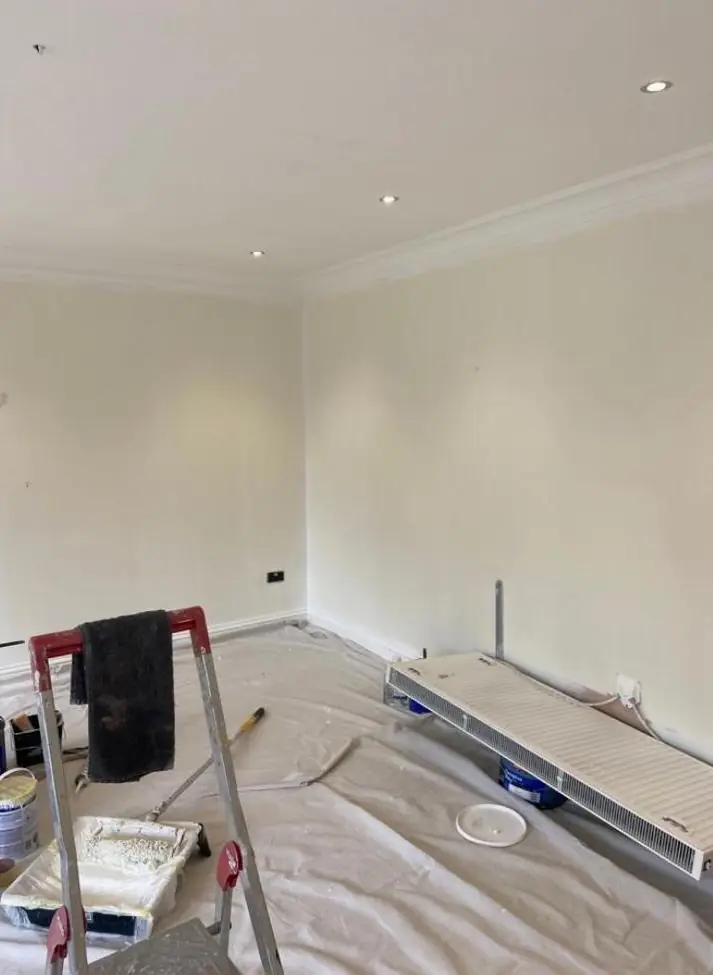
Decorative finishes are less forgiving than plain emulsion. A limewash-effect glaze settles into every dip, and panelling fixed to a wall that bows will open at the joints. In the estate’s older houses, walls have usually been redecorated many times, so the preparation underneath matters even more than usual. Dean checks the wall at the quote visit, fills and sands it, and seals patched areas so the effect dries evenly across old and new plaster. Where the wall is badly out, panelling can sometimes be the better option because it can be packed to a true line. Old gloss on nearby skirtings and frames is also worth bringing up to the same standard, since a crisp feature wall makes tired woodwork beside it look worse.
New town houses and newer terraces
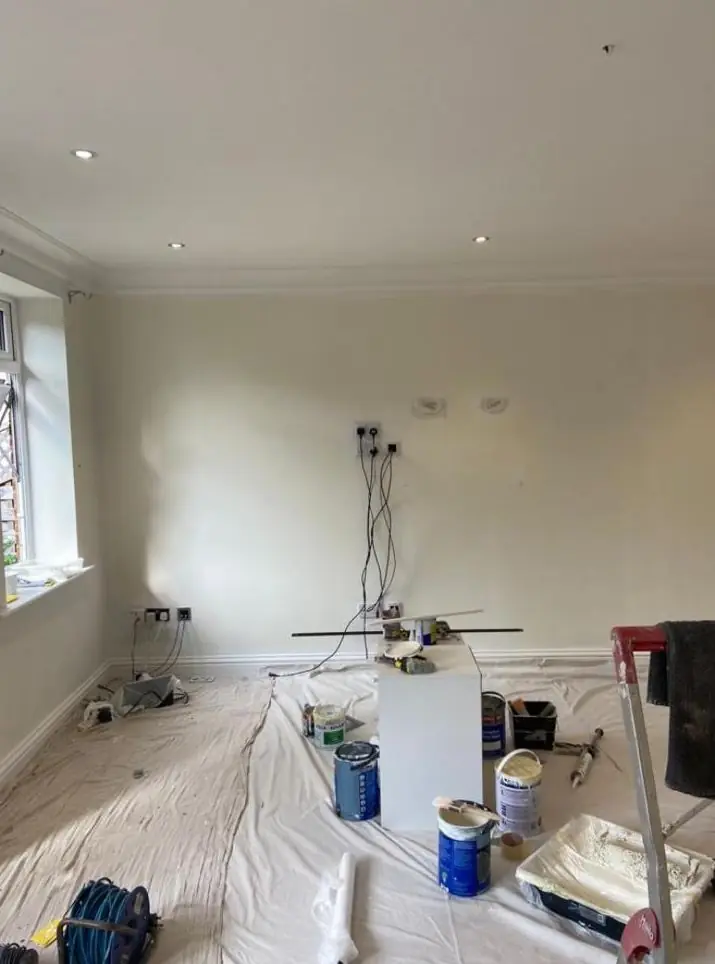
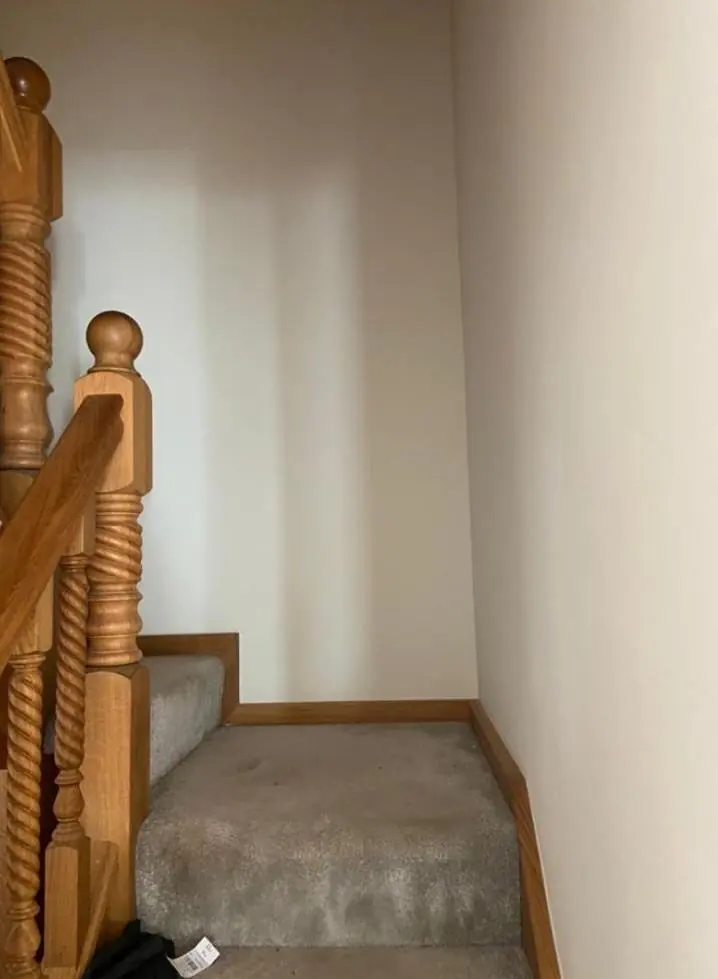
The three-storey town houses on Park Walk, completed in 2025, and the newer terraces at Chadwick Gardens start from a different place. Their plaster is fresh and flat but needs to dry fully and have a mist coat before any glaze or textured finish goes on. Three storeys also mean a long stairwell, which can carry a colour split or a panelled lower section that runs up with the stairs, giving the house a feature that ties all three floors together. Timing and new-plaster preparation are set out in our mist coat guide, and more about the estate’s homes is on the Kings Heath area page.
Last updated by Dean, DH Painter & Decorator.