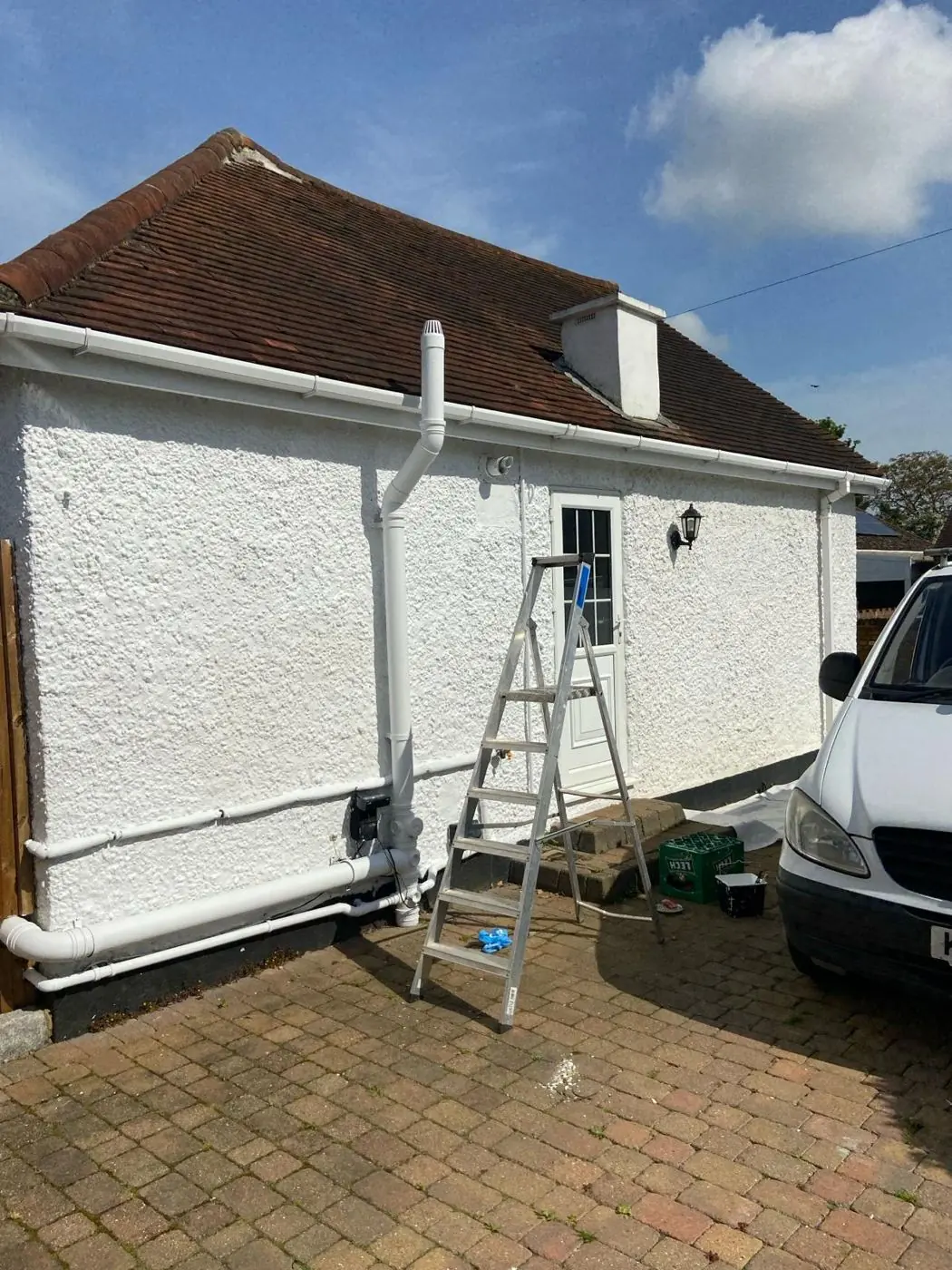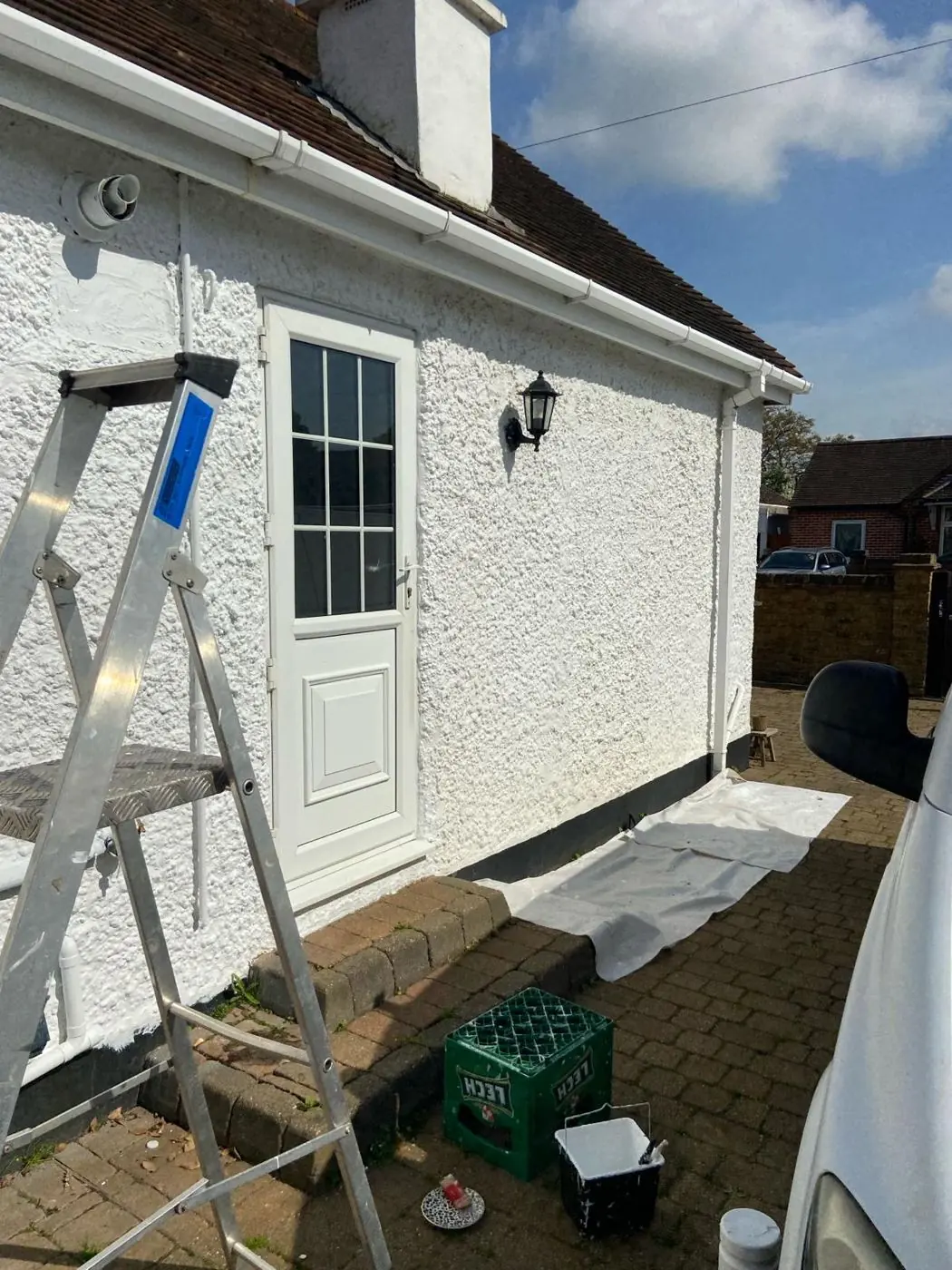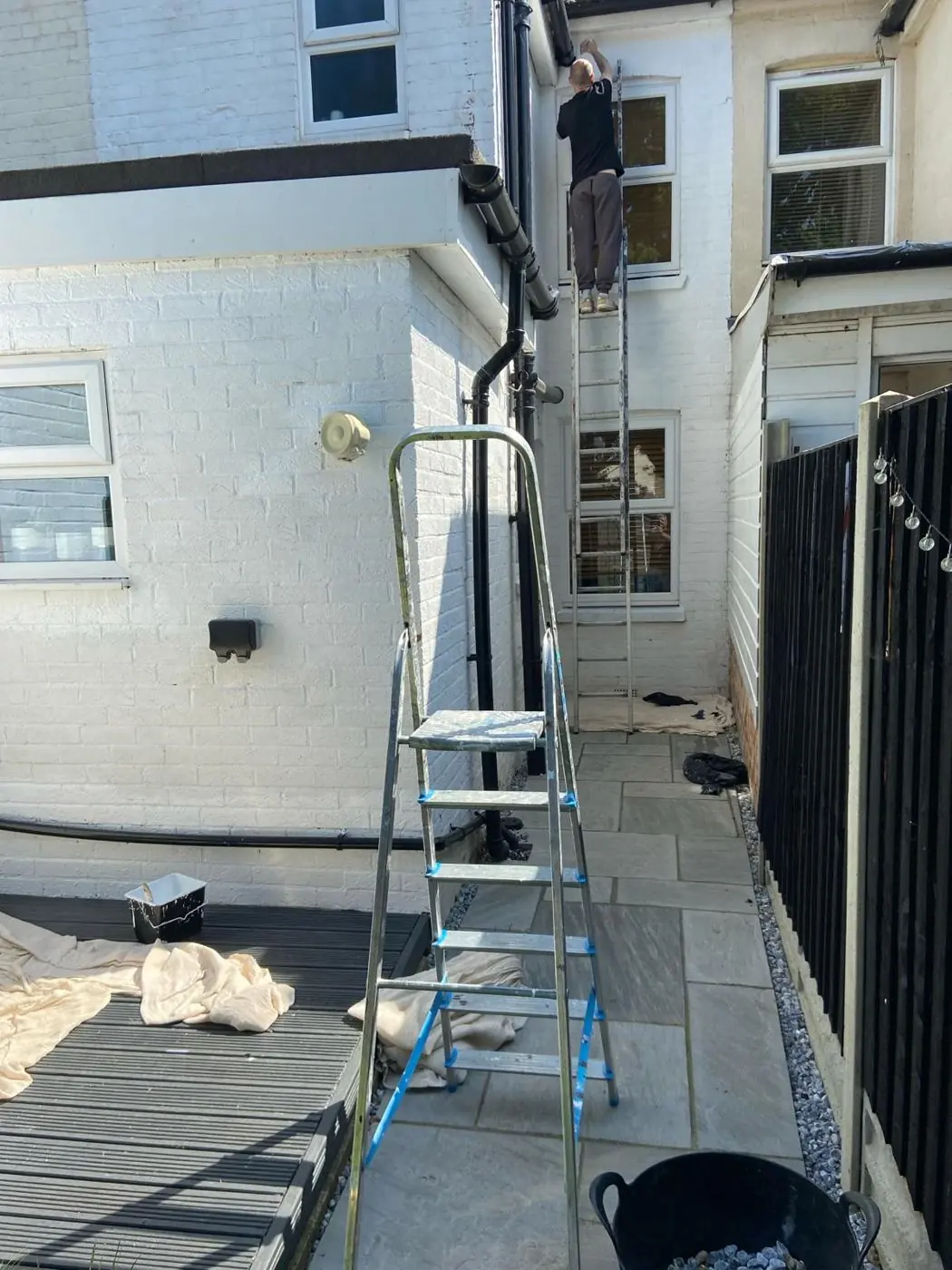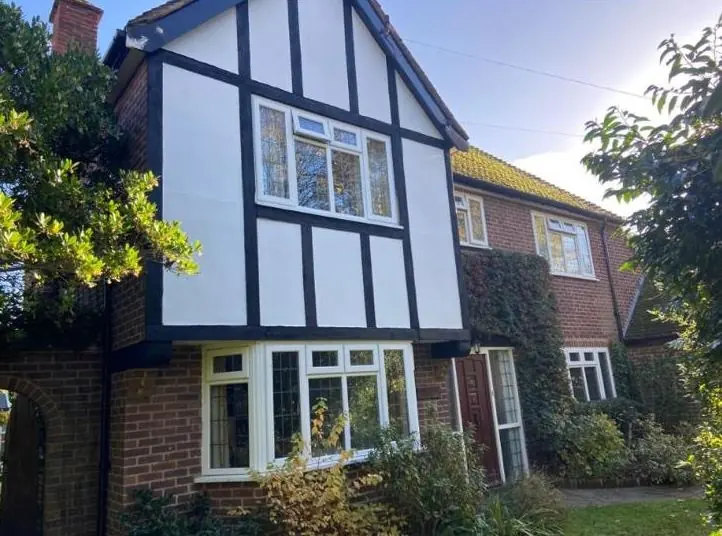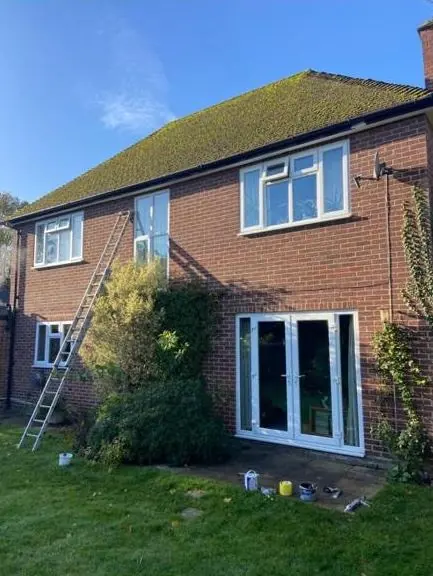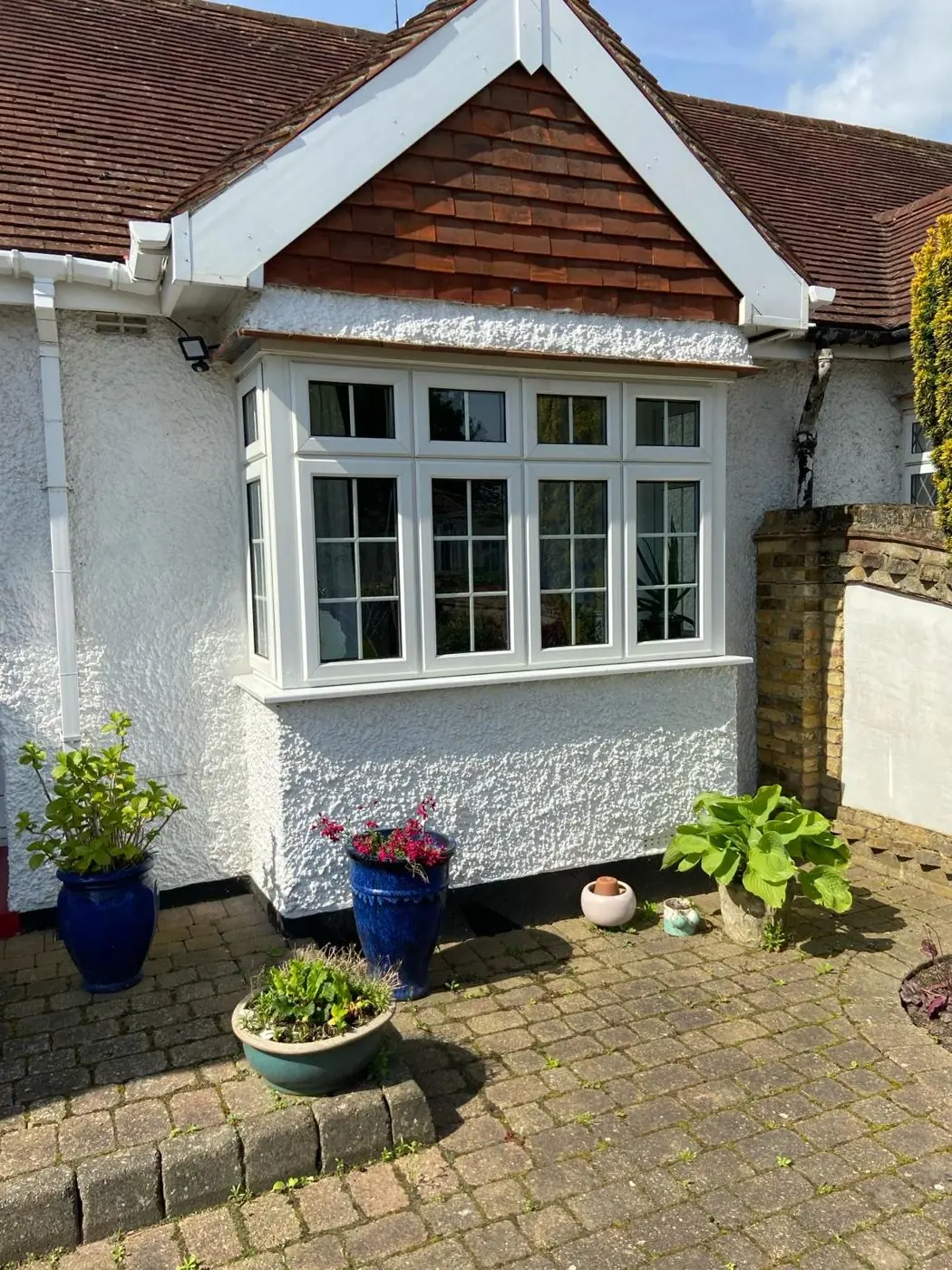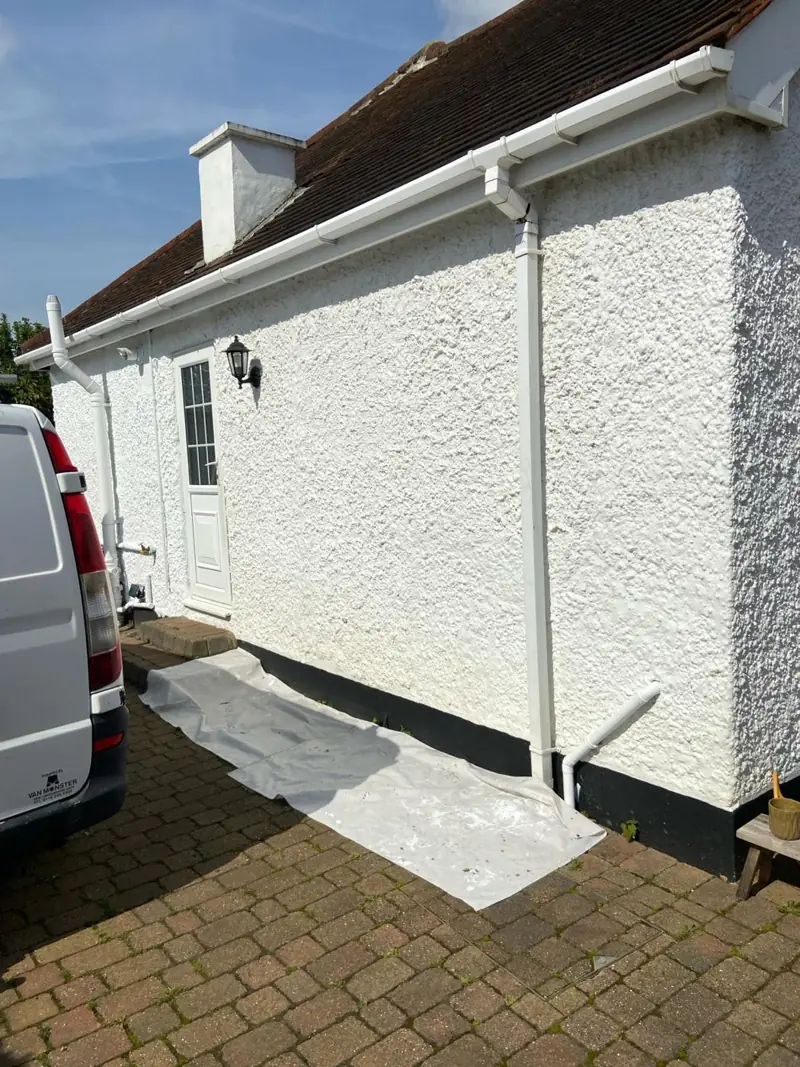
We paint fascias, soffits, gutters and downpipes in Kings Heath, NN5, the post-war estate 1.7 miles from Northampton's centre on its north-western side. Because roofline boards differ from house to house on the estate's terraces, Dean inspects each one before quoting.
Timber on one roof, plastic on the next
The houses of Kings Heath went up to one design in the years around 1950, and many have stayed close to how J L Womersley drew them. Rooflines are the exception. Over the decades, some homes have had their timber fascias and soffits swapped for uPVC while the house next door kept the original boards. So two houses side by side on the same river-named street can need completely different roofline work.
That is why we check each property before giving a figure. The two materials are painted in very different ways:
| Roofline | What it usually needs |
|---|---|
| Original timber | Probing for soft wood at board ends and corners, scraping and sanding old gloss, knotting, priming bare timber, undercoat and gloss |
| uPVC | Degreasing, a light key, a primer made for plastics, then a top coat in a colour no darker than the original |
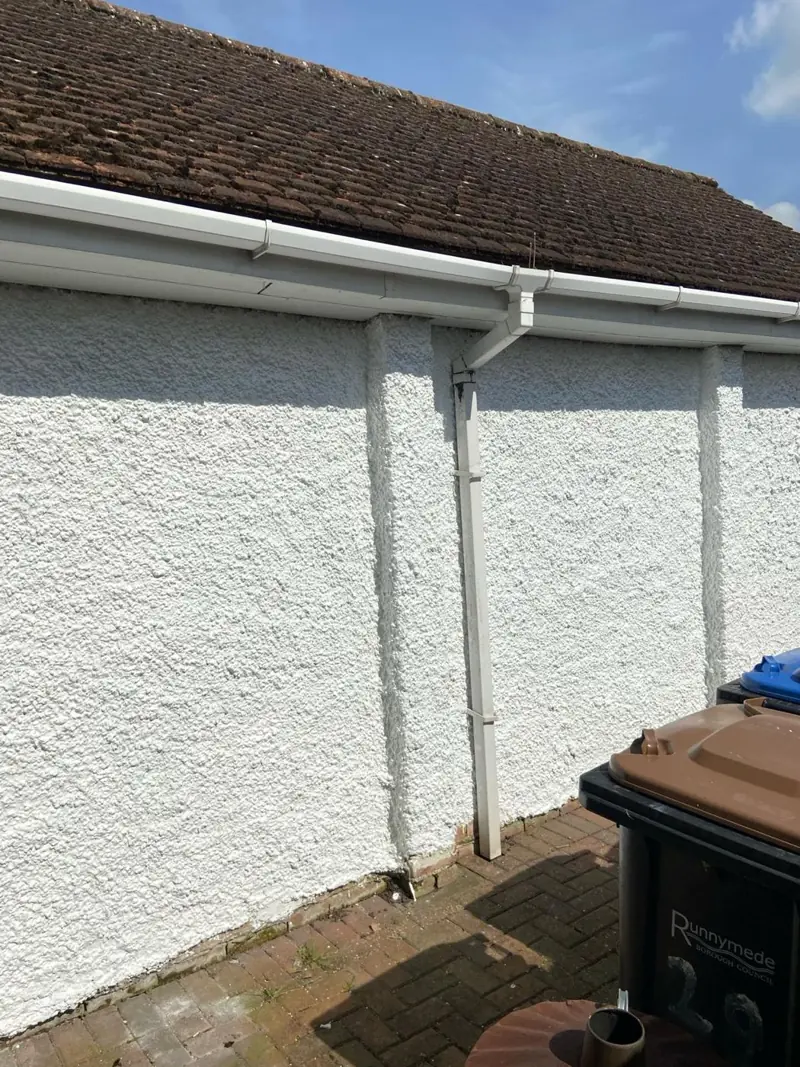
| Gutters and downpipes | Cleaning, keying and the correct primer for cast iron or plastic before the top coat |
Dark colours on uPVC absorb heat and can make the boards move, so we stay with lighter shades on plastic. Any older metal gutters that survive need rust treating at the joints and brackets, while plastic ones only need a clean and the right primer. Either way, we check outlets and joints for leaks first, because a dripping gutter will stain fresh paint on the board behind it within weeks.
Decades of gloss on the original boards
On a house built in the early 1950s, untouched timber fascias have had roughly seventy years of repainting. Those layers build up into ridges, crack across the grain and let water in behind them. Painting straight over that just adds another layer to fail. The work is in taking the boards back to a sound surface, cutting out and splicing any rotten ends, and priming every patch of bare wood. The main fascia and soffit painting page describes the full order of work.
Working a roofline across a footpath or green
Fascia work means ladders or a tower at the front of the house. Where a Kings Heath home fronts a path or green rather than a road, we check before the job where they can stand and how far everything has to be carried from where we can park. On a shared path we keep a clear route past the ladders for neighbours and anyone with a pushchair.
Rooflines that look out over the Central Playing Field off North Oval catch more wind than those in sheltered corners of the estate. Paint on those boards goes on in calm, dry weather, which can mean holding a front elevation until conditions settle.
Finishing the boundary on a shared run
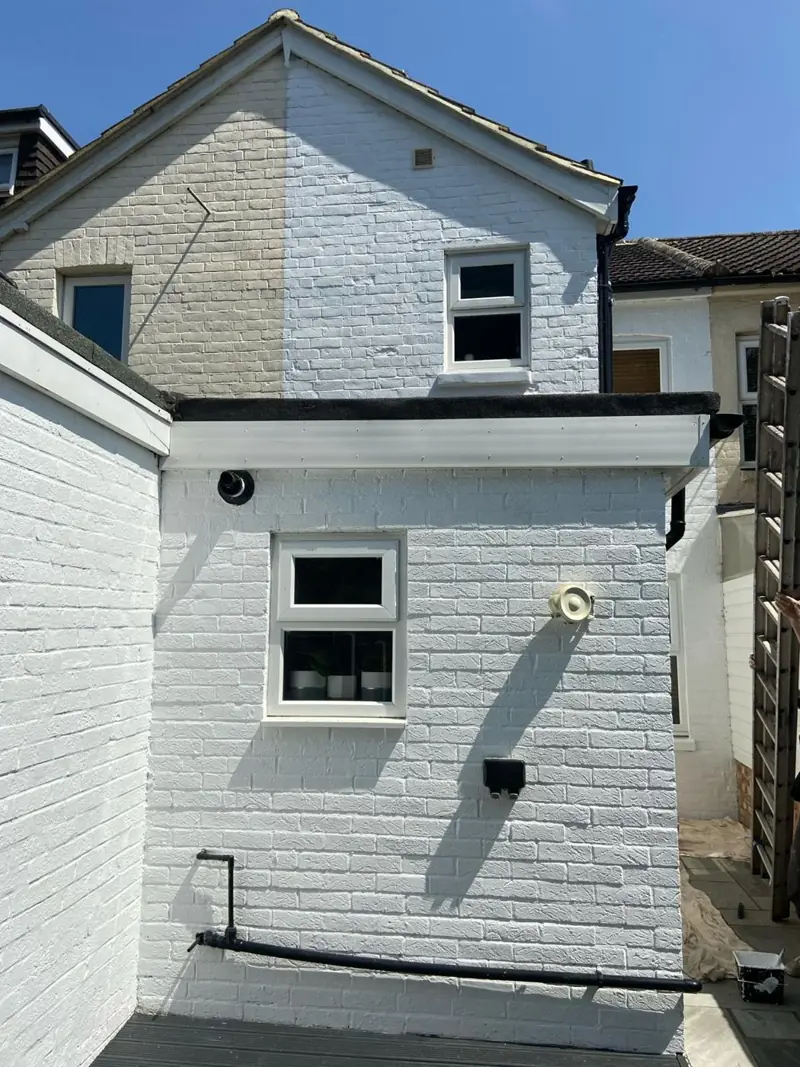
On a terrace, fascia boards and gutters often run across several houses as one line. If only your house is being painted, we stop at the joint between the two properties so the next owner’s boards are left as they were. Gutter brackets and downpipes that serve two homes are discussed before we start, so nobody’s half of a shared fitting is painted without them knowing. With ownership mixed between freeholders, council tenants and private landlords, that conversation is worth having early.
For a rough idea of how roofline work is priced, see our painter and decorator cost guide. Other outside work, from front doors to fences, is linked from the Kings Heath area page.
Last updated by Dean, DH Painter & Decorator.