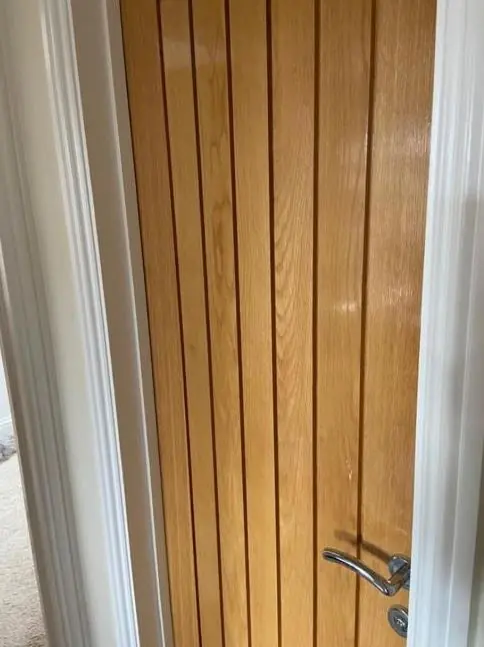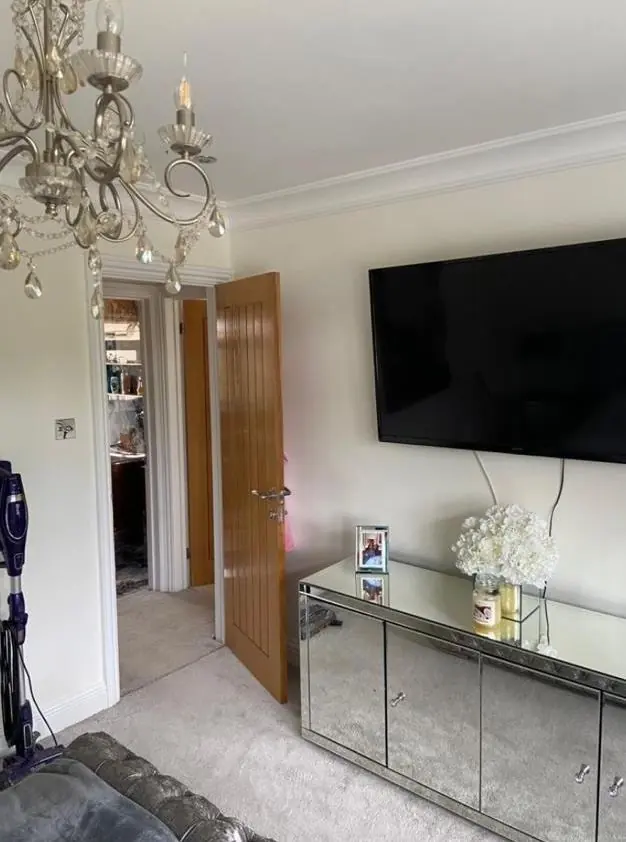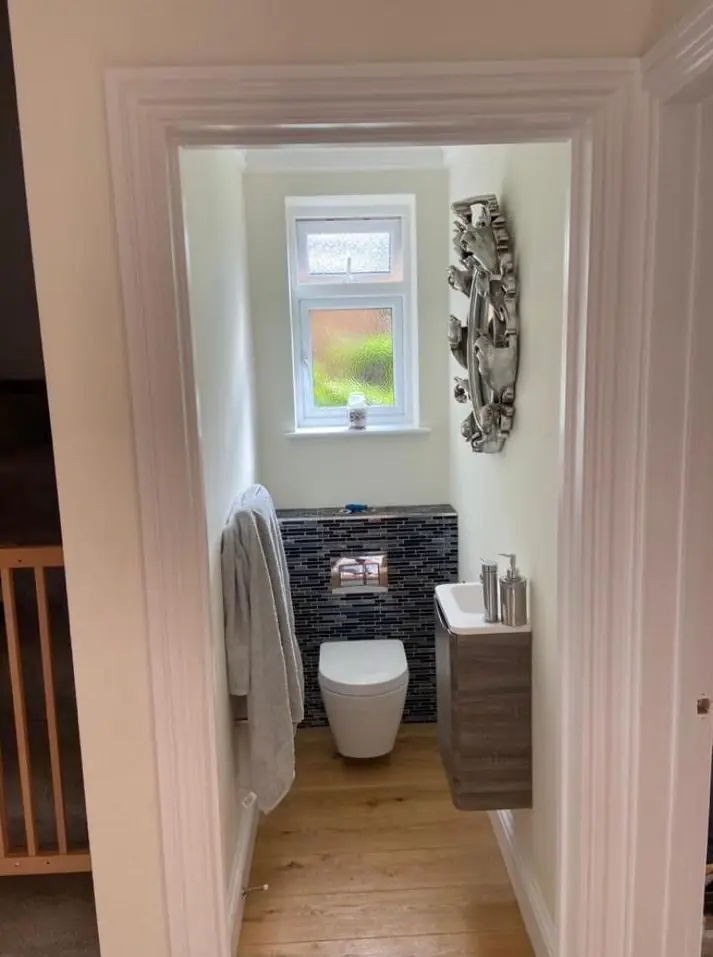
DH Painter & Decorator hand-paints decorative finishes in Kingsthorpe, NN2, the old village round The Green and the estates that grew north and east of it. Dean picks out period detail in the older houses and the Kingsthorpe Hall flats, and adds feature walls and painted panelling to estate houses and new builds. Quotes are free.
Period detail worth drawing attention to
Kingsthorpe’s older houses still carry plenty of joinery that rewards careful painting. The 19th-century brick houses on Vicarage Lane, High Street and Manor Road keep their panelled doors, many with glazed fanlights above, and timber sliding sashes. The Old Rectory, built in the Domestic Revival style around the turn of the 20th century, has a timber porch and large sashes. Kingsthorpe Hall, designed around 1775 by John Johnson of Leicester and listed Grade II*, is now divided into flats, and where original detail survives inside, it suits heritage colours rather than bright modern ones.
Picking out that detail means more than painting it a contrasting colour. Panel mouldings, fanlight glazing bars and sash frames are cut in by brush, with each moulding kept crisp, and the colours are chosen to work together across the door, frame and wall. A deep heritage colour on a Victorian front door with the fanlight bars in a paler shade, for example, brings out the shape without looking fussy.
Traditional eggshell on panelling and joinery
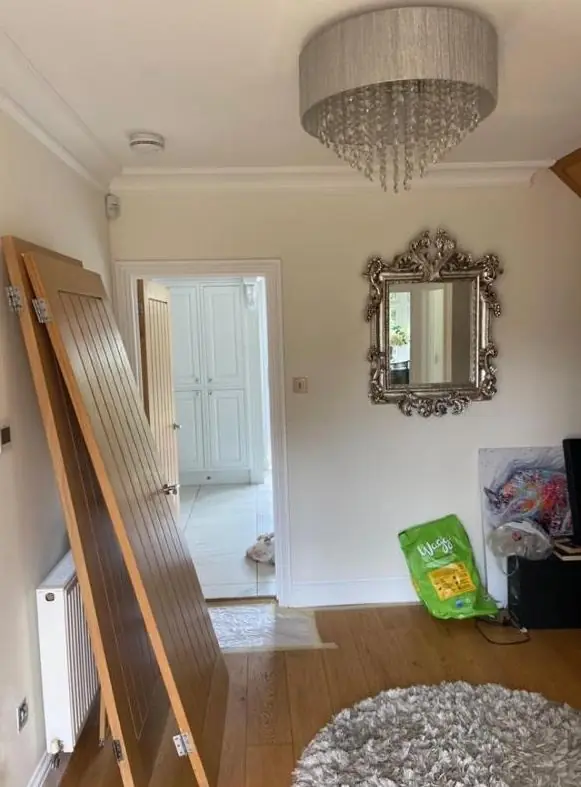
Traditional eggshell gives a low, soft sheen that suits period woodwork far better than modern high gloss, and it is the finish we usually suggest for panelling, doors and shutters in the older Kingsthorpe houses. It is brushed on and laid off in long strokes along the grain, so the finish reads as hand-painted rather than sprayed.
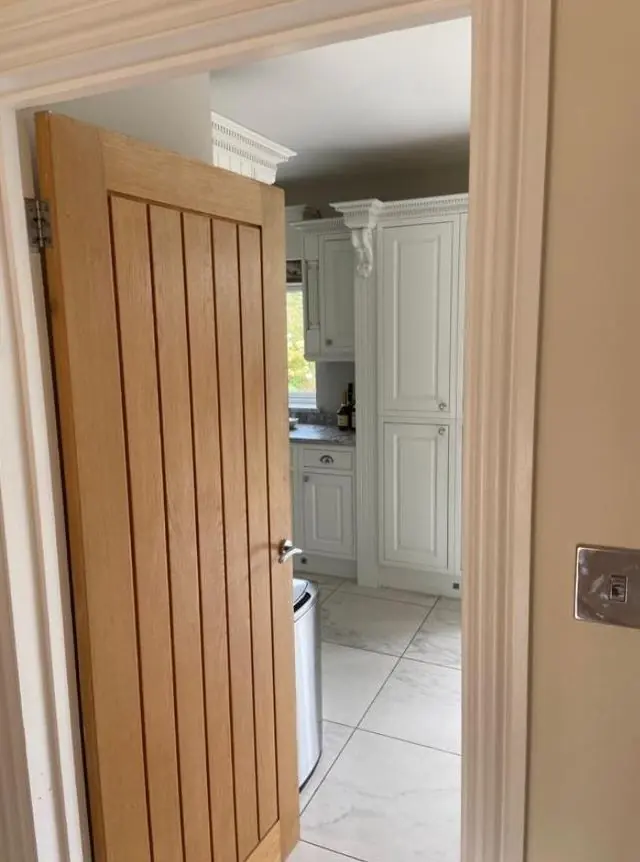
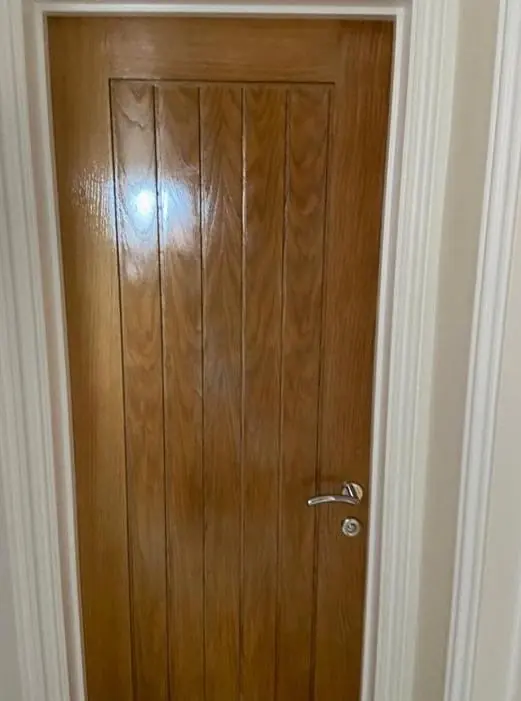
Older joinery needs care before any of that. Coats on Victorian doors, or on the ledged and braced cottage doors round The Green and Green End, can be old enough to hold lead, so they are tested first and rubbed down wet. On ledged and braced doors we avoid letting paint build up in the joints between the boards, which would blur the plain look that makes them attractive. If you are in a listed property, including the Kingsthorpe Hall flats, check whether your plans need listed building consent before historic finishes are stripped or changed.
Feature walls and panelling for Spring Park, Obelisk and the new streets
Houses on the 1960s to 1980s estates and the newer developments at Bective Close, Lime Tree Gardens and Scholars Court have no heritage rules to follow, which makes them the natural place for bolder ideas:
- Two-tone walls split at dado height, or a colour taken across the ceiling in a small room
- Colour-blocked alcoves and painted arches behind a bed or a sofa
- Applied wall panelling painted in one deep colour, wall and moulding together
- Stairs and banisters picked out in a contrast shade
In the newest homes, plaster must be fully dry and properly sealed before any decorative layer goes on, otherwise crisp lines lift with the masking tape.
Where Dean would steer you away from an effect
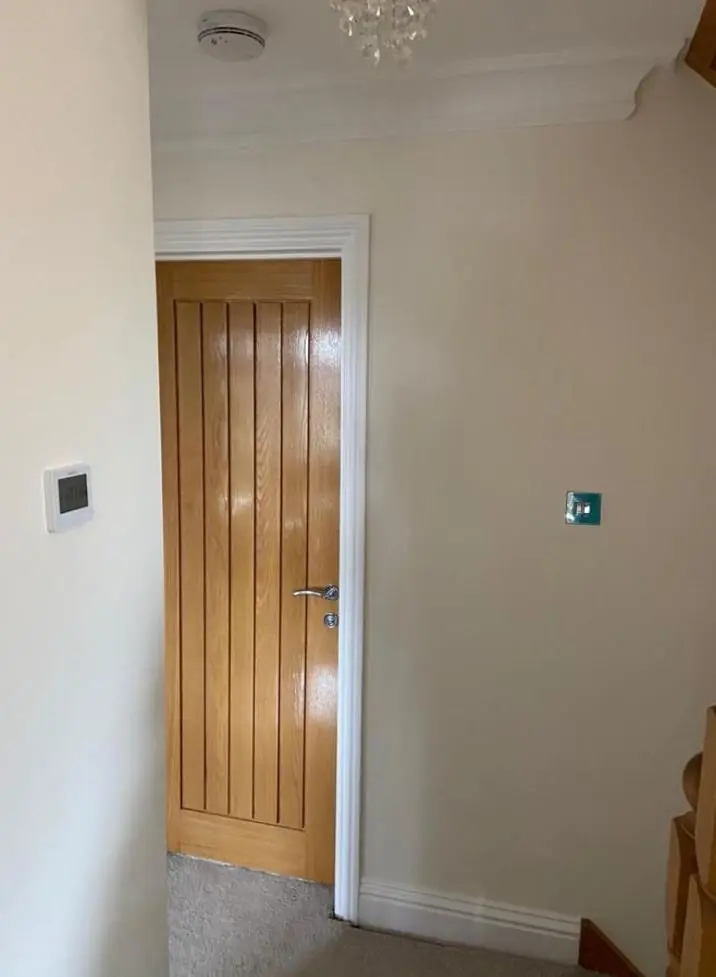
Not every finish suits every wall. In the rubble-stone cottages, a sharp horizontal two-tone line shows every dip in the wall, because the eye follows a straight edge. A softer approach, such as a single warm colour carried over wall and ceiling, or a gently broken colour-wash, usually sits better. Glaze effects and metallics also need a dry, sound surface, so on the lower walls of old houses near the springs of the village core, we would look at damp before suggesting any layered finish.
Our decorative finishes service page describes the full range of effects, the colour advice page helps with choosing shades, and the Kingsthorpe area page covers local house types.
Last updated by Dean, DH Painter & Decorator.