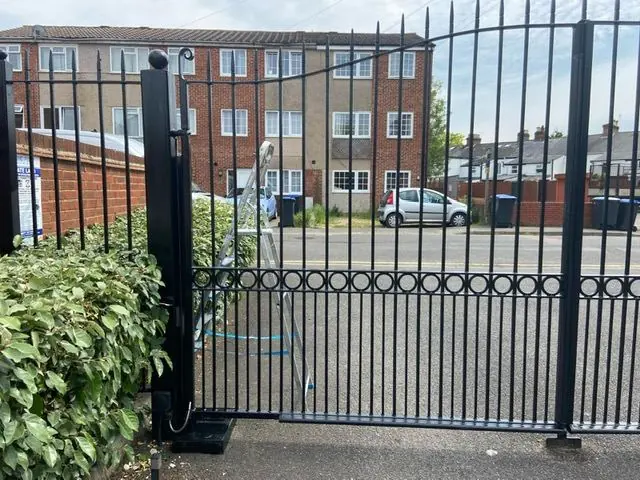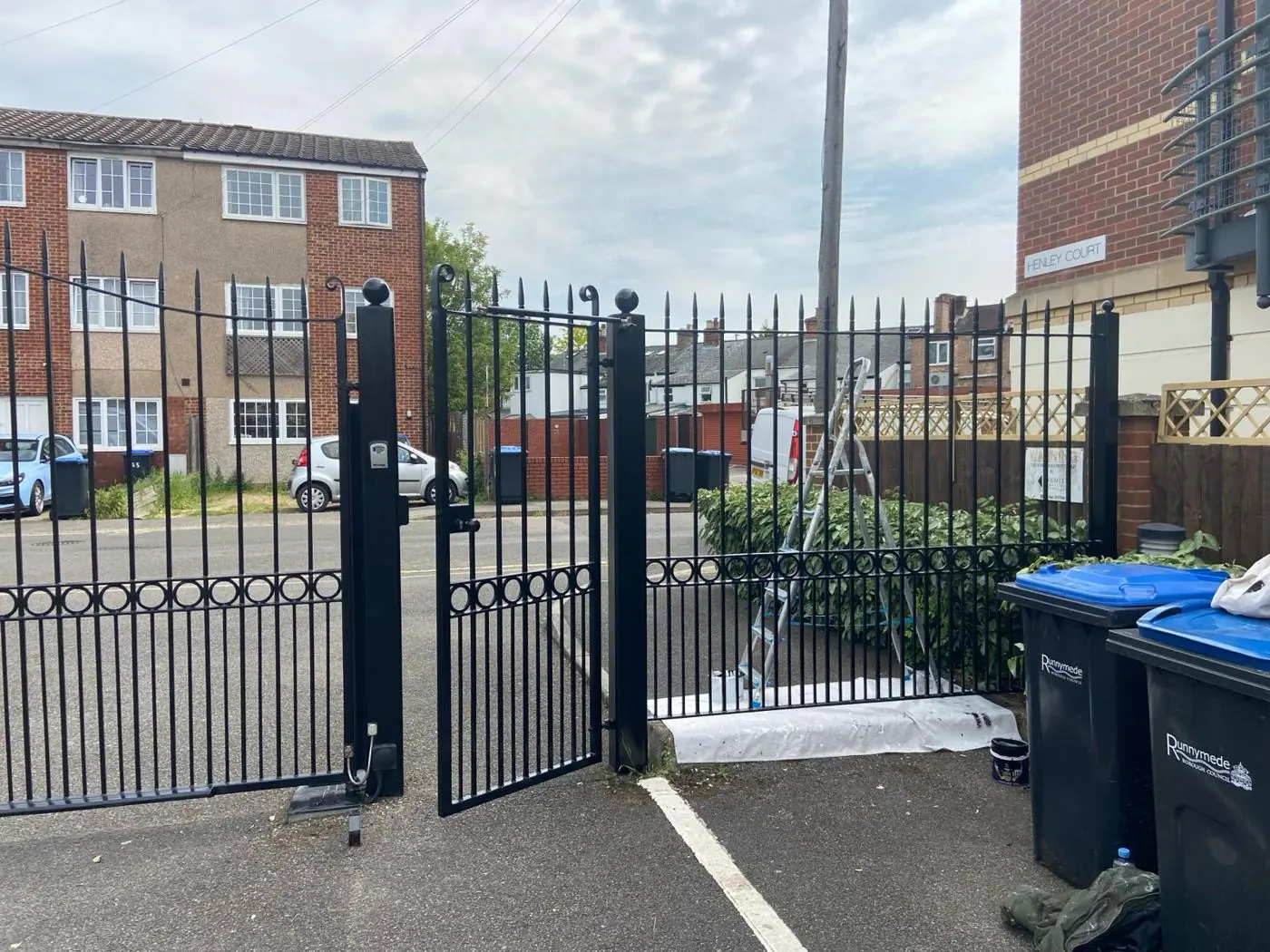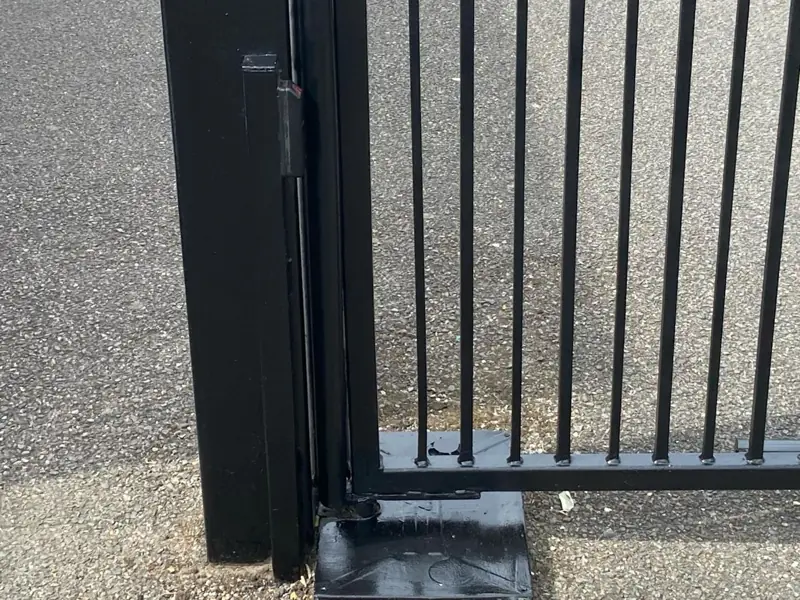
DH Painter & Decorator stains and paints fences, gates and garden timber in Kingsthorpe (NN2), from the old village above the Nene to the estates off Harborough Road. Gardens on the slope down to the Brampton arm of the Nene and those under mature trees stay damp, so cleaning, drying time and the right finish matter more here.
Gardens that fall towards the river
The old part of Kingsthorpe sits on ground that drops fairly steeply west to the Brampton arm of the Nene, and the meadows at the bottom, including Kingsthorpe Meadow nature reserve, flood most winters. Higher up, springs come out where the Northampton Sand meets the clay below, which is how the Kings Well on The Green came to be. For fences, the result is simple: posts, gravel boards and the lower rails in these gardens sit in damp ground for much of the year.
That changes the order of work. We clear soil and leaf litter away from the base of the fence first, so the bottom edge can dry. Stain only goes on once the timber reads dry, which on a shaded panel in a wet spell can mean waiting several days after the rain stops. Rushing it means the stain sits on the surface and peels or goes patchy within a season.
Where a garden is terraced into the slope, the fence often steps down with it, so one run might have posts set at several heights and gravel boards half buried at the downhill end. Those buried sections are where rot starts. We look at every post foot before quoting and tell you which ones are soft, since there is little point staining a post that is about to snap. Wet winters on that low ground shorten the life of any finish, so a spring check of the lowest panels is worth doing.
Under the limes, birches and chestnuts
The Green has mature lime, silver birch and horse chestnut trees, and there is more canopy in the churchyard, Thornton Park, the cemetery and school grounds. Fences near these trees get dripped on, shaded and coated in green growth. We:
- treat algae and moss with a fungicidal wash and brush it off before staining, since stain over growth fails fast;
- suggest a darker, more pigmented stain for heavily shaded runs, because it hides weathering better between coats;
- work around protected trees without cutting branches back, since the council protects conservation-area trees and several have their own orders.
Estate fences on Spring Park, Obelisk and Hinton Road
On the post-war estates, fences and gates are part of the regular outside upkeep along with doors and fascias. Most panels on newer fences are pressure-treated softwood, which needs to dry out before a first coat. Older lap panels and feather-edge boards that have gone silver usually take a good stain well after a clean. If you want the fence done at the same time as the rest of the house, it can be added to an exterior repaint so we are only on site once.
Gates, back passages and getting to the fence
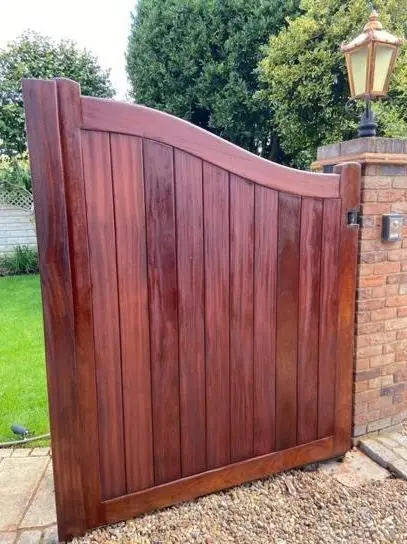
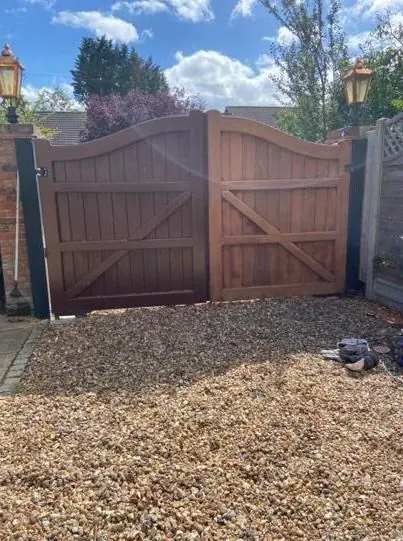
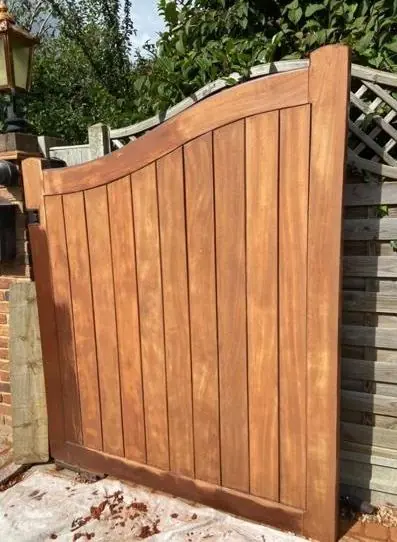
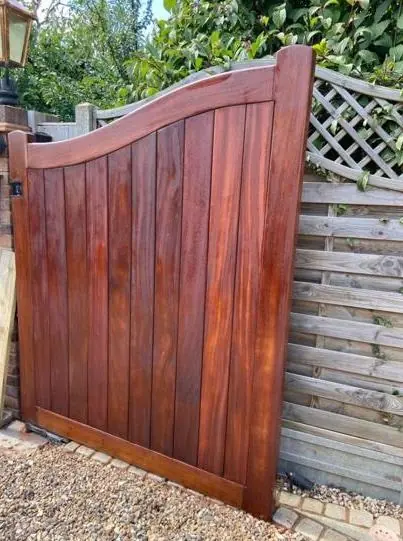
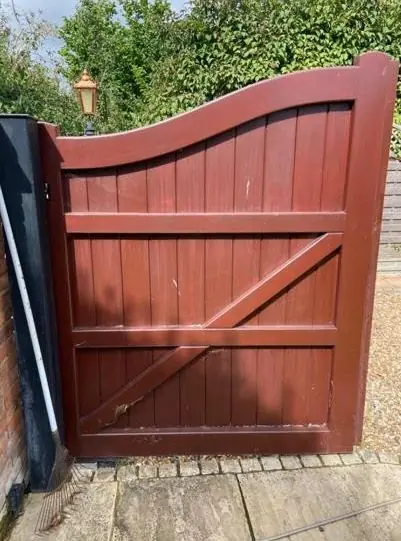
Some of the older houses in the conservation area sit right on the pavement, and Vicarage Lane is narrow and enclosed, so the only way to the back garden can be through the house. We agree the route with you first and put down covers. Timber gates on older houses are often the most worn timber on the plot. Ledged and braced gates get stain worked into every joint and the end grain at the bottom, which is where water gets in first. The bungalows along The Green and Knights Lane sit behind low stone walls, and any timber gate hung in a wall like that gets splashed from the stone and the path, so the bottom rail is given an extra coat. Ironmongery is masked rather than painted over, so latches and hinges still work.
For a choice between stain and fence paint, and how often to recoat, see our main fence and gate staining page. The Kingsthorpe area page covers our other services in the village.
Last updated by Dean, DH Painter & Decorator.