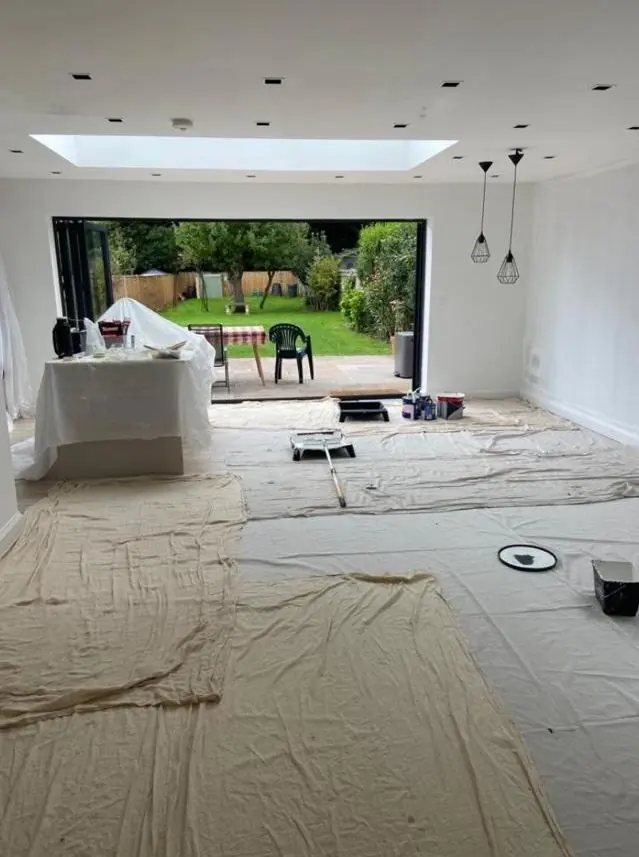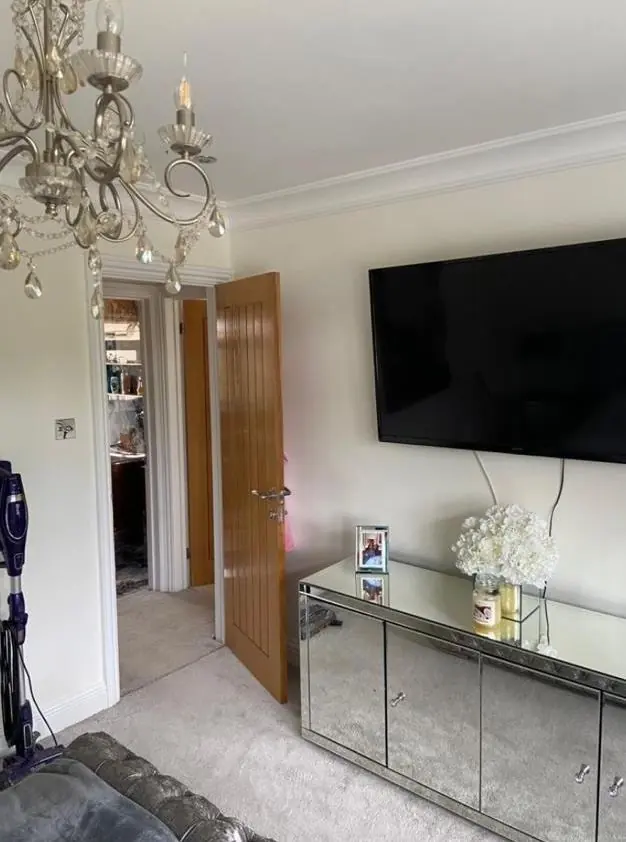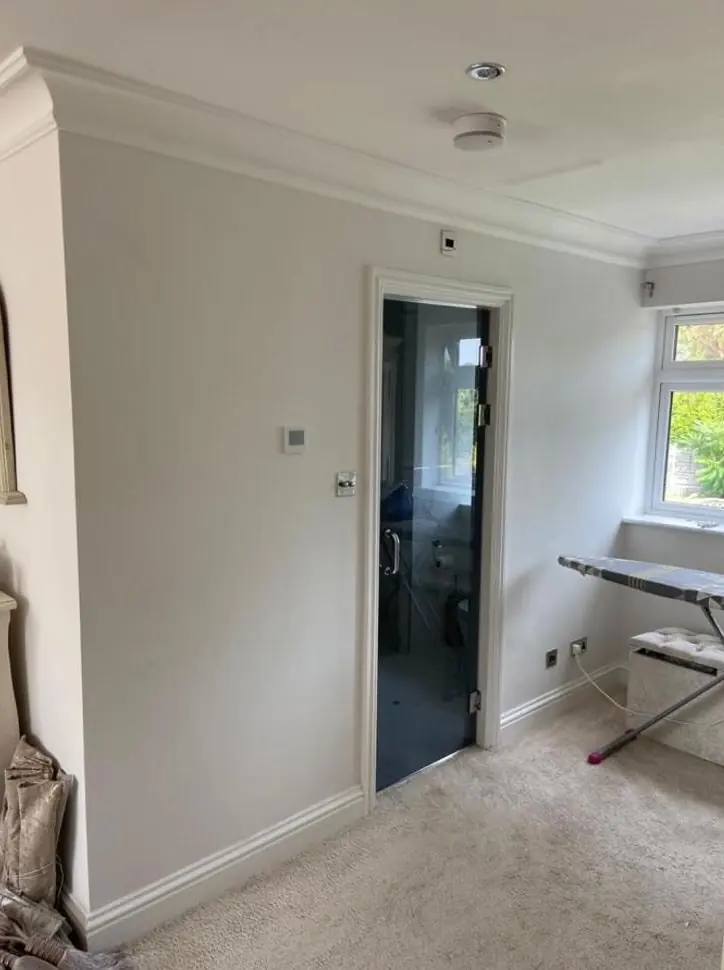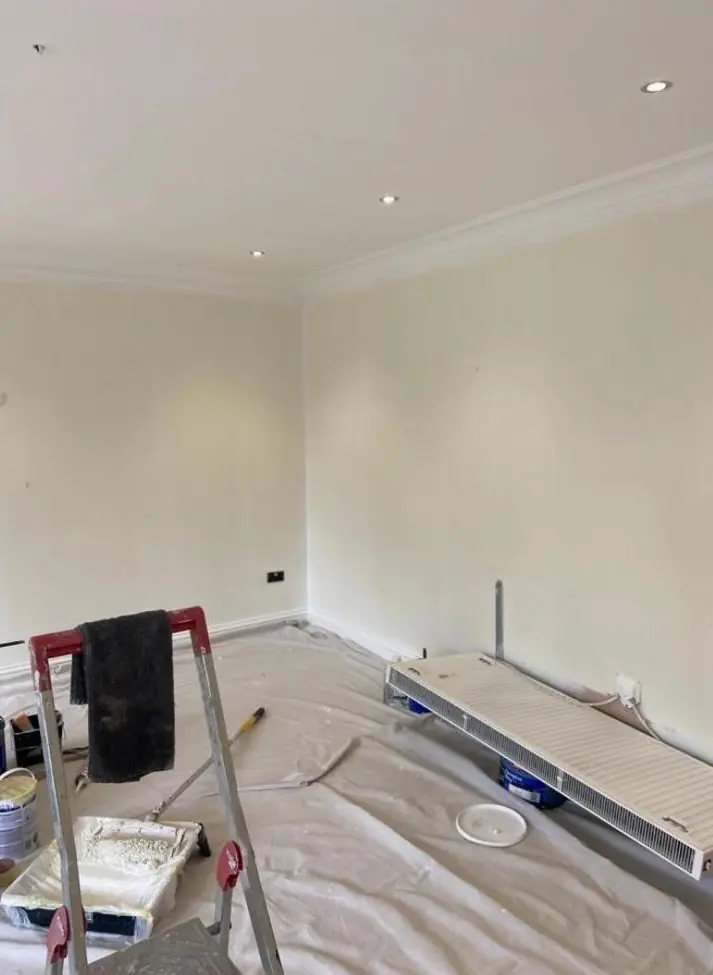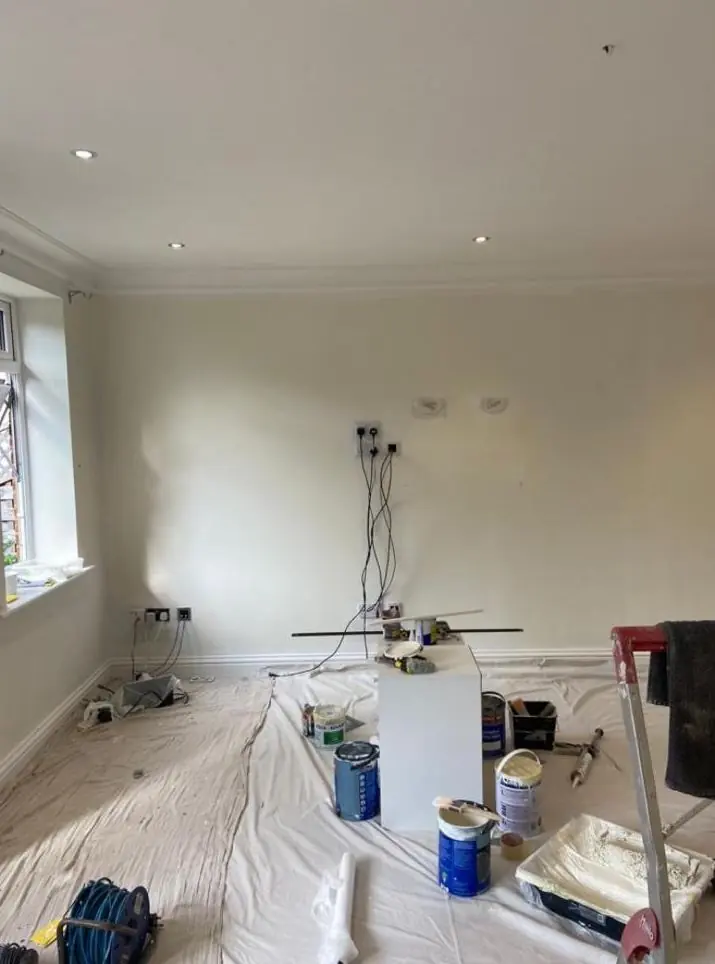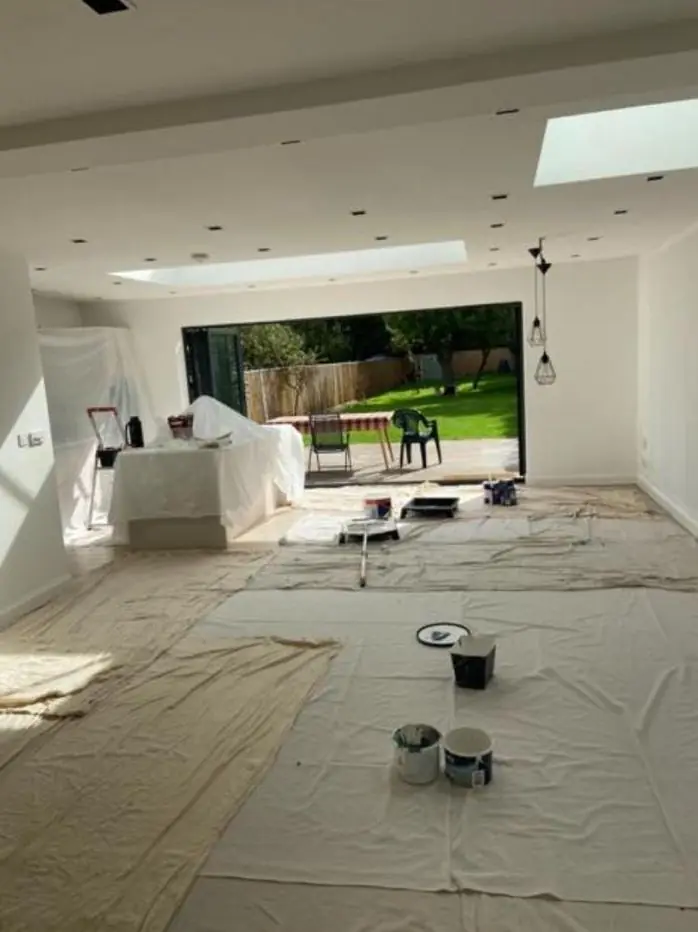
Dean decorates rental homes in Moulton for landlords and letting agents, working from our Northampton base about 4.3 miles away. Lets here range from 20th century estate houses to listed or Article 4 stone cottages, and each needs a different plan for a quick, compliant turnaround.
Know which kind of Moulton let you have
We don’t have figures for how many homes in Moulton are rented, and we won’t pretend to. What the village’s housing does tell us is that a let here falls into one of two groups, and the decorating plan follows from that.
- Estate houses on streets such as Oakley Drive, Pytchley View, Stewart Close, Jeyes Close and Pound Lane are outside the conservation area. Plasterboard walls, modern joinery and no heritage restrictions mean a standard between-tenancy repaint.
- Older stone properties in the historic core may be among the parish’s 42 listed buildings, or covered by the Article 4 controls the 2017 appraisal proposed for Nos. 24 and 39-49 West Street, Nos. 14-30 Church Street and No. 10 High Street. Those need more thought, inside and out.
A quick turnaround on the estate houses

For a modern Moulton semi or detached house between tenants, the aim is a clean, neutral, hard-wearing finish done in the gap between check-out and check-in. That usually means washing down, filling tenant wear such as picture-hook holes and scuffed corners, a durable matt or soft sheen on walls, and fresh coats on doors and skirtings. Using one colour throughout keeps touch-ups simple for the next turnaround. Drives on most estate plots mean we can park at the door and get started early.
Stone cottages: why vinyl paint is a false economy
Moulton’s 17th and 18th century cottages are built of solid coursed ironstone and sandstone, often with lime plaster inside. Landlords sometimes reach for a tough vinyl silk or a stain-block over every wall to save time on the next turnaround. On these walls that tends to backfire. It stops the wall from releasing moisture, and you get flaking, bubbling and the mould complaints tenants report to agents. A breathable emulsion, with lining paper where plaster is rough, lasts longer here even if it is less wipeable.
Condensation on cold solid walls is common in older lets. We clean and treat mould before painting and can point out where ventilation would help, but paint alone won’t fix a damp wall. The main landlord and letting agent decorating page covers mould treatment and inventory-ready finishes in more detail.
Outside: what a tenancy repaint can and can’t change
In the conservation area, a refresh before new tenants arrive is not the moment to change colour on windows or doors. The appraisal expects small timber casements to stay white or a colour based on the originals, and at the Article 4 addresses, permitted development rights for paint have been removed, so a colour change needs to go through West Northamptonshire Council first. On a listed let, changing a finish may need listed building consent. Like-for-like repainting is normally fine. We confirm the existing colours with you or the agent before starting.
Working with agents and absent landlords
If you manage a Moulton let from a distance, we can collect keys from your agent, send photos of anything that needs attention before we cover it, and confirm completion so the inventory clerk can be booked. For a stone cottage let, we also ask the agent whether the house is listed or on an Article 4 address before quoting, so the paperwork is settled before the tenancy gap starts. For costs, see our painter and decorator cost guide, and for the rest of the village, the Moulton area page.
Last updated by Dean, DH Painter & Decorator.