
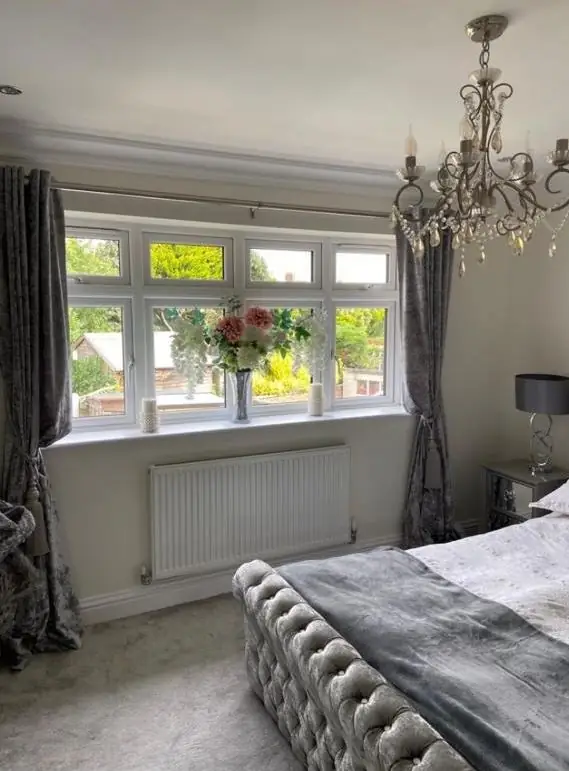
Colour and finish advice for Moulton, a village about 4.3 miles north-east of Northampton town centre. Outside, a short list of houses need planning permission to repaint their fronts and the conservation area expects white windows; inside, and on the estates beyond the old core, the choice is yours, and Dean helps narrow it down.
| Fact | Detail | Source |
|---|---|---|
| Article 4 addresses | 24 and 39-49 (odd) West Street; 14-26 (even) and 30 Church Street; 10 High Street | West Northamptonshire Council |
| Article 4 dates | Made 18 October 2019; confirmed 20 February 2020 | West Northamptonshire Council |
| Only painted listed stone | Pixie Cottage: ‘regular coursed lias painted white’ | British Listed Buildings |
| Local stone | ‘Rich dark honey coloured’ ironstone (Neighbourhood Plan 1.6.1) | moultonnorthants-pc.gov.uk |
| Owned with a mortgage | 40.4% of 2,181 households (Census 2021) | Nomis (ONS) |
Which Moulton houses need permission for a new front colour?
An Article 4 direction made by Daventry District Council on 18 October 2019, and confirmed on 20 February 2020, took some everyday permitted development rights away from a short list of houses in the conservation area. At these addresses, painting the front, or any side facing a road, waterway or open space, needs planning permission from West Northamptonshire Council:
- West Street: No. 24, and the odd numbers 39 to 49
- Church Street: the even numbers 14 to 26, and No. 30
- High Street: No. 10
The same direction covers alterations to windows and doors on those elevations, and new porches. Repainting in the existing colour is generally treated as maintenance, because the house looks the same afterwards; a new colour on the walls, door or windows is the change the direction is there to control. If you live at one of these addresses and want something different, ask the council first and book the painting once you have an answer.
A quick check for every other house
| Your house | What governs the outside colour | In practice |
|---|---|---|
| On the Article 4 list above | Planning permission to paint the front or road-facing sides | Apply before booking a colour change |
| Listed (42 list entries in the parish) | Listed building consent may be needed for a change of colour or finish | Agree like-for-like with the council first |
| In the conservation area, unlisted | 2017 appraisal: windows white or a sensitive colour based on the originals; paint and render on stone discouraged | No permission to repaint, but the guidance is worth following |
| Outside the conservation area | Ordinary permitted development | Your choice |
Colours that sit with honey-coloured ironstone
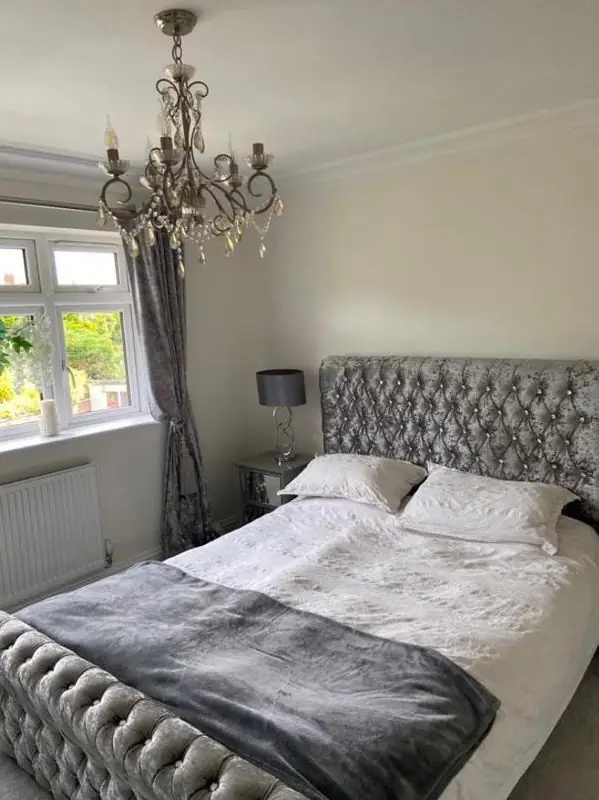
The Neighbourhood Plan calls the local stone “rich dark honey coloured”, and anything painted on an old Moulton house is seen against it. White windows work because they contrast with the warm stone without fighting it. For front doors and gates, the shades that sit well against ironstone are deeper and slightly muted: dark greens, blue-greys, oxblood and soft blacks. Bright primaries and cold pale greys tend to look harsh next to orange-brown walls. Ironwork is usually black.
Finish matters as much as colour on the older houses. A hard, high-gloss modern paint on a 200-year-old casement can look plastic; a softer traditional gloss or an eggshell sits more naturally on old timber. Inside, flat and dead-flat finishes hide the undulations of lime plaster, where any sheen would pick out every bump and trowel mark in the light from a small window.
Only one listed house in the village has painted stone: Pixie Cottage on Overstone Road, which its listing describes as lias “painted white”. So a painted front is the exception in the old core, and a reason to think hard before covering stone that is still bare. On the Church Street terrace and the West Street cottages, where front doors open off raised stone pavements, the door is seen at eye level from the street, so its colour carries more weight than on a house set back behind a drive. Front door colour on the older houses is covered in more detail on our Moulton doors and woodwork page.
Inside, and on the newer estates, the choice is yours
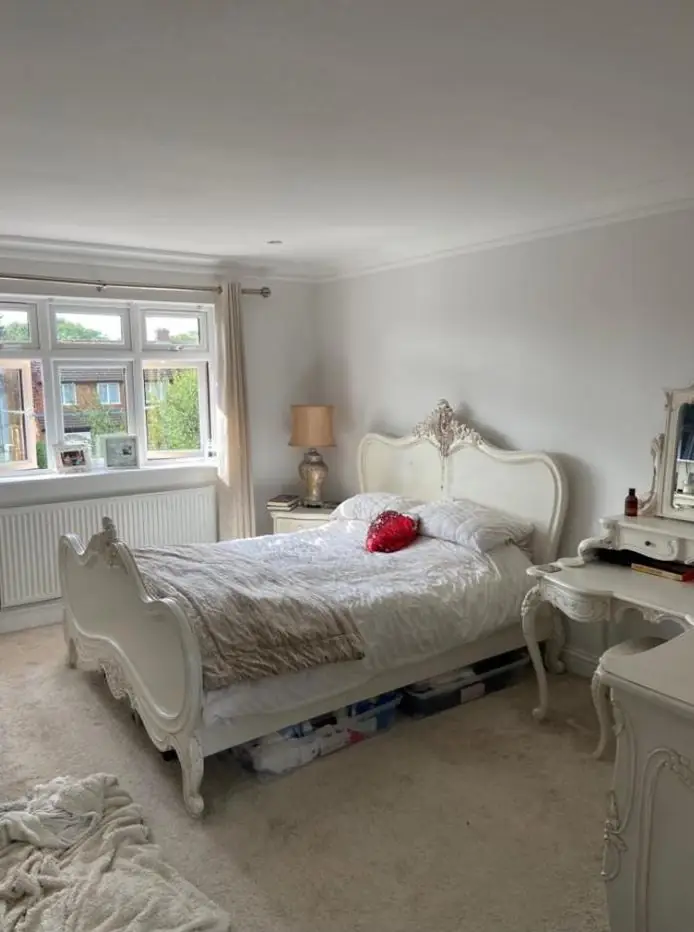
None of those controls reaches indoors unless the house is listed, and none applies on the estates around the edge of the village. Across the parish, 40.4% of households own with a mortgage, and in the two statistical areas wholly inside it the Valuation Office Agency dates about 30% of homes to 2009 or later. In a new house the questions are practical: which rooms get morning light, how colour runs through an open-plan ground floor, and which finish will stand up to children and dogs on the stairs. In a stone cottage the windows are small and the walls thick, so a colour reads a shade or two darker than on the chart, and samples should go on two walls, one facing the window and one beside it.
Our main colour and finish advice page explains undertones, sheen and how to test samples. The decorating cost guide shows how finish choices affect a quote. For the other services we offer, go back to the Moulton page.
Sources
- Article 4(1) Direction, Moulton Conservation Area (made 2019, confirmed 2020), West Northamptonshire Council (accessed 2026-11-17)
- Moulton Conservation Area Appraisal and Management Plan (2017), West Northamptonshire Council (accessed 2026-11-17)
- Moulton Conservation Area (DNN12342), Northamptonshire Historic Environment Record (accessed 2026-11-17)
- Listed buildings in Moulton, Daventry, Northamptonshire, British Listed Buildings (accessed 2026-11-17)
- Pixie Cottage, Moulton (Grade II), British Listed Buildings (accessed 2026-11-17)
- Moulton Neighbourhood Development Plan 2014-2029 (made December 2016), Moulton Parish Council (accessed 2026-11-17)
- Census 2021 TS054 tenure, Moulton parish output areas, Nomis (ONS) (accessed 2026-11-17)
- Council Tax: stock of properties 2025 (CTSOP 4.1, build period and property type by LSOA), Valuation Office Agency (accessed 2026-11-17)
Last updated .


