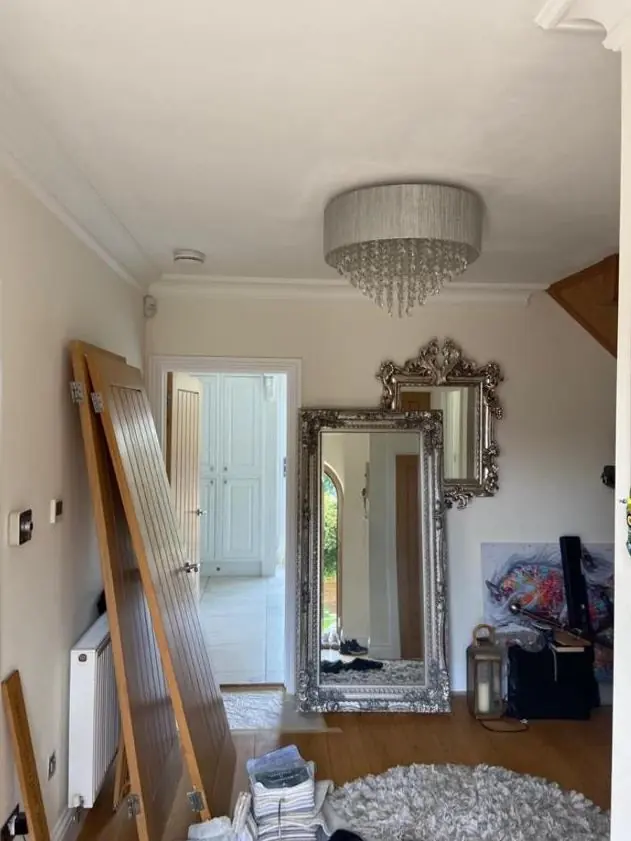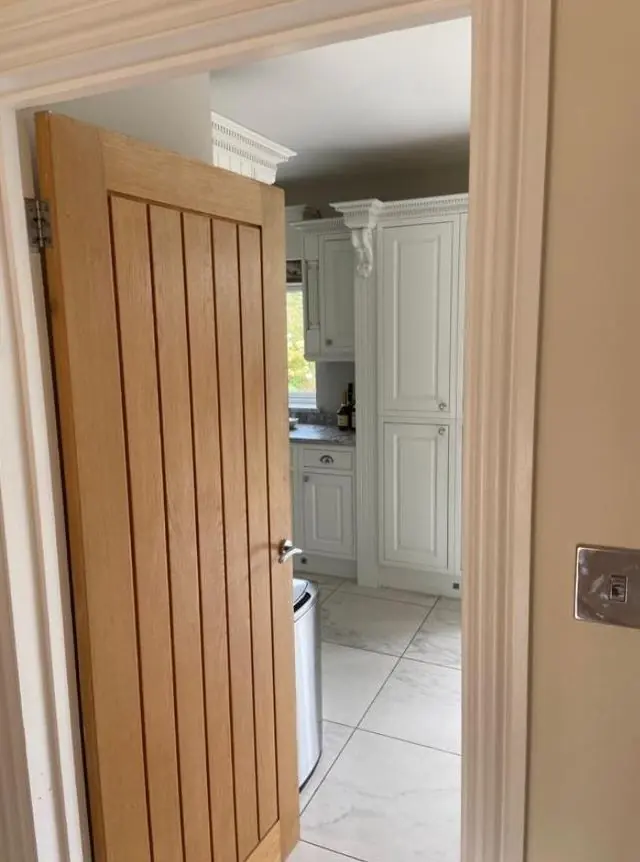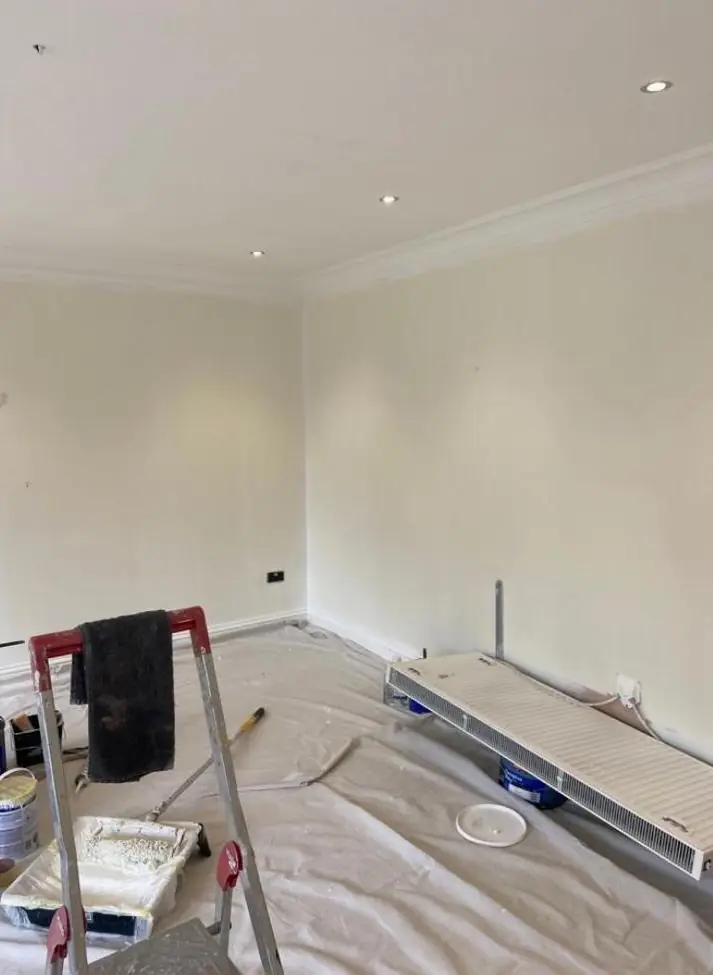
DH Painter & Decorator hand-paints decorative finishes in New Duston, the NN5 neighbourhood between Old Duston and Harlestone Road. They suit the larger detached houses on the western estates most, and Dean will tell you honestly when a smaller cottage room or flat calls for something simpler.
Where a decorative finish makes sense in New Duston
Feature work needs wall space to breathe, and New Duston’s housing gives very uneven amounts of it. The largest rooms are in the two-storey detached houses built on the western side between the 1980s and 2000s, off Weggs Farm Road and Rochelle Way. Flats are also much more common here than in Old Duston, and their rooms are compact. And at the old centre, by Main Road, Port Road and Quarry Road, the stone and red brick cottages have smaller rooms with walls that are seldom flat.
So the honest answer to “should I have a decorative finish?” depends on the street. What follows is how Dean approaches each, with the full range of effects on our decorative finishes page.
Room to work with: the detached houses on the western closes
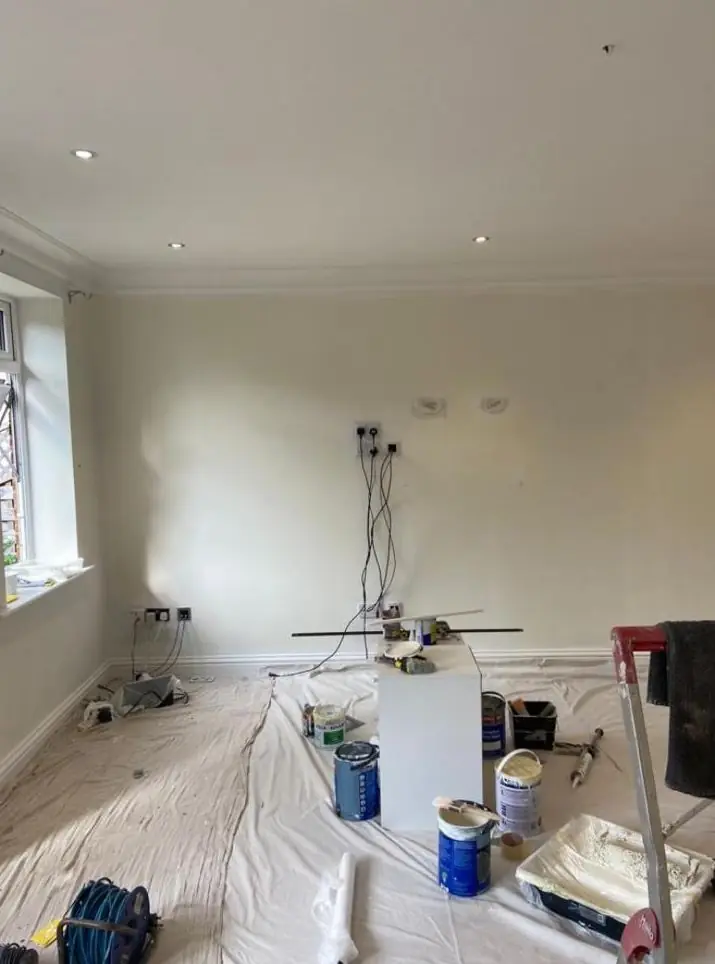
Houses on closes such as Bergerac Close and Reims Court often have open living and dining spaces, double-height stairwells and long landings. Plasterboard walls give a flat, true surface, which is exactly what a sharp decorative line needs. Finishes that suit these rooms well include:
- Painted wall panelling: MDF or timber panelling fitted to a dining wall or up the stairs, then filled, caulked and painted so pins and joints disappear.
- Two-tone splits: a deeper colour on the lower part of a wall, divided by a dead-level line, which helps anchor one end of an open-plan room.
- Colour-blocked shapes: an arch or panel of colour behind a bed or desk, marked out with a laser level.
- Coloured ceilings: continuing a wall colour over the ceiling in a dining area to make a large space feel more intimate.
Most of these houses have woodwork from when they were built. Fresh panelling sitting next to yellowed skirtings looks unfinished, so we usually quote the woodwork in the same room alongside it.
Hand-cut lines on older cottage plaster
Tape relies on a flat wall. In the stone and red brick cottages, older plaster rises and dips, and tape lifts on the high spots and lets paint creep in at the low ones. Here a two-tone wall is cut in by hand along a pencilled level line, so the edge looks straight to the eye even where the wall isn’t.
Some effects suit these irregular walls better than any crisp geometry. Soft colour-washed or chalky-looking finishes make the undulation part of the look. On solid walls they should stay breathable, which also rules out heavy glazes on surfaces that need to let moisture out.
Cottage rooms are also smaller, so scale matters. A wide colour block that suits a detached house’s dining wall can overpower a cottage living room. Picking out a single feature, such as a window reveal, a recess or a run of shelving, in a deeper shade often does more here than a full effect across a wall. Those cottages reward restraint, and Dean will say so if he thinks a plainer finish would suit the room better.
Small flats: when less is better
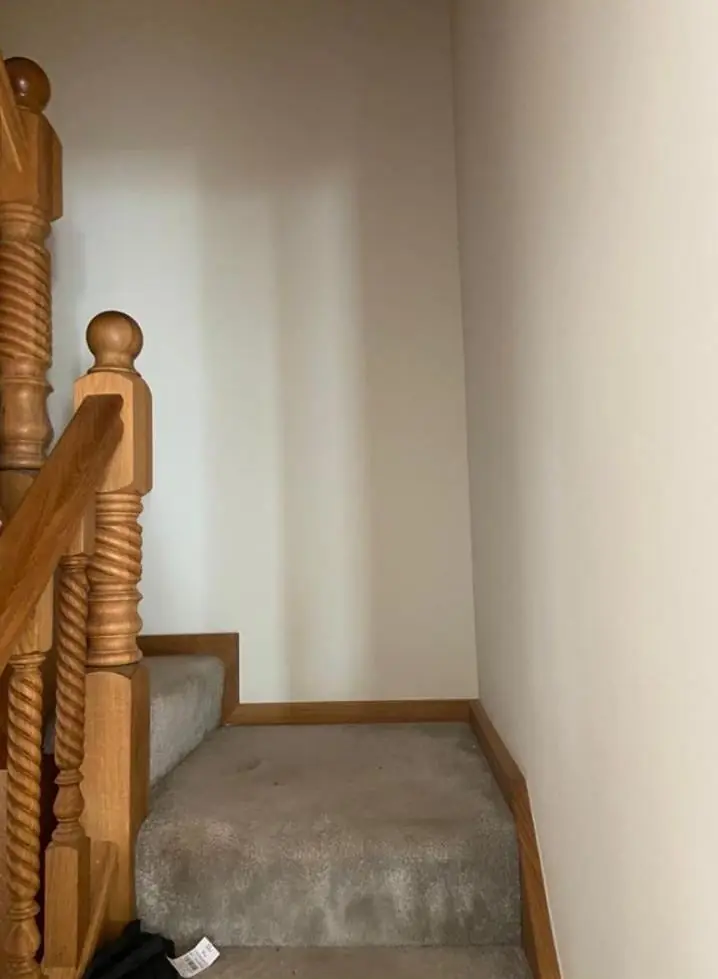
In a compact flat, a busy effect on every wall closes the room in. A half-height panelled hallway, a painted door in a contrasting colour, or a single colour-blocked alcove usually gives more character for less disruption. If you rent, check with your landlord before any fixed panelling goes up. For a patterned alternative to paint, see our wallpaper hanging service, and the New Duston area page for everything else we cover locally.
Last updated by Dean, DH Painter & Decorator.