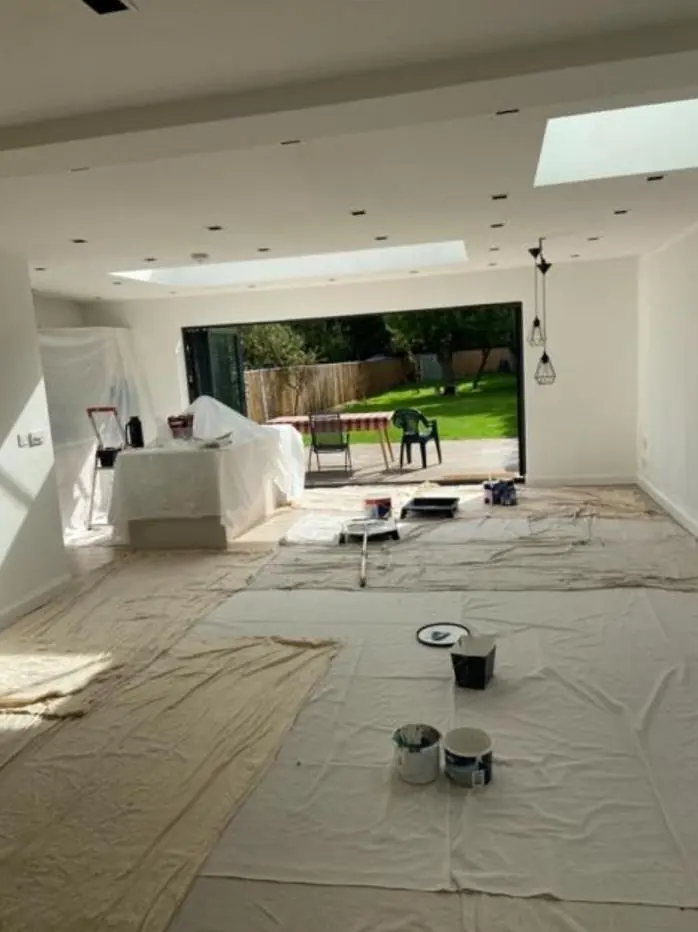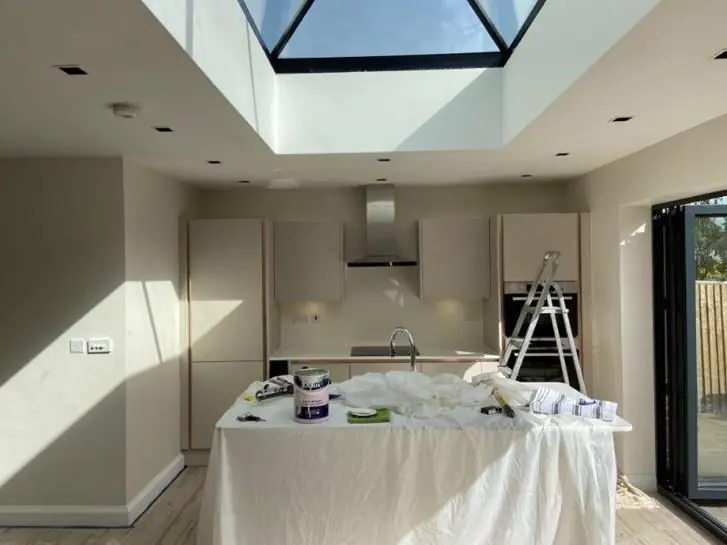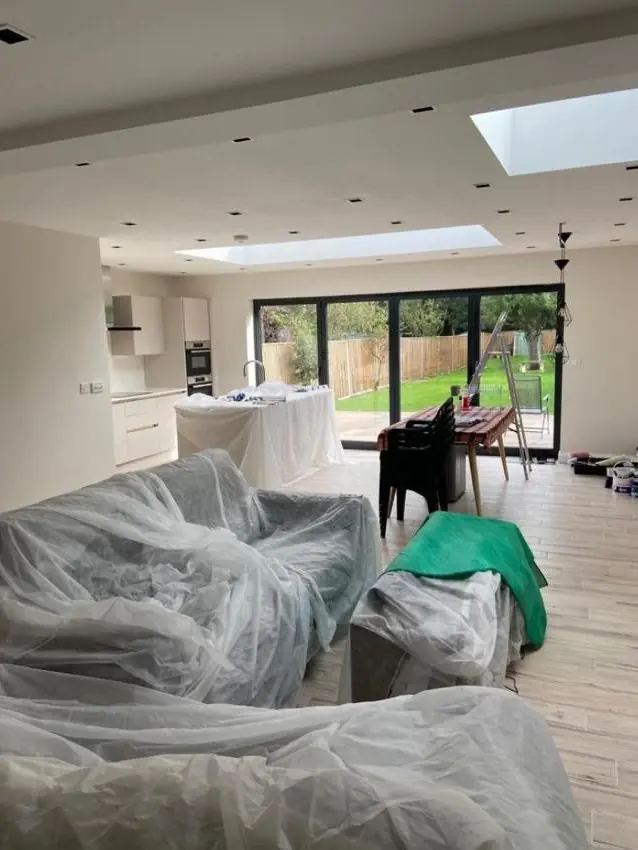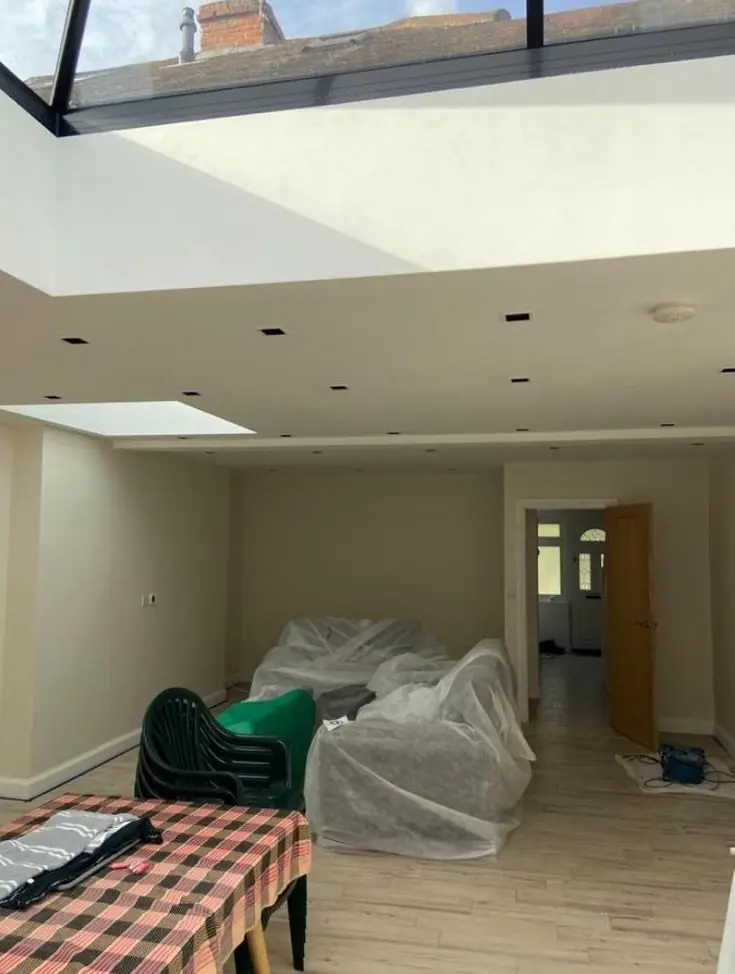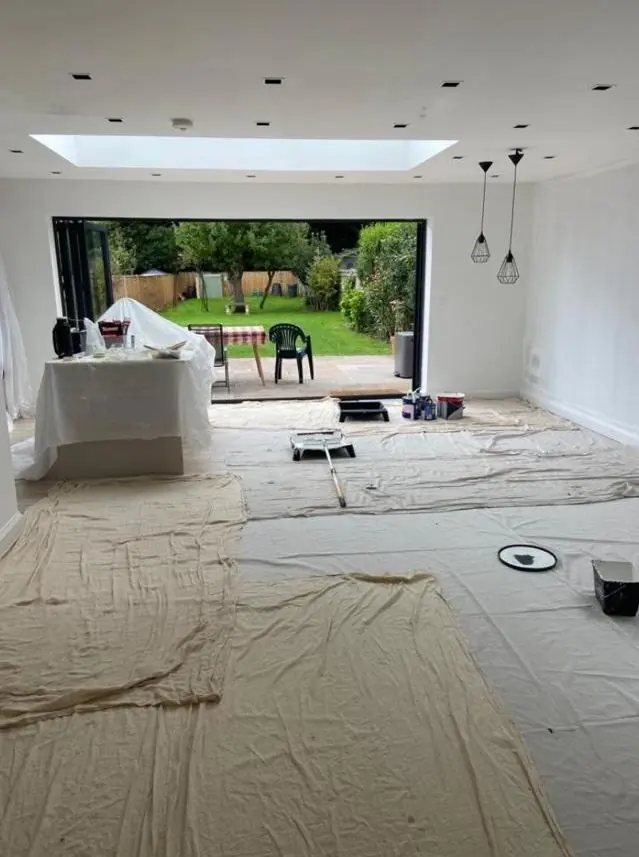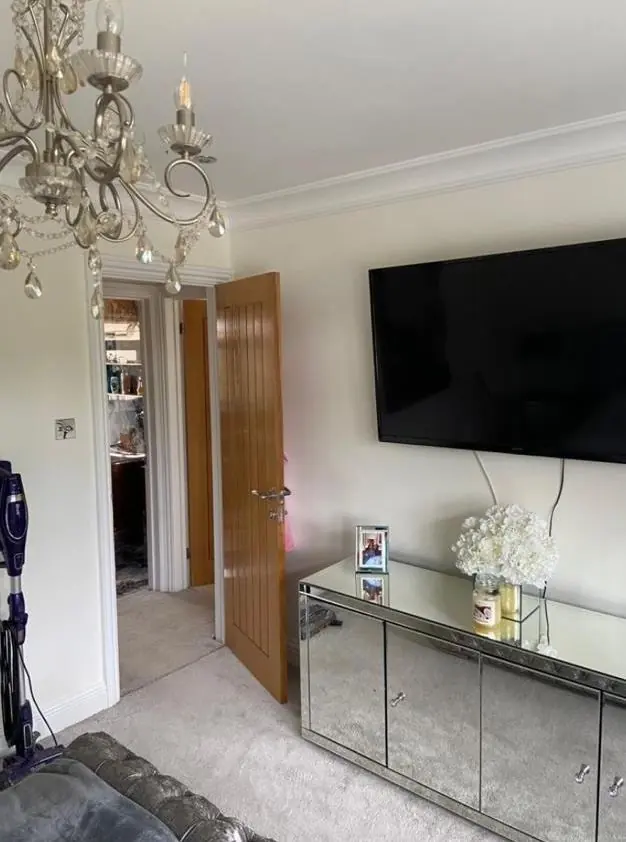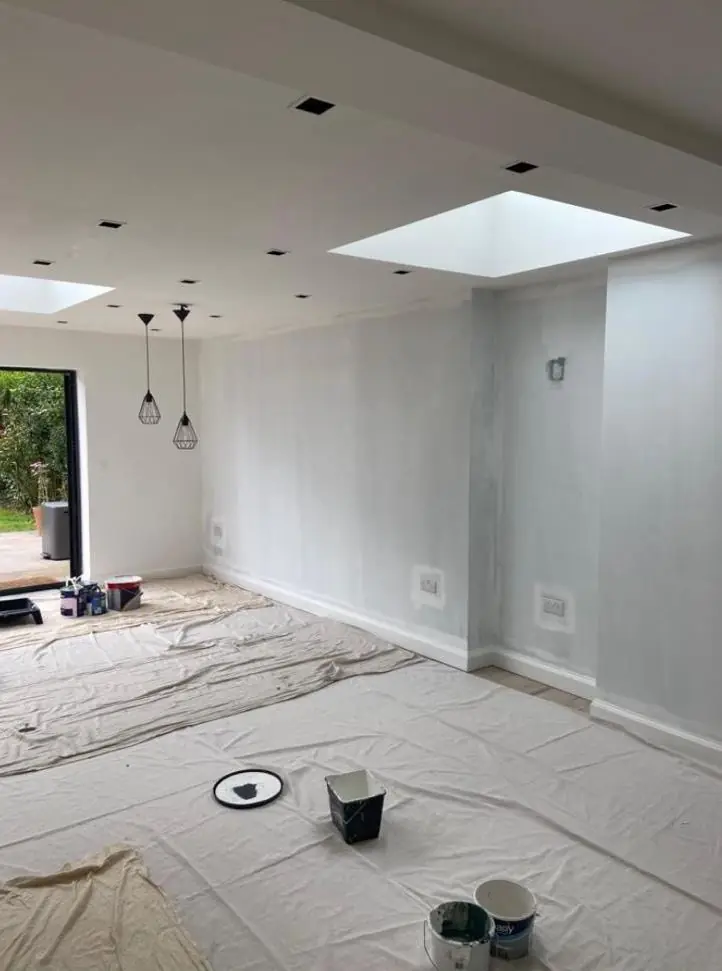
DH Painter & Decorator decorates newly plastered rooms and extensions in New Duston, a 2.8-mile drive north-west from Northampton town centre. Most new plaster here comes from extensions to the 1980s-2000s estate houses on the western side and from housing on redevelopment sites along Port Road and Harlestone Road.
Where New Duston’s new plaster comes from
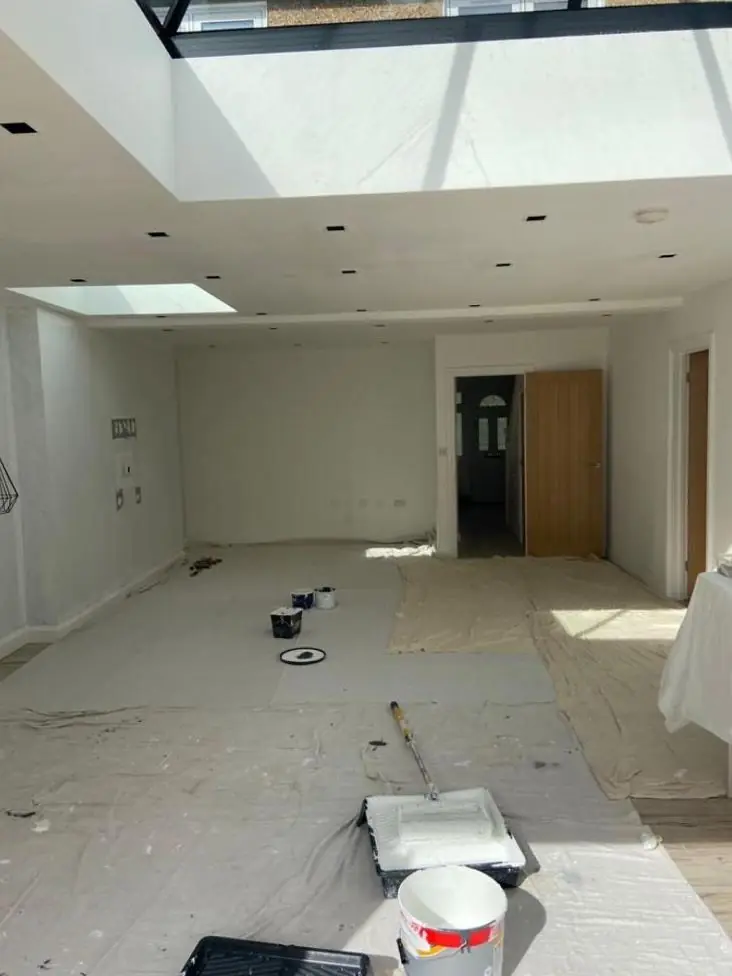
The Duston Neighbourhood Plan notes that across the large western estate, around Wrenbury Road and Weggs Farm Road, extensions are the main type of development. Houses built there from the 1980s onwards are now at the age where owners add a rear kitchen extension, convert a garage, or knock through to make an open living space. Each of those leaves a mix of new plaster, older painted walls and new joinery that has to be decorated as one room.
Alongside the extensions, the Strategic Housing Land Availability Assessment (SHLAA) listed several redevelopment sites: the Duston Oil Works on Port Road for up to 30 homes, car garage workshops and Ryland Garage on Harlestone Road, and 26 homes at 379 Harlestone Road, which was under construction in 2014. New-build homes like these are usually handed over in a plain contract emulsion, and owners often want them properly decorated once the plaster has had time to dry out.
Joining new work to a thirty-year-old house
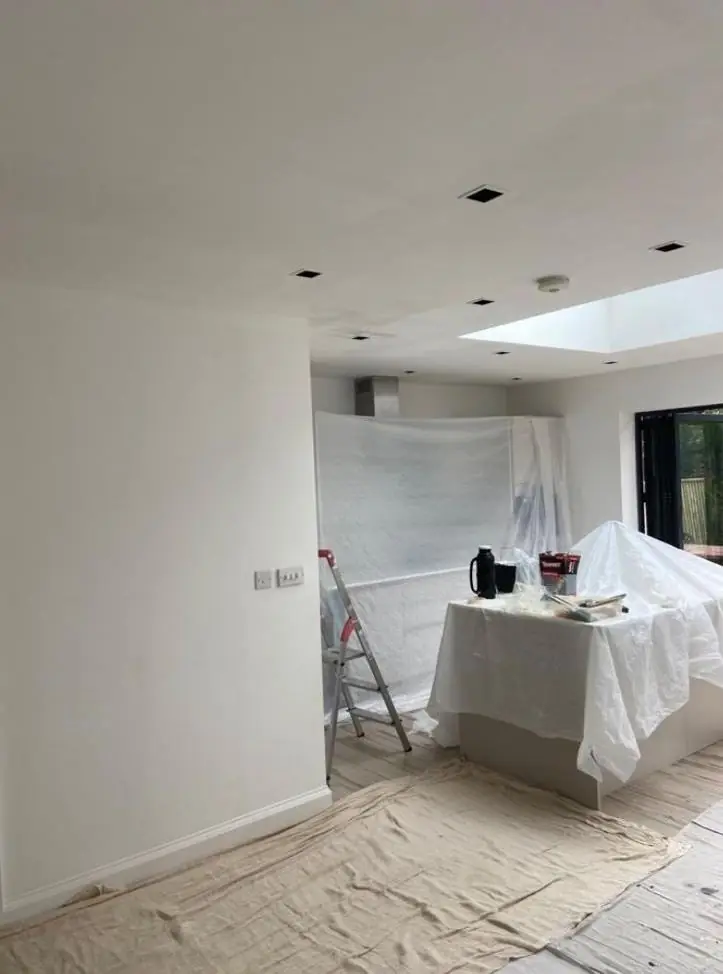
The hard part of an estate-house extension is rarely the new plaster itself. It is the line where the new room meets the old one. On these jobs we look out for:
- A visible step or ridge where fresh skim meets the existing wall, which needs feathering in with filler before any colour goes on.
- Old walls carrying several coats of vinyl emulsion next to bare plaster that will absorb paint quite differently, so the two get different first coats.
- Original 1980s or 1990s skirtings and architraves in oil-based gloss beside new MDF in primer, which have to be brought to one matching finish.
- Hairline cracks at the junction of the old wall and the new structure as the extension settles, which should be filled and flexibly sealed after the first few months.
If the doors and skirtings throughout the house are of the same age, many owners use the extension as the moment to repaint all the woodwork so new and old match.
Drying time before the mist coat
Fresh skim needs to dry fully before it is painted, and a full replaster or a new extension built in winter can take noticeably longer. We check every wall and ceiling, including corners, window reveals and behind radiator positions, for even colour before starting. The first coat is a thinned, breathable mist coat that soaks into the plaster and gives the next coats something to grip. Vinyl or wipeable paints go on only after that, never straight onto bare plaster. The full drying and mist coat process is explained in our new plaster mist coat guide, and what a full extension job includes is on our main new plaster and extension page.
Outside the extension
Planning-wise this side of the parish is fairly free, because the conservation area is drawn around St Luke’s Church in Old Duston. Neighbourhood Plan policy BE1 still asks extensions and infill here to respect the local vernacular of natural stone terraces and red brick cottages. On the outside of a new extension, that usually means keeping new fascias, bargeboards and joinery in colours that sit with the existing house. Where a recent extension sits beside one of the original stone cottages, bare stone should not be sealed with ordinary masonry paint.
Working alongside your builder
We are usually the last trade in. We like to see the room once the plasterer has finished so we can give a clear quote and a realistic start date that allows for drying. Parking can be tight in the western closes, so on extension jobs we agree space for the van with you and, if they are still on site, with your builder. For other decorating in the area, see our New Duston page.
Last updated by Dean, DH Painter & Decorator.