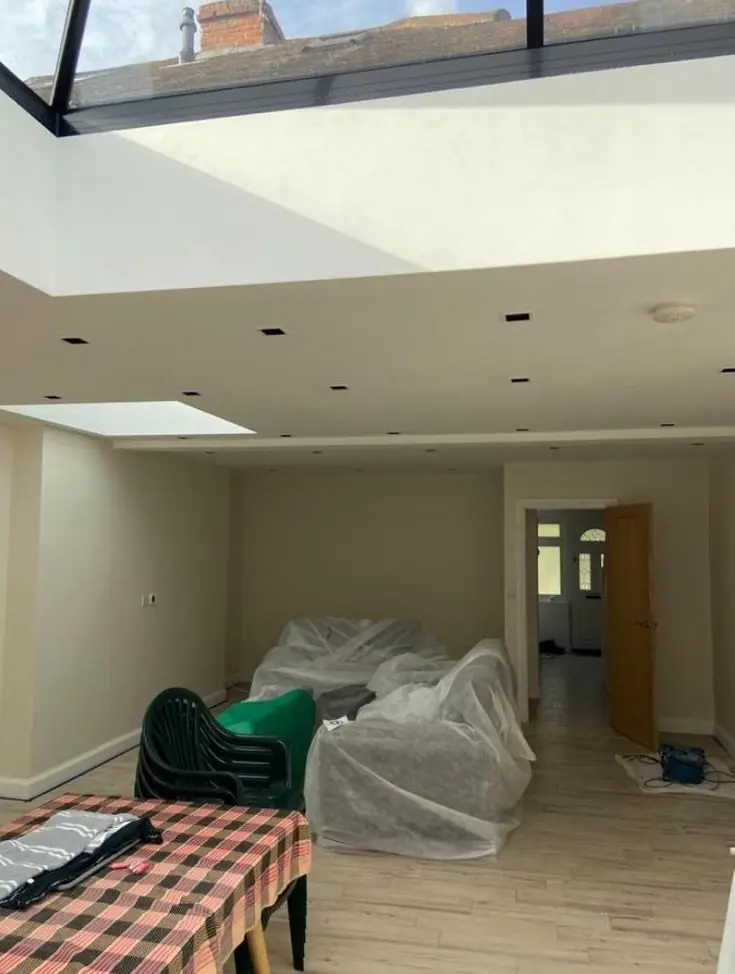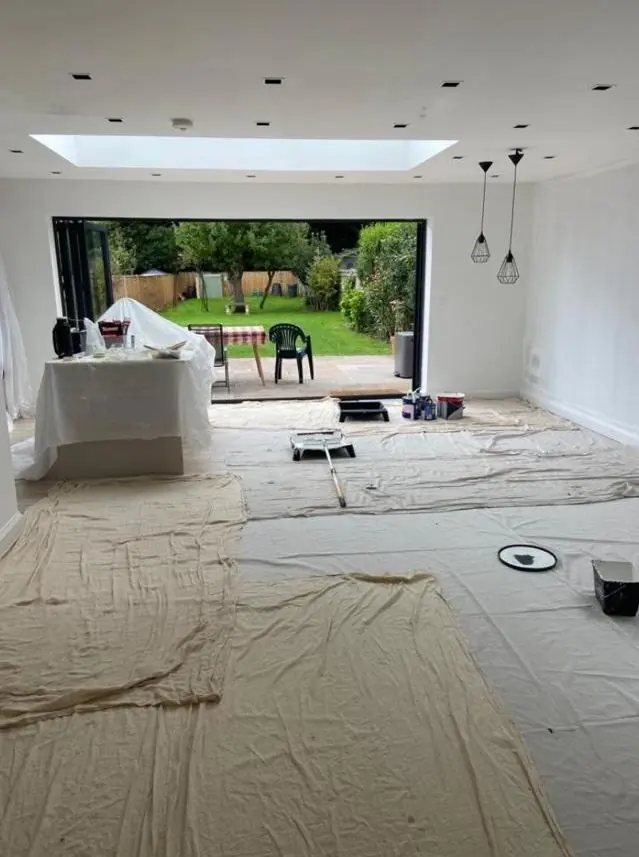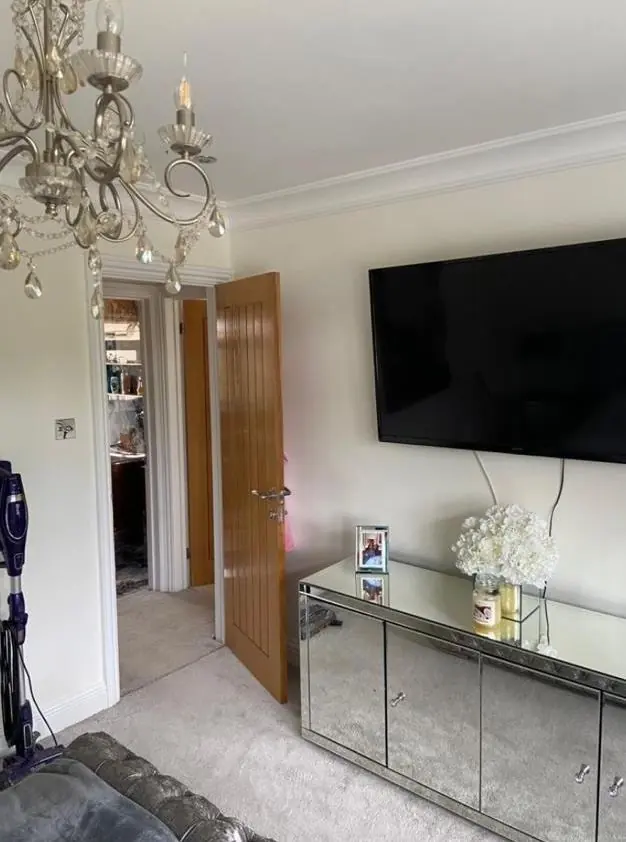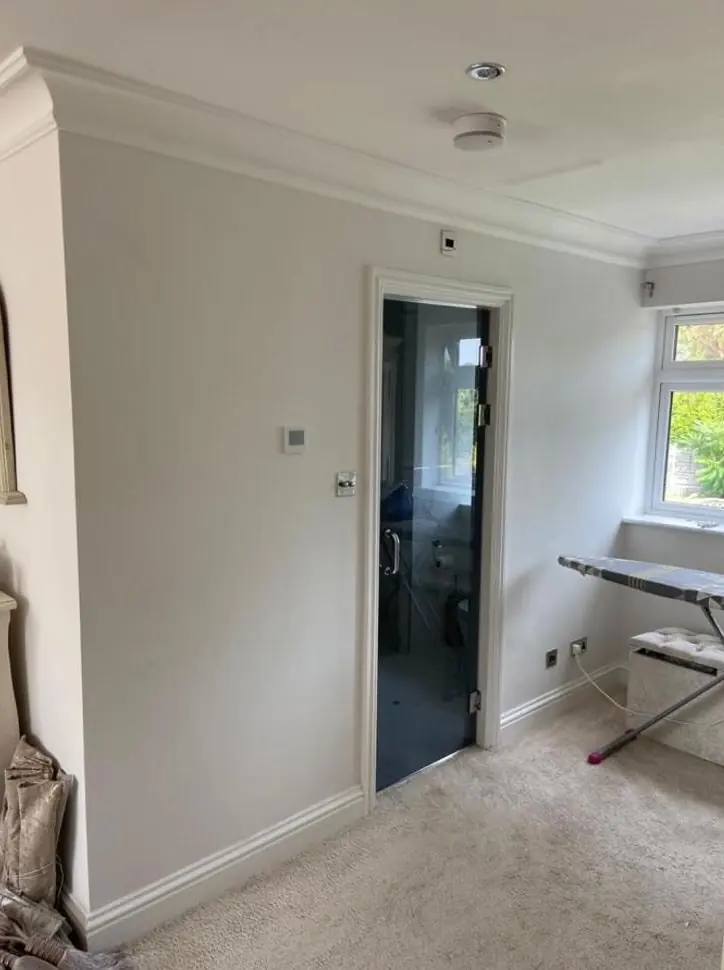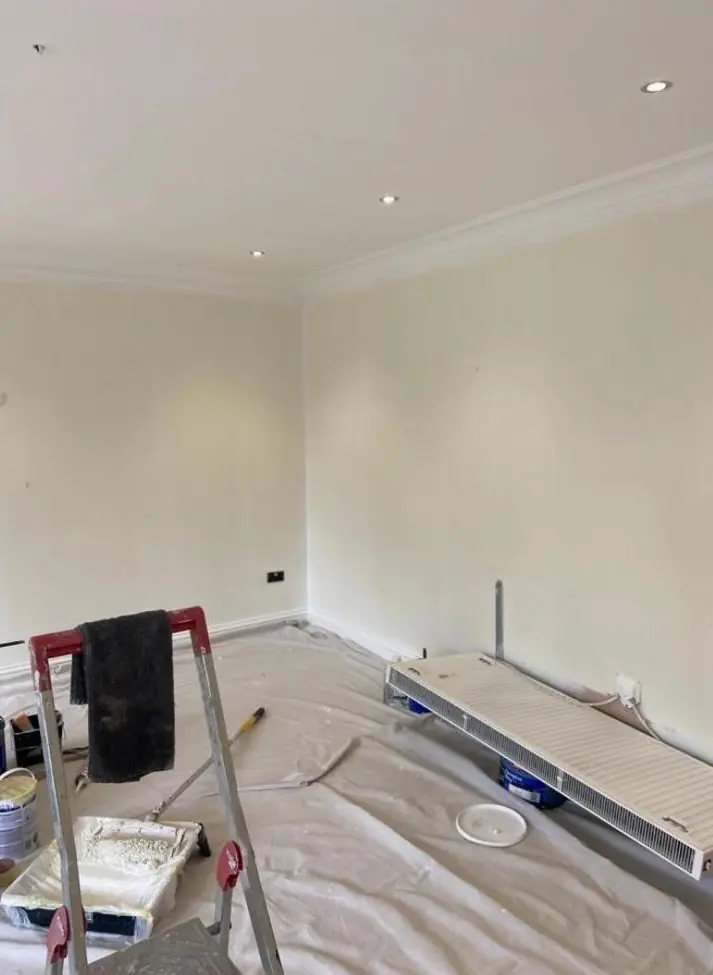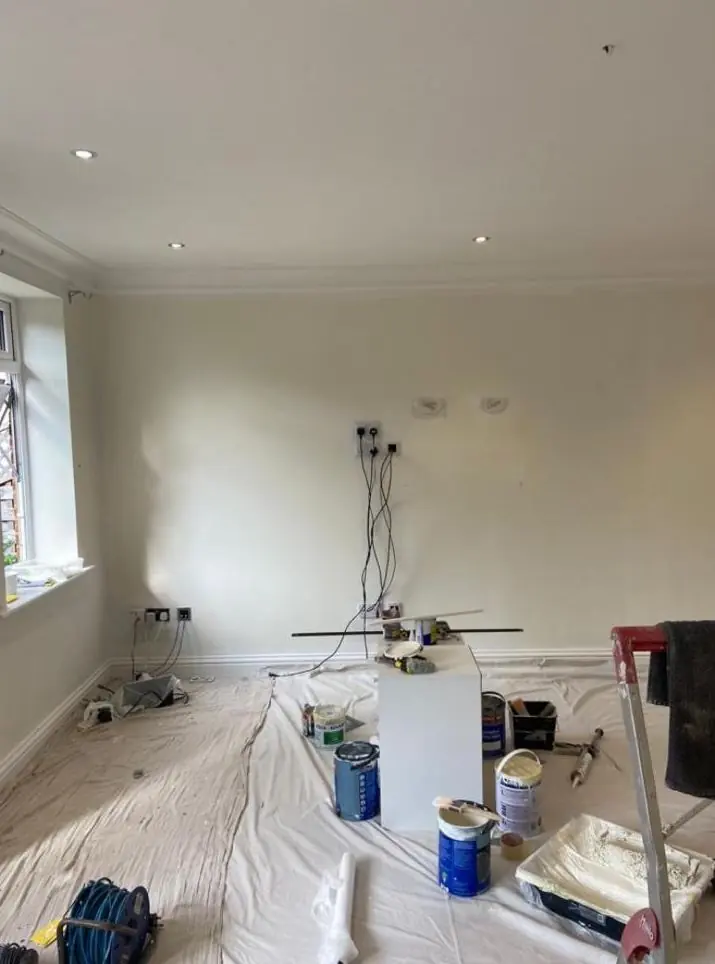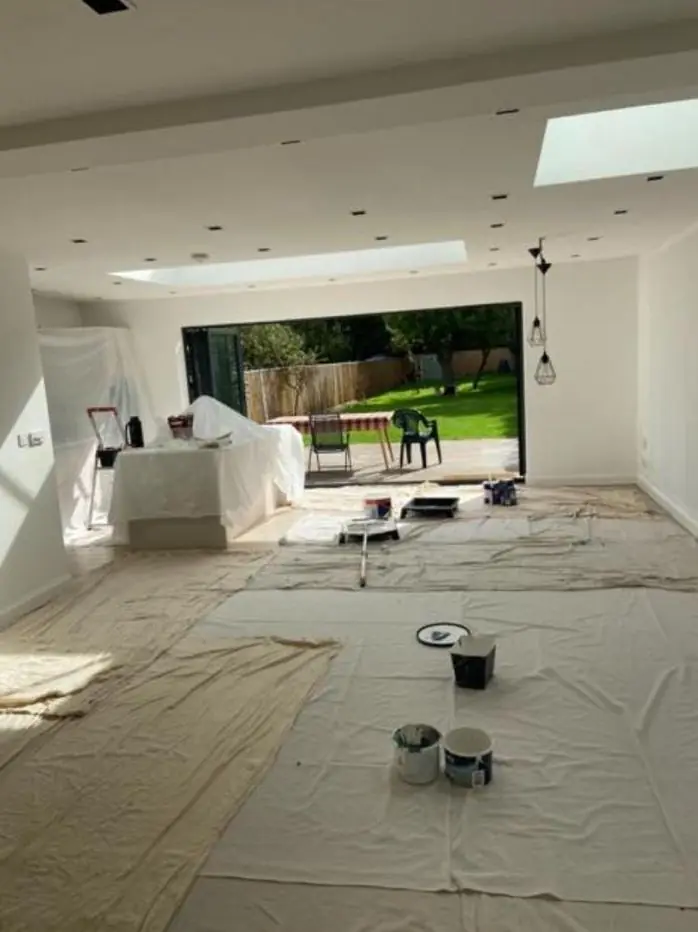
DH Painter & Decorator paints new plaster, extensions and newly built rooms in Harlestone, which sits in NN7 just over four miles north-west of Northampton. We handle the mist coat and first decoration, and take care where a modern gypsum room meets the older lime-plastered walls of a stone cottage.
Where new plaster turns up in an old village
Harlestone is not a village of new estates, but it does have a steady trickle of fresh plaster. Since the Althorp Estate sold many properties to private owners in 1990, some infill has gone up on back land and between houses. Brick extensions are common too, partly because the 19th-century brickworks in Upper Harlestone supplied local brick for extensions and farm buildings, so a brick addition on a stone cottage is a familiar sight here. Add in replastered rooms during cottage renovations, and new modern houses such as those on Harlestone Road, and there is plenty of bare plaster waiting for its first coat.
The general process for new plaster, including drying times and why a mist coat matters, is on our main new plaster and extension painting page and in the mist coat guide. Below is what is particular to Harlestone.
Joining a new room to a lias stone cottage
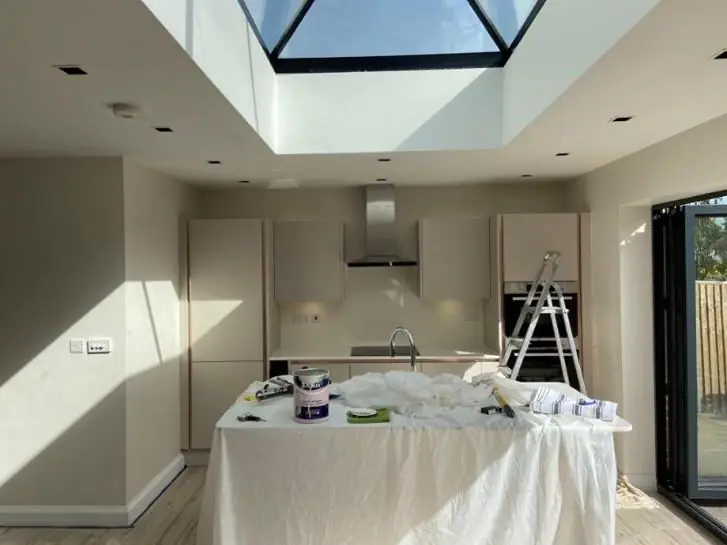
The tricky part of a Harlestone extension is usually the doorway between old and new. On one side is modern gypsum plaster on blockwork or plasterboard, smooth and flat. On the other is likely to be lime plaster on solid lias stone, softer and wavier. They behave differently, and they want different paint.
- New gypsum side: left to dry fully, then a diluted mist coat of plain contract matt, followed by two full coats.
- Old lime side: a breathable mineral or clay-based paint, so moisture in the stone wall can escape and the surface does not blister.
- The junction: where the two meet at a reveal or corner, a fine crack often opens as the new work settles. We leave a decent interval, then fill with flexible filler before the final coat.
Getting the two sides to look the same colour, even though they take different paints, is a matter of choosing matched or closely tinted products and checking them side by side in daylight. We do test patches on both before the main coats.
Consent and listed cottages
There are 49 listed buildings in the parish, and an extension to a listed cottage may need Listed Building Consent as well as planning permission. That is a matter for the owner, architect or builder, not the decorator, but it affects us in one way: consent conditions sometimes specify materials or finishes. If yours mentions lime plaster or a particular paint type for the new work, show it to us and we will follow it.
Drying a new room in a damp valley
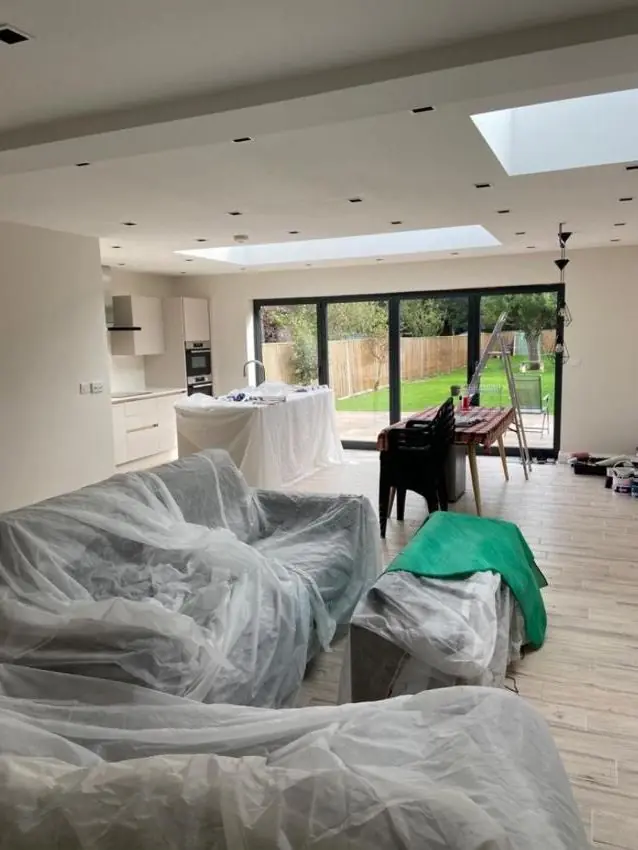
Harlestone sits in a wooded Liassic valley, with Harlestone Brook running through Upper Harlestone and tree belts all round. Air in a new extension here can stay damp for longer than in a town-centre flat, especially in autumn and winter. New plaster that looks pale is not always dry right through. Before the mist coat goes on we check:
- that the colour is even, with no darker patches near floor level or around window reveals;
- that background heating and ventilation have been running, not just a fan heater on the last day;
- that any external render or pointing on the extension has had time to settle too.
If the plaster needs another week, we would rather say so than paint over trapped moisture that pushes off the finish in spring.
Joinery and woodwork in a new extension
New extensions usually come with bare or factory-primed skirtings, architraves and doors. In a conservation-area cottage, the client often wants new interior joinery to match the old in colour, which can mean matching a cream or off-white rather than brilliant white. We prime any bare timber, knot-seal pine and finish in the sheen you choose. For more on the village, see our Harlestone area page, and our cost guide explains how we price.
Last updated by Dean, DH Painter & Decorator.