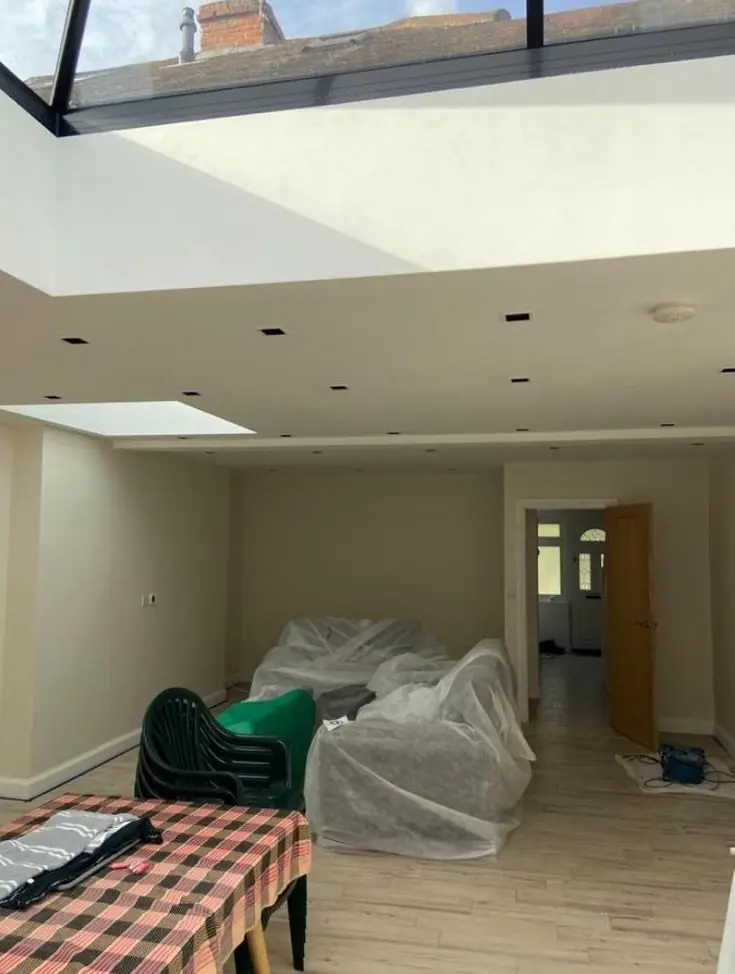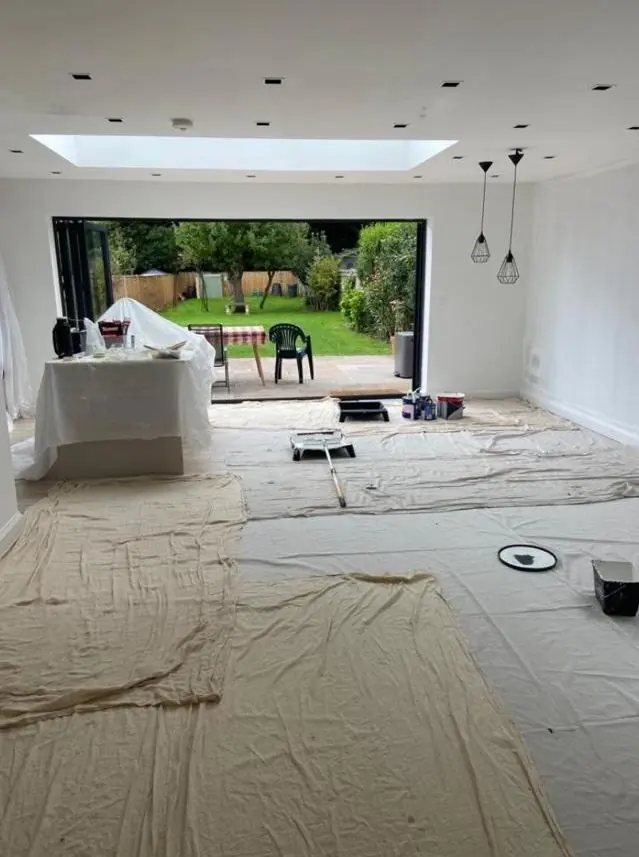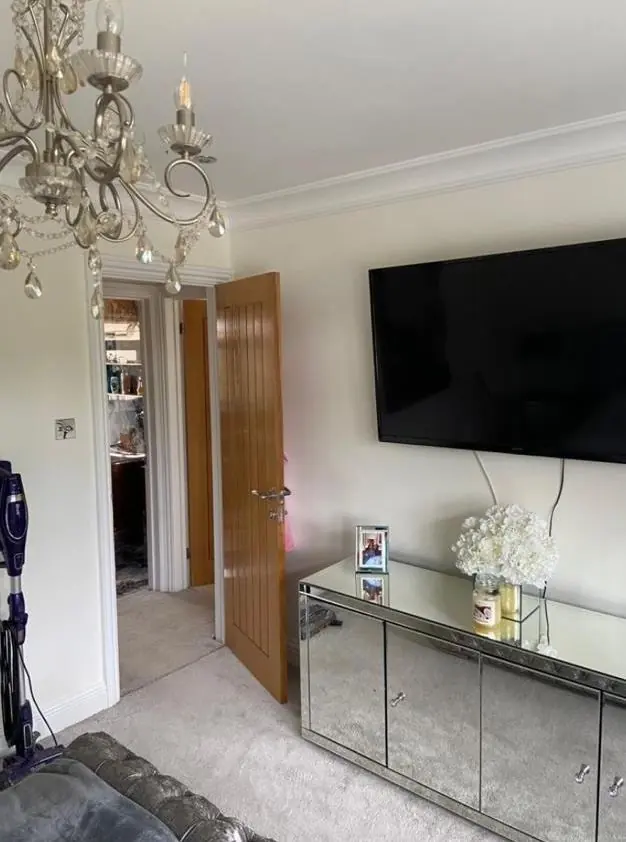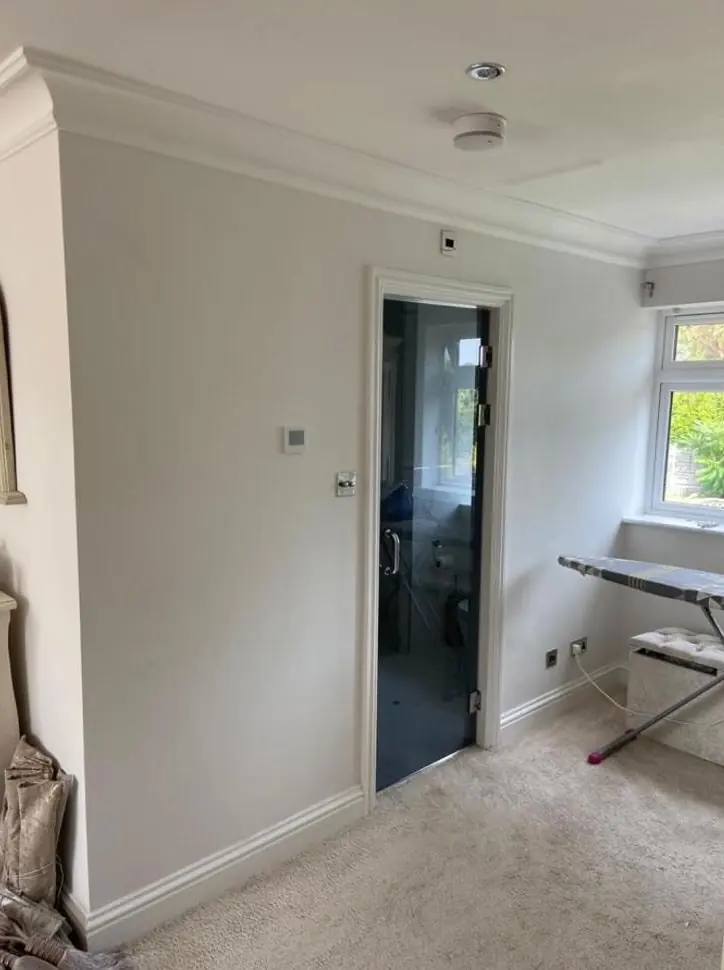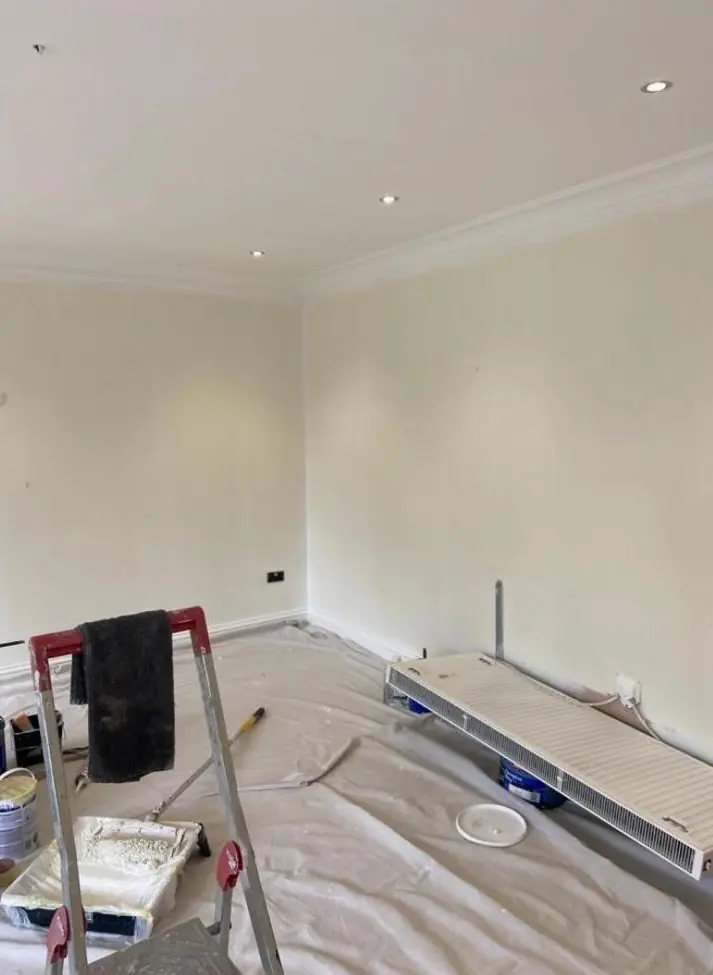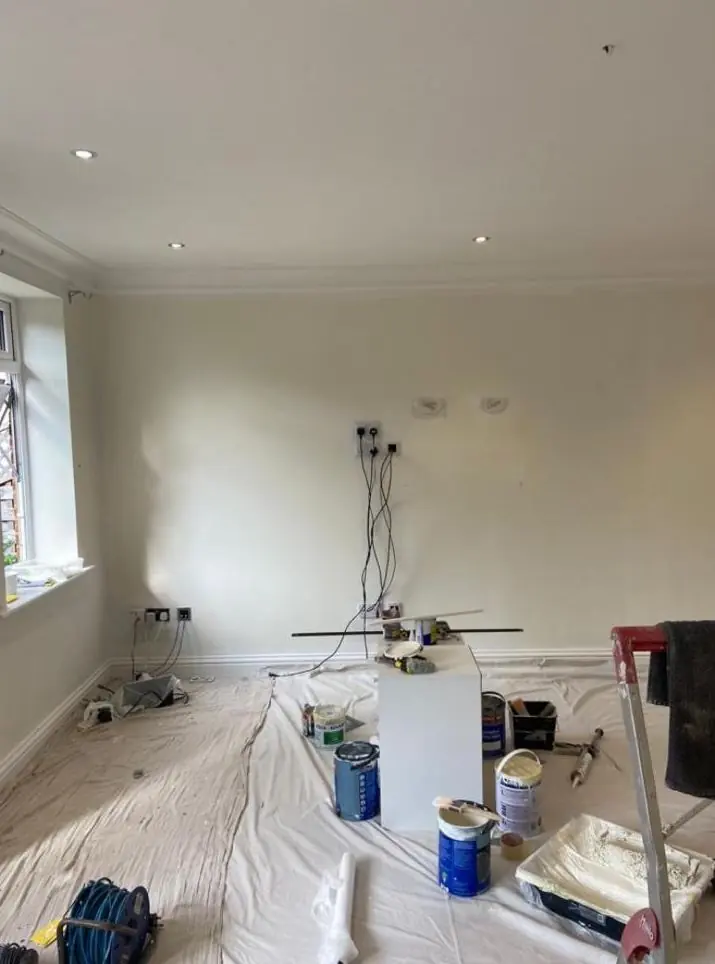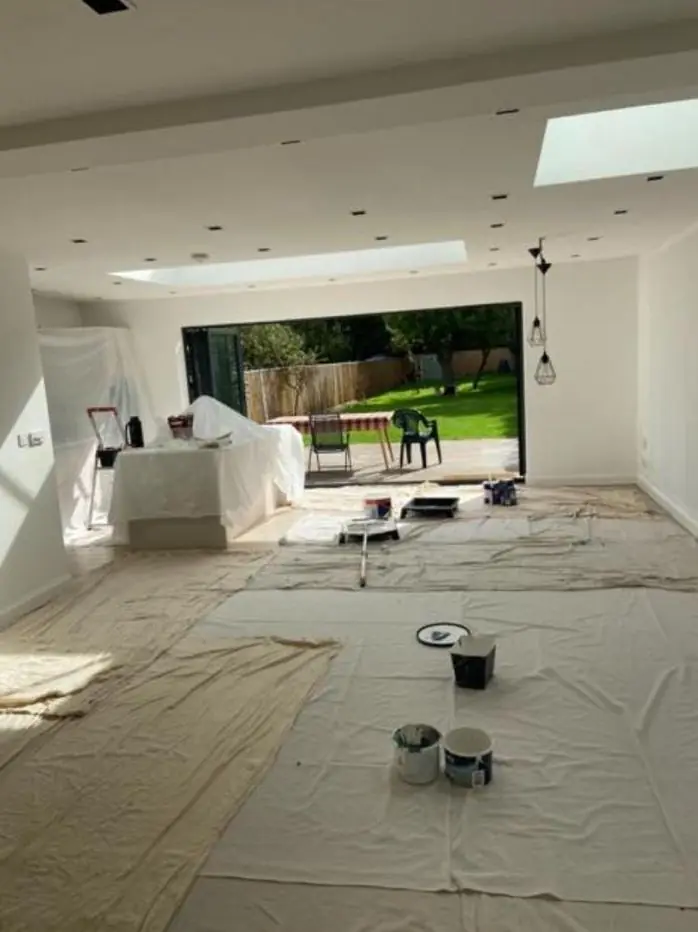
We decorate rental houses and cottages in Spratton for landlords and letting agents, from our base about 6.5 miles south in Northampton. A let here is most likely a single village house, and in the older part of the village that can mean solid stone walls, listed status and finishes that need more thought than a standard magnolia repaint.
Letting a house in a conservation village
Spratton is a small village with a population of 1,150 at the 2011 census, and we have found no published figures on lettings here. Rental work is likely to be occasional single lets: a cottage, a family house or an annexe, rather than blocks of flats. That changes what a between-tenancy repaint involves. The house may be in the conservation area, which covers the historic core, or it may be one of the Grade II or locally listed houses on Yew Tree Lane, Church Road or Manor Road.
For a listed rental the same rules apply as for an owner-occupied house. Like-for-like redecoration is normally fine. Changing an external colour, or stripping original joinery, may need consent from West Northamptonshire Council, and the landlord should confirm it before work starts.
Hard-wearing paint that still lets old walls breathe
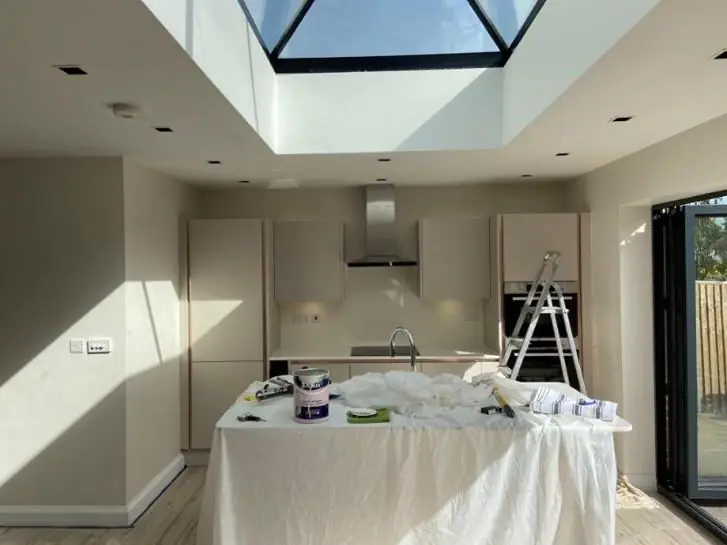
The usual approach for rentals is a wipeable vinyl matt or silk in one neutral colour throughout. On cavity-walled modern houses that works well. On a 17th or 18th century cottage of ironstone or lias with lime plaster inside, a heavy vinyl coating can trap moisture in the wall. The paint then bubbles or flakes, and tenants may report damp that is really a paint problem.
For those houses we suggest breathable emulsions that still clean reasonably well, a single neutral that sits comfortably with exposed beams and stone, and a tougher eggshell or satin finish confined to the woodwork, where scuffs actually happen. It keeps touch-ups between tenancies simple, because the next repaint uses the same products.
Ask us to note down the paint names and colour references at the end of each job. Keeping that record with the property file means a future touch-up matches, whoever does it, and avoids an agent buying a standard vinyl that sits badly over the breathable coats already on the walls.
Condensation, damp and what the paint can and cannot fix
Solid stone cottages have no cavity, and in a rural village surrounded by open farmland they can feel cold and damp in winter. Black mould in a bathroom or behind a wardrobe in a let house is usually condensation, not rising damp, and paint alone will not cure it. We clean affected areas with a fungicidal wash and use mould-resistant paint where it suits the wall, but ventilation and heating are what stop it coming back. If we see signs that look like a building defect, such as cement pointing or a hard render holding water in soft stone, we point it out to you so you can get it looked at.
- Walls on lime plaster: breathable matt emulsion
- Walls on gypsum (later extensions or modern houses): durable matt
- Skirtings, doors and window boards: water-based satin or eggshell
- Kitchens and bathrooms: moisture-resistant finishes on suitable walls
Turnaround from Northampton
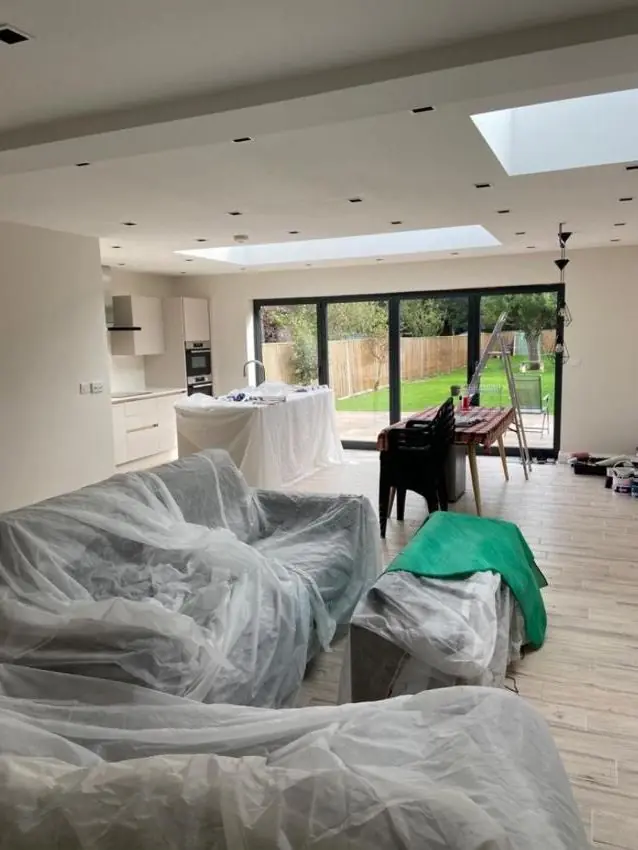
Spratton is on the A5199 north of Northampton, so it is a straightforward journey from our base. For a void period we can view the property with the agent or collect keys, agree which rooms need full coats and which only need touching up, and book the work for the empty days between tenants. Old cottages take longer than a modern flat of the same size, because uneven walls, low ceilings and deep skirtings slow the cutting-in. We build that into the timescale so the new tenancy date holds.
The wider service, including what an end-of-tenancy repaint covers and how we work with agents, is on our main landlord and letting agent decorating page. For rough budgets, read the painter and decorator cost guide, and for other work in the village see the Spratton area page.
Last updated by Dean, DH Painter & Decorator.