Dean gives colour and finish advice to homeowners in Spratton, a conservation village about 6.5 miles north of Northampton. Outside it is mostly about doors and windows against stone and thatch; inside it is about colours that work in low cottage light and taller Georgian rooms.
Start with the stone, not the colour card
Spratton’s historic houses are mostly left as bare stone, so the walls choose half the palette for you. Ironstone, used at Olde House Farm and 7 Manor Road, is a warm orange-brown that shifts with the weather. Lias limestone, used for the cottages on Yew Tree Lane and for Northbank House, is paler and greyer. Put the same door colour against each and it reads differently: a cool grey-green that looks calm on lias can look muddy next to rusty ironstone, while a deep red that glows against lias can fight with it.
When Dean helps you choose for a front door, casements or a coach house door, he brings sample pots to the house and looks at them against your actual wall and roof in daylight. Thatch adds another layer. New straw is bright and golden, and it weathers to grey-brown over the years, so a colour that suits a freshly thatched roof may need rethinking a decade later.
Where the conservation area comes into it
The Spratton Conservation Area Appraisal and Management Plan was adopted by West Northamptonshire Council in 2021, and it identified locally listed buildings on Yew Tree Lane, Church Road, Manor Road and Brixworth Road. A door going back in its current colour raises no questions; a door going from cream to scarlet on a street front is one to clear with the council before the tin is opened. On a listed house, a change beyond like-for-like can need listed building consent.
Heritage colour cards offer far more than white, and the stone types in Spratton steer the choice. Some combinations that tend to work in the village:
- Against ironstone: off-whites with a warm base, stone colours, deep olive and dark brown-green on doors.
- Against lias: soft whites, muted blue-greys, sage, and darker blues or reds on a front door for contrast.
- Against red brick, as at Holly House on Church Road or the chequered brick of The Manor House: creams and off-whites on sashes, and blacks or deep greens on doors.
- Metalwork set into stone walls: black or very dark green, which reads as traditional on Church Road and Manor Road.
Inside: low cottage light and taller Georgian rooms
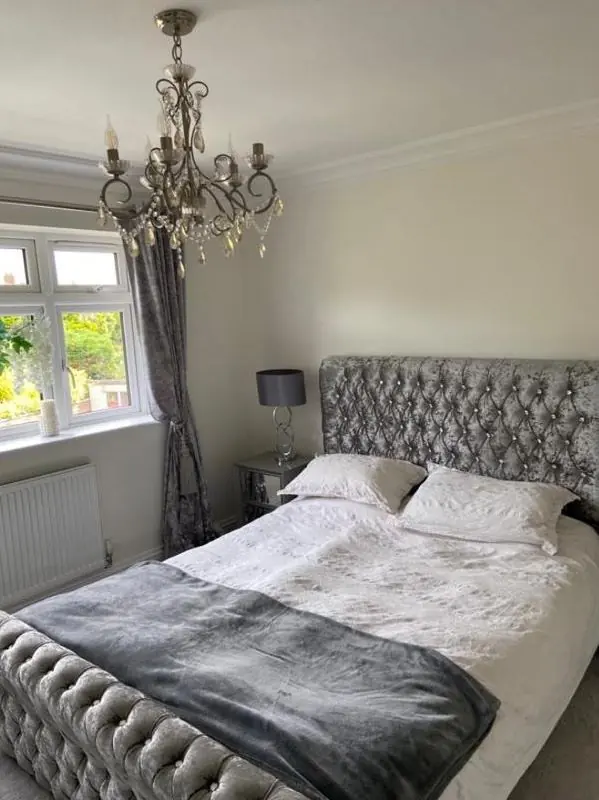
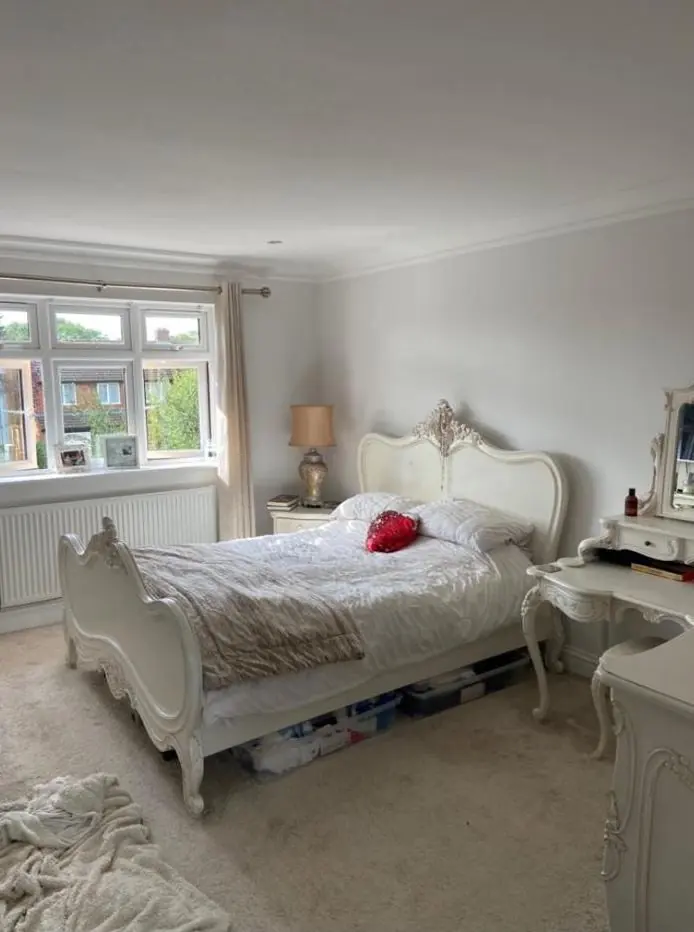
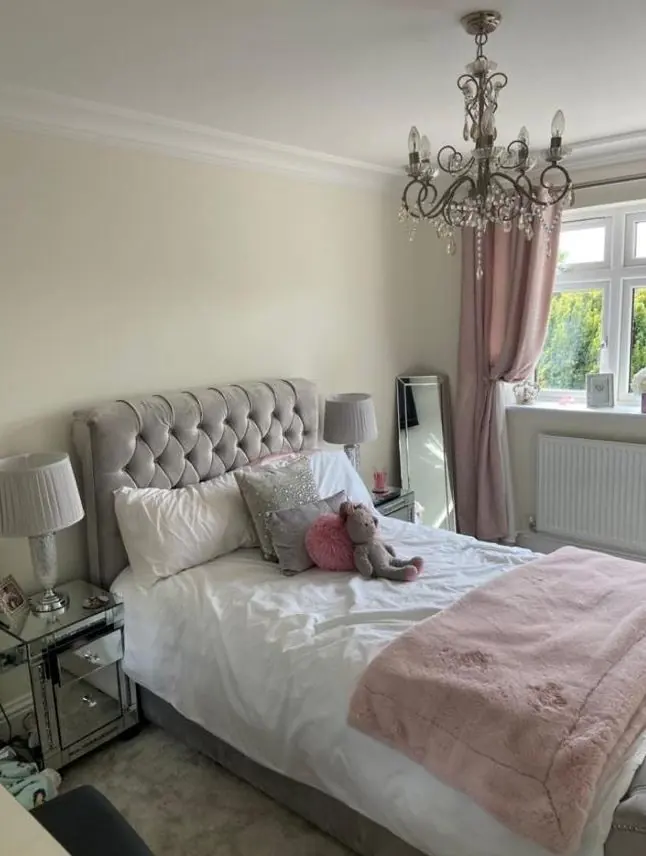
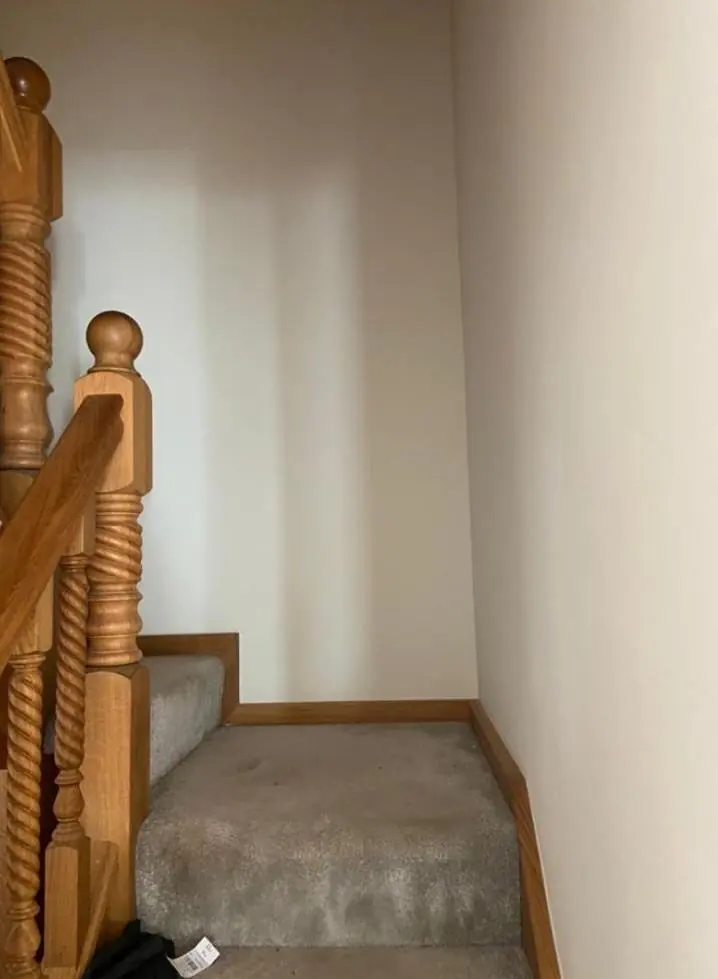
Small windows set deep in thick stone walls let in limited light, and the oldest cottage rooms often have low ceilings and dark beams. Very pale cool greys can go flat and gloomy in rooms like that. Warmer off-whites, soft earth tones or a deliberately deeper colour that makes the room feel snug usually work better. A flat or matt breathable paint also helps, because it hides the undulations in old lime plaster where a sheen would pick them out.
Georgian rooms at a house such as Spratton House, built in 1793, are a different case. Higher ceilings and larger sash windows can carry stronger colours, and there is often moulded joinery, shutters or a cornice to pick out. Choosing the sheen matters as much as the colour: an eggshell on the woodwork against flat walls gives a period look without the hard shine of gloss.
How advice fits into a decorating job
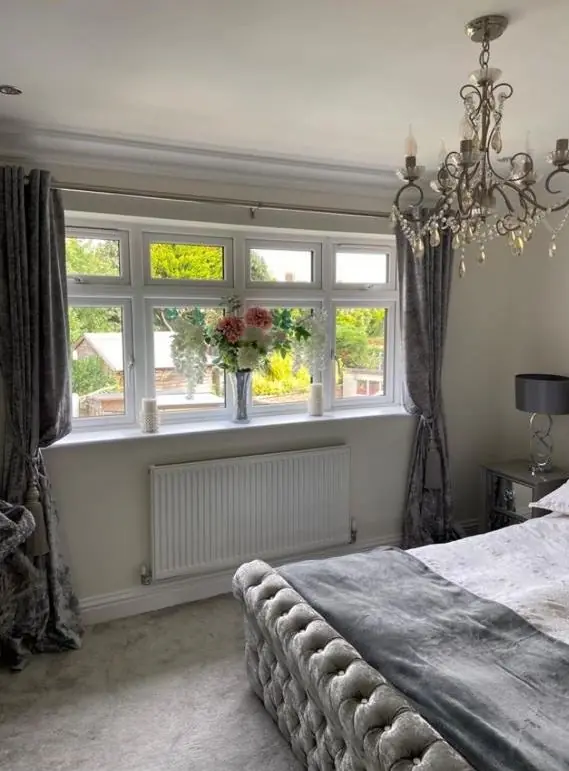
Dean talks colours through on the quote visit, ideally with sample pots held against your own ironstone or lias, and settles the final choice with you before the first coat on any Spratton job. The main colour and finish advice page explains how light direction affects a colour. For the village itself, see our Spratton area page, and for outside joinery, our exterior painting service.
Last updated by Dean, DH Painter & Decorator.