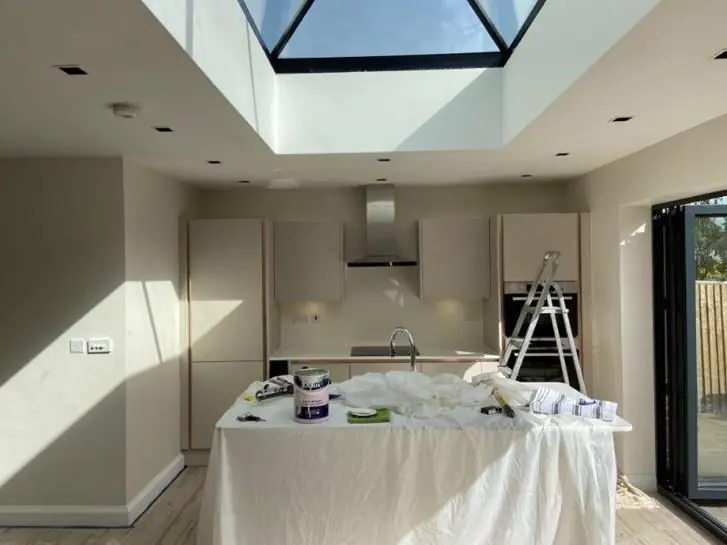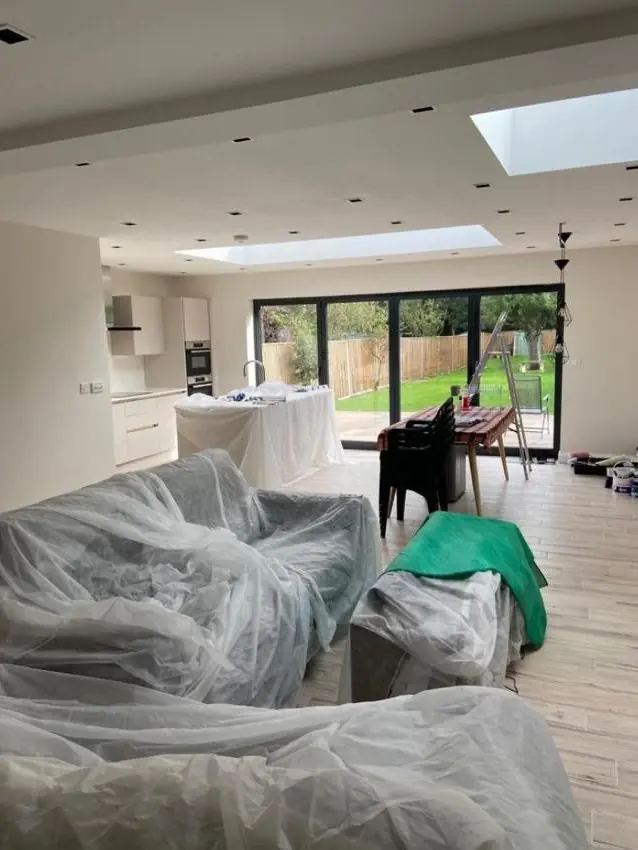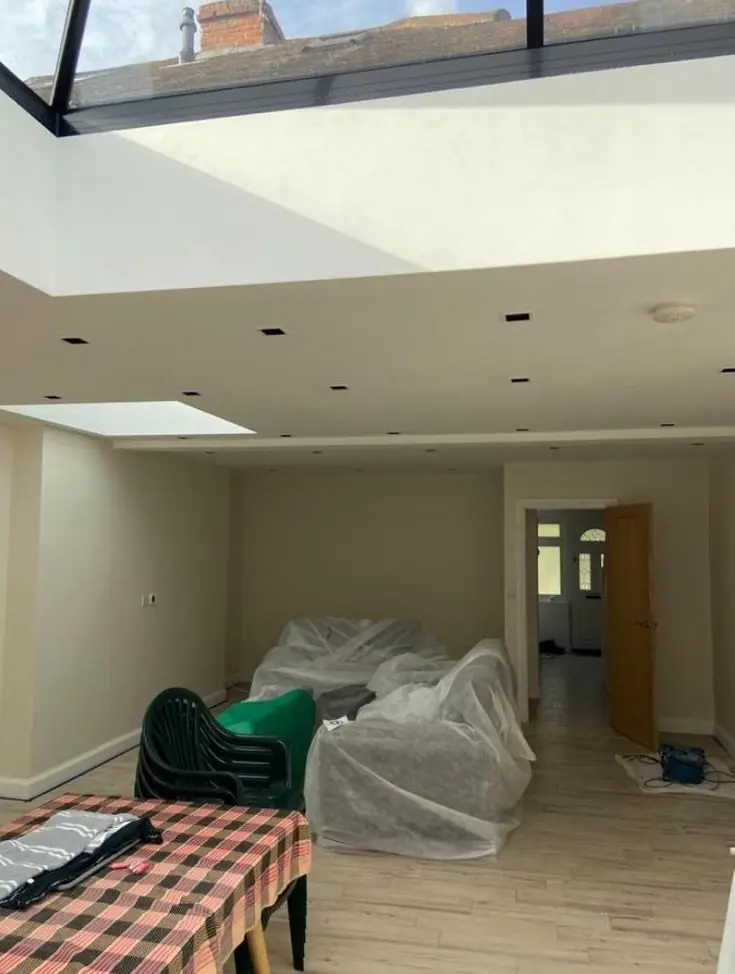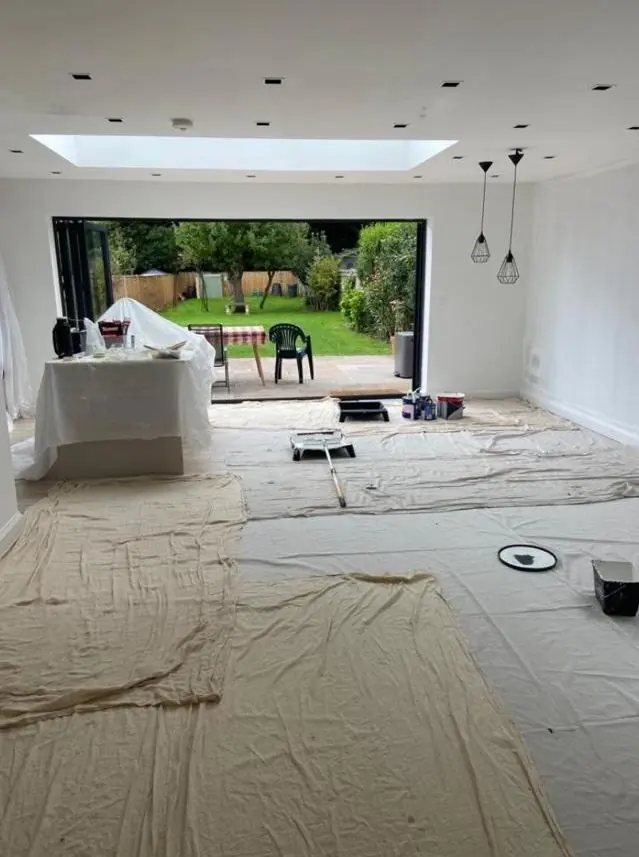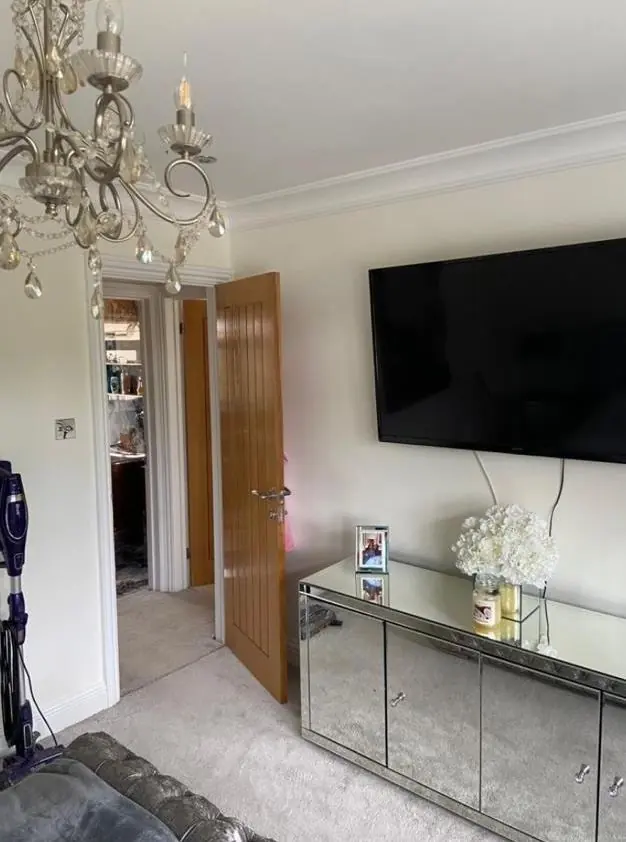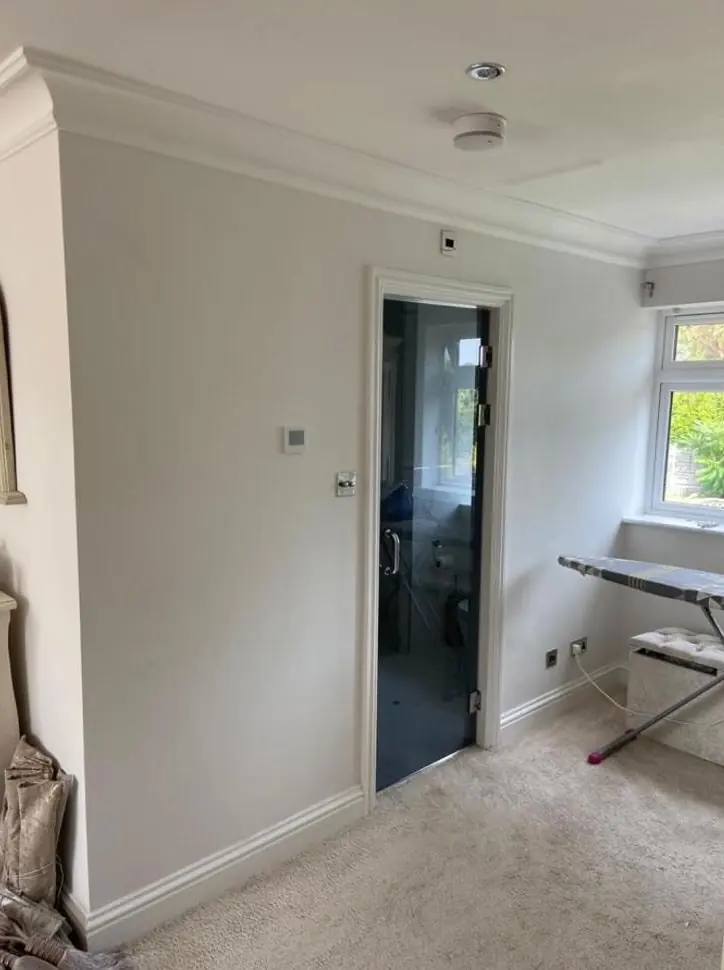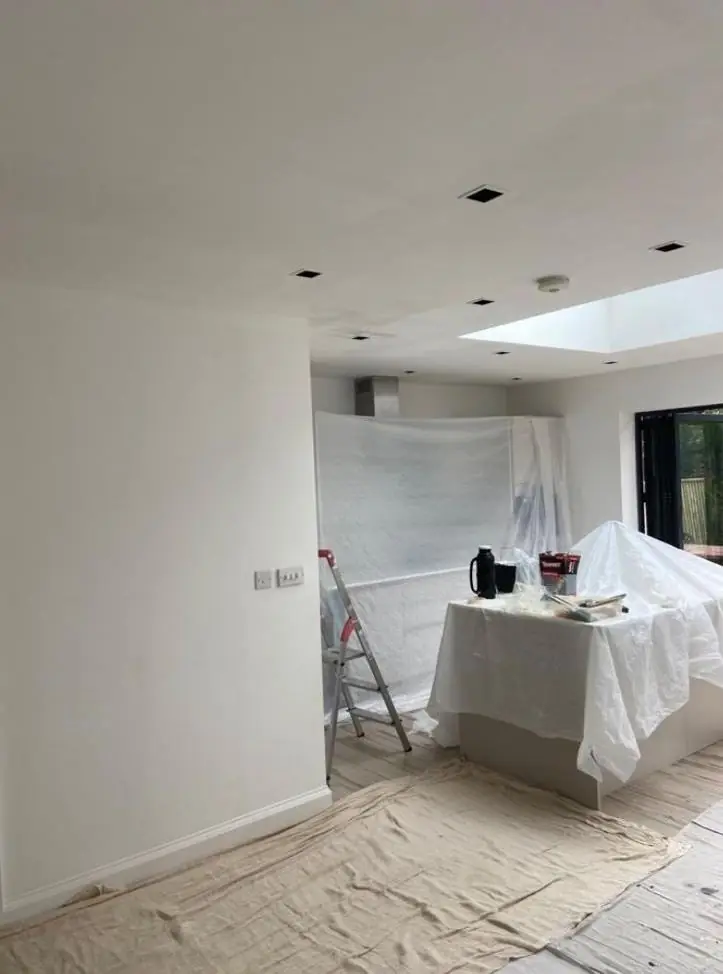
We decorate rental properties in Blisworth for landlords and letting agents, travelling 4.6 miles from our Northampton base. A let in the converted mill, an estate house and an old stone cottage each need a different specification, and we quote for the building in front of us.
What lets look like in Blisworth
We have not found published figures on Blisworth’s rental market, so we will not pretend to know how many lets there are. What the village’s buildings do tell us is that any rental property here is likely to be one of three quite different types: an apartment in the converted Victorian flour mill on the canal; a brick house on one of the 1960s-70s cul-de-sac estates or in the 1930s terraces; or one of the older limestone cottages in the historic core. Each needs its own approach between tenancies.
| Type of let | What to plan for | Sensible finish |
|---|---|---|
| Mill apartments by the canal | Damp canal-side air, communal access, leaseholder rules | Mould-resistant emulsion in kitchens and bathrooms, durable enamel on joinery |
| Estate and 1930s brick houses | Wear on hallways and doors, quick turnarounds | Scrubbable matt or eggshell walls, waterborne satin woodwork |
| Stone cottages in the conservation area | Lime plaster, low ceilings, possible listing | Breathable emulsion, like-for-like joinery colours |
Canal-side apartments and condensation
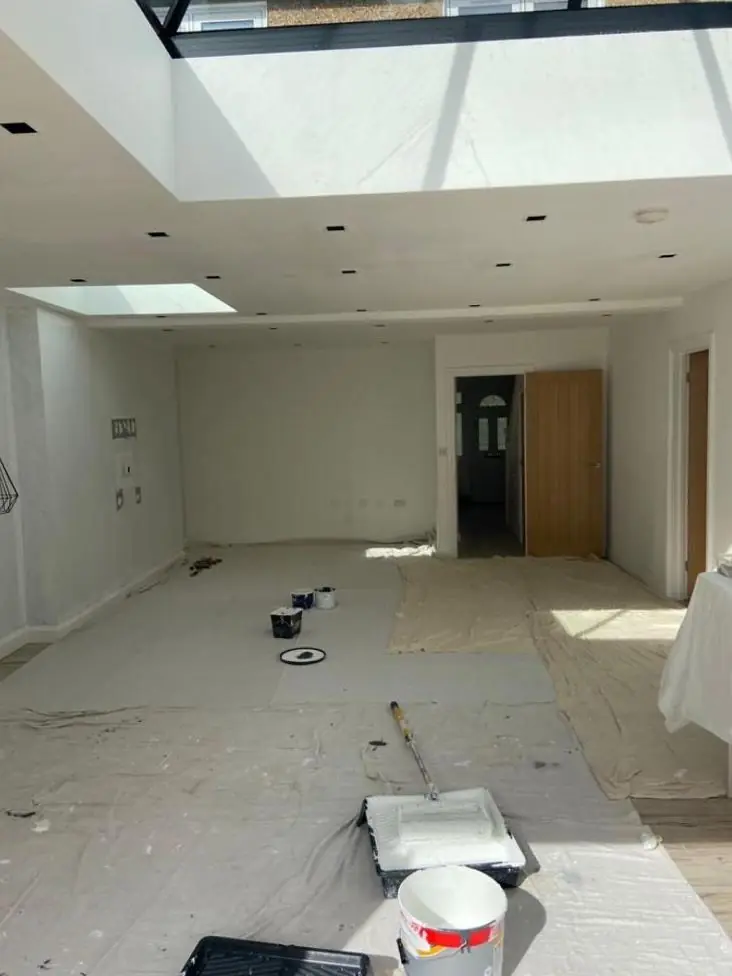
The mill and the brick canal buildings sit in the separate Grand Union Canal Conservation Area, with the water right alongside. In flats this close to the water, damp air adds to everyday condensation, and mould on cold corners and window reveals is the usual result. Before repainting, we kill any mould with a fungicidal wash, seal stains so they do not bleed through, and use anti-mould paint in wet rooms. External timber here needs thorough preparation too, though windows and shared exteriors in an apartment block are normally the management company’s responsibility rather than the individual landlord’s.
Cottage lets: keep it breathable
A lime-plastered stone cottage does not suit the wipe-clean vinyl paints that work well in a modern rental. Sealing thick limestone walls can push damp out through blistered patches, which then looks like tenant damage at the check-out inspection. We use breathable emulsions on the old walls and save the tougher coatings for joinery. If the cottage is listed, repainting existing finishes like for like avoids any question of consent. Eight houses, four on Stoke Road and four on Courteenhall Road, also carry Article 4 Directions, which bring external alterations under council control, so keep their front doors in the existing colour unless you have agreement.
Estate houses and 1930s terraces
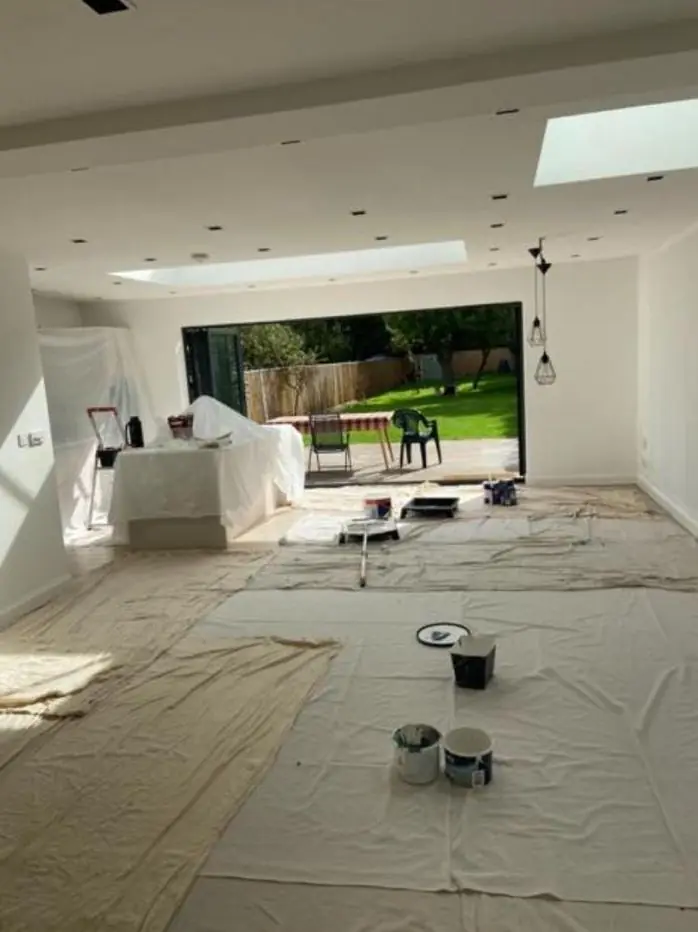
The 1930s brick houses and the later cul-de-sac homes are the simplest rentals to keep in order. Walls are flat enough for quick filling, and joinery is standard softwood. The wear tends to be concentrated in predictable places: hall walls at bag height, kitchen ceilings, the bathroom around the extractor and the edges of internal doors.
Fitting in with void periods
For estate houses with off-road parking, a straight repaint between tenants is simple to schedule. High Street cottages take more planning, as there is no rear access and parking on the street is limited. Tell us the key handover dates and whether the letting agent holds keys, and we will put together a written quote that lists each room and finish, so your inventory clerk can see exactly what was done. Our main landlord and letting agent page covers check-in preparation and working with agents in more detail. For budgeting, see the Northampton decorating cost guide, and the Blisworth area page for everything else we cover in the village.
Last updated by Dean, DH Painter & Decorator.