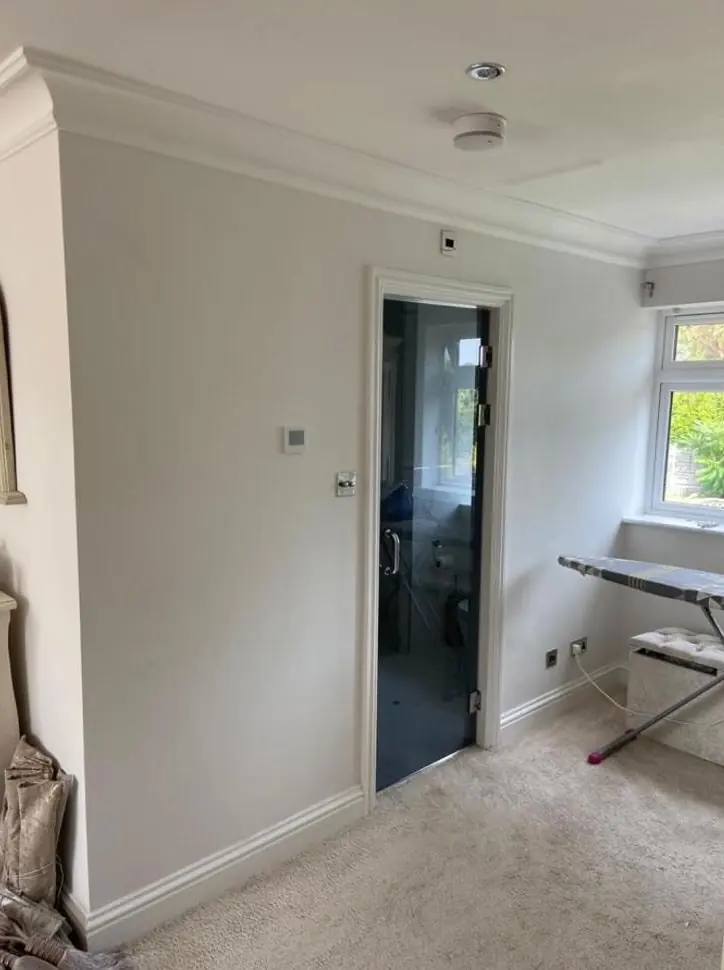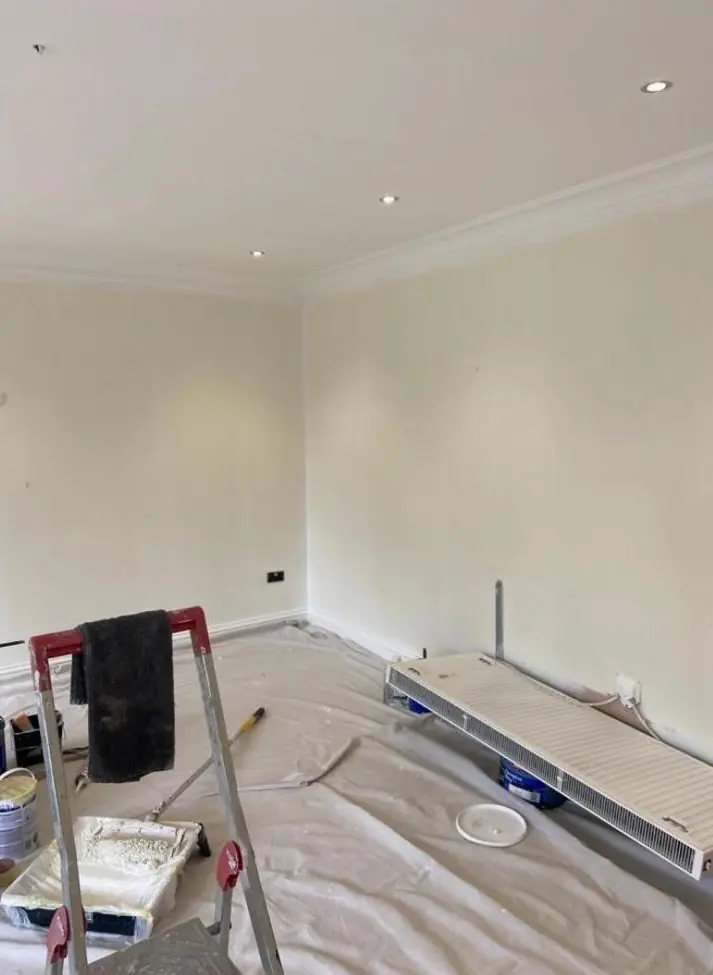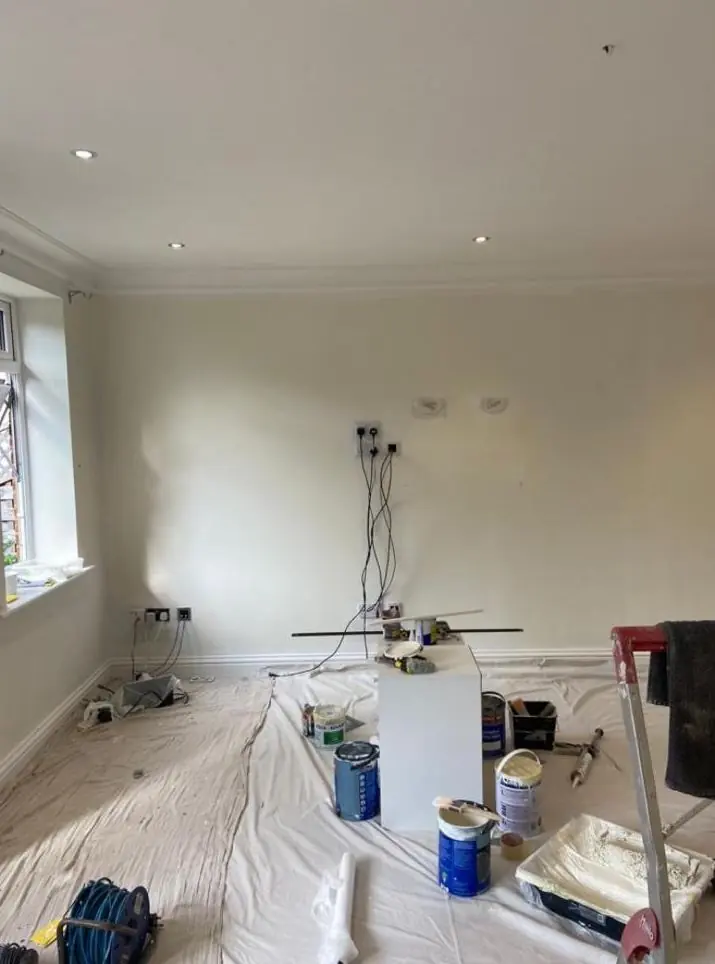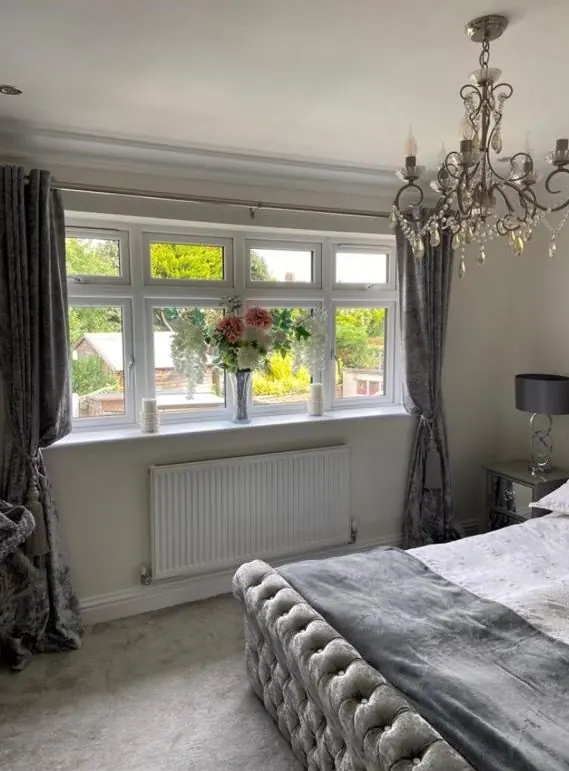
Dean decorates rental properties in Gayton for landlords and letting agents, from period limestone cottages in the conservation area to recent infill homes. The village is about 4.8 miles south-west of Northampton, so between-tenancy work is planned around van access, parking and the dates the property stands empty.
Lettings in a village of owner-occupiers
Gayton is not a rental hotspot. It has just over 200 households, and the village’s neighbourhood plan talks about owner demand for two- and three-bedroom homes and bungalows rather than a lettings market. No published source covers lettings in the village, so a rented home here is likely to be a one-off: a period cottage or one of the recent infill houses. A landlord with a single let is often managing it from a distance, so we keep the process simple: one visit to look and quote, a clear written list of what needs doing, and a finish that’s easy for you or your agent to maintain.
Renting out a period stone cottage
Period cottages in the old core have solid walls of coursed limestone rubble dressed with ironstone, and their walls behave differently from those in a modern home. Heavy vinyl emulsion on solid stone can hold moisture in, which shows up as flaking patches and mould spots that tenants report and that return after every repaint. For a let period cottage we would normally suggest:
- A breathable but durable matt on solid walls, so the finish lasts between tenancies rather than blistering.
- One consistent neutral throughout, so a future touch-up matches without repainting a whole room.
- Hard-wearing satin or eggshell on skirtings and doors, which take knocks when furniture is carried up narrow cottage stairs.
- Damp patches investigated, and the likely cause raised with you, before anything is painted over.
If the cottage is one of Gayton’s listed buildings, changing the finish on historic features can require listed building consent, which is worth knowing before a refurbishment between lets.
Turnarounds 4.8 miles from town
Gayton sits about 4.8 miles south-west of Northampton town centre and is served only by a volunteer-run minibus, so everything for the job arrives in the van. On a void-period repaint that means planning ahead: materials loaded in one trip, colours confirmed beforehand, and a parking spot agreed, because the village’s narrow roads and already-damaged verges don’t suit a van left half on the grass all day. Tell us when the outgoing tenant leaves and when the next one moves in, and Dean will say plainly whether the work fits that window or what could sensibly wait.
Older let cottages also carry more woodwork per room than a modern house, with panelled doors, deep window boards and beams, so a refresh there takes longer than the floor area suggests. Allow for that when you set the void period.
New infill homes on the rental market
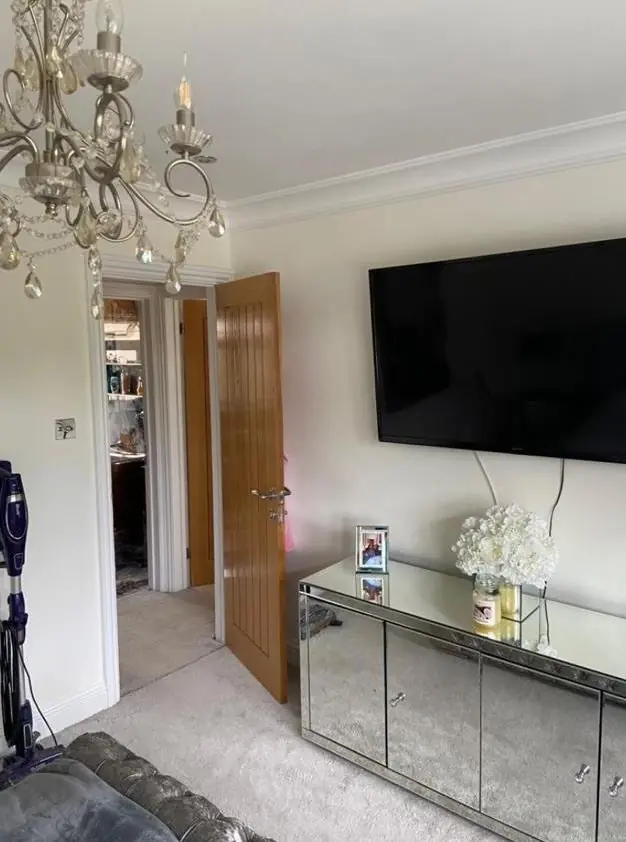
Where a recent infill or brownfield house in Gayton has been bought to let, the first repaint usually falls after the first tenancy. Hairline cracks along ceiling lines and around door frames are normal as a new building dries and settles in its first year or two, and they are filled and painted as part of a between-tenancy refresh. Builders often finish in contract matt, which marks easily, so switching to a wipeable emulsion at that point cuts the work at the next changeover.
Arranging the work
We can work with you directly or through your letting agent. How we handle rental properties in more detail is on the main landlord and letting agent decorating page, and the Gayton area page covers the village’s housing. For budgeting a void-period repaint, the cost guide sets out what moves the price. Call Dean on 07539 779 036 for a viewing and a free quote.
Last updated by Dean, DH Painter & Decorator.