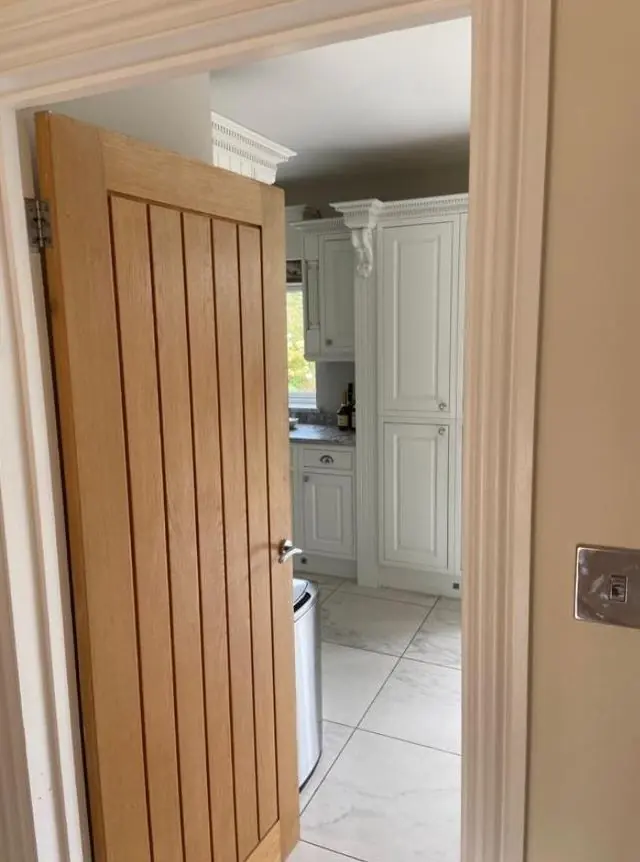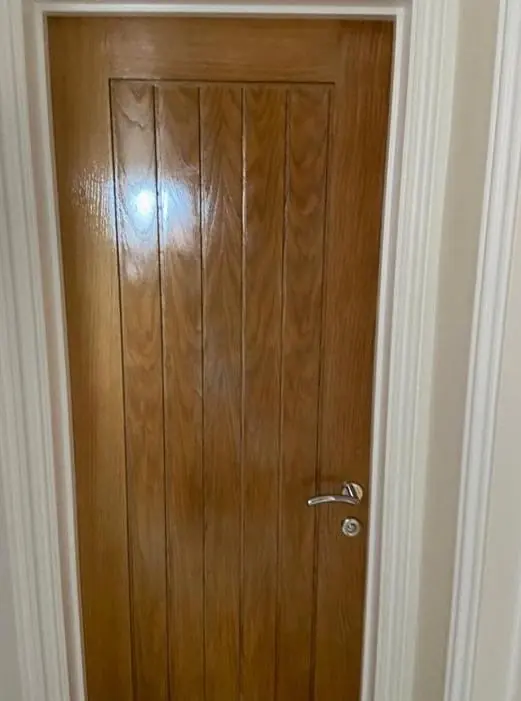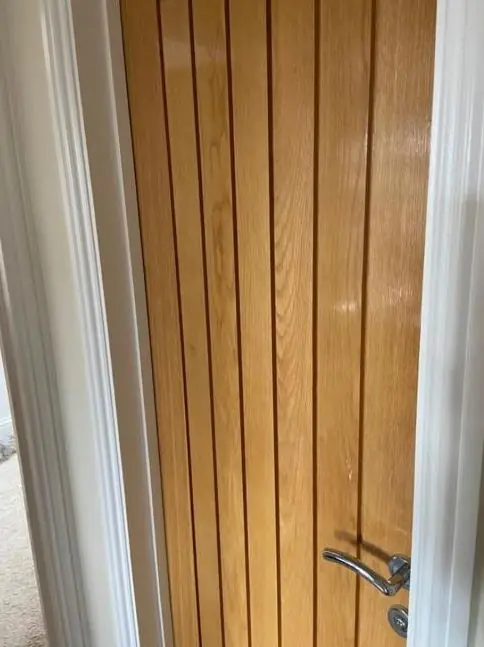
DH Painter & Decorator decorates hallways, stairs and landings in Dallington, NN5, about 1.3 miles north-west of Northampton town centre. Dean handles communal stairwells in converted and purpose-built flats, period staircases with turned balusters, and halls in the area's newer houses.
Communal stairwells in Dallington’s flats
In Dallington, two converted and purpose-built buildings have staircases shared by several households. Dallington Hall, the Georgian house built for Sir Joseph Jekyll in the 1720s, was converted into apartments in the early 21st century, and Dallington Court on Dallington Park Road is a block of flats. In both, the entrance hall, stairs and landings belong to everyone and are looked after by a freeholder or management company.
That shapes how the job runs:
- The quote, colour choice and start date are agreed with the managing agent or residents’ committee, not one flat owner.
- Residents still need to get in and out, so we work one flight or one landing at a time and keep a clear walking line on the treads.
- Wet paint signs go up at each level, and handrails are painted last thing in the day so they are touch-dry by morning.
- Notice goes out before work starts so nobody is surprised by dust sheets on the stairs.
In a listed building such as the hall, changes to historic fabric (removing panelling, altering balustrades, replacing doors) need listed building consent. Redecorating existing painted surfaces in sympathetic colours does not usually cause problems, but the management company should confirm before work is booked.
Panelled walls and twisted balusters at the hall
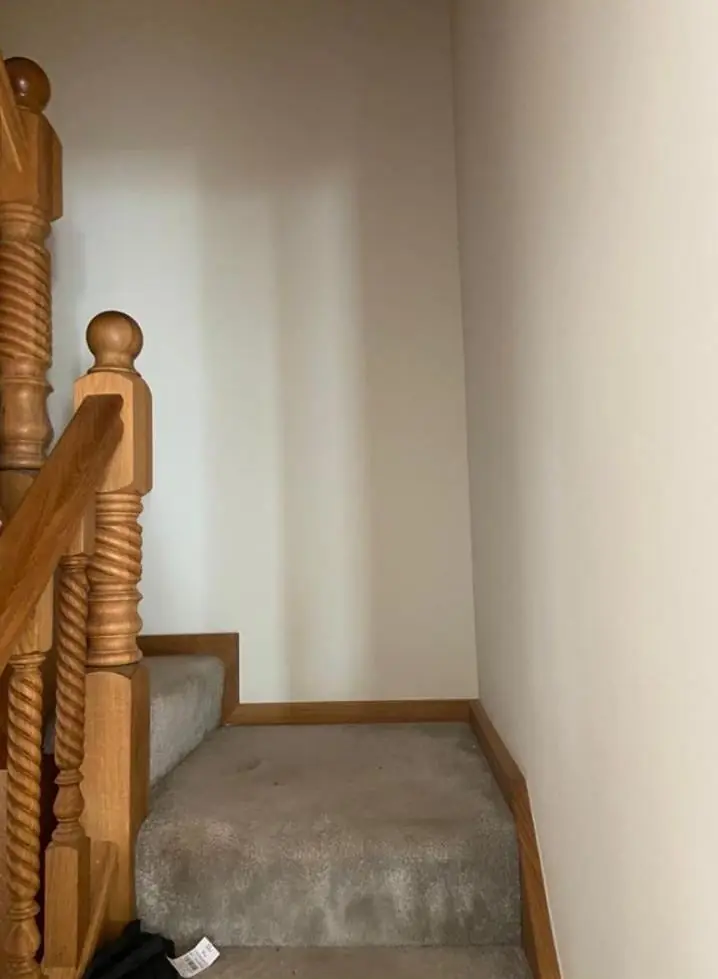
The interiors of the 1720s hall include panelled staircases with twisted balusters. That rules out quick spray work. Each baluster is cleaned, keyed and painted by brush, with paint worked into the turns and then laid off so it does not sag in the hollows. Panelled stair walls are painted in the same order as a panelled door, so the wet edges never overlap across a run of panels. Eggshell is the usual choice on historic panelling because it resists scuffs without showing every ripple the way high gloss does.
There is plenty of trade detail on stair ladders, platforms and finishes on our main hallway, stairs and landing decorating page.
Narrow cottage stairs off the green
The old houses around Dallington Green and upper Raynsford Road were built in the 17th and 18th centuries in sandstone, and cottage stairs of that age are often tall and narrow, sometimes with winders at the turn. Walls are seldom flat or plumb, and plaster can be old lime on stone. A few things follow from that:
- Staging is set up to fit a narrow, winding flight rather than a straight modern stairwell.
- Uneven plaster is filled and sanded where it is loose, but we don’t skim old lime walls flat; a breathable emulsion suits them better than a heavy vinyl.
- Lining paper can hide hairline cracking on the tall stair wall where the house moves.
If the cottage is listed, the same consent rule applies indoors: like-for-like redecoration is fine, alterations are not.
Newer halls at Dallington Grange and beyond
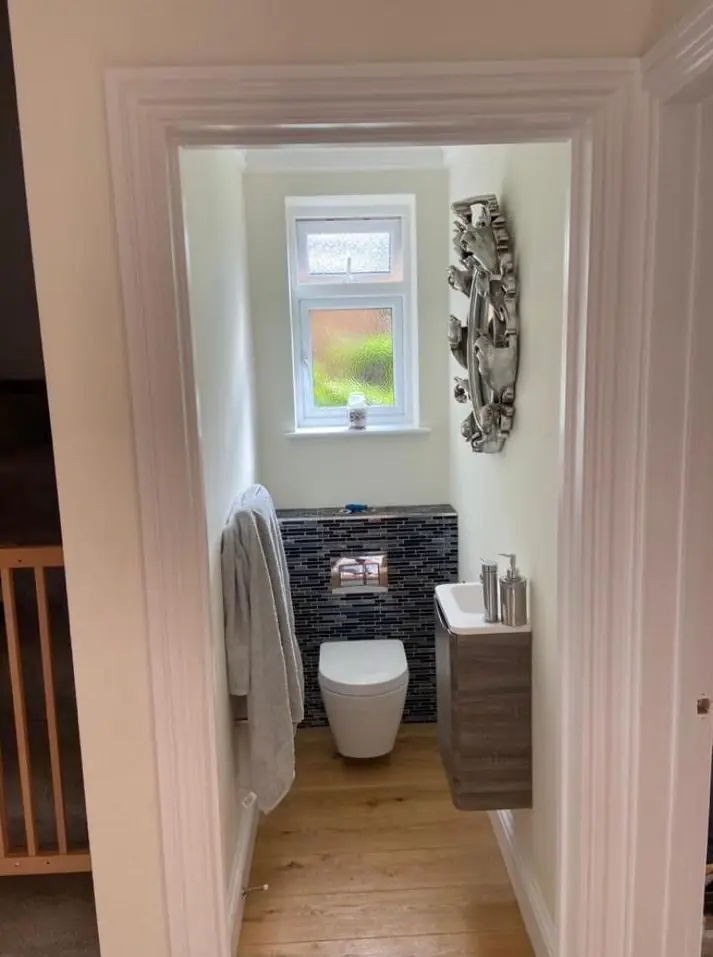
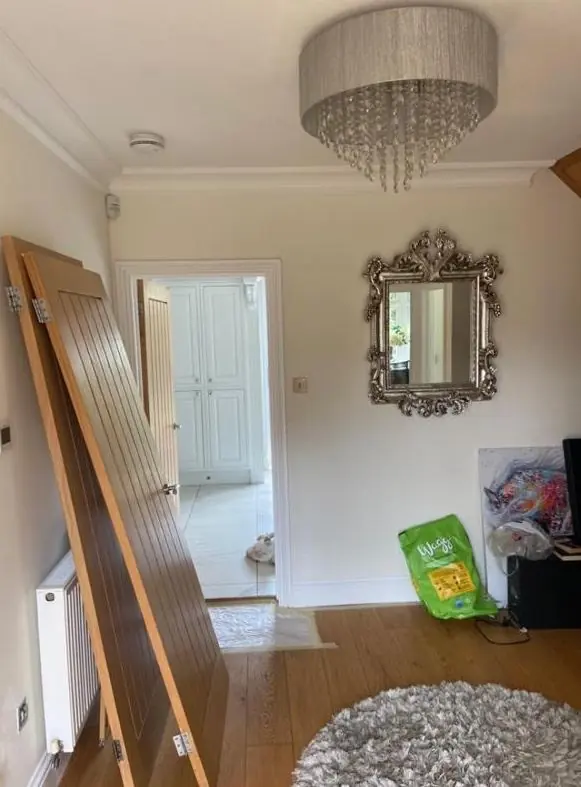
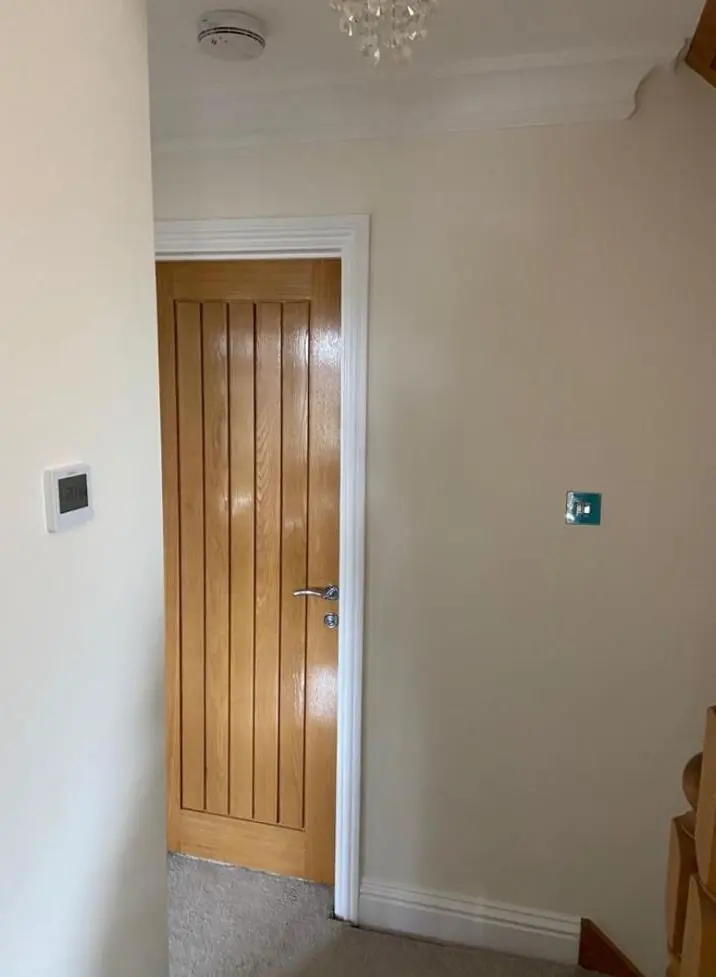
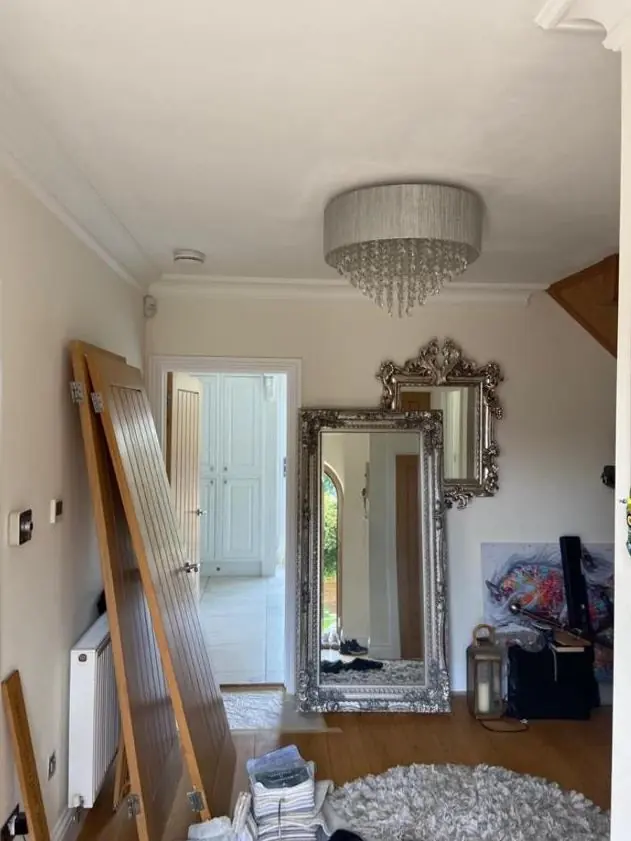
Away from the conservation area, the 20th-century semis and terraces off Harlestone Road and the new houses at Dallington Grange typically have straight flights and open landings with a tall drop over the stairwell. Here the issues are wear rather than heritage. Hallways take bikes, prams and school bags, so we usually suggest a scrubbable matt or durable emulsion on the lower walls and a satin finish on spindles and handrails. New-build halls also show plaster cracking at the corners and ceiling line after the first year, which is filled before any colour goes on.
For the wider picture of the area, see our Dallington area page, and if you are comparing decorators, our guide to choosing a painter and decorator covers what to ask.
Last updated by Dean, DH Painter & Decorator.