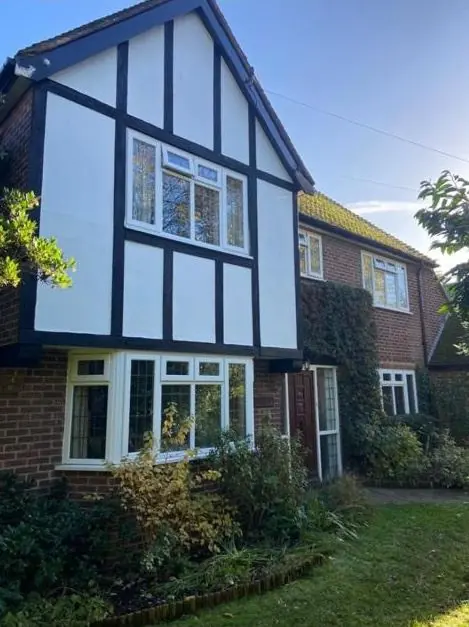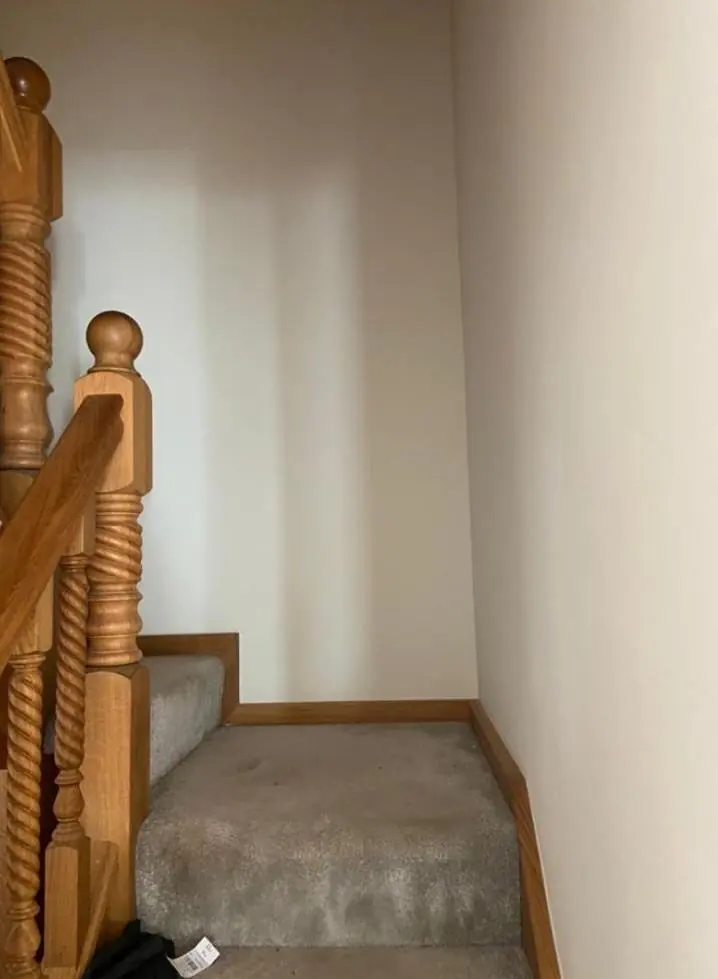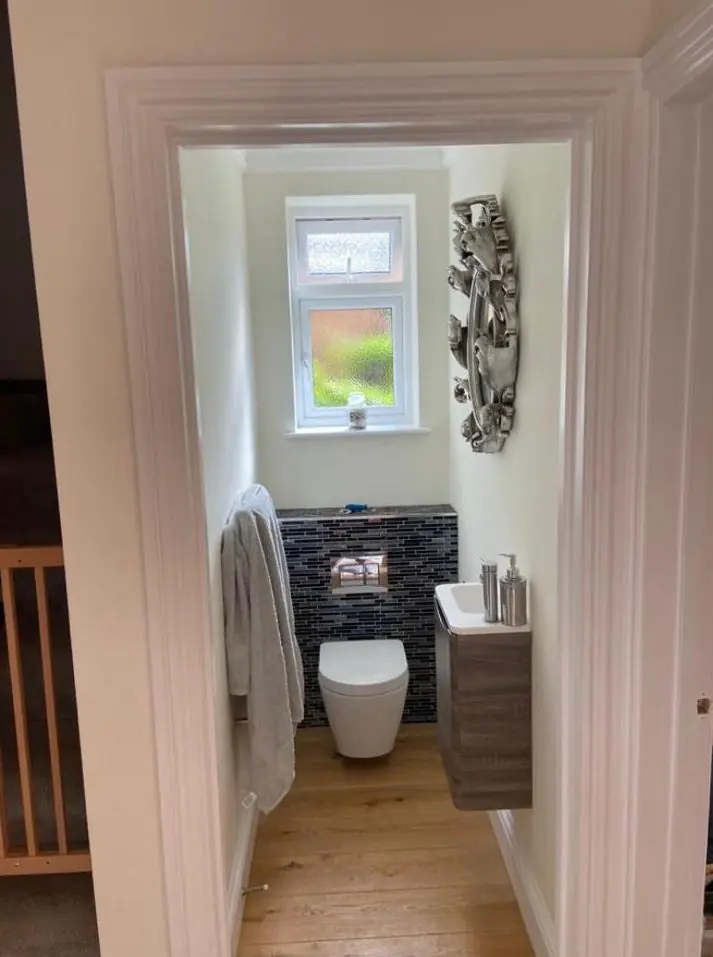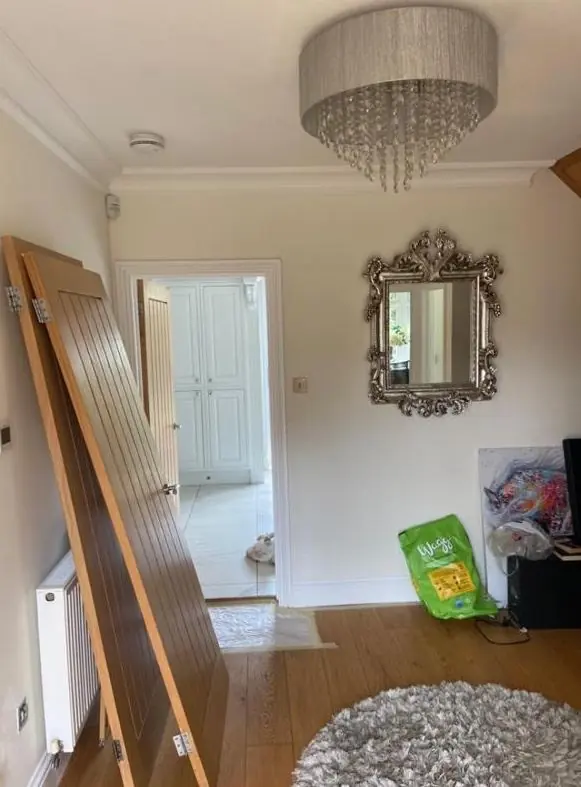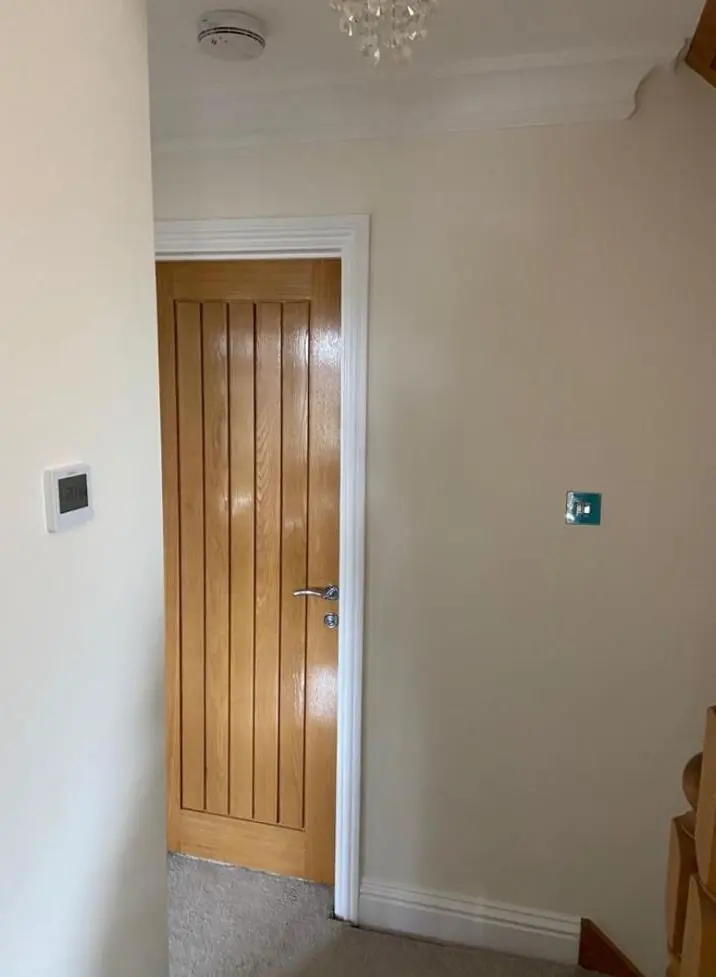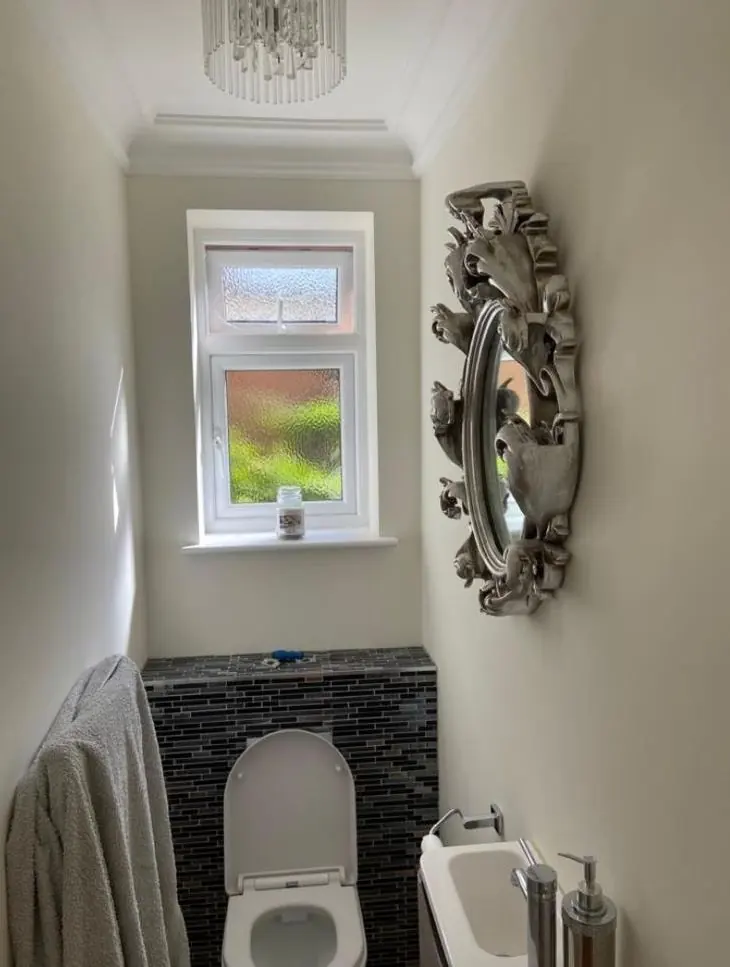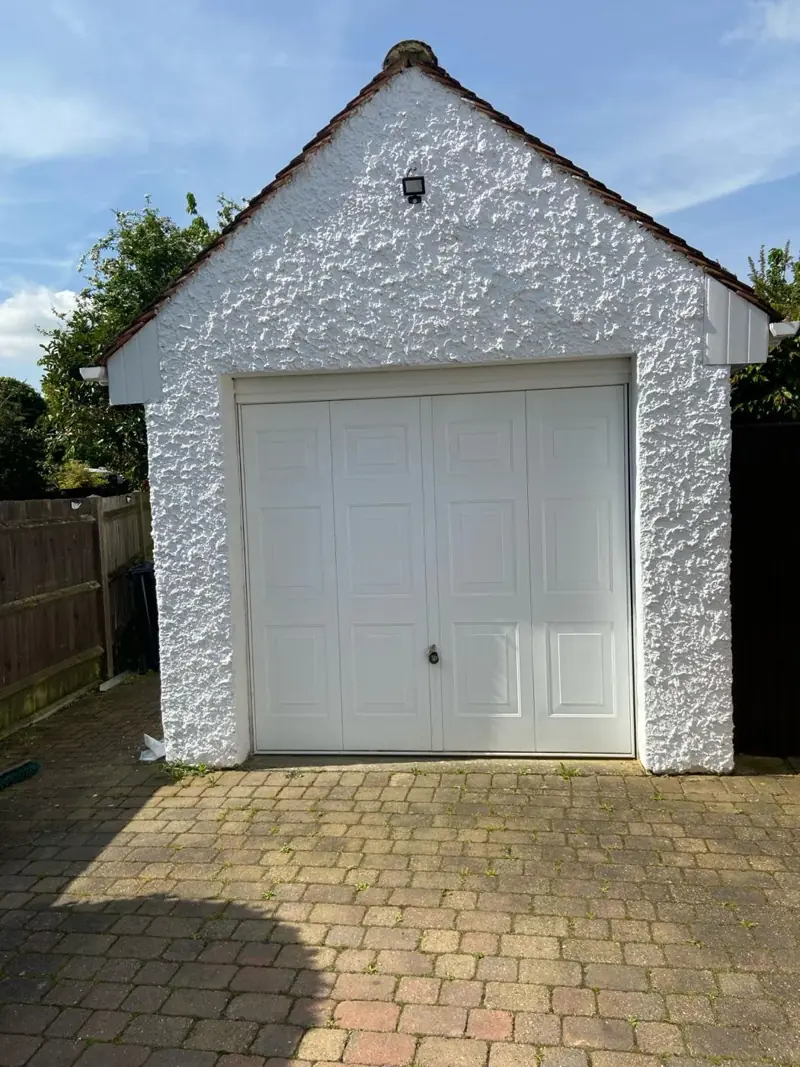
DH Painter & Decorator covers Dallington, a former village about 1.3 miles north-west of Northampton town centre in the NN5 postcode area. Dean has over 30 years in the trade and covers its listed sandstone cottages, Georgian apartments, 20th-century houses and new builds, with free written quotes.
A village core, a Georgian hall and a new estate
Dallington was a separate village and parish until 1932, when it was absorbed into Northampton and Duston. In 1931 it had just 360 residents. The old village still sits in the valley of the Dallington Brook, a tributary of the Nene, with its 17th and 18th century sandstone buildings gathered around Dallington Green, the 13th-century Church of St Mary the Virgin and upper Raynsford Road. Around that core came 20th-century suburban housing and parkland, and now, on the north-western edge beside Harlestone Firs, the large Dallington Grange development with around 3,000 homes planned.
For a painter and decorator, that mix is the point. There is no single “Dallington house”. Preparation, products and paperwork change depending on which part of the area you are in, so this page sets out what each part needs.
The conservation area round the green
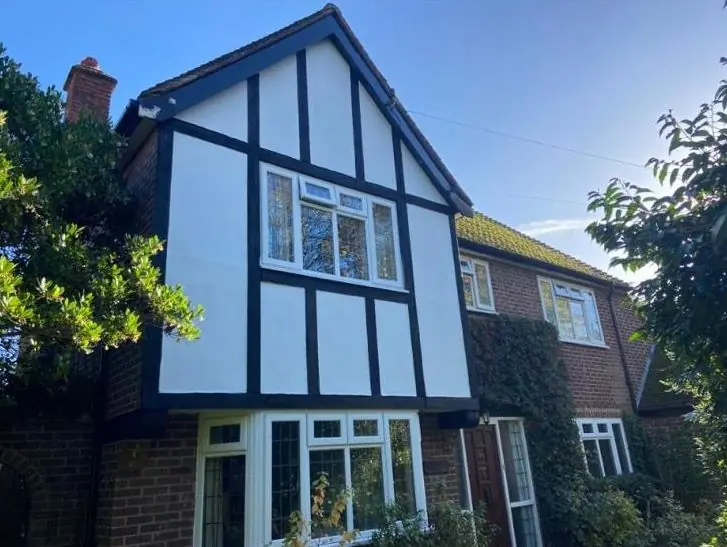
The Dallington Conservation Area was designated in 1970 and has since been extended to take in the parkland by Dallington Ponds. It covers about 19.8 hectares, including the green, the church group, upper Raynsford Road, Brook Lane, Dallington Hall and the parkland by Dallington Ponds, and holds 15 listed buildings: two Grade II* and thirteen Grade II.
The older buildings are sandstone coursed rubble and ashlar, roofed in thatch, Welsh slate or plain tile, with red brick stacks. Windows are often leaded-light metal or timber casements, sometimes between stone mullions with hood moulds. Among the listed buildings are the Raynsford Almshouses of 1673, Brookside and The Old Forge on the green, Primrose Cottage, the house known as Dallington Weir with its box dormers and bracketed door hood, and The Wheatsheaf Inn with its thatched roof and leaded casements.
What that means in practice:
- Do not paint the stone. Bare sandstone on these buildings should not be coated in plastic masonry paint. Any treatment needs to be breathable and agreed with the conservation officer.
- Keep repaints like-for-like. Listed buildings need listed building consent for changes to external finishes and colours.
- Treat leaded casements gently. Metal frames get careful hand preparation and a metal primer without disturbing the lead cames that hold the glass.
- No heat near thatch. Old paint is removed chemically or mechanically, never with a heat gun or blowlamp, close to a thatched roof.
Most exterior work in the old village is therefore joinery: doors, casements, door hoods and dormers. Our doors, skirtings and woodwork service covers that kind of detailed timber work.
Dallington Hall and the converted buildings
Dallington Hall was built in 1720-30 for Sir Joseph Jekyll, Master of the Rolls. Lord Spencer gave it to hospital trustees in 1919 as the Margaret Spencer Home of Rest; it later became a convalescent home and was converted to apartments in the early 21st century. It is Grade II* listed, with its former stables and barn listed Grade II.
The hall has an ashlar front, a hipped roof behind a parapet and cornice, sash windows with glazing bars in eared architraves, and a pedimented eight-panel entrance door. Inside, the panelled staircase has twisted balusters. Decorating here means traditional brushwork and careful joinery preparation. Because it is a multi-occupancy listed building, communal areas and exterior work go through the freeholder or management company. The same applies to the flats at Dallington Court on Dallington Park Road. Our hallway, stairs and landing service explains how we handle tall stairwells.
On Brook Lane, the Old Dairy Farm buildings have been converted to houses in brownstone rubble with red tiling, another case where the walls should be left to breathe.
Bungalows, suburban houses and rentals
Outside the old core, Dallington is mostly 20th-century housing. Property sales in the NN5 7 sector are mainly terraced and semi-detached houses, with some flats and detached homes, around Harlestone Road and Dallington Park Road. Rendered 20th-century houses outside the conservation area are where masonry paint does belong, as long as the render is sound.
Northampton Partnership Homes lets social-rent bungalows for over-60s here: eight on Bants Lane, built in 1966, and twelve on Brook Lane, built in 1988. Their low single-storey eaves make fascias and soffits reachable without scaffolding, though work is arranged through the landlord. Apartments in the hall and flats at Dallington Court make up the rest of the local rental stock, and repaints between tenancies are the usual job there. Our landlord and letting agent decorating page covers how that works.
Dallington Grange new builds
Dallington Grange is a separate 2020s extension, with two- to five-bedroom houses by Persimmon, Charles Church and other builders. Homes there arrive with fresh plaster and builder’s emulsion. Before any colour goes on, bare or recently plastered walls need a mist coat so the paint grips, and early settlement cracks should be filled first. Factory-primed or thinly glossed skirtings and doors are commonly upgraded at the same time. Our new plaster and extension painting page goes into the detail.
Trees, the brook and the weather
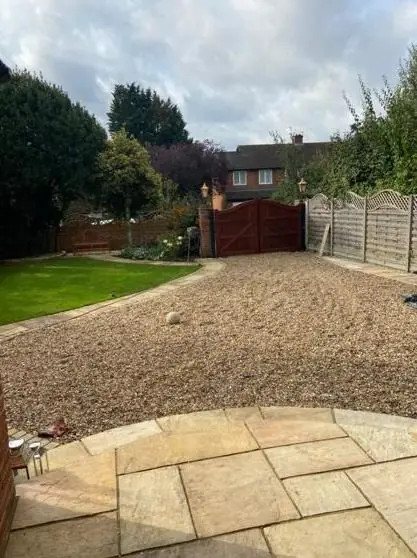
The old village is green and low-lying. Mature trees stand around the greens and along the brook, Dallington Park covers 23 acres with large trees and shrubberies, and there are ponds and parkland around the hall. White post-and-rail fences line the brook near the green.
All that is pleasant to live with and hard on paintwork. Valley mornings are damp, so exterior jobs need settled, dry weather windows. Sap, leaf litter and shade mean woodwork and fences dry slowly and grow green algae, so washing down and a fungicidal wash come before any coating. Garden fences under trees and by the brook need staining regularly to resist rot. And tree work in the conservation area needs six weeks’ notice to the council, which matters if branches overhang the area we need to reach. For outside work generally, see our exterior painting service.
Commercial premises
There is no shopping parade in Dallington. The commercial buildings are few: the listed Wheatsheaf pub at 126 Dallington Road, the Spencer Club in a listed 17th-century building, and Harlestone Road Surgery. Work on these has to fit around opening hours and, on the listed ones, conservation requirements on colour and method.
Getting a quote
We cover Dallington from our Northampton base, about 1.3 miles north-west of the town centre, from the old village by the church out to Dallington Grange. Dean visits, looks at the job and gives a written quote at no charge. If you want an idea of how prices are put together first, read our painter and decorator cost guide.
Last updated by Dean, DH Painter & Decorator.