We paint shopfronts and business frontages in Harpole, about 3.9 miles west of Northampton town centre. Business premises in the village are few, so each one is quoted on its own merits by Dean, with work planned around opening hours and any conservation-area or listed-building rules.
A village with only a few business frontages
Harpole has a short list of businesses compared with Northampton itself. On the parish council’s business page you will find a footwear shop (Magnus Shoes), the Turnpike Beefeater and the village’s community-run pub, the Live & Let Live. Beyond those, the main concentration of commercial buildings is the logistics site at the parish’s south-western edge. In the past the village had much more trade. A co-operative set up in 1876 had a butchery, bakery, general stores, chemist, millinery and coal yard within ten years. Today the listed shop window at 23 High Street and the former Bull, now a house, are reminders of that trade, and shopfront work here is occasional, with each job planned from scratch.
The listed shop window on High Street
At 23 High Street, one of a mid-18th-century pair of listed ironstone houses, a 20th-century shop window survives in the front. A frontage like that brings together the rules for listed buildings and for shopfronts. The ironstone around it stays bare, the timber window frame, glazing bars and stall are painted, and a change of colour or detail can need listed building consent from West Northamptonshire Council. For anyone with a former shop front in the conservation area, we recommend keeping close to the existing colour and checking with the council before any change.
The preparation on old shop windows is slow. Large panes mean long runs of putty or beading, and the bottom rail and sill take the brunt of the weather and of feet. We cut back any soft timber, fill it, and prime bare wood before two top coats, keeping a clean line where paint meets stone.
Because High Street is an old village lane lined with stone boundary walls, a ladder or small tower in front of a shop window has to leave room for people walking past. We cordon the working area, keep the footprint small and clear it at the end of each day. Wet glazing bars and a fresh sill are also easy to brush against, so the window is signed until the paint is hard enough to touch, and we pick drier days because the timber on old shop windows soaks up moisture quickly.
Pub and restaurant exteriors
Hospitality frontages here are a mix of signboards, window frames, doors, painted render or brick, and the bits customers touch most: entrance doors, handrails and smoking-area furniture. For a pub or restaurant we plan the work to suit trading:
- early starts on the entrance and front doors, so they are dry before opening,
- quiet days of the week for the larger elevations,
- a clear walkway and wet-paint signs for anyone coming in,
- colour matched to existing branding or signage where needed.
We work in daylight hours only, so for a business that is open all day, the job is broken into sections and the entrance is always kept usable.
Trade counters and units at the industrial park
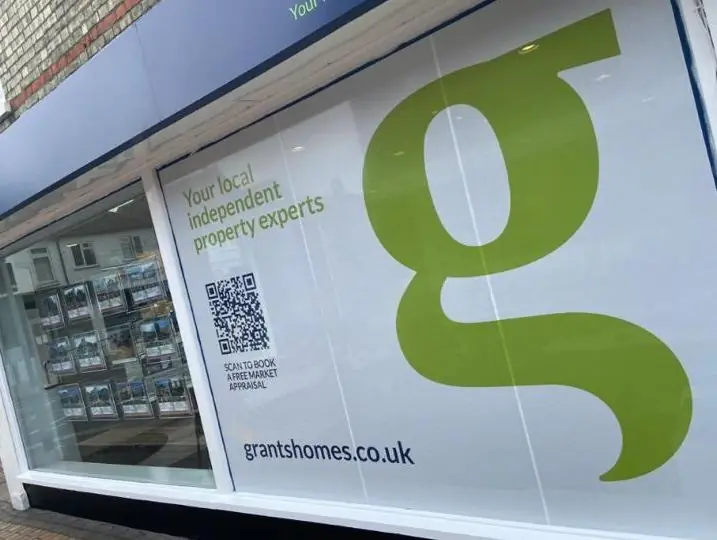
On the logistics site, a “frontage” is more likely to be a reception entrance, a trade counter, steel doors or a fascia band carrying a name. These often have galvanised or factory-coated metal, so the primer has to suit the surface. We work around deliveries and operating hours, and where the site has its own standards for colours or signage, we follow them.
Our main shopfront painting service page explains a full repaint step by step. Larger interiors and site work are covered by our commercial painting service, and for homes and other services see the Harpole area page.
Last updated by Dean, DH Painter & Decorator.