Dean offers colour and finish advice in Harpole, about 3.9 miles west of Northampton town centre. For houses in the conservation area that means colours chosen against ironstone and slate, with listed-building checks; for the newer estates it means room-by-room schemes and harder-wearing finishes.
Starting from the stone outside
In Harpole’s conservation area the strongest colour on most houses is one you can’t change: the warm orange-brown of coursed squared ironstone, often with brick chimney stacks and a roof of Welsh slate, thatch or tile. Any paint colour for windows, doors or a painted porch has to sit with that stone, so colour advice here starts outside, in daylight, looking at the walls and roof together.
Ironstone varies from house to house and darkens when wet. Colours that look neutral on a chart can turn grey and cold against it, while off-whites with a little warmth, soft greens, stone shades and very dark joinery colours usually hold together. The church of All Saints shows ironstone laid with limestone rubble, and wherever paler stone is mixed in, the palette shifts again. We bring physical samples and paint test patches where you’ll actually see them, not just swatches on a screen.
Listed houses and the council
The conservation area was designated in 1991, amended in 2012, and has 24 listed buildings. On a listed house, changing the colour of external joinery or of a painted wall can need listed building consent, so it is worth checking with West Northamptonshire Council before committing. Where the existing scheme is historic, as with the painted brick of Harpole Hall or the stucco over stone at the Old Rectory, matching what is already there is normally the safe course. We can match the current colour and note the reference so the next recoat is straightforward.
Unlisted houses in the conservation area have more freedom, though the same test still applies: does the colour sit quietly with the stone and the houses either side?
Victorian brick and the old workshop extensions
The brick houses built from the 1850s onwards, under Welsh slate roofs, can carry stronger colours on doors and windows than the stone cottages. Red brick takes a deep green, a dark blue or a black door well. Many of these houses were extended for shoe-closing workshops, so one property can have brick, later render and painted timber side by side. Advice here is often about tying those parts together, with one trim colour that works across all of them.
Moving on from builder magnolia
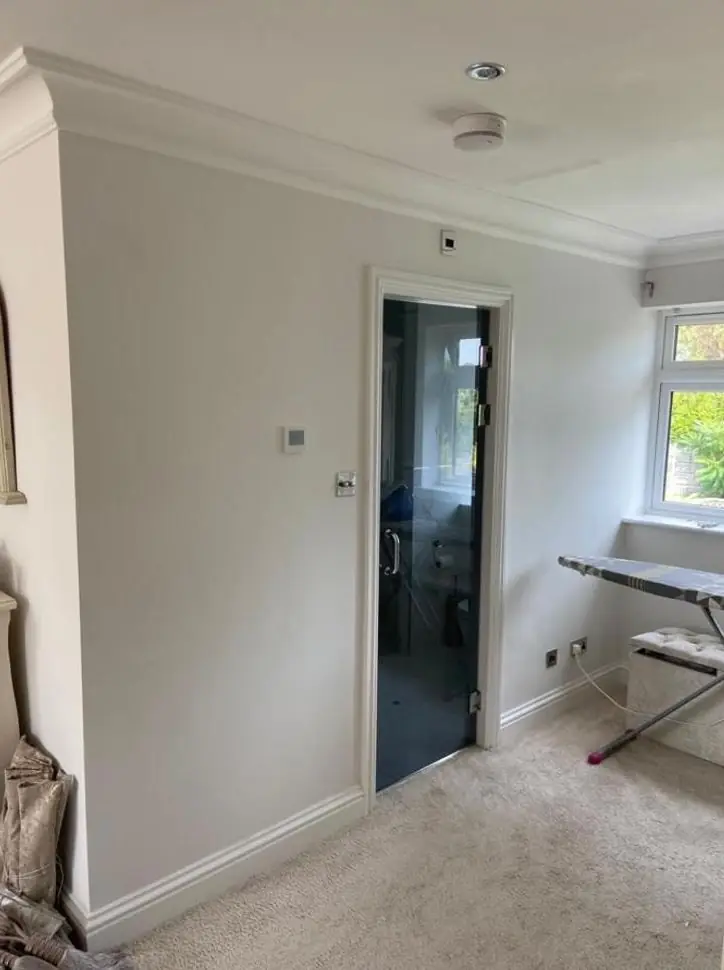
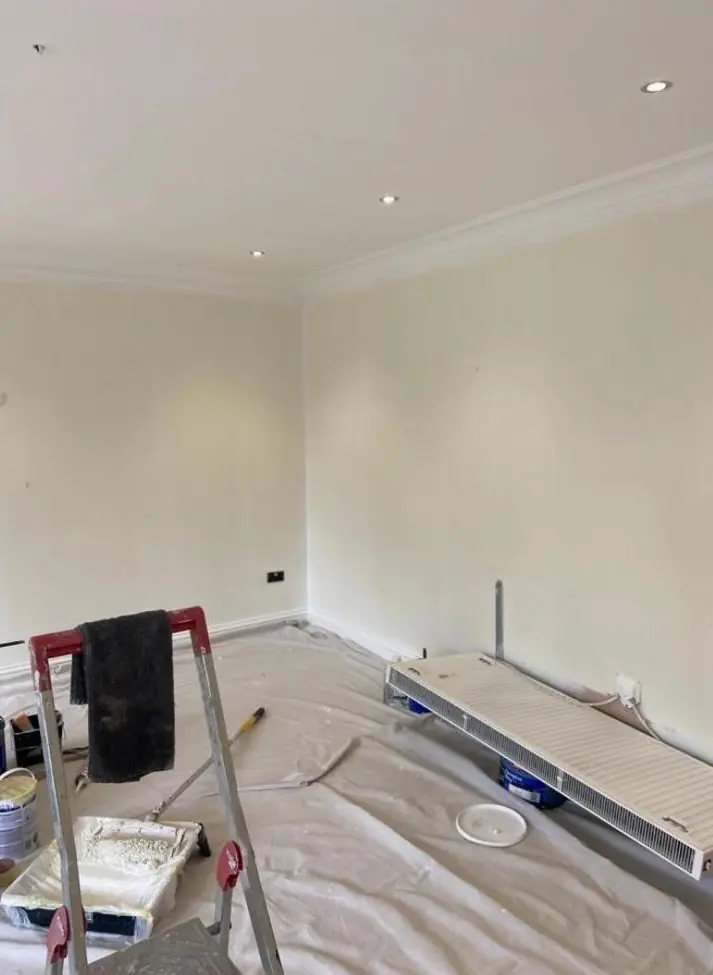
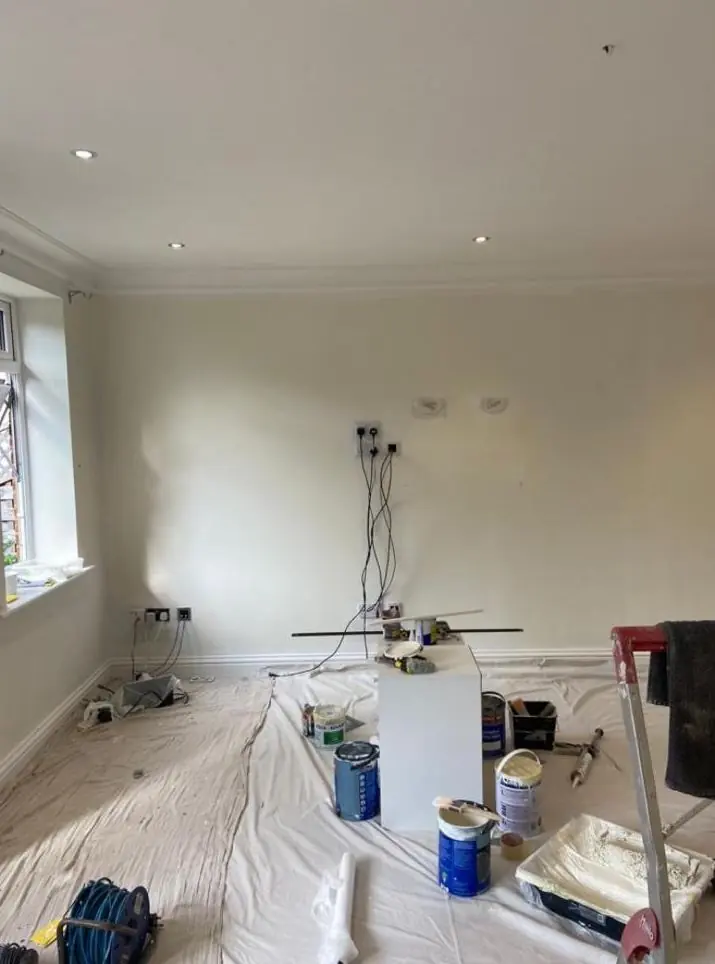
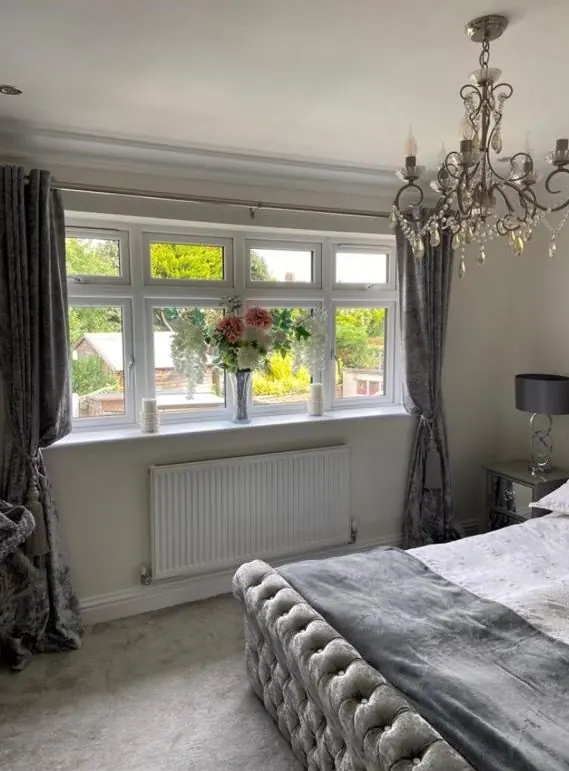
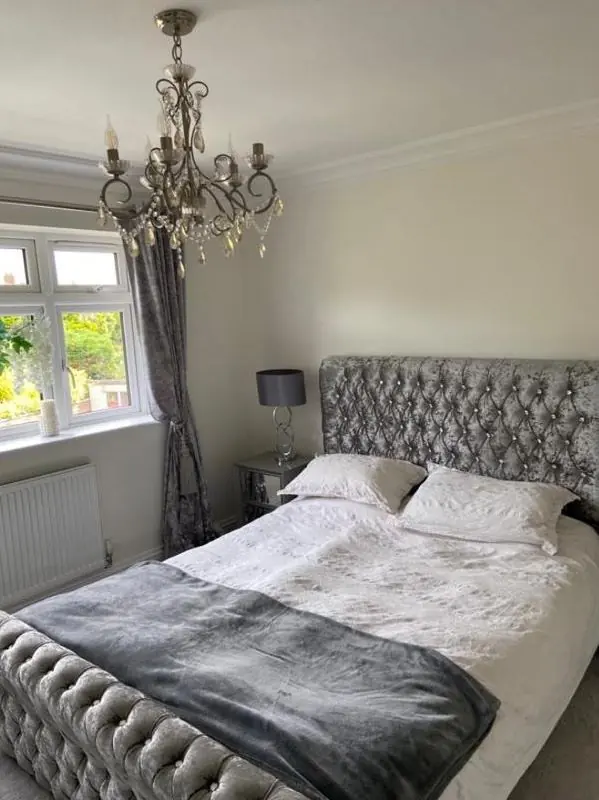
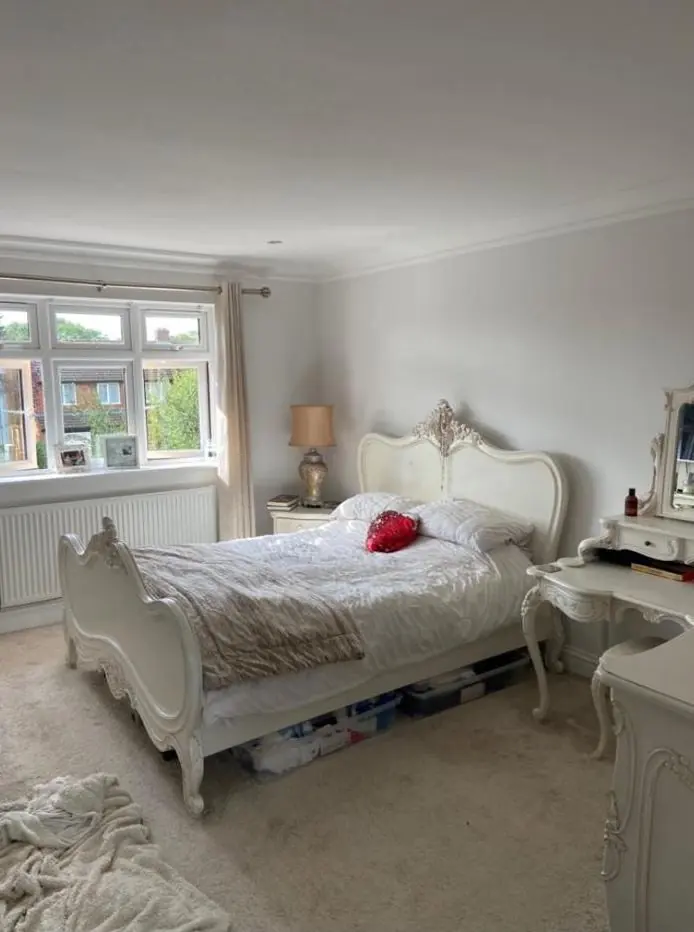
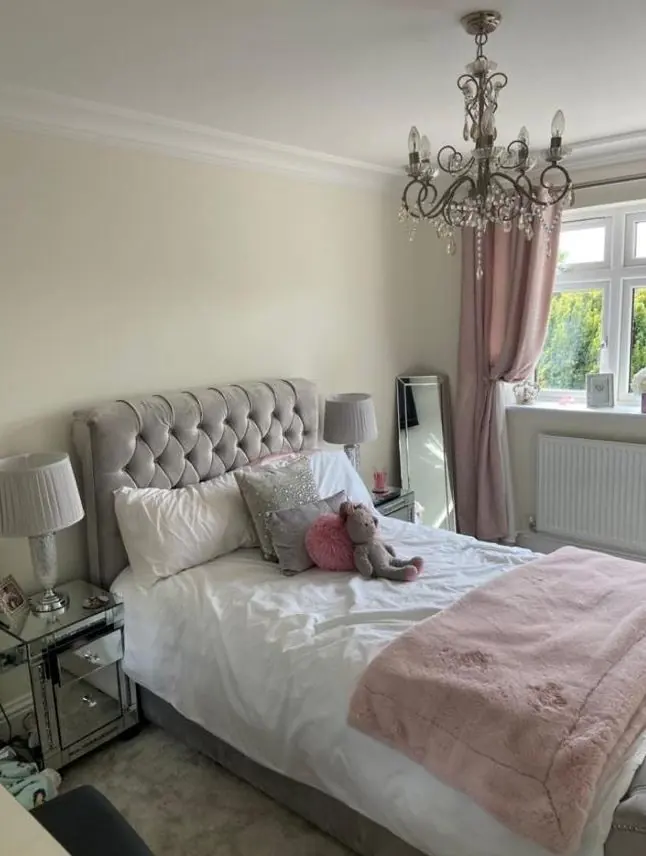
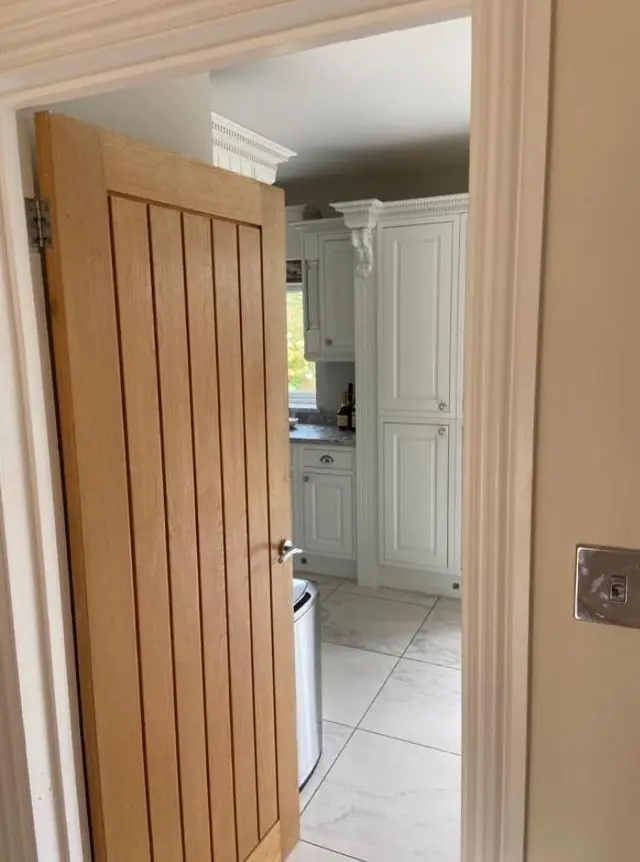
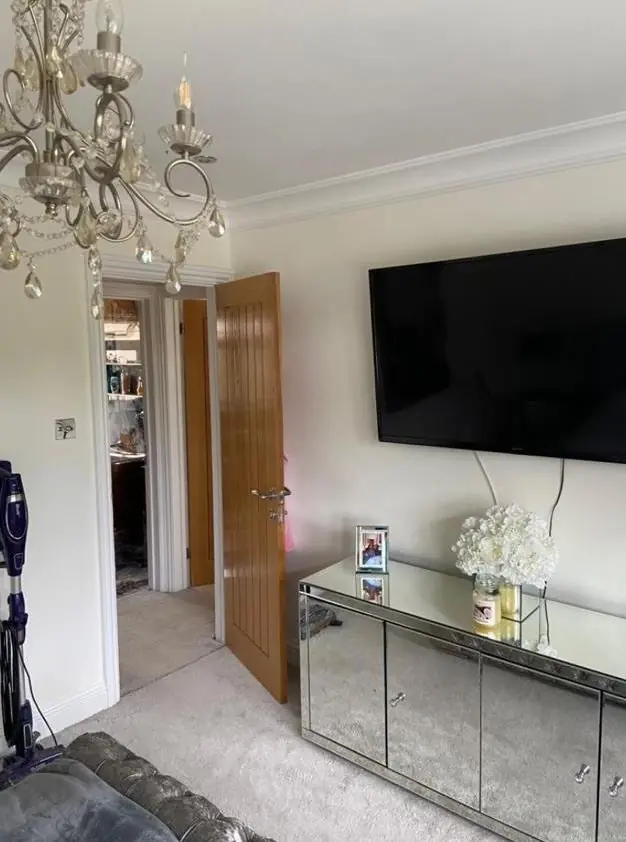
New homes at Harlestone Park, Norwood Quarter and Western Gate are typically handed over in a single pale emulsion throughout. With the stone village a short walk away, some owners want to borrow its warmer palette indoors rather than default to grey. We look at which way each room faces, the flooring and kitchen units already in place, and how rooms open onto each other. Open-plan ground floors need colours that relate; a north-facing bedroom wants a warmer white than a south-facing one.
Finish matters as much as colour. We’ll suggest matt for living spaces, a scrubbable emulsion where children and pets mark walls, and eggshell or satin for joinery.
What we look at on a Harpole visit
- On a stone house: the ironstone itself, the slate, thatch or tile above it, and the colour of neighbouring joinery along the lane
- On a listed house: what colour the windows and doors are now, so a like-for-like match can be recorded before anything changes
- On a brick house with a workshop extension: one trim colour that ties the brick, render and timber together
- On a new home at Harlestone Park, Norwood Quarter or Western Gate: room aspect, flooring and the kitchen units you’re keeping
More on how we approach colour is on our main colour and finish advice page. You can also read about the wider village on our Harpole area page.
Last updated by Dean, DH Painter & Decorator.