Painter & decorator covering Northampton and surrounding areas

Decorative Finishes in Harpole

Hand-picked plasterwork, limewash and limewash-effect walls, graining and feature finishes, matched to Harpole's Georgian houses, stone cottages and new homes.

  • Over 30 years experience
  • Free quotes & advice
  • Fully insured & trained
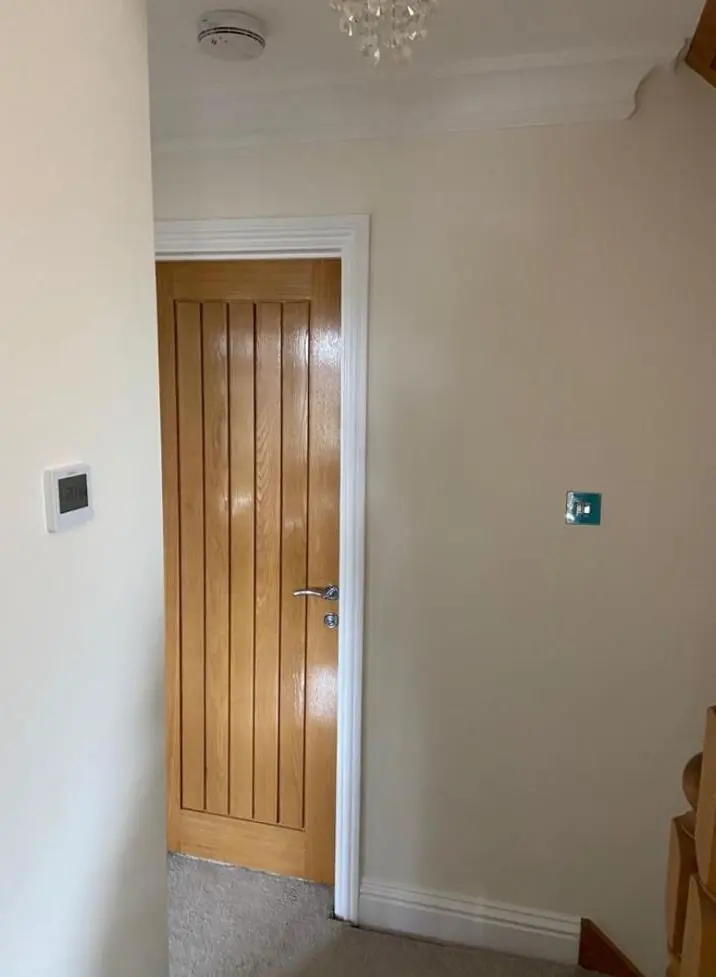
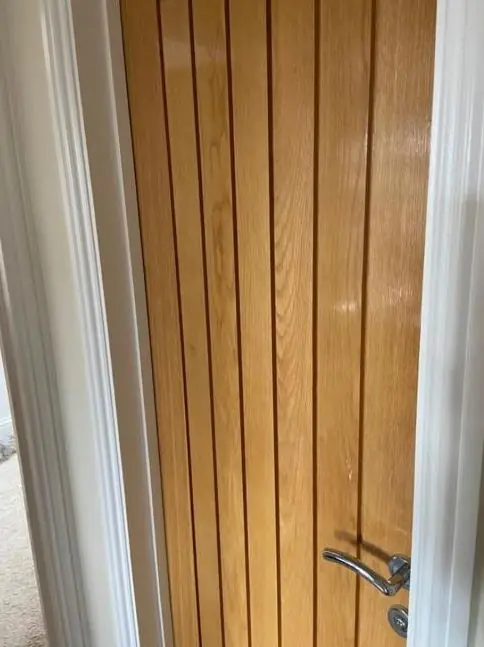
Close-up of an oak door with a lacquered finish beside white gloss architrave

We apply decorative paint finishes in Harpole, about 3.9 miles west of Northampton. That ranges from picking out moulded cornices in the village's early 19th-century houses to true limewash in ironstone cottages and limewash-effect feature walls in the new estates.

Moulded plasterwork in the early 19th-century houses

Harpole’s Georgian houses are where traditional decorative painting matters most. Harpole Hall, dating from about 1815, has moulded plasterwork cornices and friezes, and it sits in the same short period as the Old Rectory of 1816 and Grange Farmhouse with its 12-pane sashes and pedimented door surround. Rooms of that era were designed to have their plaster detail read clearly.

Over two centuries, mouldings fill up with paint until the detail softens into a blur. Before picking anything out, we look at how clogged they are. Light build-up can be eased back with careful hand work; heavy build-up on a listed building is a conservation matter, and you’d want to speak to West Northamptonshire Council before anyone strips it. Once the surface is sound, picking out means painting the background, the enrichments and the flat bands in related shades with fine brushes. Old ceilings were often finished in soft distemper, which modern emulsion won’t grip and which masking tape pulls away, so we test before any paint goes on.

Limewash and limewash effects
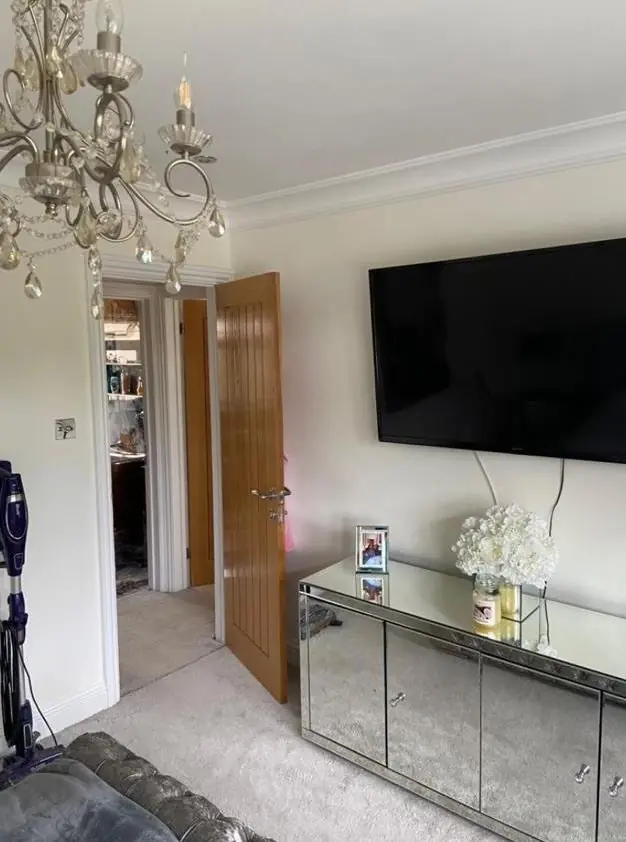
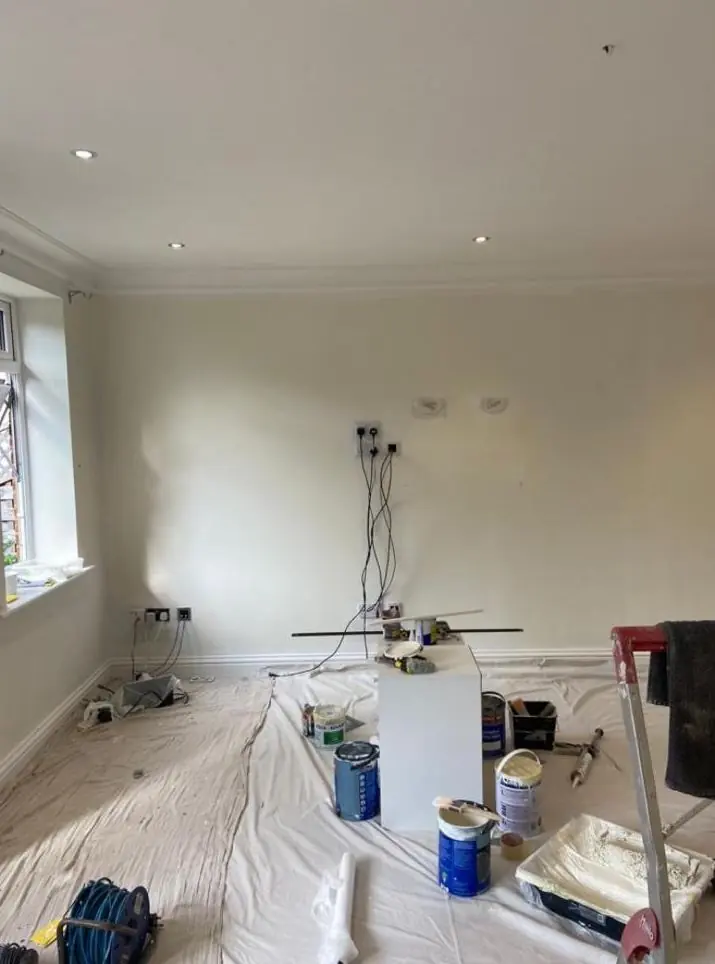
Living room around a wall-mounted TV, cream walls and white coving finished

A limewash look suits Harpole in two very different settings. In the ironstone cottages of the old core, several of them late 17th century, its soft, cloudy colour sits naturally on uneven lime plaster, and true limewash or a breathable mineral paint lets the solid wall keep drying out. In the new homes at Harlestone Park, Norwood Quarter and Western Gate, the same look is built up from thinned layers of paint brushed in criss-cross strokes, giving depth to a flat gypsum wall.

The two methods aren’t interchangeable. Real limewash won’t bond properly to gypsum or to a wall already sealed with vinyl emulsion, and a modern acrylic effect on a damp solid stone wall traps moisture. We pick the method to suit the wall, not the other way round.

Beams, lintels and plank doors

The older cottages have wooden lintels, plank doors and, in places, stone mullions next to leaded casements. These surfaces suit finishes that let the timber move, such as microporous stains, oils or soft-sheen paints laid on by brush. Graining and aged effects can bring a replacement door or lintel close to the old ones beside it, so the new piece doesn’t stand out. Leaded lights and historic wrought-iron catches, of the kind recorded at Church Farmhouse, stay masked and untouched.

Feature work, and where to hold back
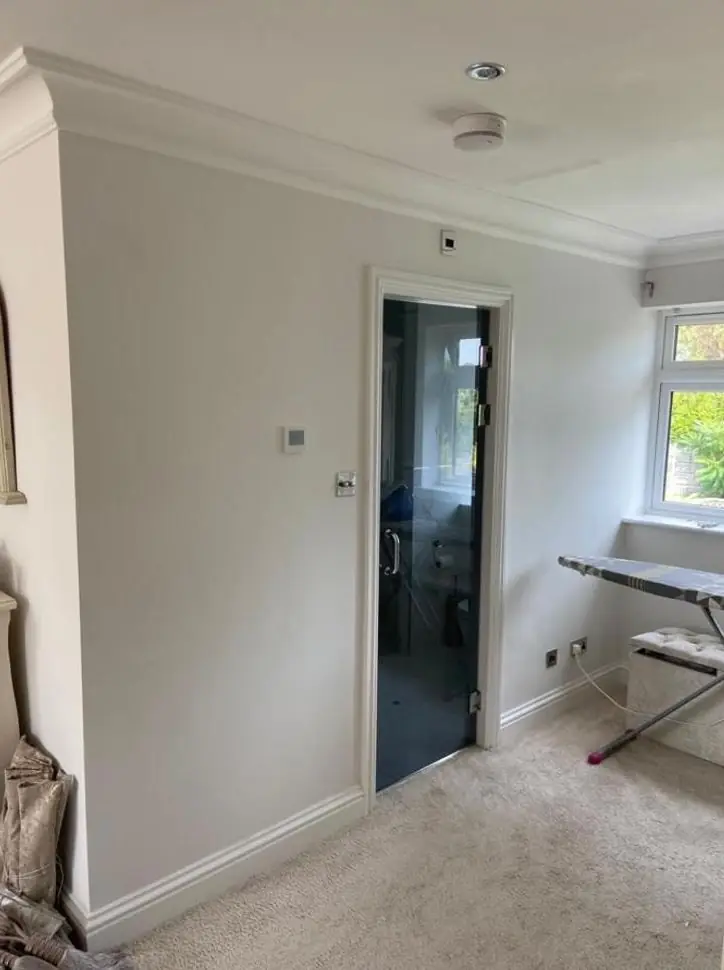
Room corner finished in pale grey-beige with white coving, skirting and door frame
  • Panel effects or a picked-out feature wall in a new-build dining room or stairwell
  • Two-tone schemes in Victorian brick houses where a dado rail once divided the wall
  • Colour-washed or distressed finishes on built-in cupboards
  • Metallic or pearlescent glazes, usually as a small accent

Not every wall is ready for a decorative finish. Walls still drying after the winter 2024 flooding need time first, because a glaze or wash shows any staining that works through. Inside a listed building, putting a new finish over historic surfaces is something to discuss before starting.

The Victorian brick houses built from the 1850s often suit a more traditional layout in a hall or front room: a deeper colour below a dado, a lighter field above and any cornice picked out in a pale tone. The lower band also hides scuffs where people pass, which helps in a narrow hallway. If no dado survives, a painted line or a fitted rail can bring the arrangement back.

Every finish we offer, and how each is applied, is on our main decorative finishes page. For the rest of the village, see the Harpole area page.

Last updated by Dean, DH Painter & Decorator.
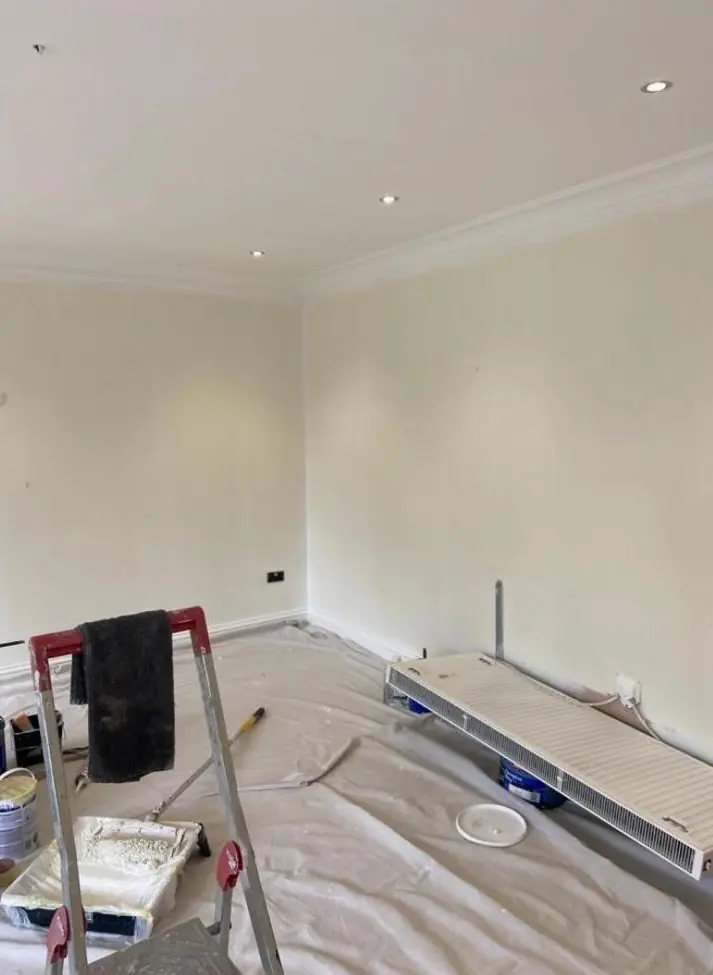
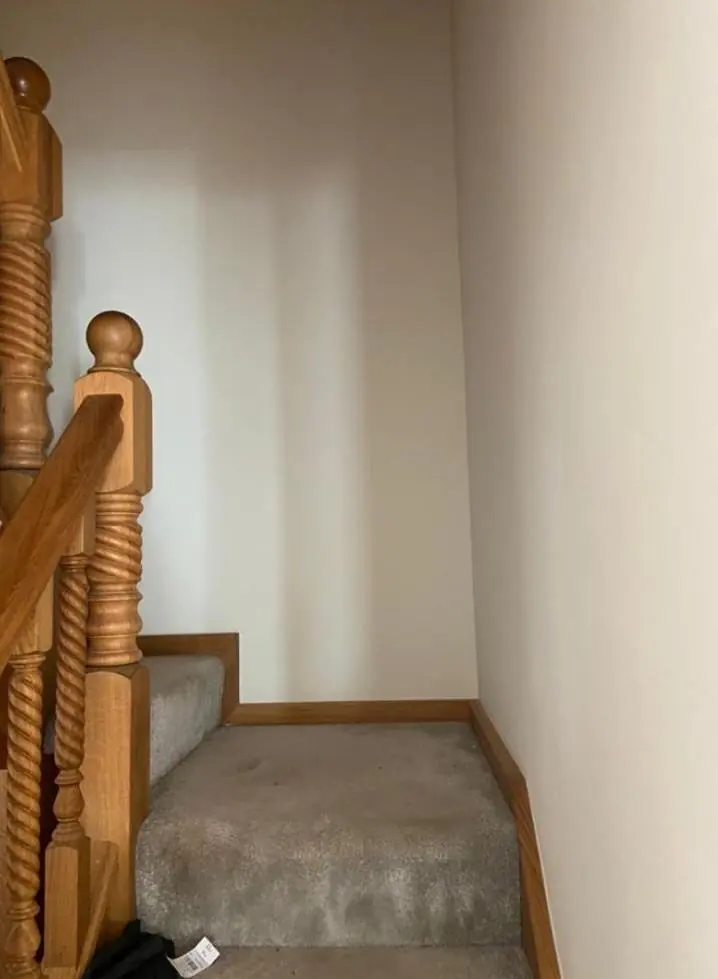
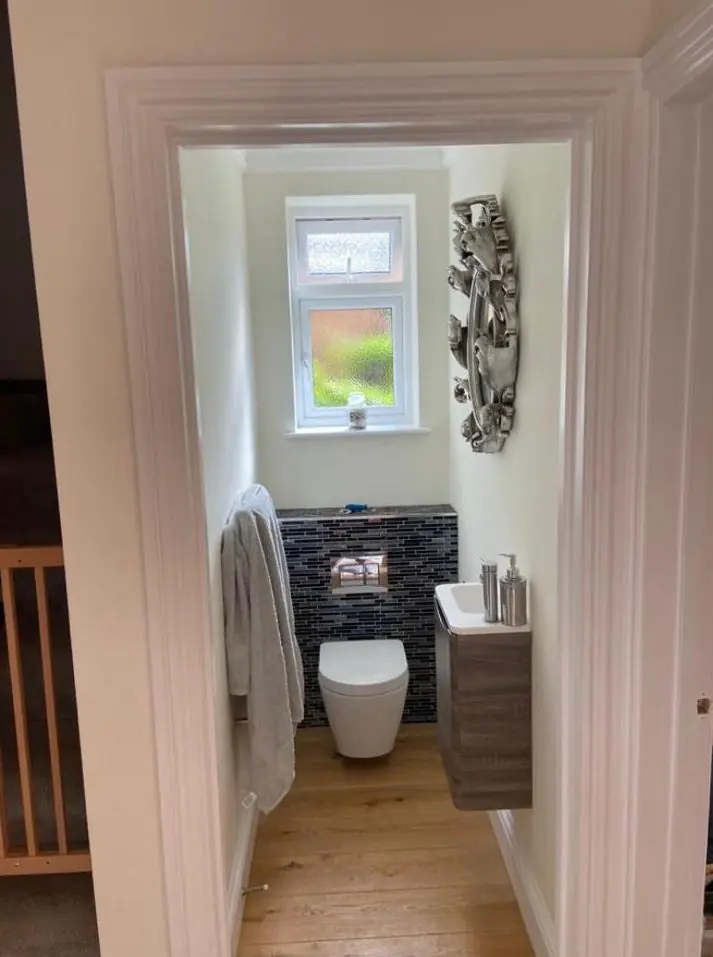
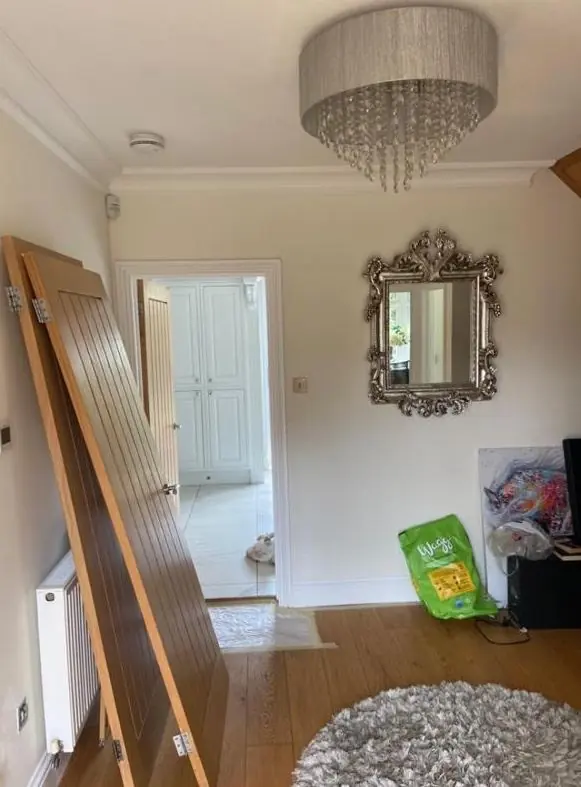
Corner of a lounge with walls painted soft white, dust sheets and radiator off the wall Living room walls painted off-white with dust sheets, roller tray and paint tins mid-job Staircase with oak barley-twist spindles and newel post, walls painted soft cream Cloakroom WC seen through a white-painted architrave, cream walls and gloss woodwork finished Hallway with crystal chandelier and cream walls, new oak doors waiting to be hung Landing wall painted warm cream around an oak door with white gloss architrave

Decorative finishes in Harpole: your questions answered

Can't see your question? Call us on 07539 779 036 and we'll happily talk it through.

Can you restore painted cornices in one of Harpole's older houses?

We can clean up lightly clogged mouldings by hand and repaint them, picking out the detail in related colours. Where decades of paint have filled the enrichments heavily, stripping is specialist work and, on a listed building, may need consent from West Northamptonshire Council. Dean will tell you which situation you're in when he visits.

Is real limewash suitable inside a Harpole ironstone cottage?

Often, if the walls are lime plaster and haven't been sealed with modern paint. Limewash lets the solid wall breathe and gives a soft, uneven colour. If the walls already carry vinyl emulsion or have been reskimmed in gypsum, limewash won't bond, and a breathable mineral paint or a limewash-effect finish is the better route.

Can a new-build at Norwood Quarter have a limewash-effect feature wall?

Yes. On new gypsum plaster we build the look from thinned layers of paint brushed in different directions, once the plaster has cured and had its mist coat. It suits a chimney-breast style wall, a stair wall or the wall behind a bed, and adds texture without any extra plastering.

Can you make a new door match the old plank doors in my Harpole cottage?

Often, yes. Graining and aged finishes can bring a new softwood door or lintel close to its neighbours in colour and sheen. We use stains or microporous paints that suit timber in old stone houses. If the cottage is listed, check whether the replacement door itself needs consent before it is fitted.

What customers say about Dean

Most of our work comes from recommendations and returning customers. These are real reviews from customers after the job was finished, in their own words.

More customer reviews

After completing my gates I was then assured Dean was more than competent to repaint the inside of my property from top to bottom. It’s a large 4 bedroom house and was done to a very high standard. Once again I would highly recommend him.

Customer review Gates, then a full four-bedroom interior

I contacted Dean to get the outside of the house painted; the house is all roughcast render. He has done a fantastic job; the house is looking brand new. The same he did for our garage, painted our bedrooms x2, did extra jobs for us like skirtings and door frames, and painted even our gates. I could not recommend him enough; he is attentive, smiling, always on time, and nothing too much; I am so happy with what Dean has done; he went above and beyond. I have recommended him to all my friends and family.

Read full review
Customer review Roughcast render, garage, bedrooms and gates

Dean did a great job for a good price i'd be very happy to recommend him always on time polite and friendly.

Customer review Painting and decorating

Start your project

Get a free painting and decorating quote

Tell us a little about the job and we'll arrange a visit to look at it properly. Quotes and advice are always free, with no obligation.

What happens next

  1. We get back to you to arrange a convenient time to visit.
  2. Free visit. We look at the job and talk through colours, finishes and any repairs.
  3. Written quote. A clear price covering preparation, materials and the finish we agreed.

Request a free quote

Please enter your name.

Please check your email address.

Please enter a valid phone number.

Prefer to talk? Call 07539 779 036.

Call 07539 779 036Call nowFree quote