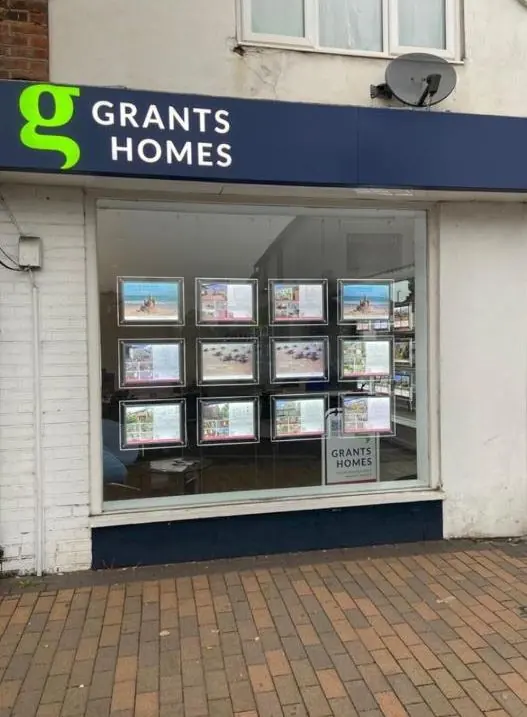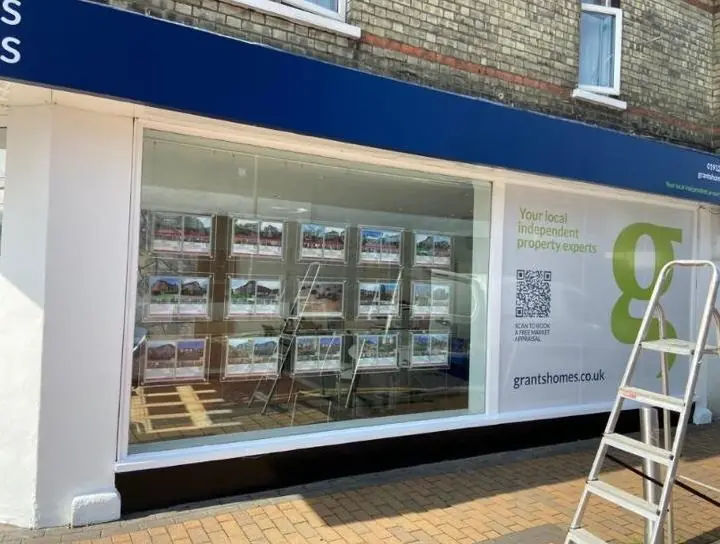
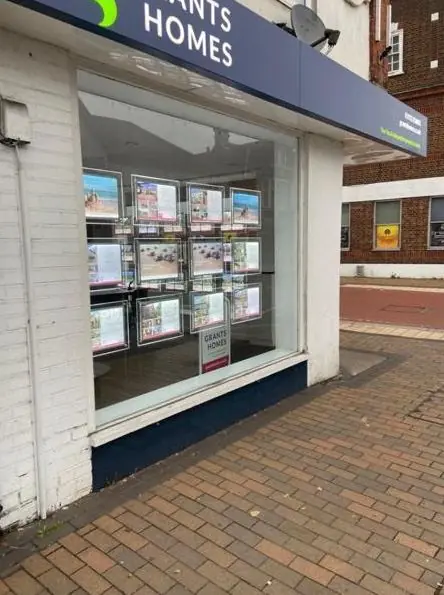
DH Painter & Decorator paints shop and pub frontages in Kislingbury, which lies 3.6 miles west of the town. The commercial stock is small and mostly historic, so frontage work here usually means listed or conservation-area fronts and working around trading hours.
A small village centre with historic fronts
Kislingbury has no business park and no parade of shops. Its frontages amount to the Church Lane shop that also serves as the post office, three pubs, a handful of small businesses including a Mill Road tattoo studio and a florist, the Rothersthorpe Road cafe, the village hall and the Weedon Road filling station. Most of these sit inside the conservation area, and two of the pubs are listed buildings. That makes frontage painting here less like a high-street shopfront and more like careful work on a period building that also has to stay open.
The pubs: listed joinery and a thatched roof
The Sun Inn on Mill Road is Grade II listed, an early to mid 18th-century ironstone building with a thatched roof. Cromwell Cottage on High Street, now a pub-restaurant, is Grade II listed and dates from the mid-17th century. The Old Red Lion on High Street is unlisted, but the council picked it out in its 2012 survey of historically significant buildings. On fronts like these the paintable surfaces are mostly timber: windows, doors, signboards and any boarding, set into ironstone that should be left unpainted.
A few things follow from that:
- On a listed pub, a new colour, sign background or paint type can require consent. Like-for-like is the usual starting point, and we can describe the existing finish for your application.
- Under thatch there are no heat guns or flame tools. Old paint comes off by hand, and ladders are placed so nothing rests on the roof.
- Traditional, muted colours that suit the ironstone tend to sit better with a conservation officer than a bold corporate scheme.
Working round opening hours
A village shop that doubles as the post office cannot close for a repaint, and pubs have their busiest hours in the evenings and at weekends. We agree a working plan with you before starting: preparation and noisy work while trade is quiet, doors done in sections so there is always a way in, and wet-paint signs and barriers where shoppers pass. Signboards can sometimes be taken down and painted off the wall to cut time on the front. We do not promise evening or overnight working, so the plan is built around daytime hours that suit the business.
Parking, lanes and through traffic
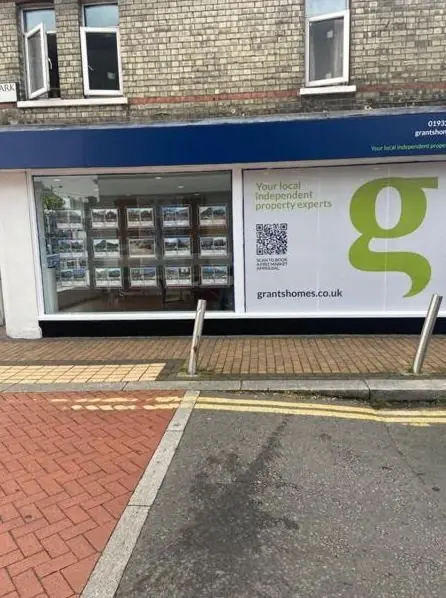
Church Lane is one of the narrow historic lanes lined with stone walls and cottages close to the road, so van parking for a shopfront there needs thought, especially with people coming and going for the post office. Fronts on the road towards Bugbrooke carry through traffic and lorries from the quarry and Heygates flour mill, which means a barrier zone, a second person on the ground while ladders are up, and washing off road grime before any primer goes on.
Smaller units and the village hall
The newer premises, such as the studio on Mill Road or the cafe, may have simpler fronts in later materials, which allows a wider choice of finishes, though anything inside the conservation area still benefits from restrained colours. Community buildings like the village hall are usually a case of sound, hard-wearing joinery paint on doors and windows that take a lot of use.
Our main shopfront painting page covers preparation and finishes in detail, and for interiors and larger jobs see commercial painting. The Kislingbury page covers decorating across the rest of the village.
Last updated by Dean, DH Painter & Decorator.