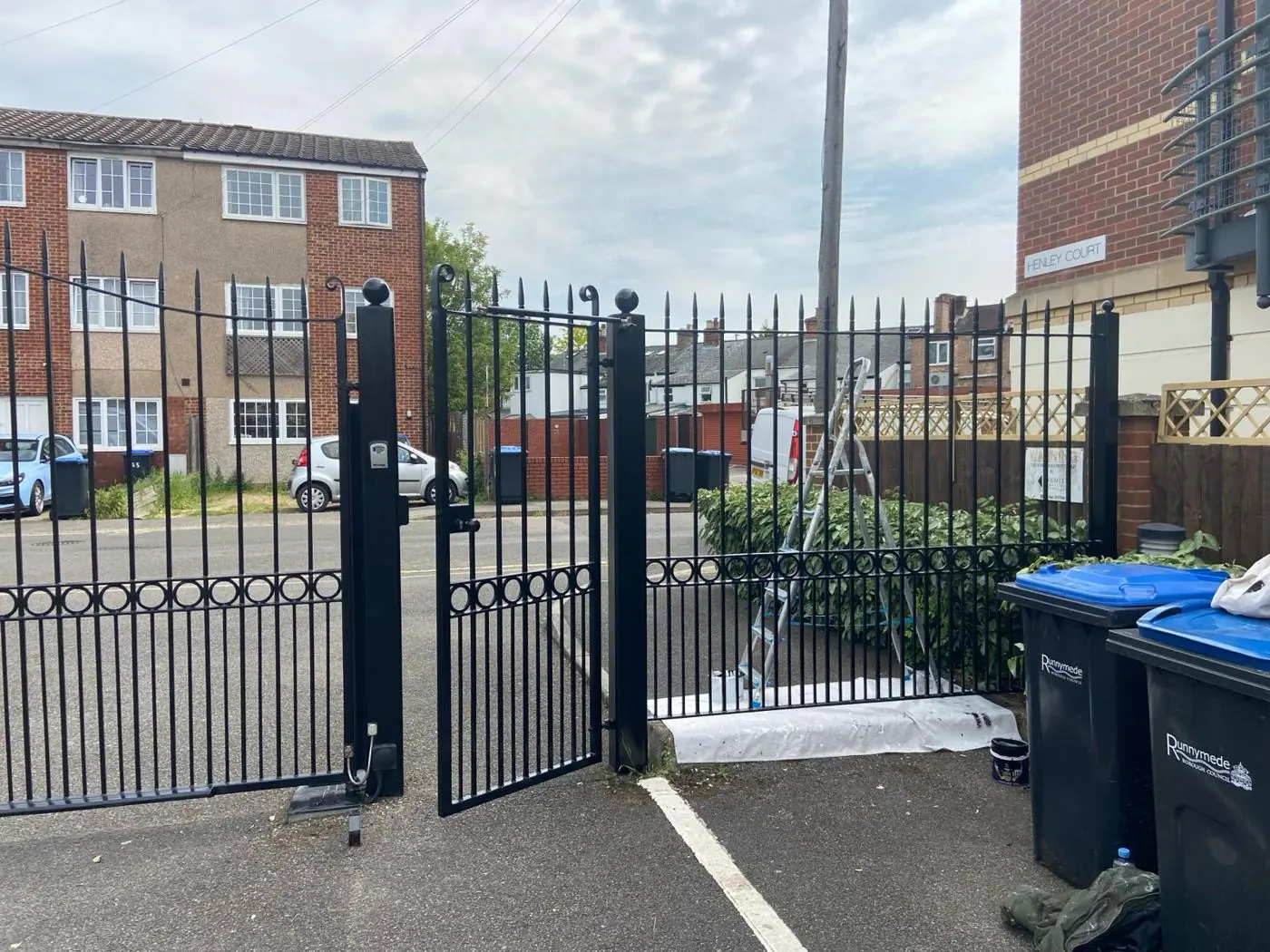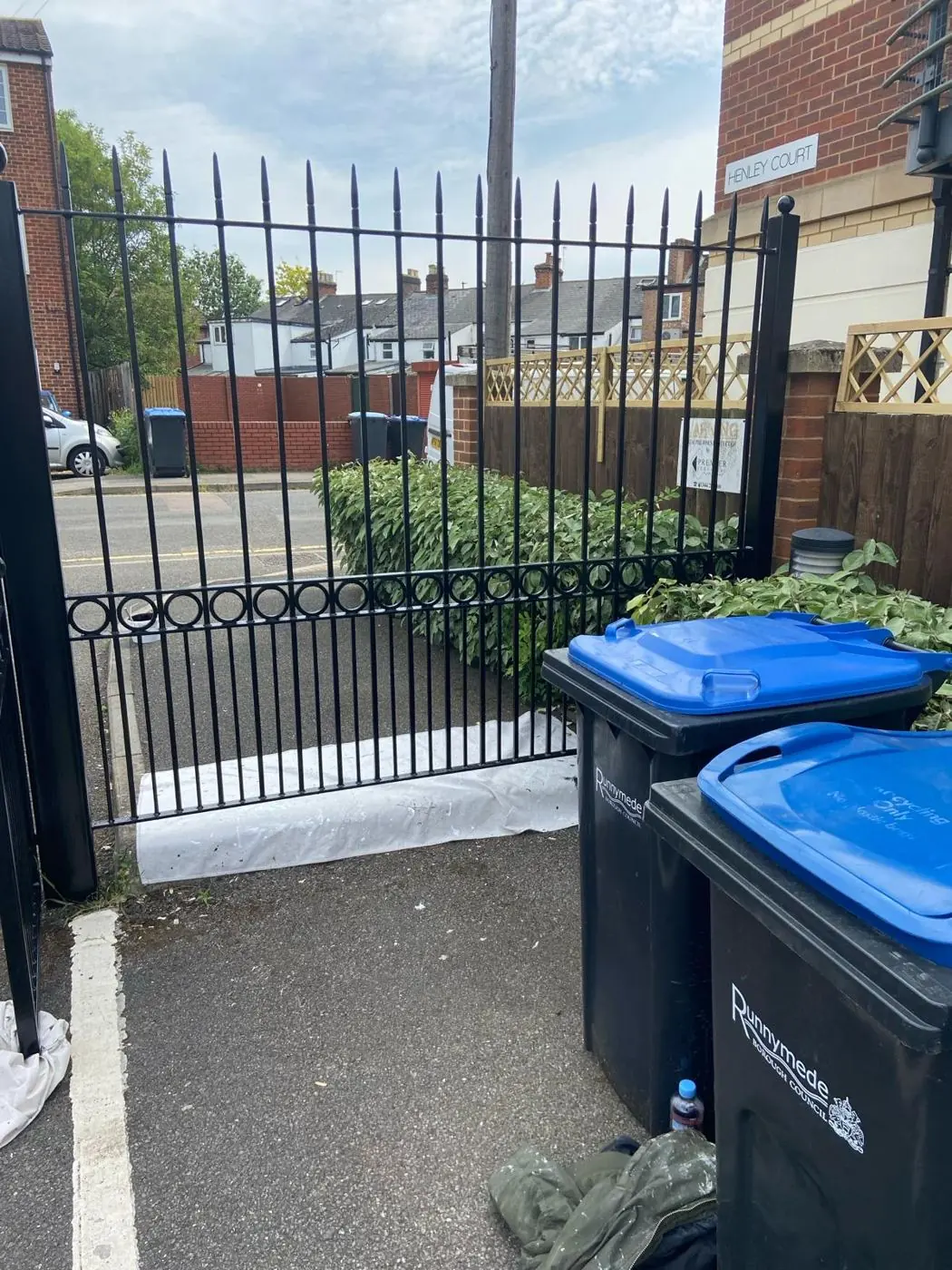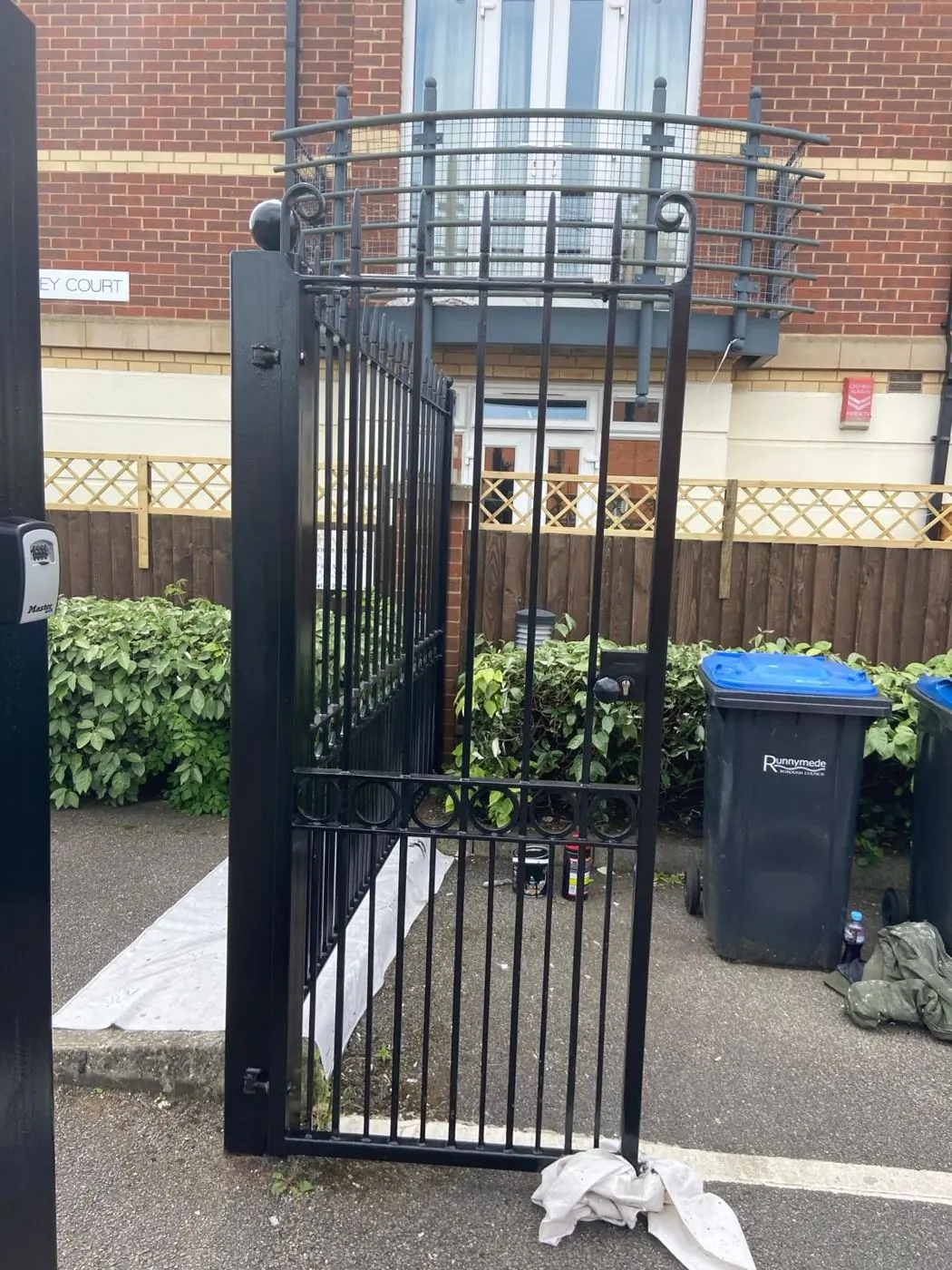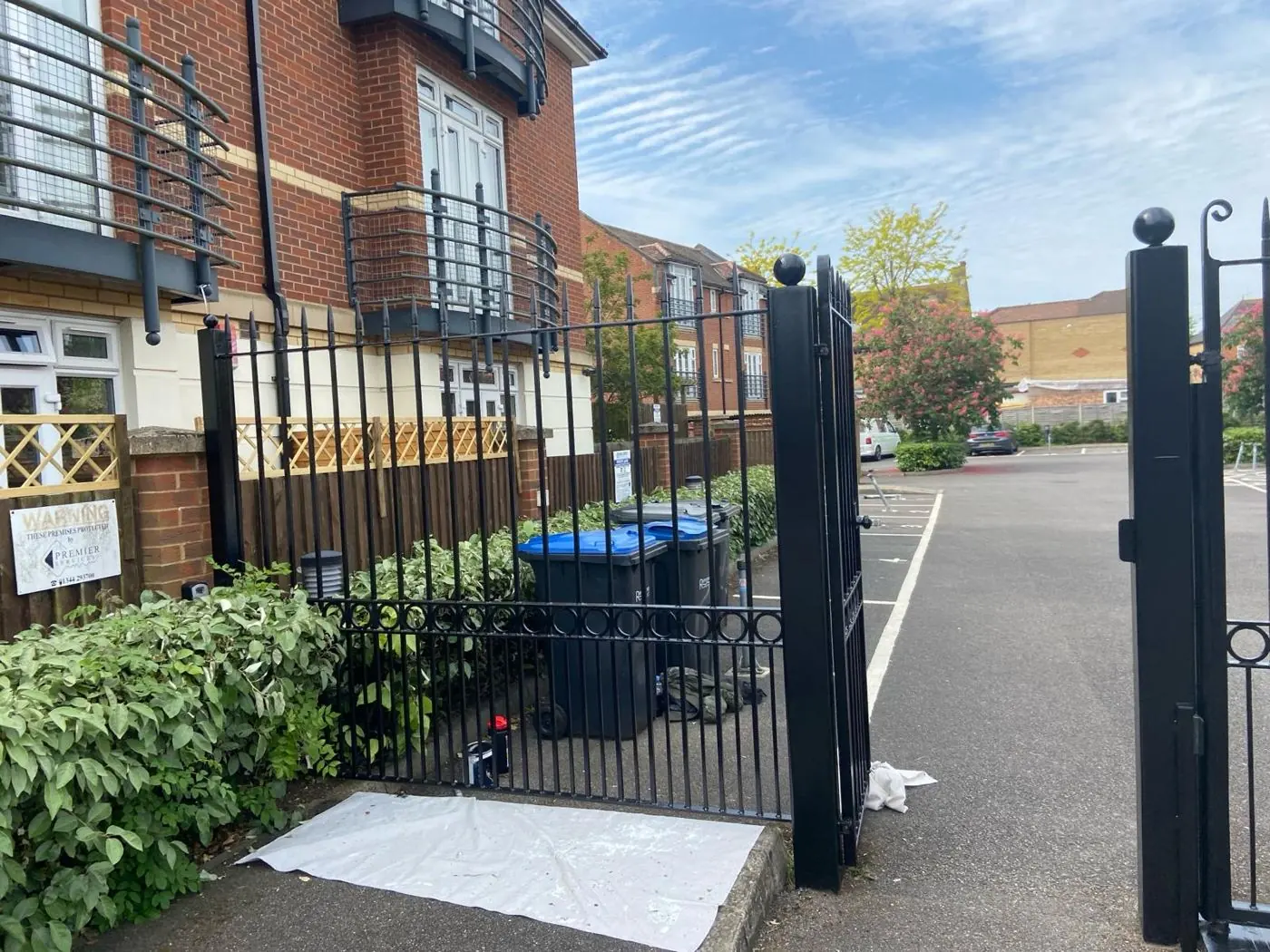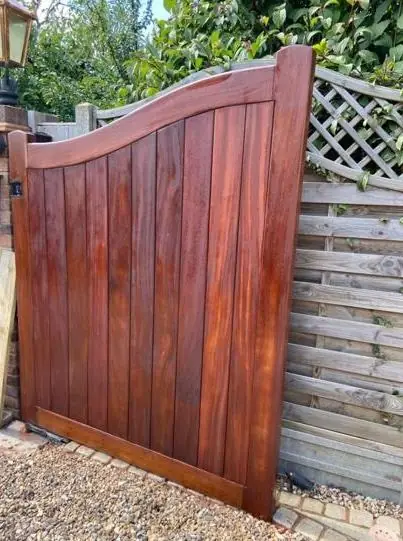
We stain and paint timber gates and fences in Kingsley, about 1.5 miles out on the north-east side of town. Front gates on the Article 4 stretches of East Park Parade, Kingsley Road and St Georges Avenue are refinished as they are, while rear garden fences behind the terraces can take any colour you like.
Two rules: one for the front, one for the back
On some Kingsley streets the planning rules reach as far as the front gate. The Kingsley Road Area Article 4 Direction, approved in March 1991, removes permitted development rights for the erection, maintenance, improvement or alteration of gates, fences, walls and other enclosures on the front boundaries of East Park Parade from No. 1 to No. 58, of Kingsley Road’s even side from 2 to 84, and of St Georges Avenue’s even numbers between 78 and 140. Behind those houses, and on streets outside the direction, the garden is your own business.
| Front boundary on an Article 4 address | Rear garden fence | |
|---|---|---|
| Colour | Match the existing finish | Your choice |
| Stain or paint | Keep whichever is there now | Either, depending on the timber |
| Changing the gate or fence design | Check with the council first | No planning concern for a repaint |
The text published online is not quite the version that was approved, so before anything beyond like-for-like refinishing, ask West Northamptonshire Council what currently applies.
Refinishing a front gate without changing it
On a protected frontage our aim is that nobody walking past could tell the gate had been touched, other than that it looks cared for. We record the existing colour and sheen, scrape and sand back any flaking finish, treat soft timber at the foot of the stiles and the bottom rail (where rain collects), and build the finish back up in the same product type. Where a gate has decades of paint on it, we take off the loose layers rather than adding another thick coat that would soften the moulded edges. Hinges, latches and any ironwork on the gate are masked, or painted separately if they need it. Iron railings on the same boundary are covered on our metal gate and railing page.
Rear fences behind the terraces
The two-bedroom Victorian terraces behind Kettering Road, such as those on Junction Road, have enclosed rear gardens, usually with a fence along each side and a back boundary. Weathered softwood panels that have gone grey take a stain well after a clean; panels that are patchy from years of different products often look better with an opaque fence paint. Because these gardens are small and walled in, the fence sits close to the back of the house, so we sheet the brickwork and any uPVC frames nearby before the first coat goes on.
Access shapes the job here. Agent listings for these terraces mention on-street parking only, and we could not confirm a rear lane, so tins, brushes and dust sheets usually come through the house. We lay protection from the front door to the back door and plan to finish the garden in as few visits as possible.
Shade from the old trees
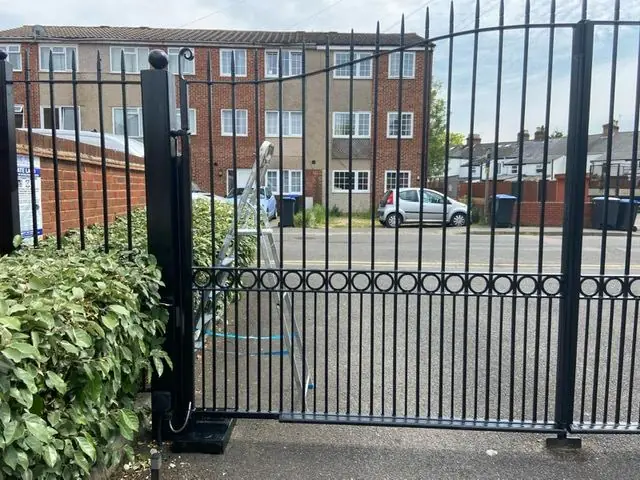
Kingsley’s streets and the Racecourse avenues carry mature trees, some planted in the early 1900s, and gardens near them stay shaded and damp for much of the year. Fences there grow green algae, and timber dries slowly after rain. We wash and treat growth first and only stain once the boards have dried out, which may mean waiting a few days after wet weather. If overhanging branches need cutting back first, conservation-area rules require six weeks’ notice to the council, which the owner needs to give.
The general method and product choices are on our fence and gate staining page. Painting the house behind the fence is covered from the Kingsley area page.
Last updated by Dean, DH Painter & Decorator.