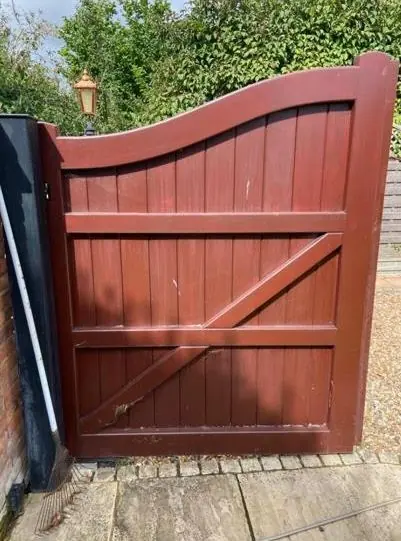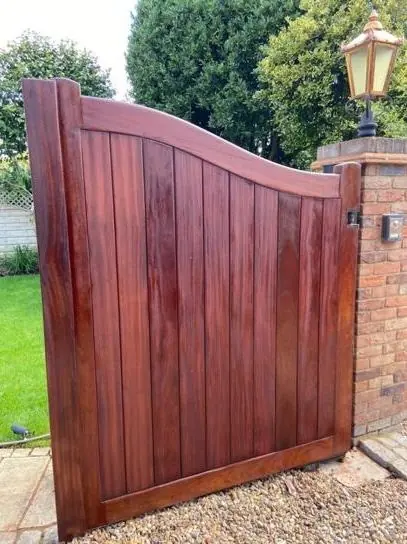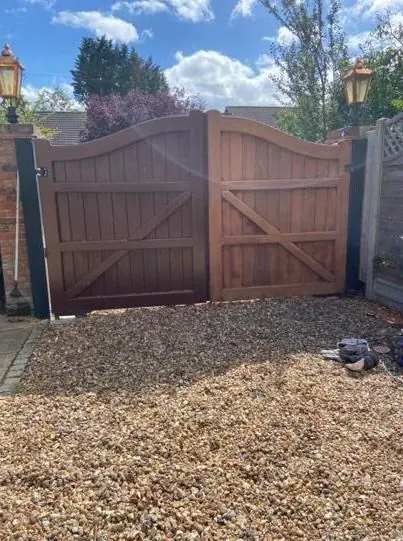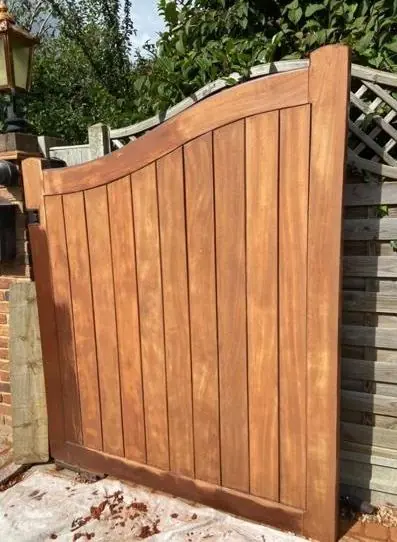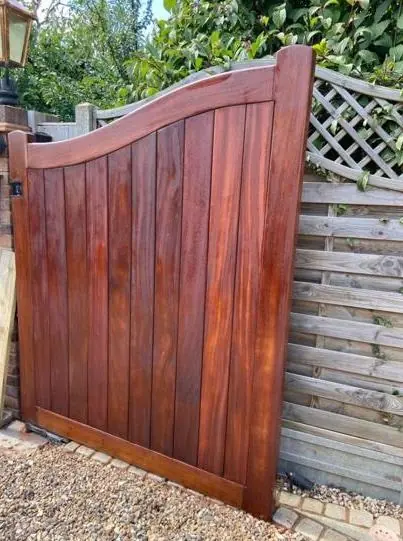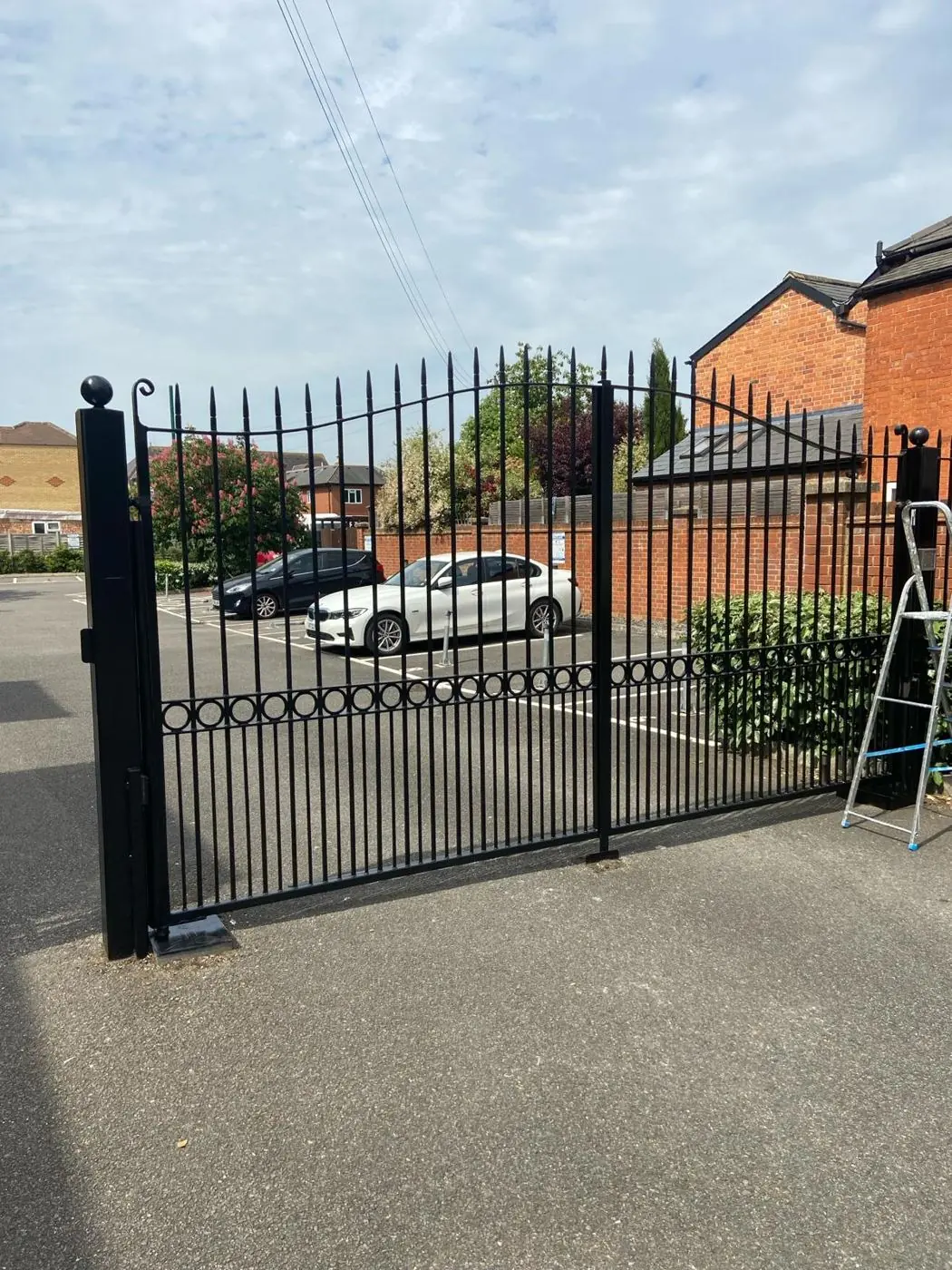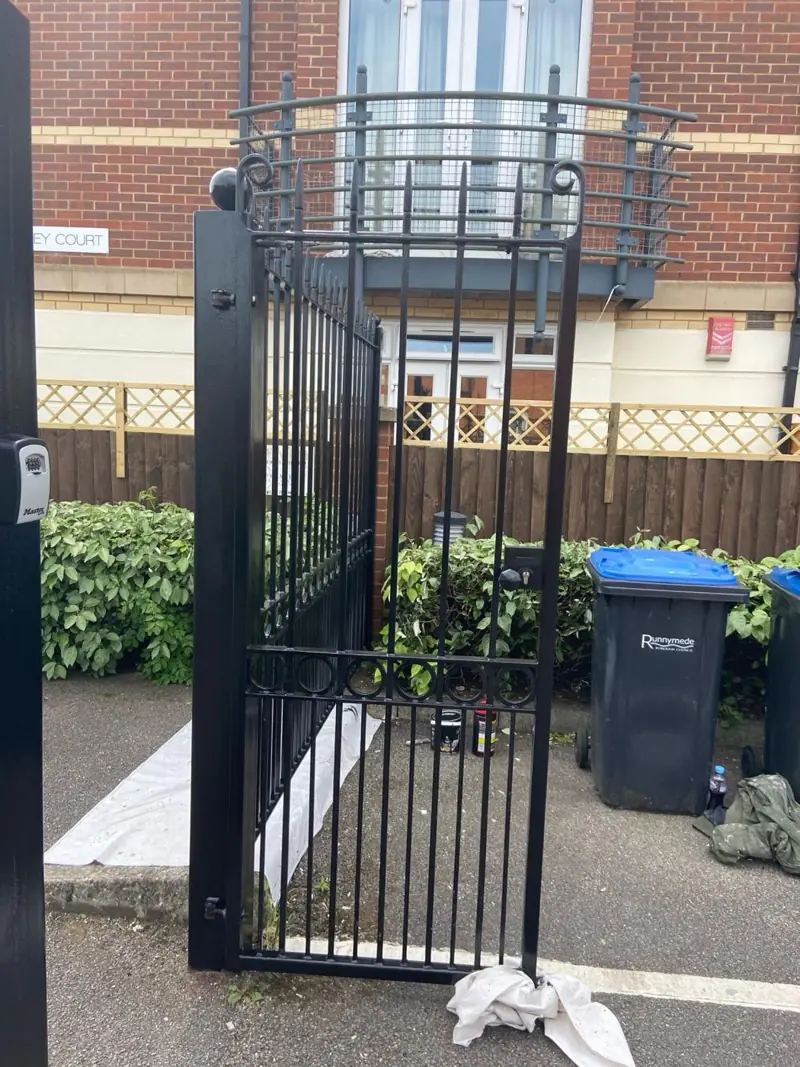
We stain and treat timber fences, side gates and garden woodwork in St David's, NN2, about 1.9 miles north of Northampton town centre. Most of the work is on the 1950s semis, end-terraces and bungalows with side and rear gardens around Eastern Avenue, Bondfield Avenue and Holdenby Road.
Where the fencing is
The gardens that carry the most timber in St David’s belong to the semi-detached and end-of-terrace houses, where a side gate and a run of fence close off the garden at the side of the house as well as the back. The 1950s roads (Eastern Avenue North and South, Bondfield Avenue and Holdenby Road) have plenty of these plots, along with semi-detached bungalows on Eastern Avenue and Holdenby Road with gardens on more than one side.
Mid-terraces on the interwar streets usually have less: a rear boundary and perhaps a short dividing fence with the neighbour. The work there is smaller but harder to get to, because stain, brushes and dust sheets often go through the house to reach the back garden.
Whose side of the fence is it?
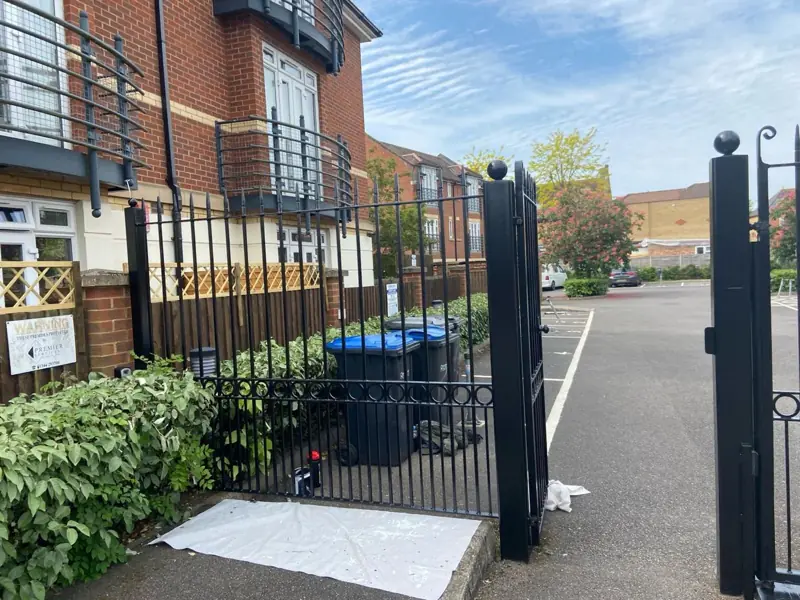
Ownership is a real question in St David’s. On many streets, including Cranford Road, Rosedale Road, Langdale Road and Dorset Road, social housing makes up a large share of the homes, and private rentals account for a meaningful part of the rest. A fence between an owner-occupied house and a rented one may belong to either side, and the neighbour’s landlord may have its own view about colour and treatment.
We stain the face on your side of any shared boundary. If you want both faces done, the neighbour, or their landlord, has to agree to us going onto their side. It saves arguments later to settle that before the work is booked. If you rent your home, check your tenancy before changing the colour of fences or gates.
Choosing a finish for an estate garden
With no conservation area in St David’s, colour is up to you. The practical choice is between a few products:
| Product | Suits | Worth knowing |
|---|---|---|
| Water-based fence treatment | Rough-sawn panels and lap fencing | Quick to apply, recoat every few years |
| Penetrating wood stain | Planed side gates and featheredge boards | Shows the grain, fades rather than peels |
| Opaque wood finish | Gates you want in a solid colour | Hides patchy old stain, needs sound timber |
Changing from a dark treatment to a lighter one rarely works without sanding back, so if your current fence is a deep brown and you want a pale grey or sage, expect more preparation. The main fence and gate staining page covers product choice and the preparation steps in more detail.
Gardens next to open ground
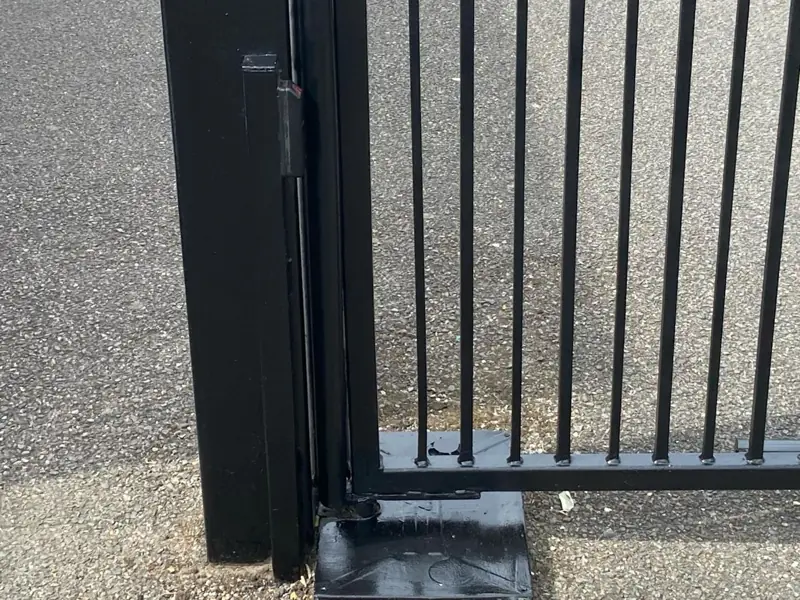
Green space runs right up to parts of St David’s: the Open Space beside Eastern Avenue, allotments near Eastern Avenue South and in the north-east corner, the golf course and Bradlaugh Fields beyond, and grass verges and amenity greens between many houses. Fences near long grass, hedges and trees stay damp at the base and pick up green growth faster. We clean and treat that growth before staining, and we keep the bottom rail and gravel board in mind, because that is where rot starts.
Staining needs dry timber and a few dry days either side, so most of this work is booked from late spring into early autumn. Our seasonal guide to outdoor painting explains why. If the fence is part of a bigger tidy-up, the side gate, a timber shed and any garden bench can be treated in the same visit with matching or complementary products, which saves a second round of dust sheets and carrying through the house. Other services in the area are on our St David’s page.
Last updated by Dean, DH Painter & Decorator.